Newsletters


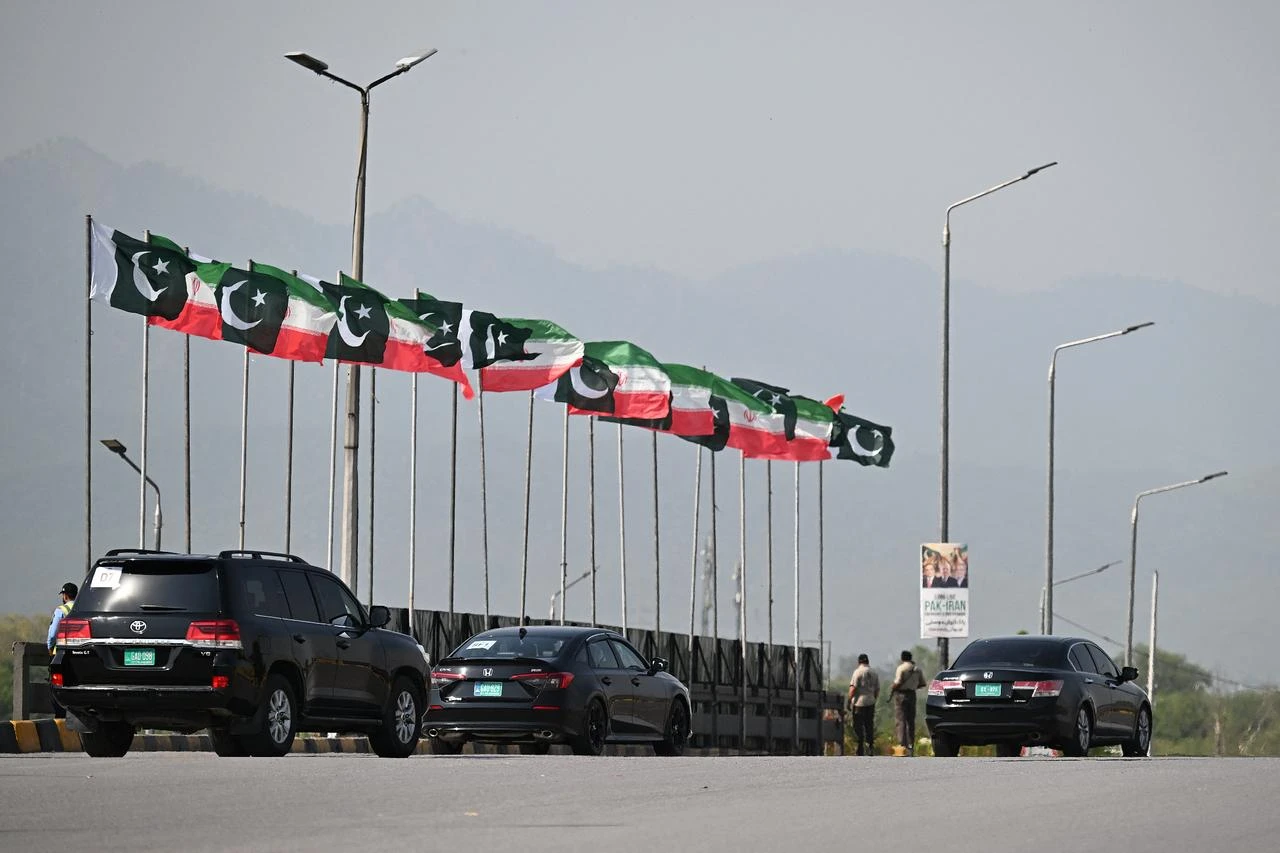


Iranian Interior Minister Eskandar Momeni began meetings with mediators in Pakistan on Tuesday as diplomats sought to revive a collapsed interim agreement between Iran and the United States, while both countries continued attacks for a 10th consecutive day, the Associated Press (AP) reports.
Pakistan has intensified diplomatic efforts in recent days to bring Tehran and Washington back to negotiations, although it remains unclear what new arrangement could be reached to end the fighting.
Iran attacked a tanker in the Strait of Hormuz early Tuesday, forcing its crew to abandon the vessel, while the U.S. carried out another round of airstrikes against targets in Iran.
Ten consecutive nights of U.S. strikes have not compelled Tehran to loosen its grip on the strait, through which about one-fifth of all traded crude oil and natural gas passed during peacetime.
The interim agreement signed last month has collapsed, shipping through the Strait of Hormuz has largely stalled, and both sides have increasingly targeted civilian infrastructure relied on by millions of people.
The U.S. State Department issued a new warning that Iran and groups supporting Tehran could target U.S. interests, Americans, or locations associated with the United States around the world.
“Iran and groups supportive of Iran may target other U.S. interests overseas or at locations associated with the United States and Americans throughout the world,” the department said.
The escalation has pushed oil prices higher in recent weeks. Benchmark Brent crude traded near $90 a barrel Tuesday, while the average price of regular gasoline in the U.S. climbed to about $4 a gallon, increasing pressure on consumers ahead of midterm elections this fall.
President Donald Trump warned Monday on social media that Iran would pay heavily for the death of any American soldier.
“Every time Iran kills an American Soldier they will pay for that killing many times over!” Trump wrote.
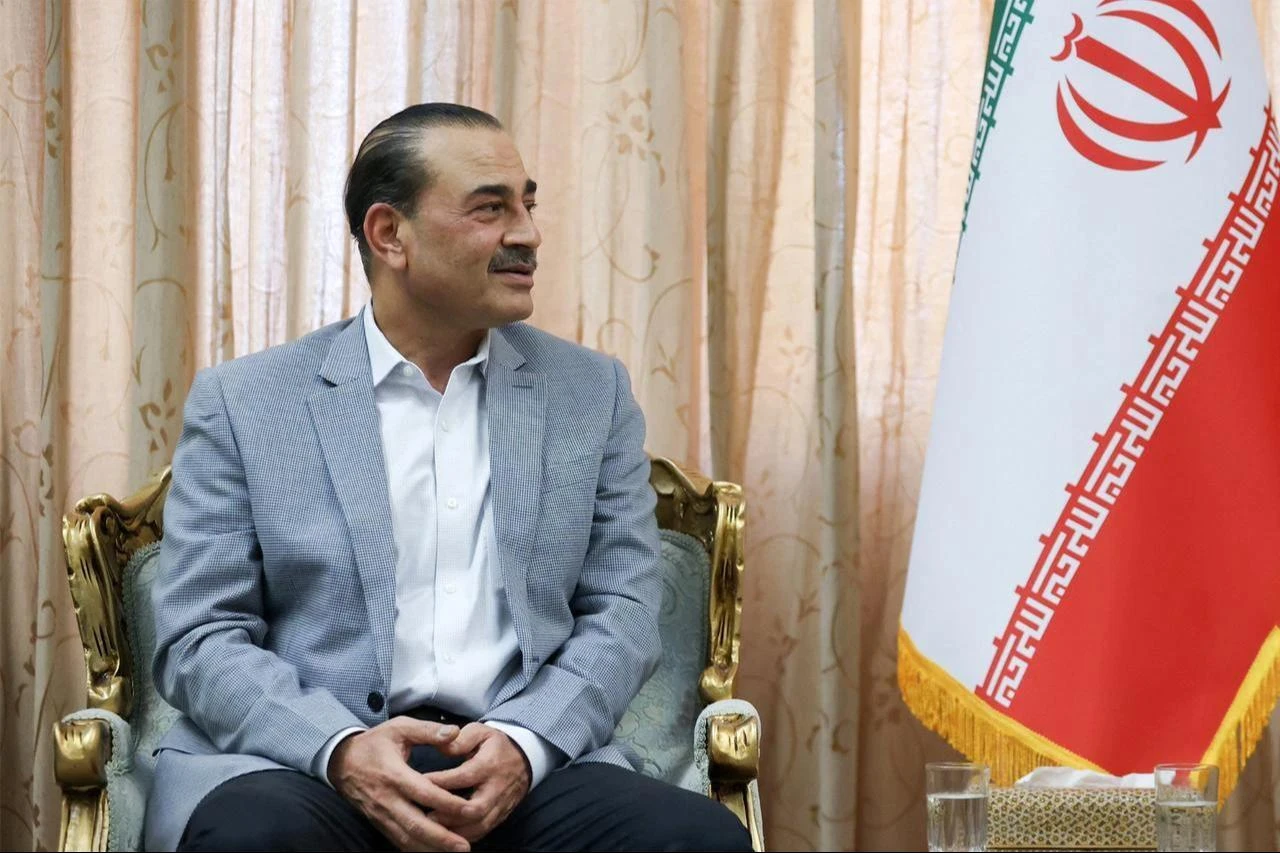

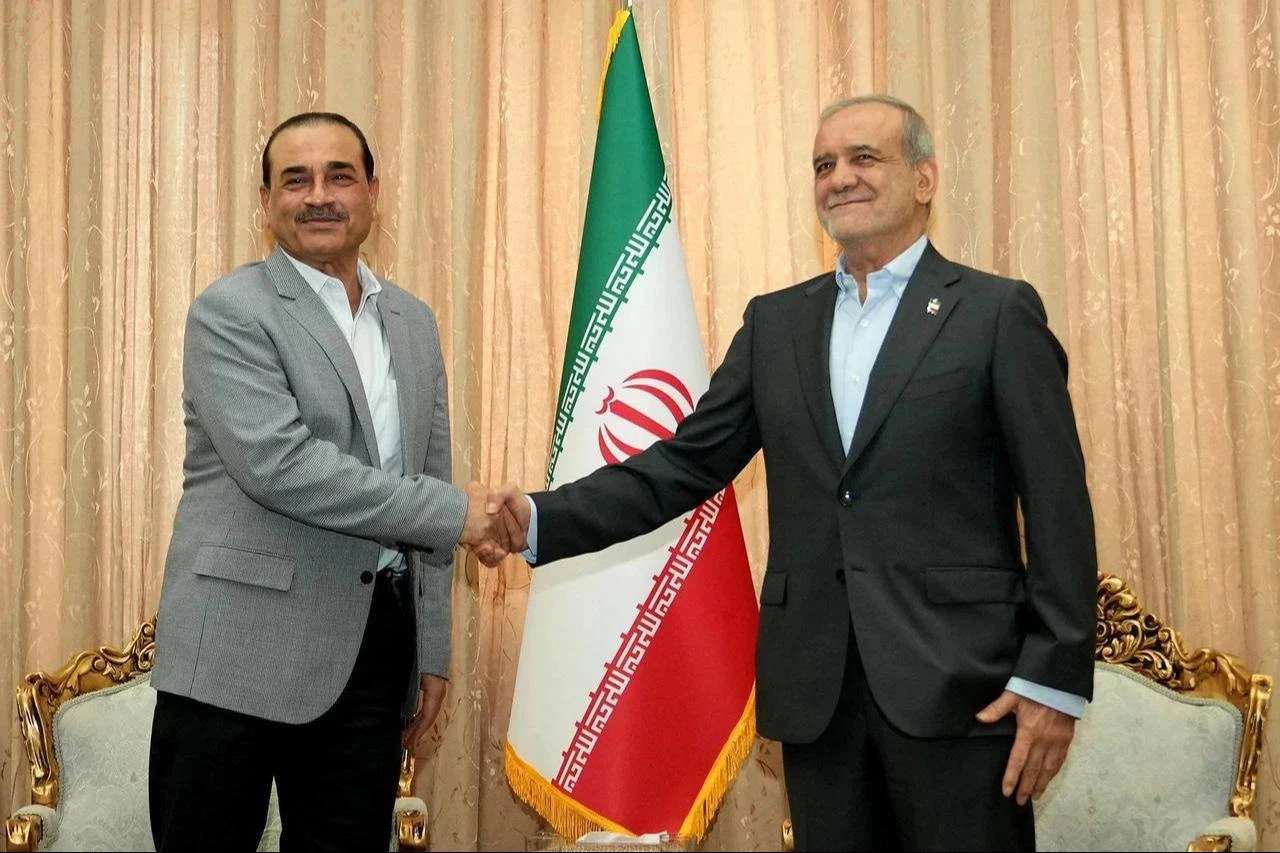
Momeni met with Pakistan’s army chief, Field Marshal Asim Munir, according to two officials who reportedly spoke to the AP on condition of anonymity because the negotiations were held behind closed doors.
The Iranian minister was also expected to meet Prime Minister Shehbaz Sharif later Tuesday.
Pakistan’s political leadership and Munir, who serves as both chief of army staff and head of the defense forces, played a central role in brokering last month’s interim agreement between Iran and the U.S.
Islamabad has been working to persuade both sides to return to the negotiating table and address unresolved issues under the June memorandum of understanding.
Authorities did not immediately release details of Momeni’s meeting with Munir, which took place as Tehran continued attacks on Gulf Arab countries allied with the U.S.
U.S. Secretary of State Marco Rubio said Sunday that Washington remained open to negotiations with Iran, but said any talks “have to be real.”
It remains unclear whether Tehran will offer terms that Trump would regard as acceptable.
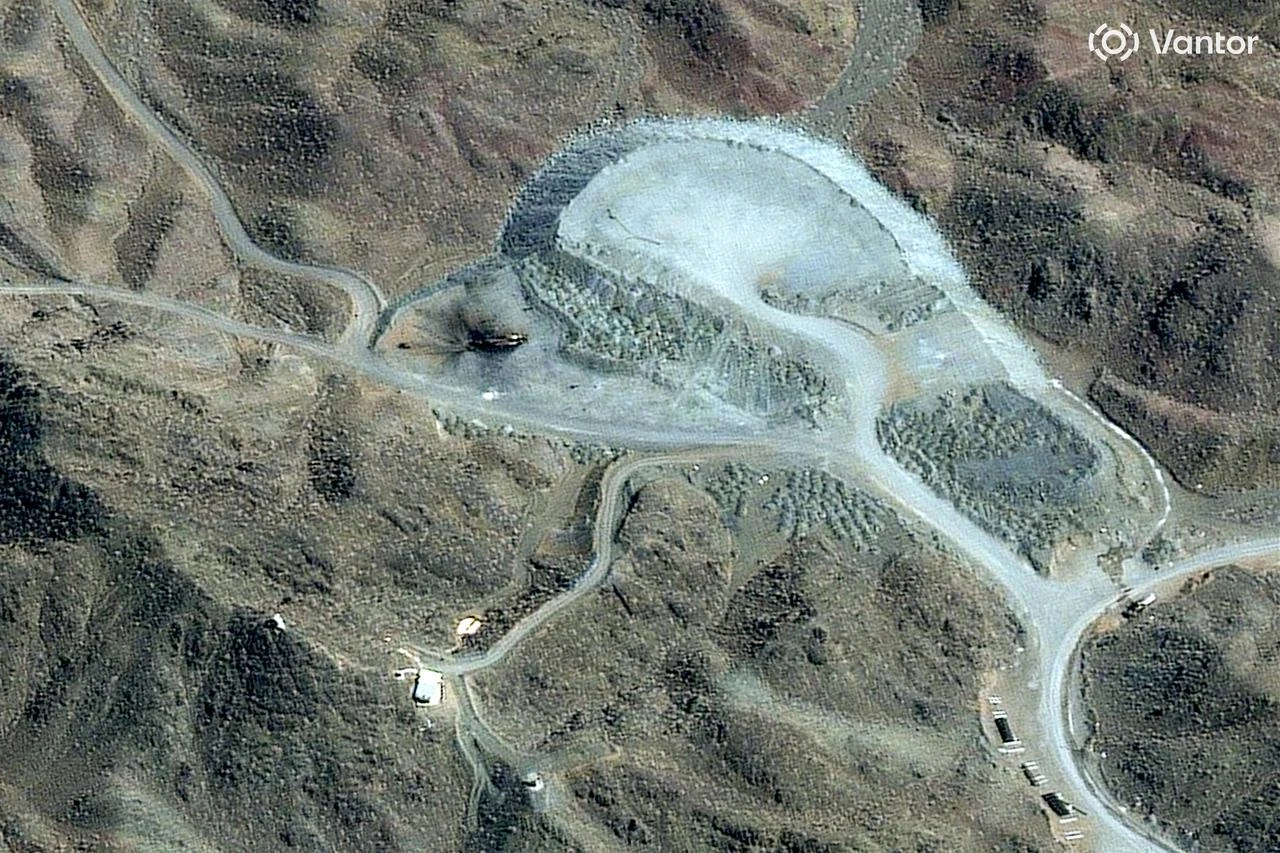
The U.S. military’s Central Command (CENTCOM) said Tuesday that American forces targeted Iranian military command centers, maritime capabilities, missile and drone launch sites and air defense systems.
The command also released additional footage showing strikes on targets inside Iran.
“American forces remain postured and prepared to hold Iran accountable for unwarranted aggression toward civilian mariners seeking to freely and openly transit the strait,” CENTCOM said.
Iranian state media reported that explosions were heard in the provinces of Fars, Hormozgan, Ilam, Kerman, and Sistan and Baluchistan.
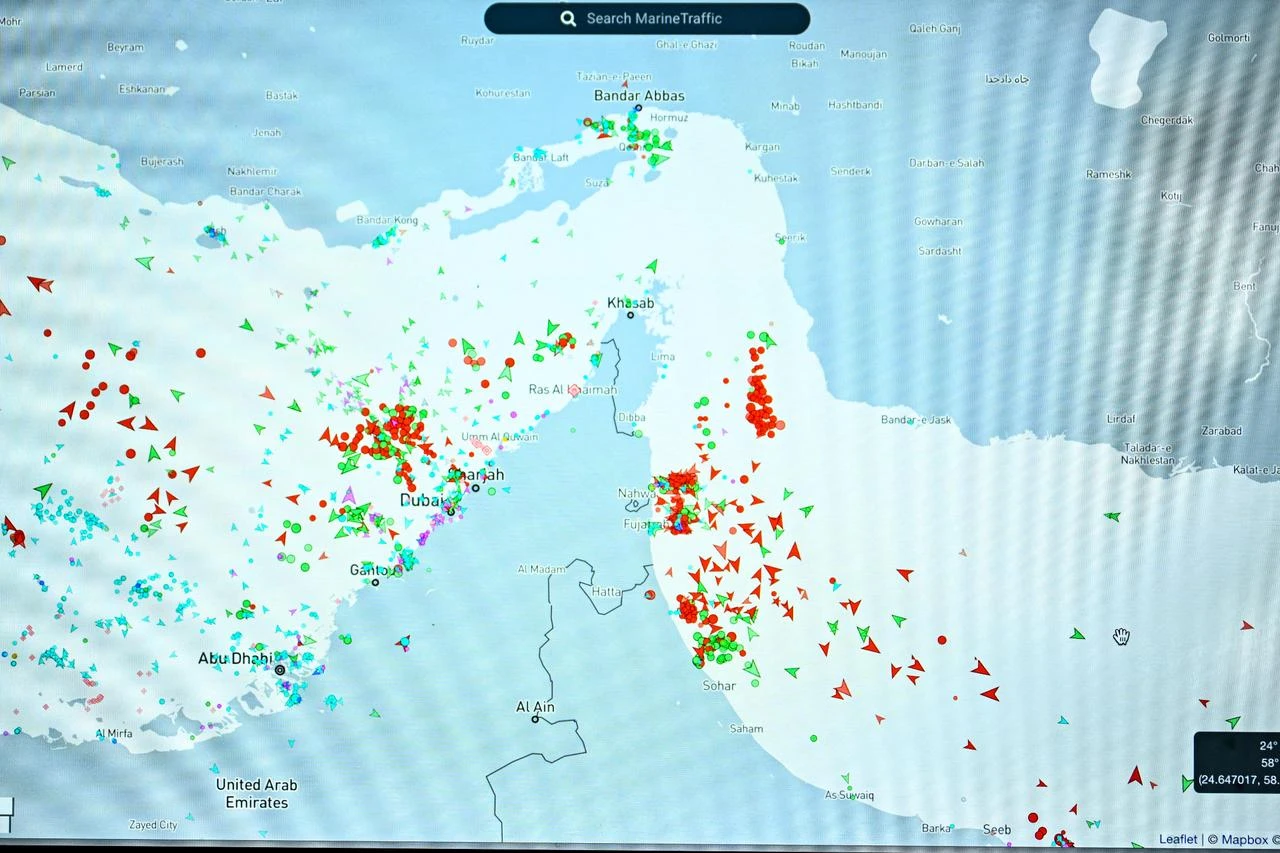
Despite the continuing U.S. campaign, maritime traffic through the Strait of Hormuz has slowed to a crawl. Lloyd’s List Intelligence said only three ships passed through the waterway Sunday.
The British military’s United Kingdom Maritime Trade Operations (UKMTO) center said a tanker was attacked early Tuesday in the strait off Oman, forcing its crew to abandon the vessel.
Iran’s Revolutionary Guard claimed responsibility for the attack, as well as two other attacks on ships in the waterway Monday.
The route near Oman is the passage the U.S. military has encouraged commercial vessels to use to avoid areas under Iranian control.
The UKMTO also reported Tuesday that another previously undisclosed attack on a vessel had taken place early Monday.
Iran also launched attacks against U.S.-allied countries across the Middle East as the conflict widened.
Jordan’s military said Tuesday that Iran targeted the country with five drones and three missiles, all of which were intercepted.
Bahrain activated missile warning sirens Tuesday afternoon as another Iranian barrage targeted the island kingdom, which hosts the U.S. Navy’s 5th Fleet.
The continued fighting has intensified pressure on regional shipping and global energy markets as the collapse of the interim agreement leaves no clear diplomatic path toward ending the conflict.
Brent crude remained close to $90 a barrel Tuesday, while gasoline prices in the U.S. averaged about $4 a gallon, adding to economic concerns ahead of the fall elections.


 Set as preferred source
 Set as preferred source


 1 min read
 1 min read