Newsletters


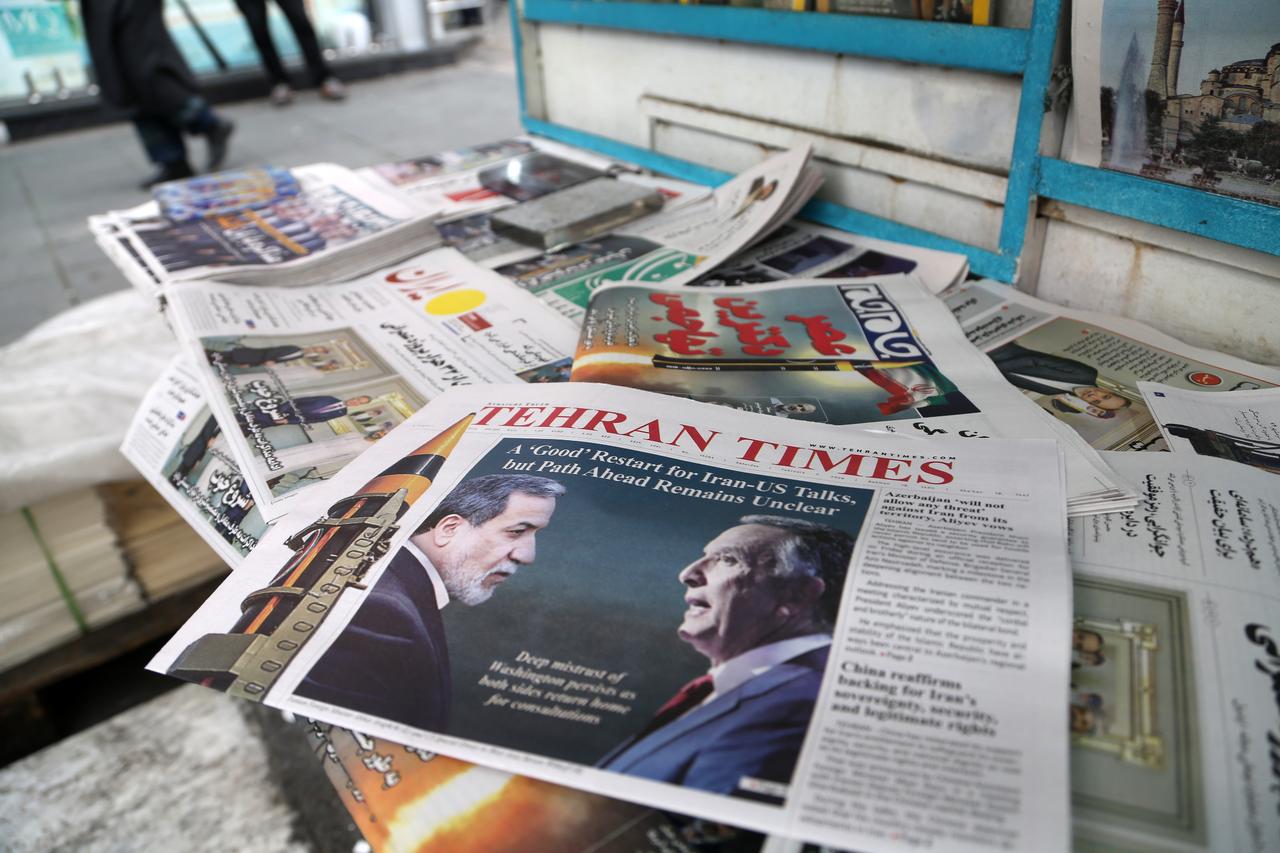


Iranian experts say tensions between Iran and the United States have not eased despite renewed negotiations in Oman, citing continued U.S. military pressure and uncertainty over the outcome of the talks.
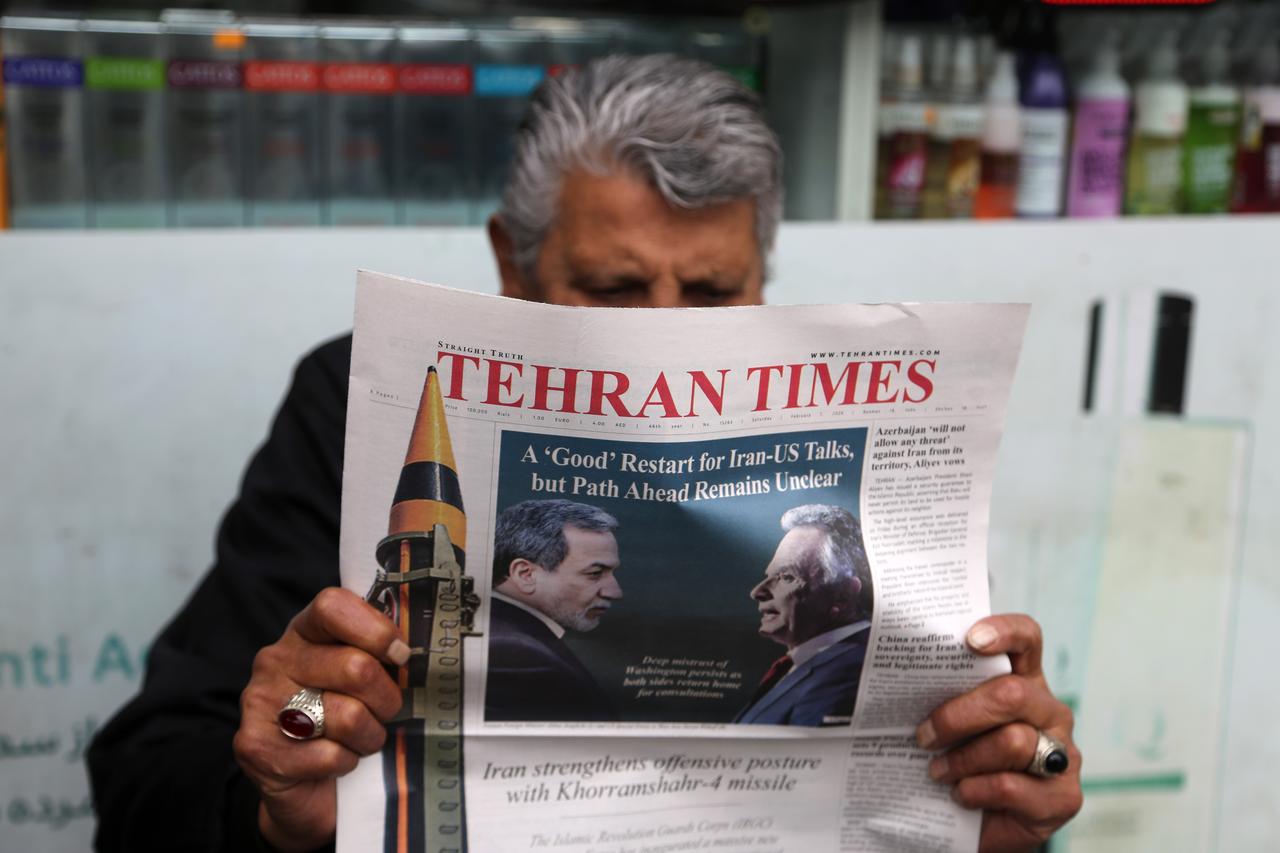
The comments come after Iran and the United States returned to indirect negotiations in the Omani capital, Muscat, on Feb. 6, following a recent escalation in tensions between the two sides.
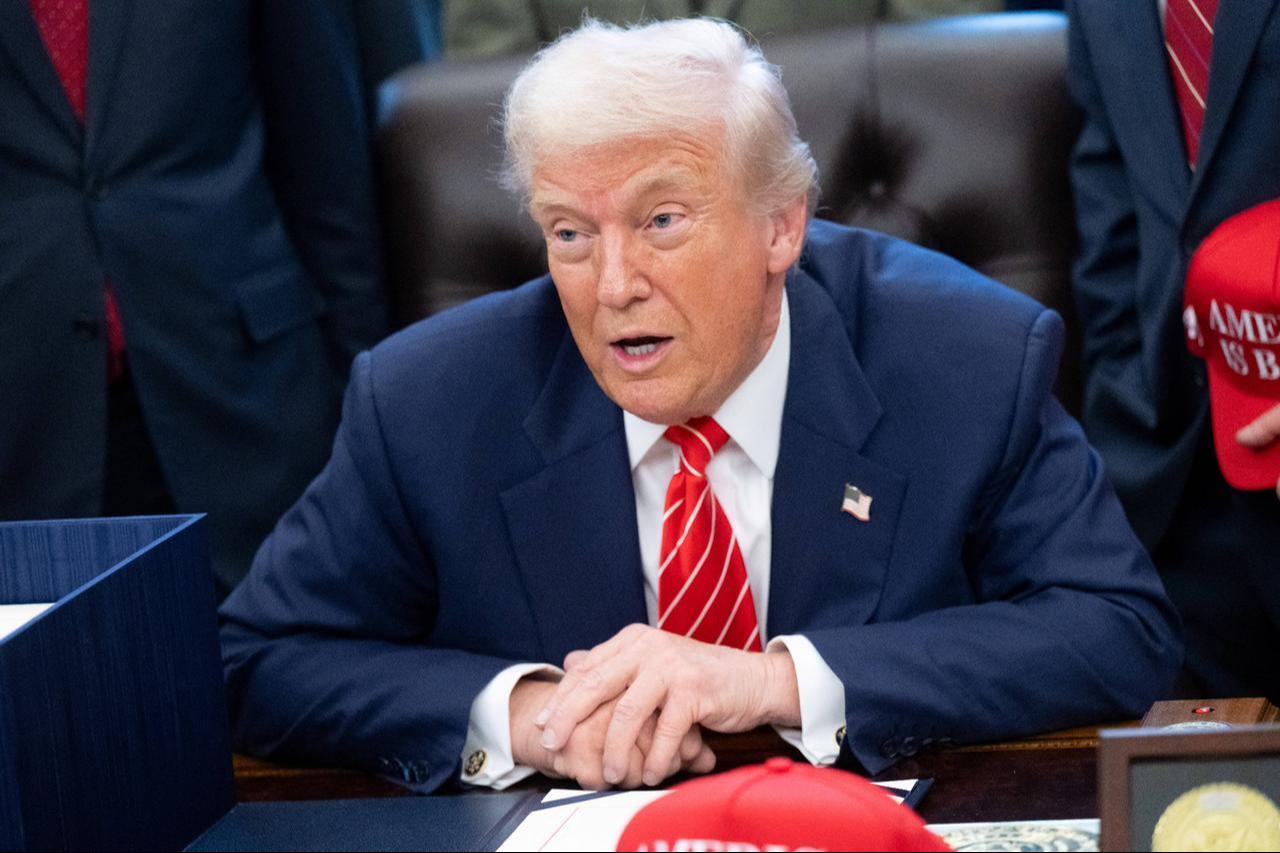
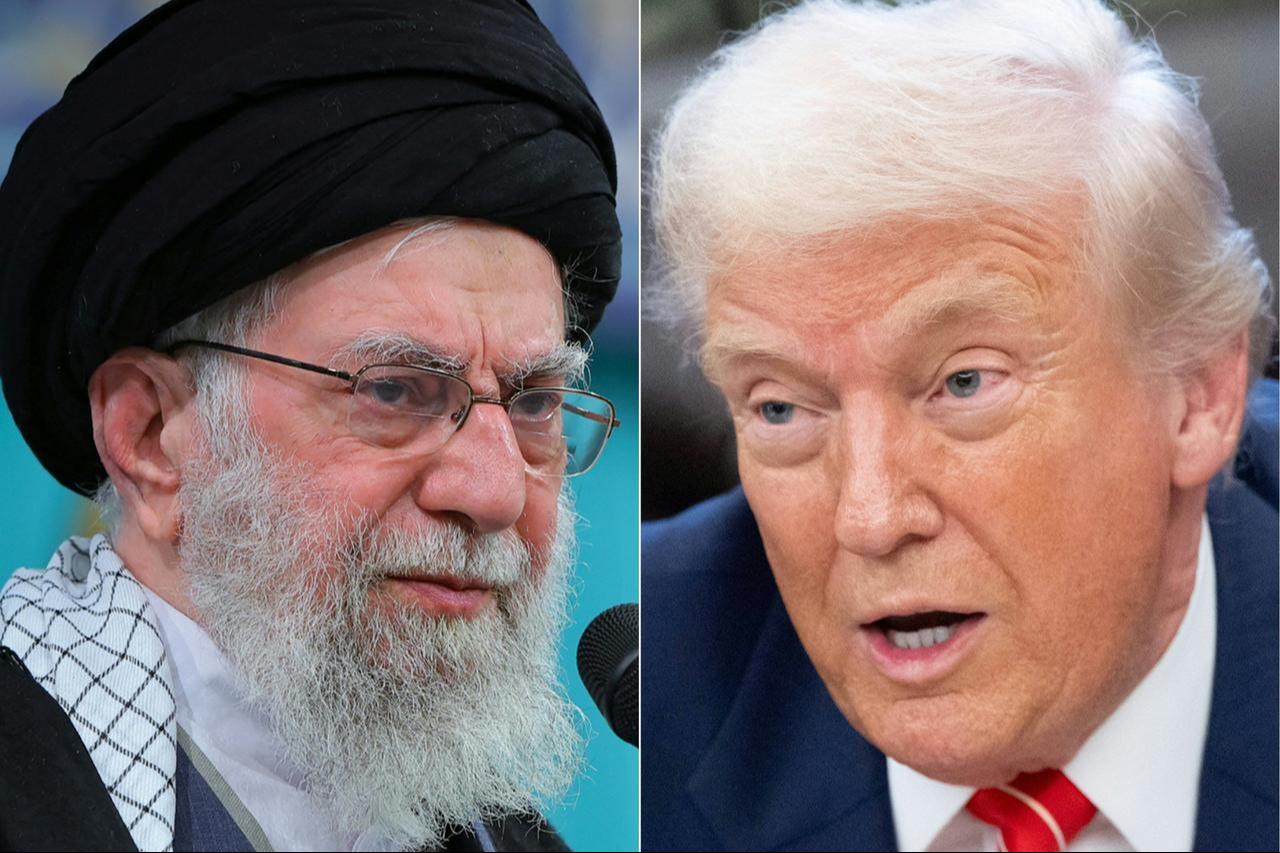
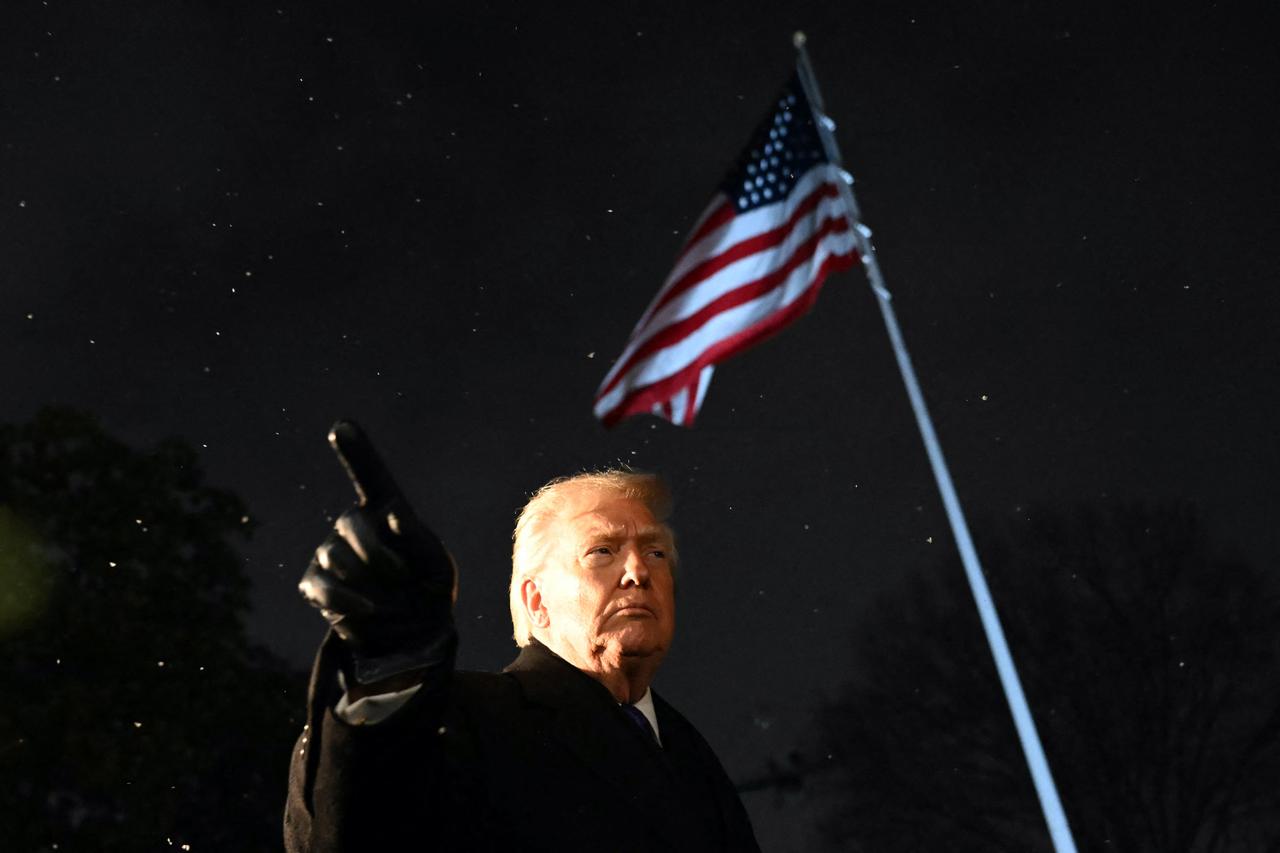
The negotiations took place during a period marked by threatening statements from U.S. President Donald Trump and an increase in Washington’s military presence in the Middle East.
Although Iranian officials have described the talks as progressing positively, perceptions of continued military tension have persisted.
This view was reinforced after U.S. Middle East Special Envoy Steve Witkoff and Trump’s son-in-law and former senior adviser Jared Kushner visited the USS Abraham Lincoln aircraft carrier following the negotiations.
The United States has also taken no steps to reduce its military buildup in the region.

Cevad Heyran Nia, director of the Persian Gulf and Neighboring Countries Studies Group at the Middle East Strategic Research Institute, said that despite the positive tone of the talks in Oman, the United States continues to maintain a military threat.
He said Trump is pursuing what he described as a “peace through force” strategy in an effort to extract concessions from Iran.
Heyran Nia pointed to the presence of U.S. Central Command Commander Adm. Brad Cooper at the negotiating table as an indication that the military option remains on the table if diplomacy fails.
“It is not possible to say that war is completely off the agenda. Tension may have been postponed for now, but it has not disappeared,” he said.
He added that if the negotiations fail, the United States may attempt to restrict Iran’s oil and petrochemical exports through a strategy resembling a maritime blockade.
Heyran Nia said statements by Trump and Iranian Foreign Minister Abbas Erakci indicate cautious optimism. While the likelihood of an agreement has increased after the first round of talks, he said it has not yet become certain.
According to Heyran Nia, both sides prefer to continue diplomacy due to the high costs a war would impose.
Heyran Nia said Iran would respond to a potential attack depending on its scale but warned that if an assault threatens the survival of the state, Iran could target U.S. bases in the region and Israel to create deterrence and pressure Washington and its allies.
He also said there are views suggesting the United States is using negotiations as a political gesture to convince anti-war factions, while Iran is tactically using the process to buy time. However, he said both sides are prioritizing diplomacy after calculating the costs of war.
From the U.S. perspective, he said a conflict could disrupt trade through the Strait of Hormuz, negatively affecting the global economy.
For Iran, he said the economic cost of war would be extremely high, especially following a 12-day conflict with Israel that seriously damaged the country’s economy and could further increase social unrest.
Heyran Nia also said Iran has not accepted zero enrichment or the removal of enriched uranium from the country, while the United States continues to insist on previously stated demands. Despite this, negotiations are continuing.
He added that Trump’s statements suggest that some economic incentives beyond nuclear issues may have been discussed, encouraging Washington to continue the talks.
Hamid Rushancheshm, a faculty member at Islamic Azad University in Tehran, said both sides view negotiations as part of efforts to reduce tensions but warned that alternative scenarios could emerge if talks fail.
“If the desired results are not achieved in the negotiations, a scenario in which the United States seeks to change Iran’s political and military structure through military attacks may come onto the agenda,” he said.
Rushancheshm added that the United States could also expand a military conflict, potentially causing clashes to spread across the region.
He said both Iran and the United States are trying to produce concrete results without crossing their red lines and are seeking ways to address long-standing historical issues.
Pointing to the high cost of war, Rushancheshm said these costs are pushing both sides toward diplomatic solutions. He added that, given Iran’s current internal and economic fluctuations, achieving the targeted outcomes will not be easy.
Rushancheshm also said the negotiations are still at an early stage and that a more accurate assessment would be possible as the process continues, provided no developments occur that could disrupt the talks.


 Set as preferred source
 Set as preferred source


 1 min read
 1 min read