Newsletters


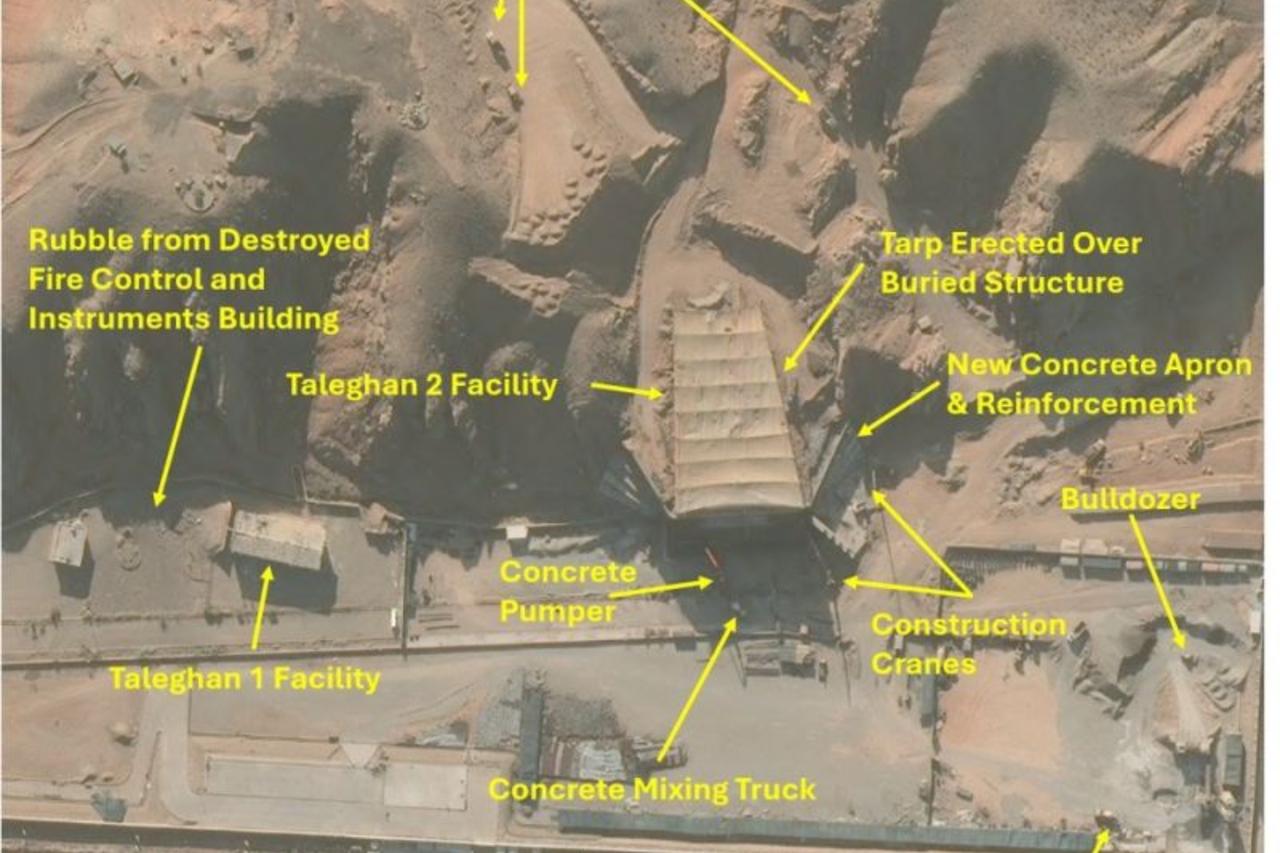


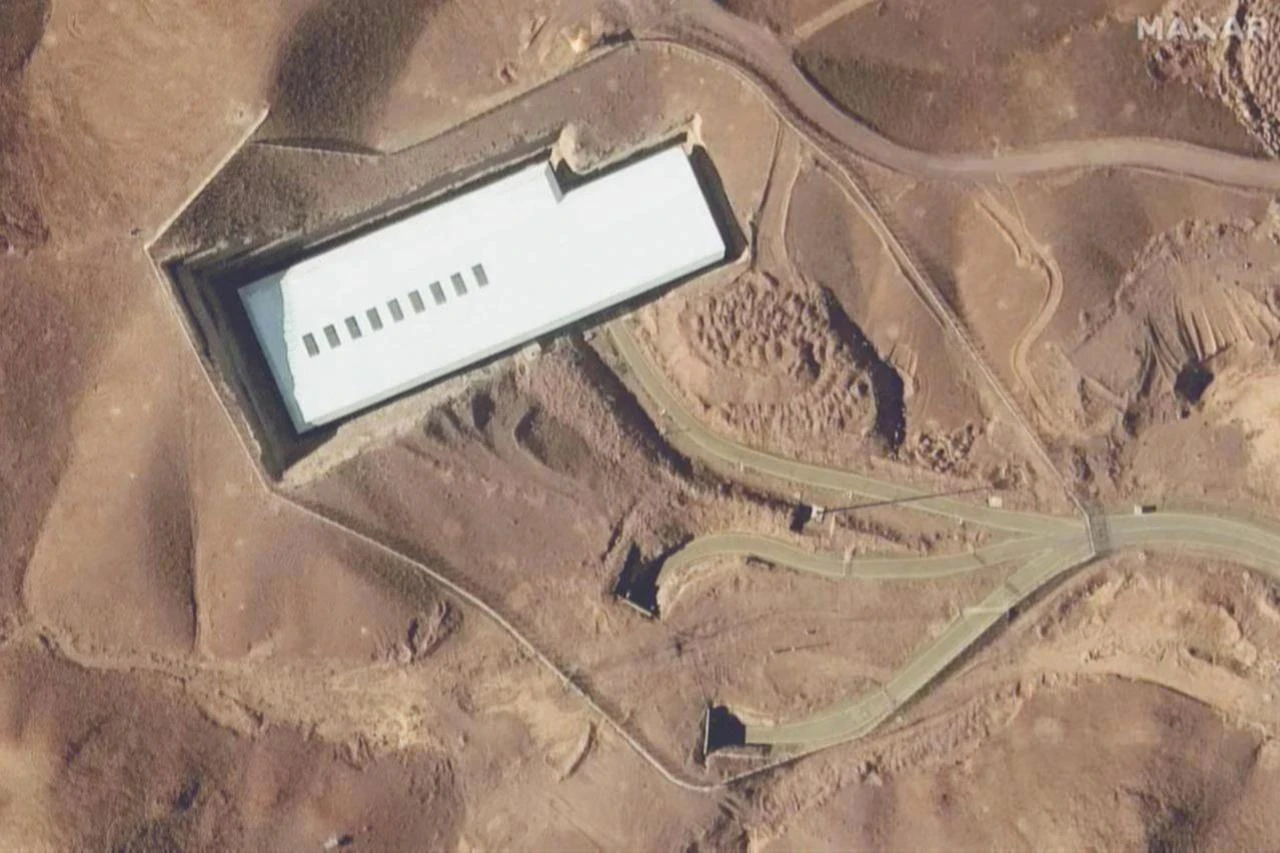
Iran is rapidly reconstructing the Taleghan 2 facility at the Parchin military complex, erecting a large tarp to hide the work from satellite and aerial observation, according to a new report from the Institute for Science and International Security (ISIS).
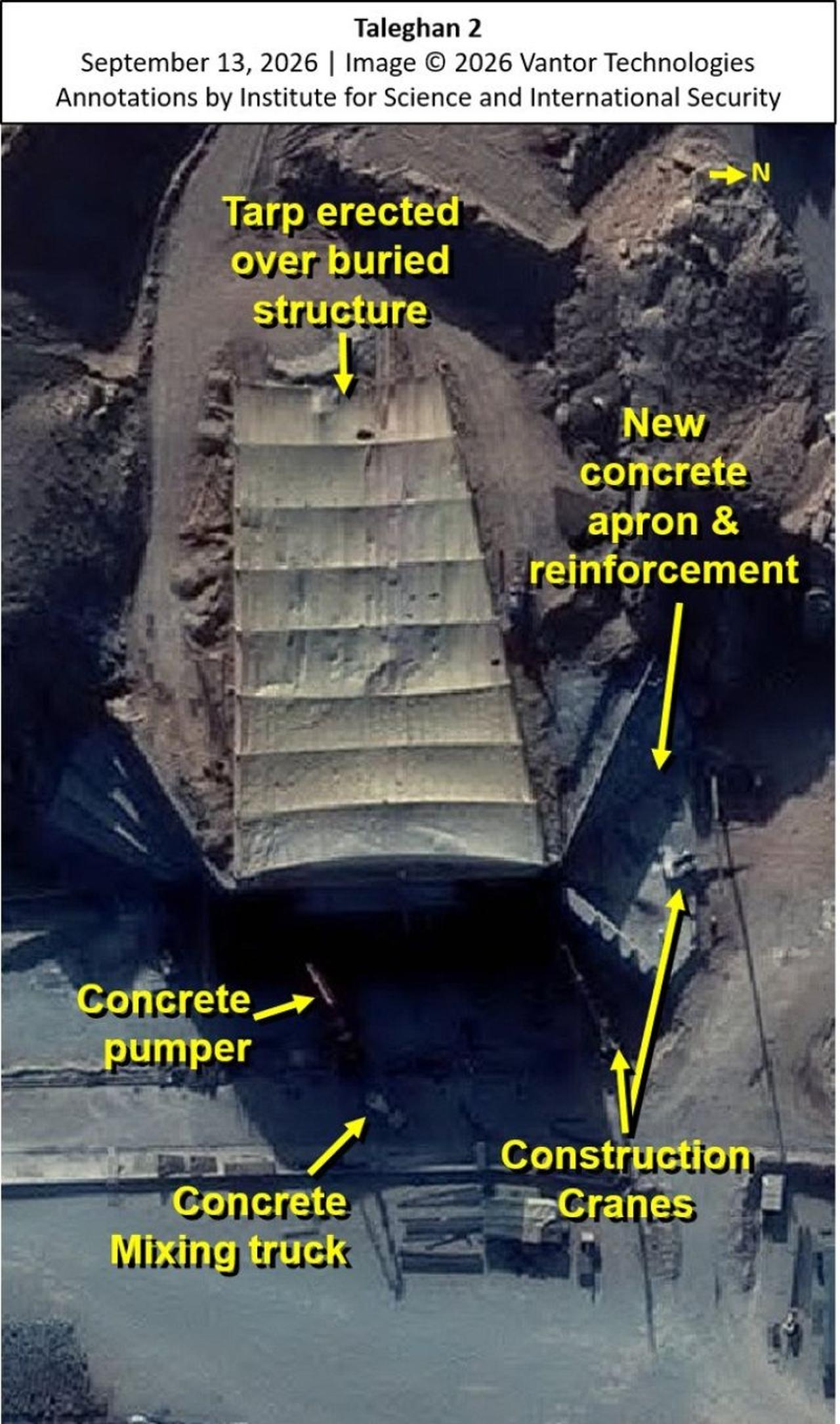
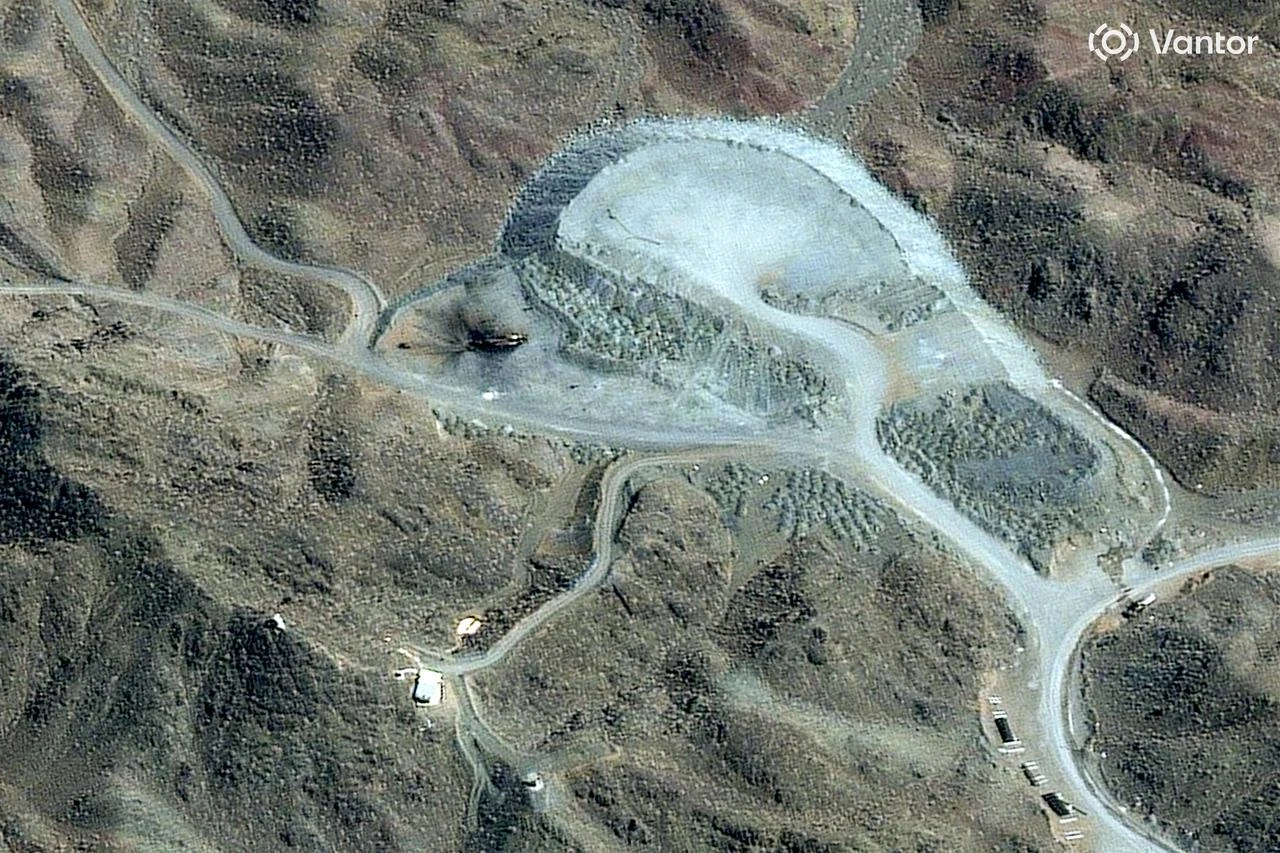
Satellite imagery from Vantor Technologies dated Sept. 13 shows Iran has covered the destroyed, hardened buried facility with a tarp, obscuring reconstruction activity taking place underneath.
"Significant activity can be seen throughout the construction site," the institute said, noting dump trucks, bulldozers, concrete pump trucks, concrete mixers and cranes actively working to rebuild the facility.
According to the institute, repair and rehabilitation work began in June 2026, starting with Iran capping penetration holes caused by multiple bunker-buster weapons with concrete.
Iran has since built new concrete apron reinforcement on the right side of the facility, while reinforcement on the left side, first noted in the institute's July 2026 update, now appears complete, providing additional protection against aerial attack.
Taleghan 2 has been struck twice: first in October 2024, then again in early March 2026 after Iran had rebuilt it as a hardened buried facility starting in May 2025.
The second attack involved multiple bunker-buster weapons that "blew out the internal structure" and caused surrounding structures to collapse.
During the facility's earlier reconstruction, the institute observed the installation of a cylindrical structure that may have been a high-explosive containment vessel, which it said was likely destroyed given the precision of the March strikes.
"Significant questions remain as to Iran's plans for the facility; not least is why Iran keeps rebuilding it," the institute said, calling continued reconstruction "a deeply concerning development considering the long history of nuclear weapons research and development activities that occurred there."

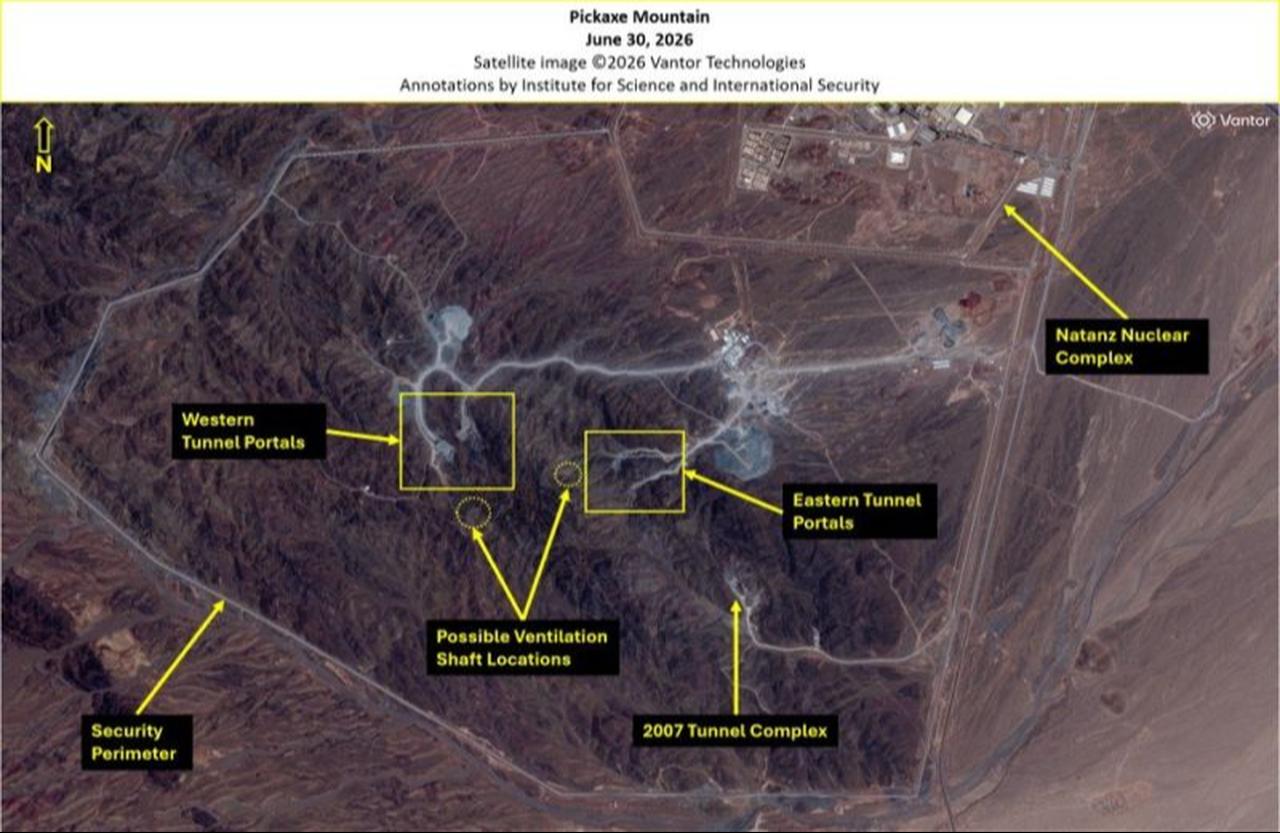
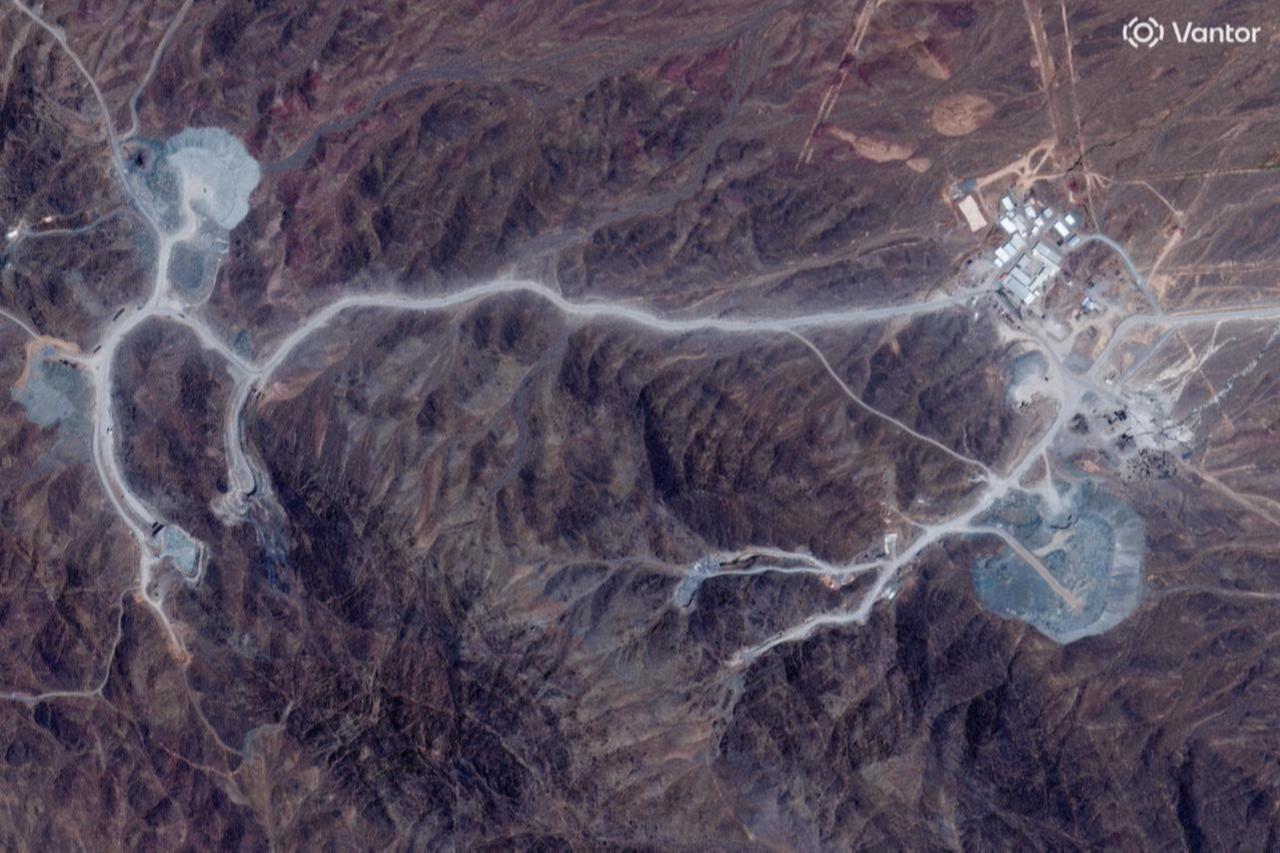
In a separate report the same day, the institute said satellite imagery from Sept. 11 shows Iran has added new soil coverage over tunnel entrances at Pickaxe Mountain, near the Natanz nuclear complex, a site U.S. President Trump has repeatedly threatened to strike.
The imagery showed earthen roadblocks remain in place on roads leading to the site's western tunnel portals, which the institute said reinforces its assessment that the facility is not currently in normal use, while valuable equipment or materials likely remain inside.
Additional soil was also identified over a nearby cluster of tunnel entrances first built in 2007, which the institute said increases protection against aerial bombardment.
Trump recently warned: "We notice there's a little activity at Pickaxe. I would advise Iran not to get cute because we will have to hit them very hard."
He has previously said the U.S. knows "exactly what's going on" at the site and could "take out Pickaxe" if diplomacy fails.
Trump said the U.S. "may hit Pickaxe very soon," while describing the broader conflict as "small potatoes" and a "military conflict" rather than a war.
"We're not fighting right now. There's no fighting," he said, claiming the U.S. had destroyed Iranian radar and aircraft protecting the Strait of Hormuz and had cleared mines from the waterway.
He also claimed back then that the U.S. had already achieved its main objective: "We've already won the big thing: there's not going to be a nuclear weapon."
Behnam Ben Taleblu, senior director of the Iran program at the Foundation for Defense of Democracies, told Fox News Digital that some analysts believe the window for a straightforward strike on Pickaxe Mountain may have already closed.
"The window to strike Pickaxe Mountain, according to some, has already expired because the regime has dug an underground nuclear facility several times deeper than Fordow," he said, though he argued Washington retains options to "bury their entrances and raise the political cost" of Iran digging them out.
"While there may not be the perfect munition just yet, Uncle Sam always has a bigger bomb," he added.
Iranian Foreign Ministry spokesman Esmail Baghaei has dismissed claims of nuclear activity at Pickaxe Mountain as "media hype," saying Iran has fulfilled its safeguards obligations to the International Atomic Energy Agency (IAEA).
The satellite findings came alongside a separate confrontation at the U.N. Security Council, where Russia and China vetoed a U.S.-drafted resolution that would have extended until September 2027 the mandate of the panel of experts supporting the 1737 Iran Sanctions Committee.
The measure received 11 votes in favor, with Pakistan and Somalia abstaining.
The panel investigates alleged sanctions violations and reports on implementation; the veto reflects a deeper dispute over whether U.N. sanctions suspended under the 2015 nuclear deal were legally restored through the "snapback" mechanism, with Russia and China rejecting the legal validity of that process.
U.S. Ambassador to the UN Mike Waltz said a day before the vote that Washington considers the sanctions legally restored, stating, "The snapback sanctions… occurred, the United States and this U.N. Security Council followed appropriate procedures for that to occur."
"Those sanctions are in place and we expect those who are a party to fully enforce those sanctions," he said, adding that the expert panel remains important because sanctioned individuals and companies can attempt to evade restrictions by altering names or corporate structures.
"The president has been clear, and the world community has been clear with resolution after resolution, that the Iranian regime cannot have a nuclear weapon," Waltz said.


 Set as preferred source
 Set as preferred source


 2 min read
 1 min read