Newsletters


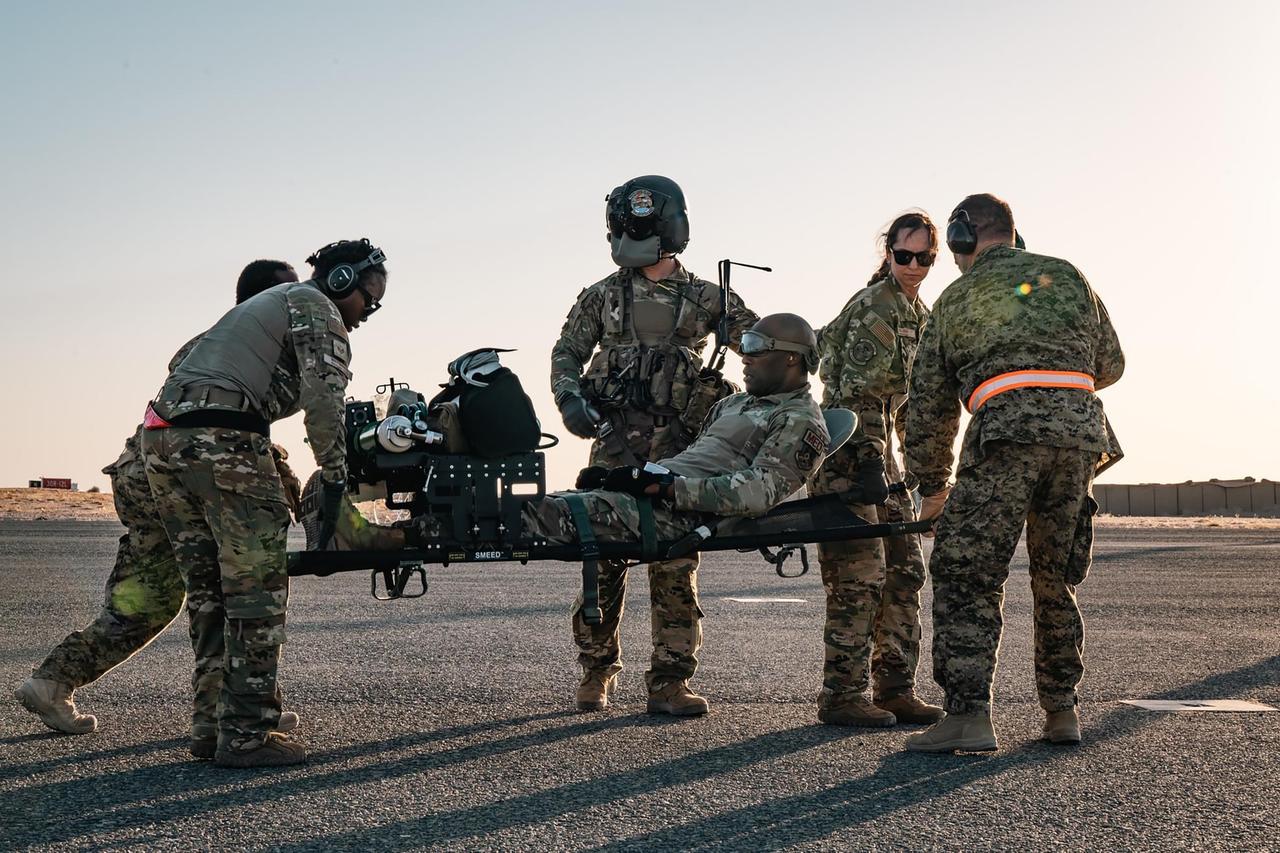


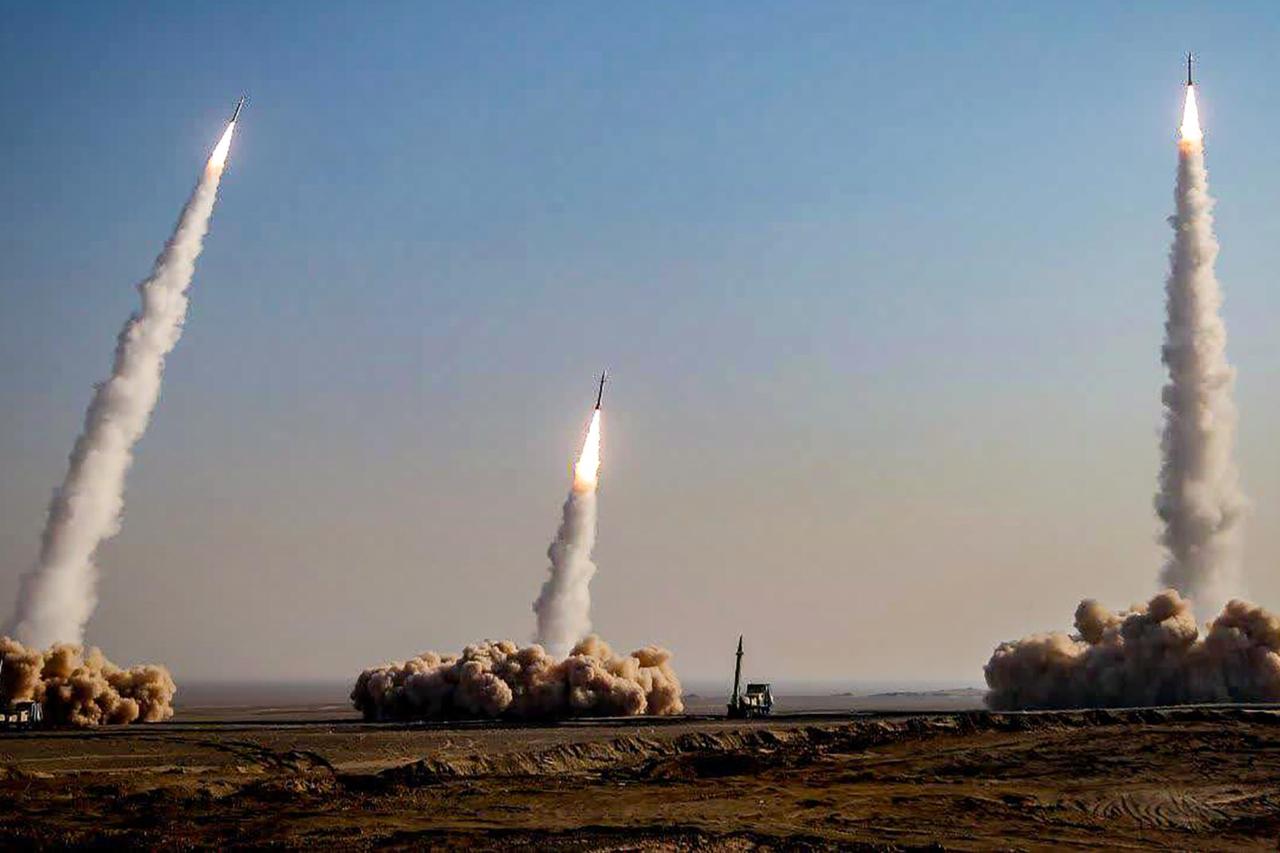
A Fateh-110 ballistic missile fired by Iran toward a Kuwaiti air base hosting American forces was intercepted by Kuwait's air defenses on May 28, but falling debris tore through the flight line at Ali Al Salem air base.
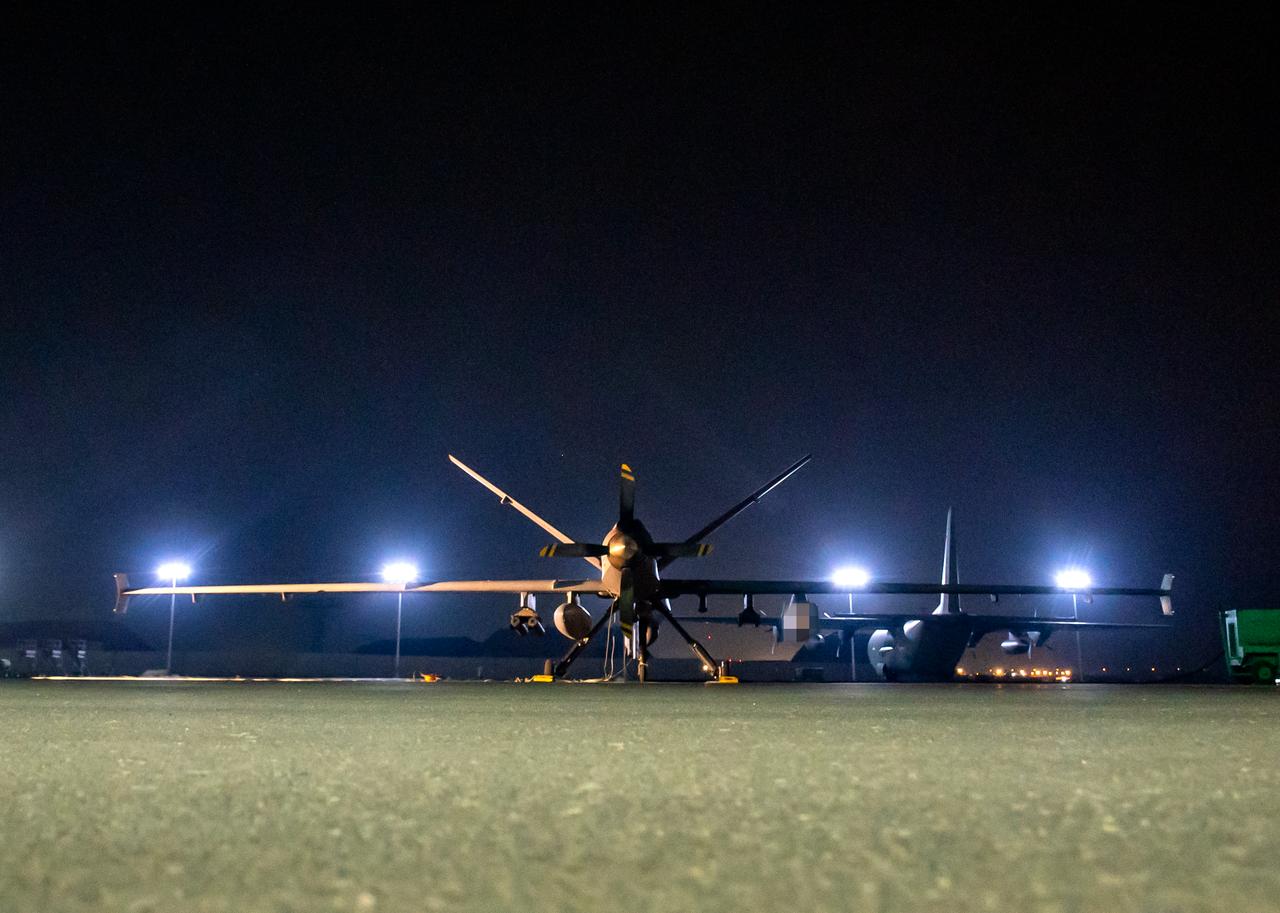
The strike injured roughly five Americans and destroyed at least one MQ-9 Reaper strike drone, according to a person with direct knowledge of the strike speaking to Bloomberg, who requested anonymity to discuss details not yet made public.
The attack landed in the same window that U.S. and Iranian negotiators were working toward a deal to formally extend an already fragile ceasefire.
"President Donald Trump held a roughly two-hour meeting in the White House Situation Room that ended without any announcement," a White House official said, also speaking to Bloomberg on condition of anonymity.
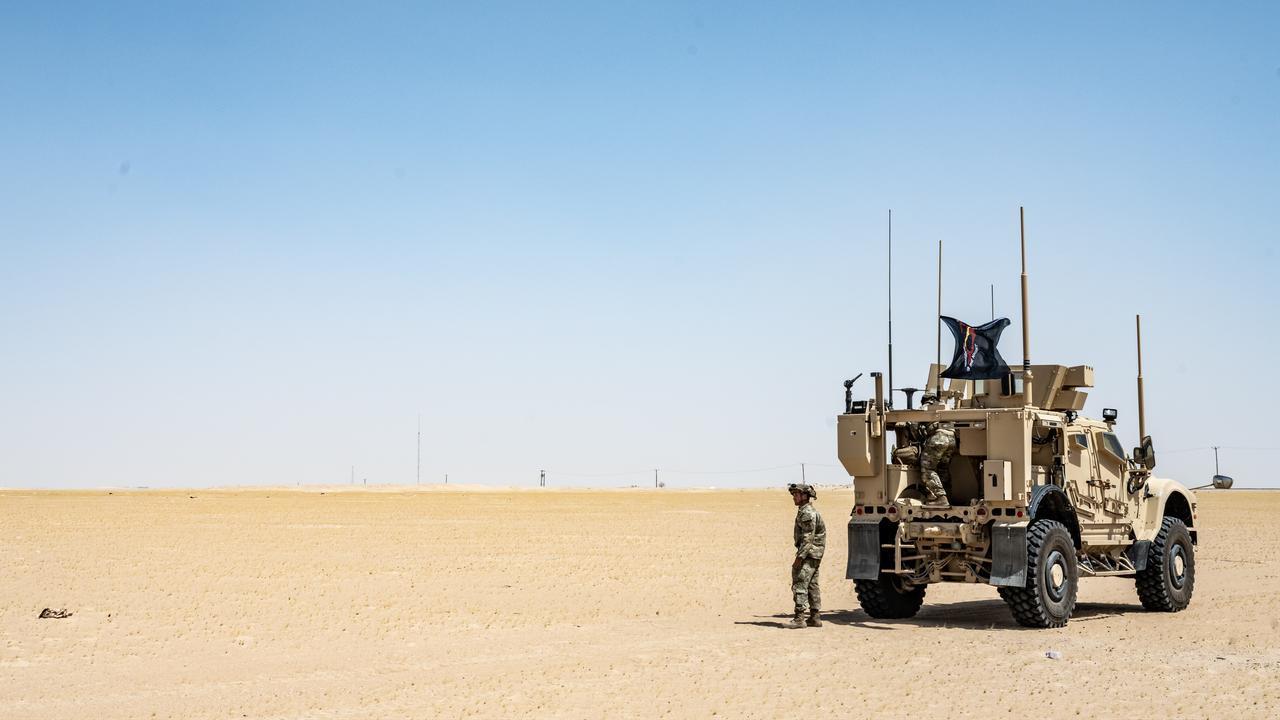

The injured included both active-duty military personnel and contractors, all suffering what were described as minor injuries, according to the report.
One Reaper was destroyed outright, and at least a second sustained serious damage. At approximately $30 million per aircraft, the loss carries a significant material cost on top of the human toll.
Iran's Fateh-110 carries a 500-kilogram warhead and is classified as a short-range ballistic missile, according to the Center for Strategic and International Studies (CSIS).
It is far from the first such weapon Tehran has aimed at the region since launching its missile and drone campaign on Feb. 28: Iran has now fired more than 1,850 ballistic missiles at targets across the region since the war began.
The broader attrition is registering in Washington's own arsenal. The campaign has run down stockpiles of JASSM-ER and Tomahawk cruise missiles, along with air-defense interceptors, including THAAD, Patriot PAC-3, and SM-3 Block IIA.
The latest Department of Defense casualty report for Operation Epic Fury, the Pentagon's designation for the Iran campaign, lists 14 American deaths and 409 injuries to date.
Kuwait's response was sharply worded. The Foreign Ministry, in a statement carried by state news agency KUNA, described the missile and drone attacks as a dangerous escalation and a "flagrant violation" of the country's sovereignty and security, holding Iran fully responsible and reserving Kuwait's right to take "all necessary measures to preserve its security and defend its territory."
Kuwaiti authorities demanded that Tehran immediately and unconditionally halt what they called "aggressive attacks."
Earlier that day, U.S. forces shot down five Iranian one-way attack drones that posed a threat near the Strait of Hormuz and struck an Iranian ground control station in Bandar Abbas that was preparing to launch a sixth, U.S. Central Command (CENTCOM) said in a post on X.
CENTCOM called Iran's subsequent missile attack "an egregious ceasefire violation," noting it occurred hours after those drone interceptions.
U.S. officials described their earlier drone interceptions and Bandar Abbas strike as "measured, purely defensive, and intended to maintain the ceasefire."
Iran saw it differently, condemning the Bandar Abbas strike as a violation of the ceasefire and framing its Kuwait missile attack as lawful retaliation.
"This response is a serious warning so that the enemy knows that aggression will not go unanswered, and if repeated, our response will be more decisive," the IRGC said, according to Tasnim News Agency.
The competing claims reflect how thoroughly the ceasefire, brokered by Pakistan and in effect since April 8, has frayed. Both sides have continued to strike at each other throughout the ceasefire, even as diplomats press for a formal agreement.
Trump posted on social media Friday that he was ready to make a "final determination" on a preliminary accord. The Situation Room session that followed produced no announcement.
A deal remained unsigned as of publication.


 Set as preferred source
 Set as preferred source


 1 min read
 1 min read