Newsletters


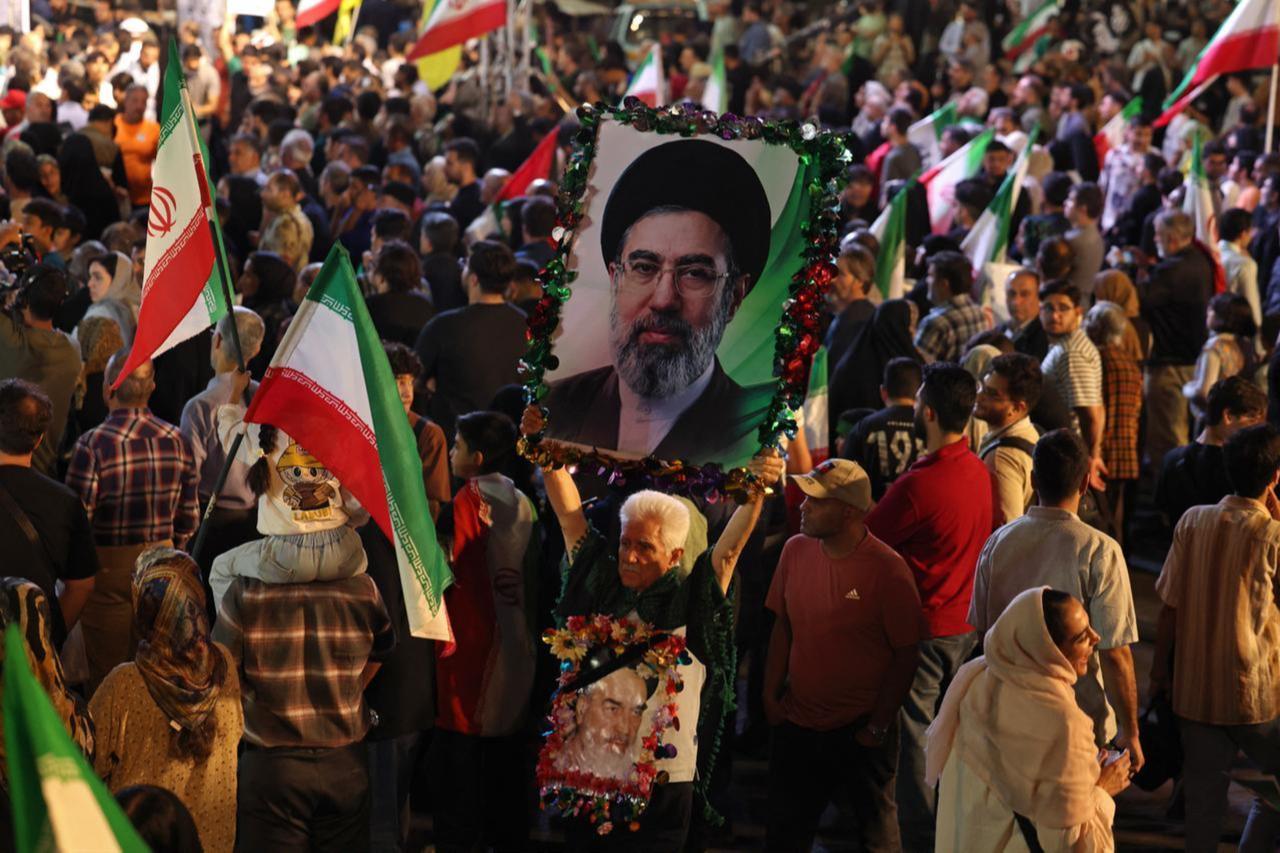


Iranians greeted the partial lifting of an almost three-month internet blackout this week with more bitterness than relief, saying that even a fully restored connection would merely return them to a digital life they never considered free.
Iranian authorities began lifting the shutdown on Tuesday, nearly 88 days after it was imposed on February 28, the first day of the US-Israeli war against the Islamic republic.
Users across the country confirmed broadband and home wifi connections had resumed, but mobile internet remained largely cut off, scores of websites stayed filtered, and messaging applications continued to be difficult or impossible to reach.
Netblocks, an internet monitoring organization that had described the blackout as the longest nationwide internet shutdown in modern history, warned that service remained heavily filtered, with new restrictions on messaging platforms and app stores that did not exist before January.
Doug Madory, head of internet analysis at US network monitoring firm Kentik, said that after 24 hours, traffic had peaked at only 41 percent of pre-January 8 levels, itself below the partial restoration that had been in place between January 27 and February 28.
UK-based freedom of expression monitor Article 19 noted conflicting reports about the true extent of restored access, with some estimates putting connectivity as low as 39 percent, and said many Iranians, including those running online businesses, were reporting slow speeds and continued inability to reach social media.
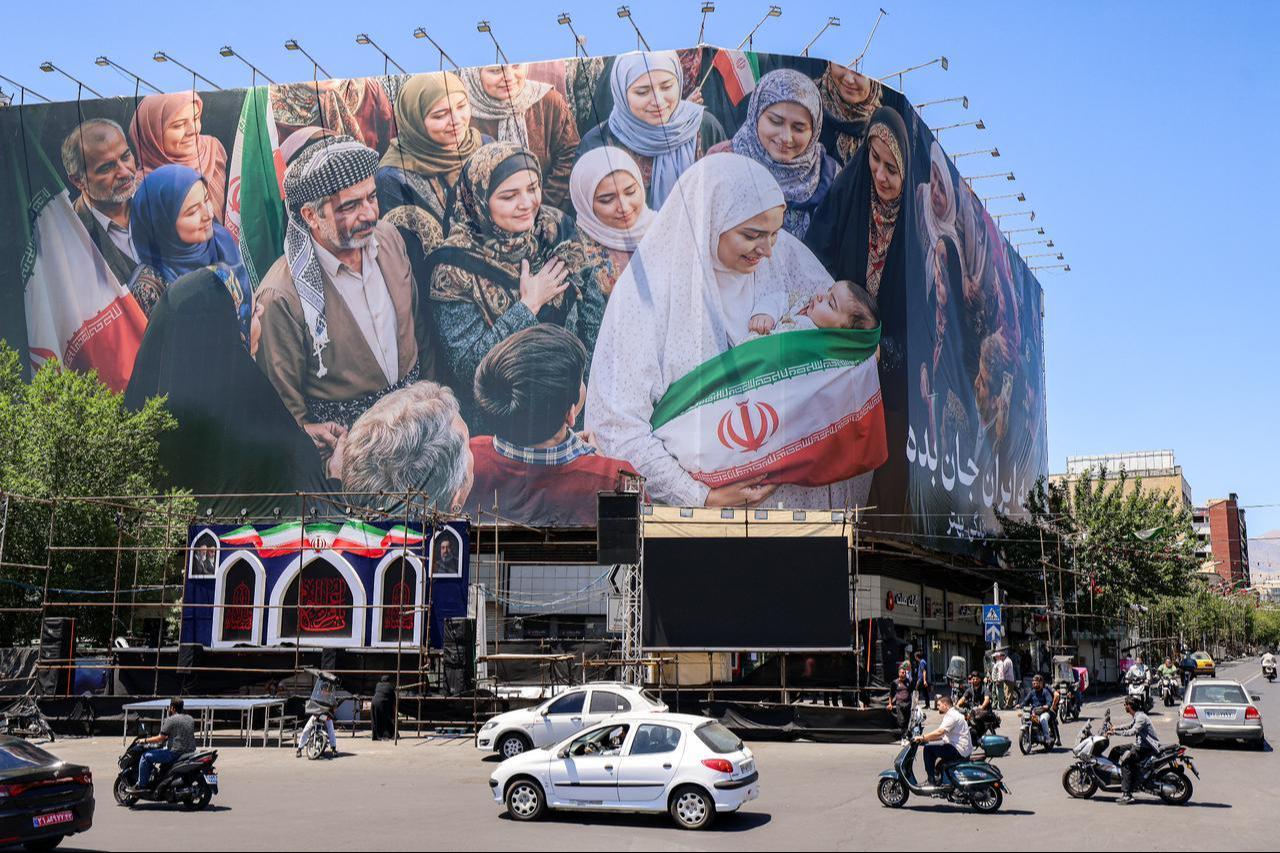

For many Iranians, the frustration ran deeper than technical glitches. Bahareh, a 32-year-old nutritionist in Tehran, described a feeling that fell well short of relief. "It is not happiness or joy. I feel that it was just a switch from worse to bad," she said, adding that free internet had not existed in Iran even before the blackout.
She recalled the constant burden of navigating VPN software, paying for access, contending with slow speeds, sanctions, filtering, and blocked sites, calling it an unrelenting set of obstacles.
Mahtab, a 62-year-old hairdresser in Tehran, said she had bought a VPN specifically to reach WhatsApp and stay in contact with her daughter living abroad, but still could not get a connection.
Shiva, 65, also from Tehran, said her Android phone could not open the Google Play Store even with a VPN installed, while her son's iPhone could access the App Store, though some applications remained blocked for him as well.
The demand for circumvention tools surged immediately. Proton VPN reported a 6,000 percent increase in Iranian signups over its baseline, saying the government's loosening of restrictions had triggered an overwhelming rush for secure and uncensored access.
Iran has a long history of internet shutdowns used to suppress dissent. Authorities imposed nationwide blackouts during protests in 2019 and 2022, and the country has maintained one of the world's most extensive domestic filtering systems for years, blocking most major social media platforms and international news sites and pushing millions of users onto VPN services as a matter of daily routine.
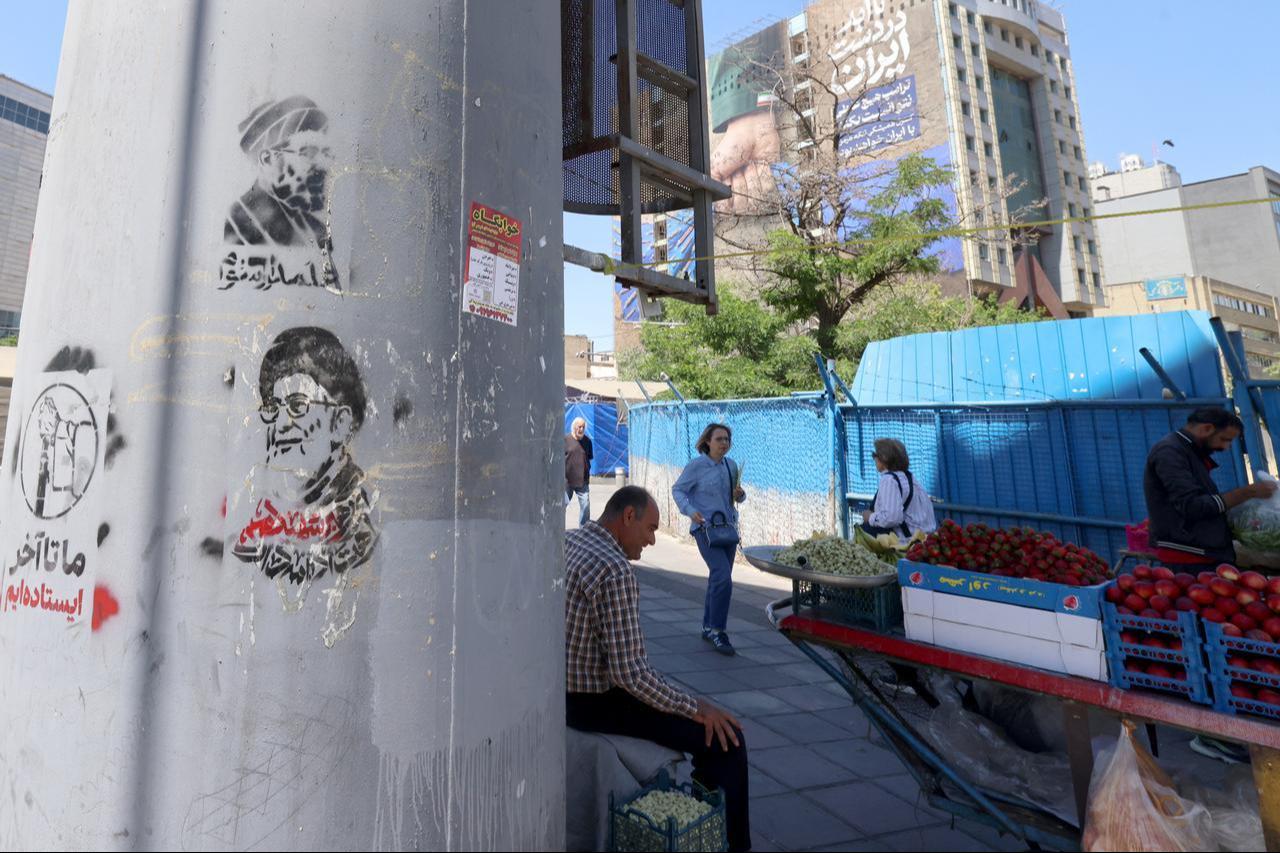
Critics were quick to reject any framing of restored connectivity as a concession from the state. Prominent Iranian rapper Toomaj, who was sentenced to death in 2024 after expressing support for the 2022 protest movement before being released, wrote on X that internet access "is not a favour to us, it is our right.
And without filters as well." He placed it alongside free elections, freedom of expression, freedom of assembly, and freedom of political parties as fundamental rights rather than gifts to be granted or withdrawn.
Journalist Elaheh Mohammadi struck a similarly bleak tone. "One by one, we're connecting back to the net of the previous situation," she wrote on X, suggesting that restoration meant a return not to normalcy but to a pre-existing state of restriction. Mohammadi, who was arrested for her coverage of the 2022 death of Mahsa Amini in morality police custody, a case that ignited mass protests across Iran, added that the life Iranians were being returned to was not the one they deserved.
 1 min read
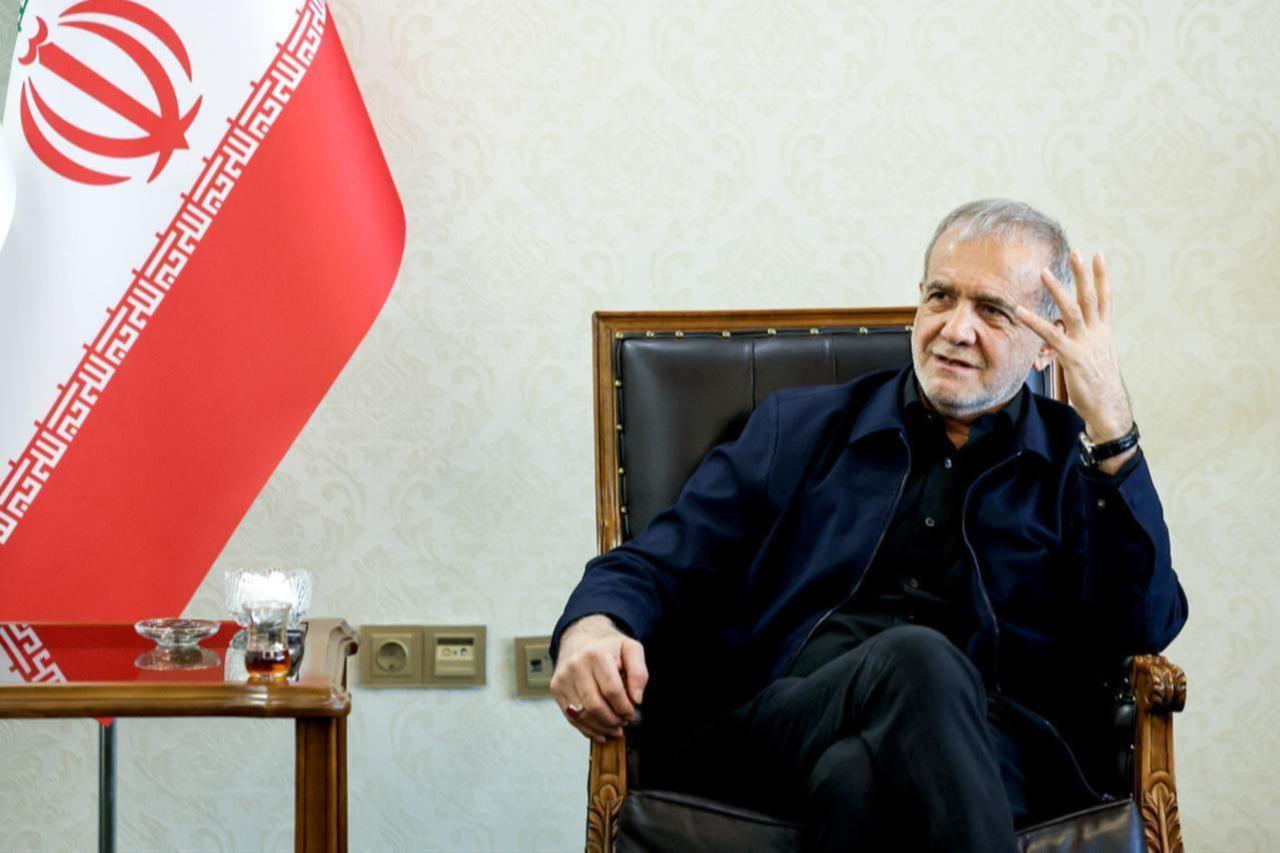
The legal ground beneath the restoration remained unstable. The decision to lift the blackout followed a vote by a cyberspace body established by President Masoud Pezeshkian to return international internet access to its pre-January status. But state media reported that an administrative court had temporarily suspended the order establishing that body, raising questions about whether the restoration could be reversed or challenged further.
For ordinary Iranians already exhausted by months of isolation, the uncertainty only deepened a sense that internet access, like so many other basic freedoms, remained subject to the state's discretion rather than any guaranteed right.


 Set as preferred source
 Set as preferred source


 1 min read