Newsletters


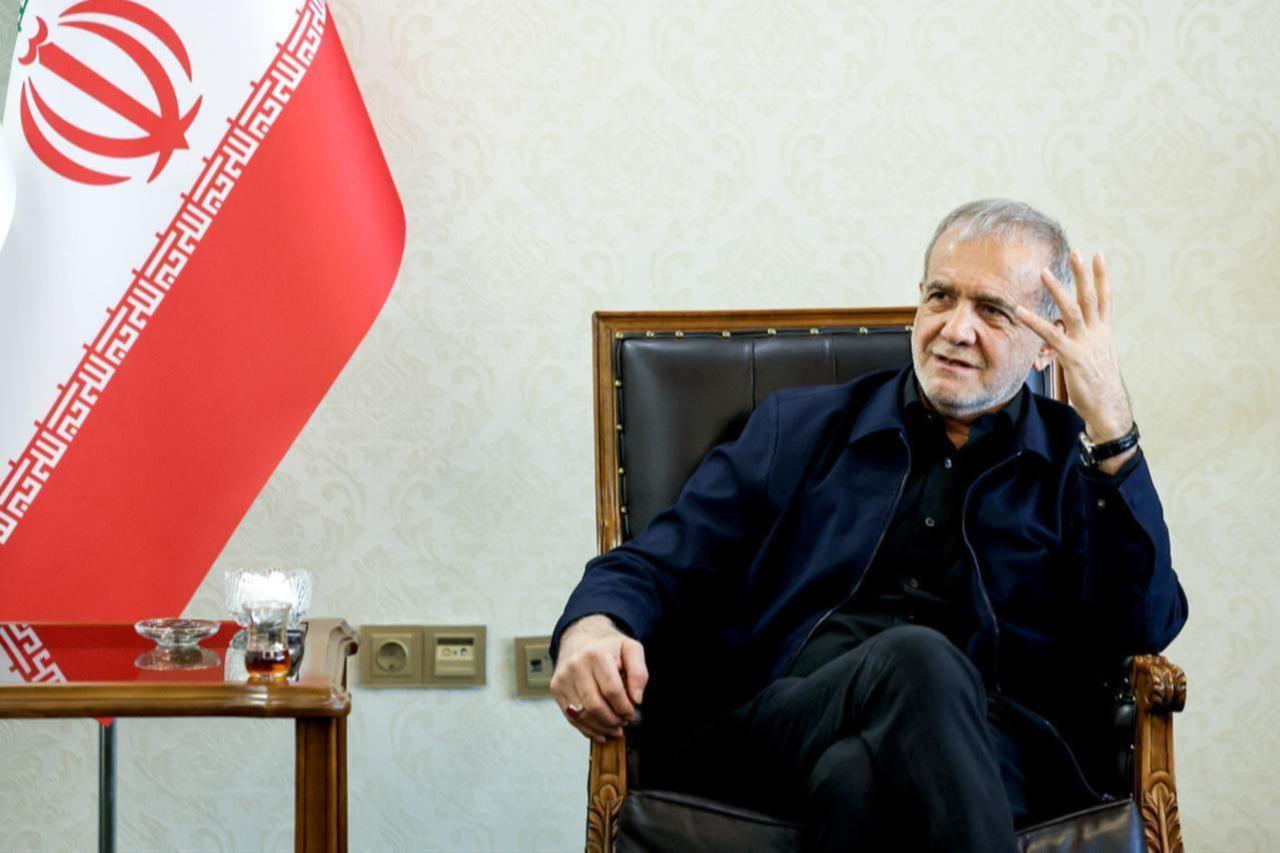


Iranian President Masoud Pezeshkian on Monday ordered the Ministry of Communications to restore international internet access to its pre-January status, his spokesman said, as the country entered its 87th consecutive day of a near-total digital blackout, one of the longest in the country's history. ICT Minister Sattar Hashemi confirmed the process had begun, though the timeline and mechanics of a full reconnection remained unclear.
The semi-official news agency ISNA reported that the restoration is expected to take effect on Tuesday. Internet monitoring group NetBlocks said most Iranians have been cut off from the worldwide web since late February, with only those able to afford expensive, advanced VPNs managing to circumvent the restrictions.
Pezeshkian's order followed the fourth meeting of the Special Task Force on Cyberspace Management, which ended with nine votes in favor of reconnecting Iran to the global internet and three against. Despite that majority, the decision immediately ran into institutional resistance.
IRGC-affiliated Fars News questioned the administration's legal authority to issue the order, arguing that because the Supreme National Security Council had originally imposed the restrictions, only that body could reverse them.
The position underscored the fragmented lines of authority over Iran's internet infrastructure, where security institutions have long held significant sway over civilian communications policy.
Among the most vocal opponents inside the task force were Peyman Jebelli, head of Iran's state broadcaster, and Mohammad-Amin Aghamiri, secretary of the Supreme Council of Cyberspace, who reportedly remained firmly opposed to restoring access until the end of the meeting. Aghamiri's position was described as particularly notable given that the secretary of the Supreme Council of Cyberspace is a presidential appointment.
Although Aghamiri was first named to the post under the previous administration, Pezeshkian chose to retain him, making his public opposition to the president's stated priorities a pointed complication for the government.

Iran's internet landscape was already among the most restricted in the world before the current blackout began.
Authorities routinely block social media platforms and news sites, and have been steadily expanding a domestic intranet, known as the National Information Network, to deliver connected services, including online school curricula, without dependence on the global web.
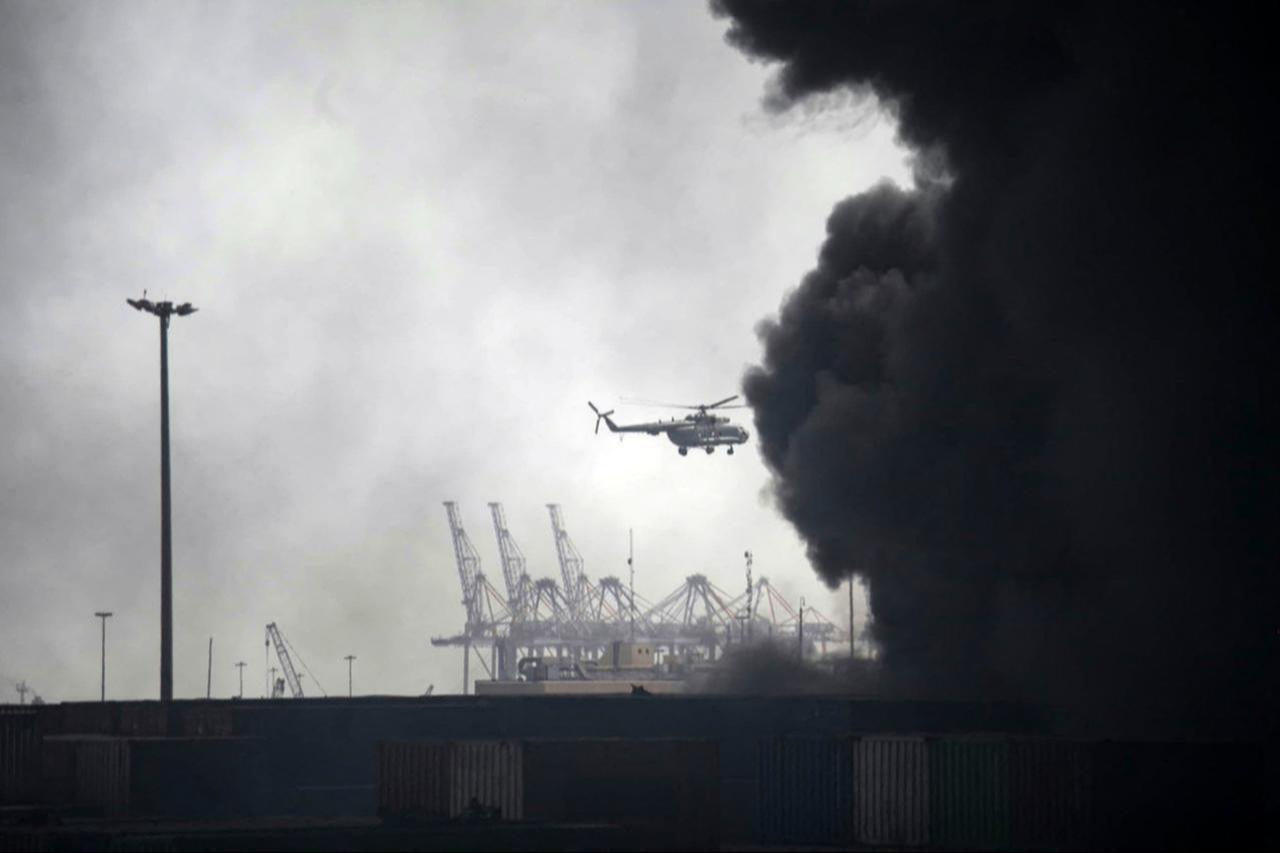
Authorities first imposed a blackout on January 8 in response to nationwide anti-government protests. Connectivity gradually returned in February before a new, more extensive disruption was triggered on Feb. 28 following the start of U.S. and Israeli strikes against Iran. The economic toll has been severe.
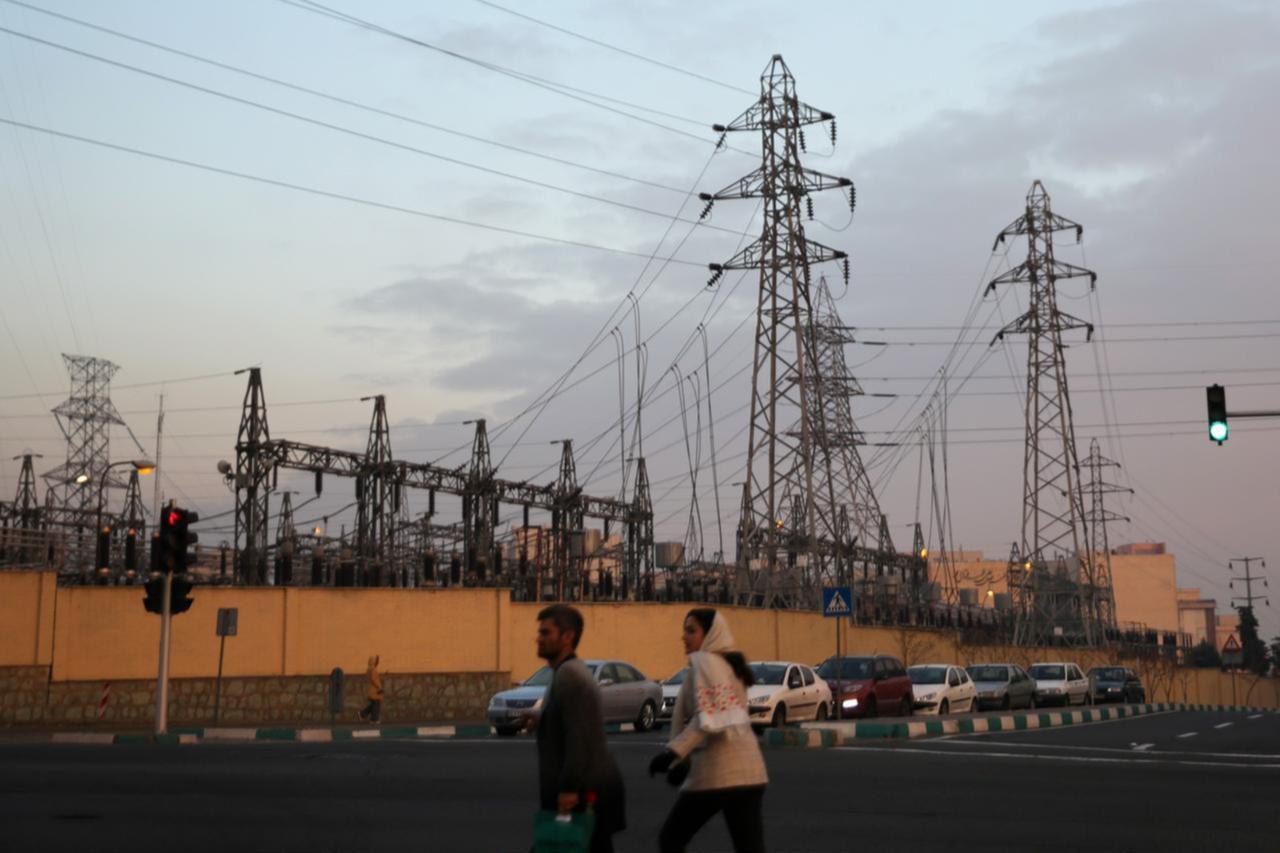
Iran's communications minister had previously acknowledged the shutdown was costing the economy tens of millions of dollars a day, and Iran's central bank governor had reportedly urged Pezeshkian to restore access as part of broader emergency economic stabilization measures.
During his 2024 presidential campaign, Pezeshkian repeatedly promised to ease internet filtering and expand Iranians' access to the global web, making connectivity a visible part of his reform-minded platform. On Monday, his spokesman confirmed he still regards restoring internet access as one of his personal concerns.
But the president finds himself navigating competing power centers. The task force's split vote, combined with the open defiance of officials he himself retained or appointed, reflects the broader constraints that have limited Pezeshkian's room to maneuver on politically sensitive security questions since taking office.
Whether Tuesday's expected implementation materializes, and holds, remained an open question as of Monday evening.


 Set as preferred source
 Set as preferred source


 1 min read

 1 min read