Newsletters


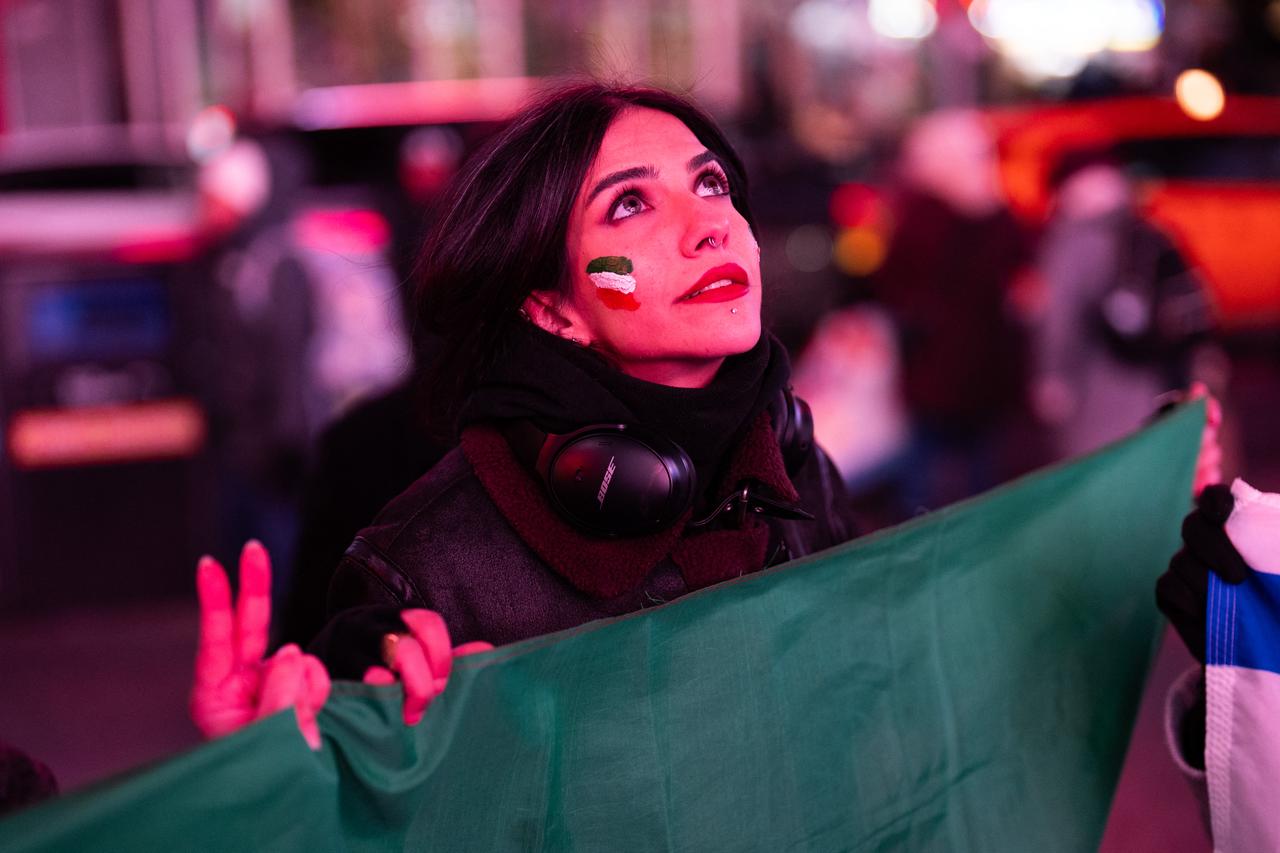


Iranians have been living on edge since late February 2026, after Israeli and US strikes on Feb. 28 under operations described as “Lion’s Roar” and “Epic Fury” shook cities, including Tehran, and triggered a rapid shift from anxious normalcy to tense waiting.
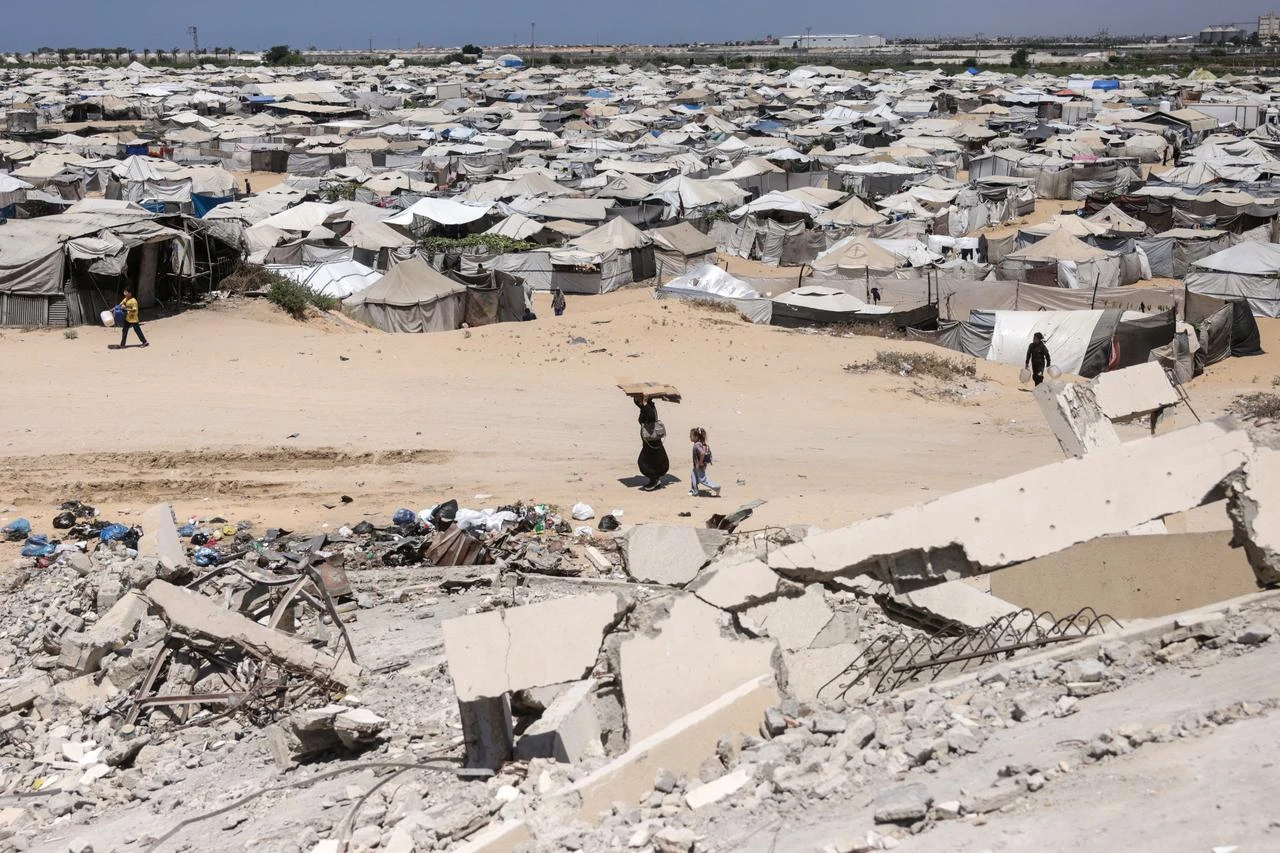
As explosions hit the capital and other locations, civilians were described as panicking, rushing home, and pulling children out of schools, while families began stocking up on essentials in case the violence spread or basic services broke down.
Even as fear has seeped into routine, accounts gathered across Tehran and Iran’s diaspora suggest people are also falling back on familiar coping habits: keeping cafes open, sticking with school and work when possible, checking on relatives again and again, and leaning on gallows humor online to take the edge off.
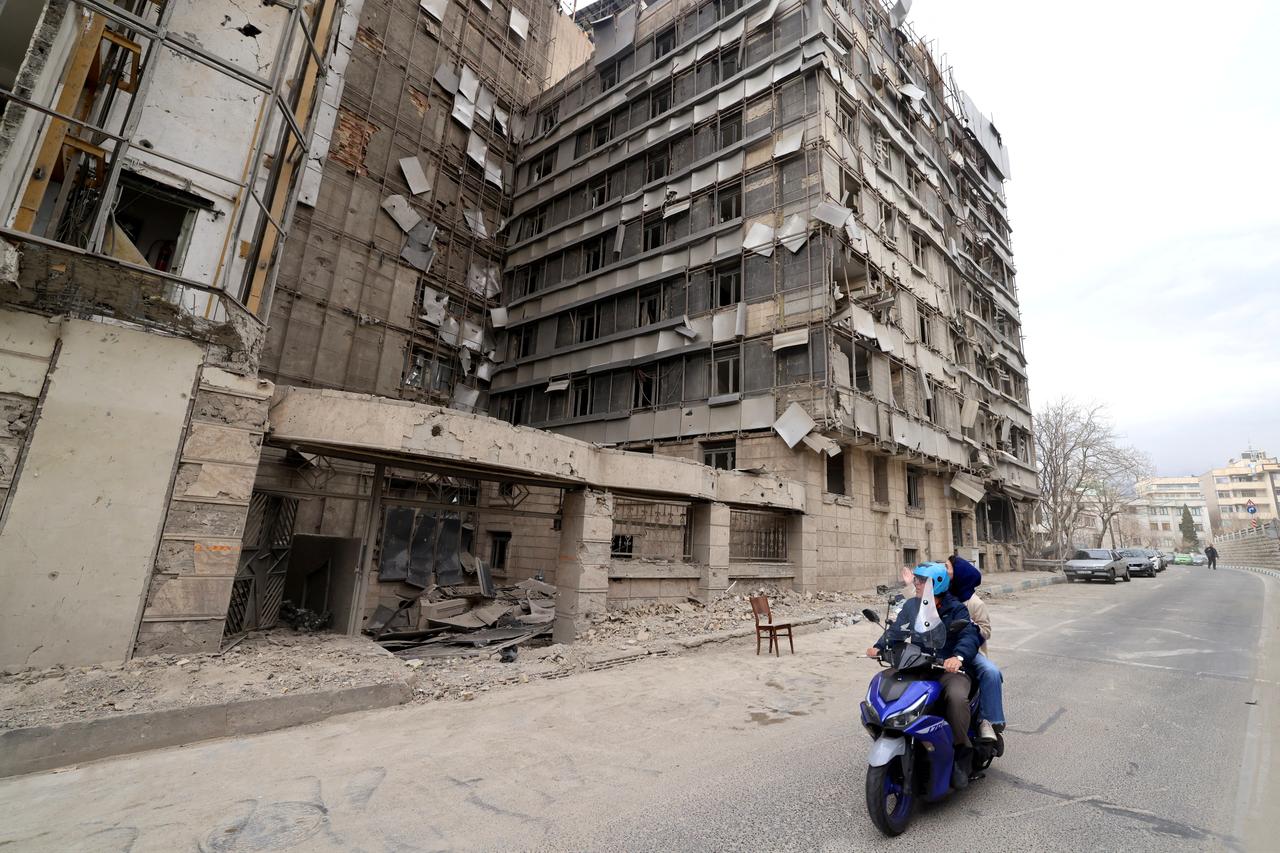

The early hours of Feb. 28 marked a sudden break in the rhythm of daily life. Reuters reported that multiple Iranian locations were hit, with claims and counterclaims quickly competing for attention.
NPR’s on-the-ground descriptions focused less on military detail and more on the civilian mood: panic, hurried phone calls, and a scramble to get children and elderly relatives into safer places.
As the first day unfolded, many families began stockpiling essentials. One Iranian account carried by NPR said people had been bracing for escalation and had already been saving fuel and storing food, suggesting that preparedness had become part of everyday planning rather than an emergency measure.
By early March, casualty figures were still contested across sources. AP relayed Iranian state media claims that included a report of 165 children killed at a school in Minab, while other accounts cited different numbers. Separately, the broader toll was described as exceeding 750 dead, with thousands injured, underscoring both the scale of loss and the difficulty of confirming details in real time.
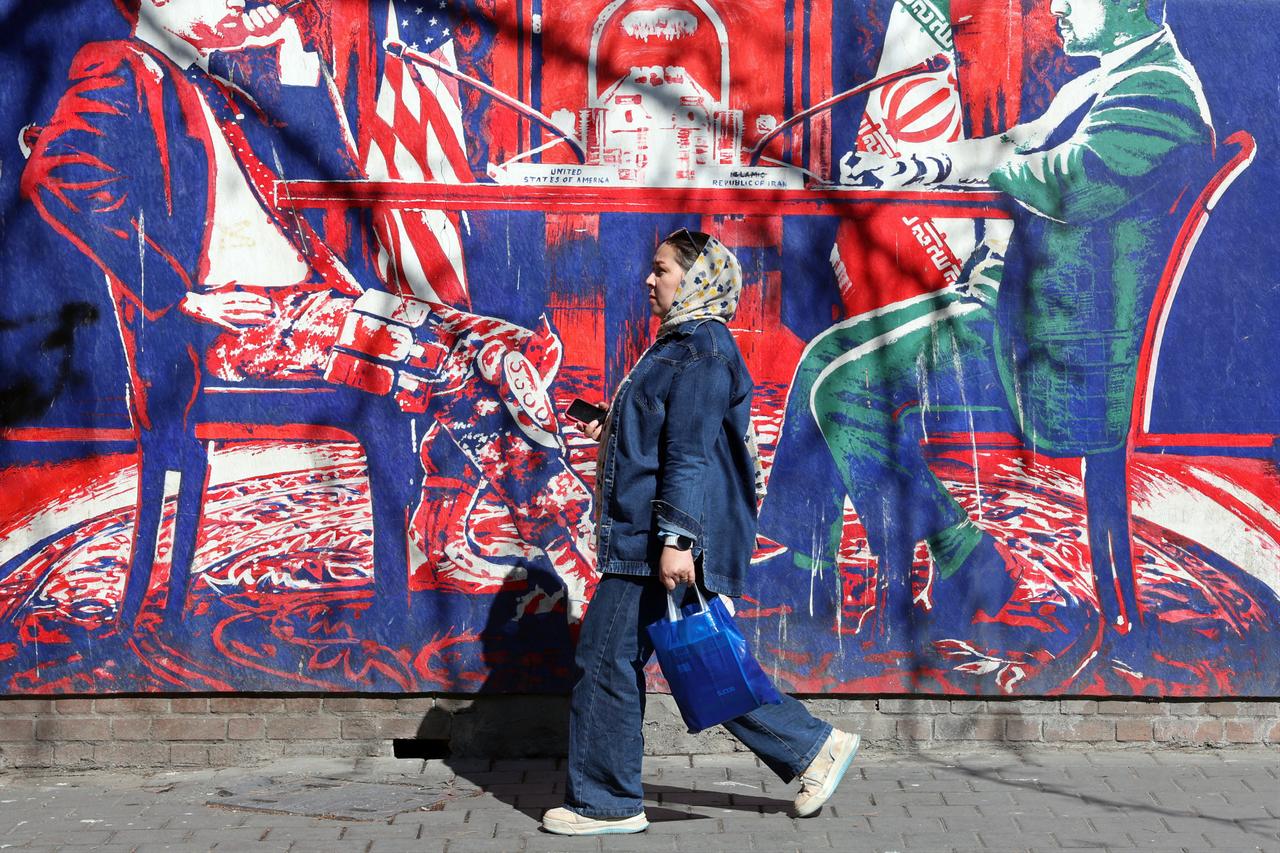
A key pressure point has been connectivity. Iran’s internet has repeatedly been cut or partially restored, leaving many people isolated and pushing them to hunt for workarounds.
According to Wired’s reporting, major social platforms have remained officially restricted, reinforcing what observers describe as a “whitelisted” internet environment, where only approved services work reliably. In practical terms, that has meant constant trial-and-error with VPNs, proxies, and alternative connections, as people try to keep up with news, check on relatives, and share updates.
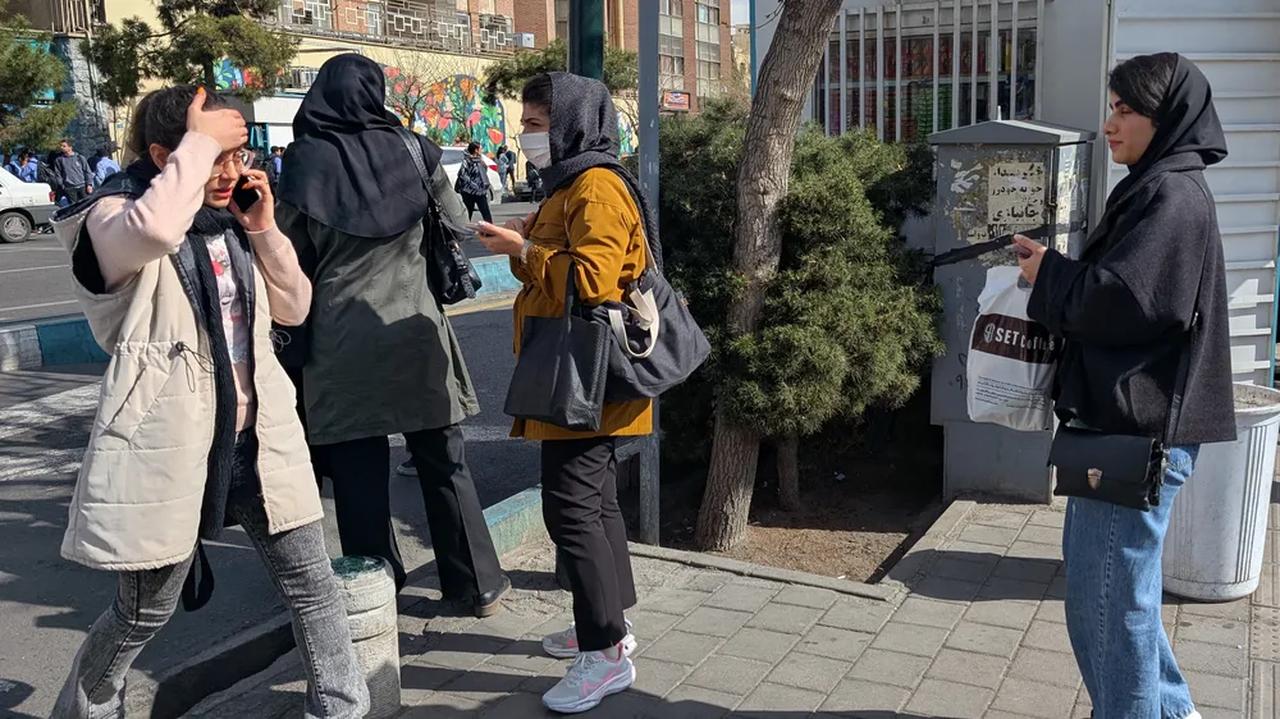
Beyond Iran’s borders, the Iranian diaspora in Türkiye, especially in Istanbul, has also been living through the crisis in real time.
Reports cited around 80,000 Iranian residents in Türkiye, many of whom have been glued to their phones, caught between anxiety for family members and complicated emotions about the strikes.
According to AFP, some exiles described the emotional conflict bluntly. One student, Reza, said: “This war is no good, but it’s better than the regime killing our children.” Other accounts have highlighted “survivor’s guilt,” the strain of being physically safe while loved ones remain at risk.
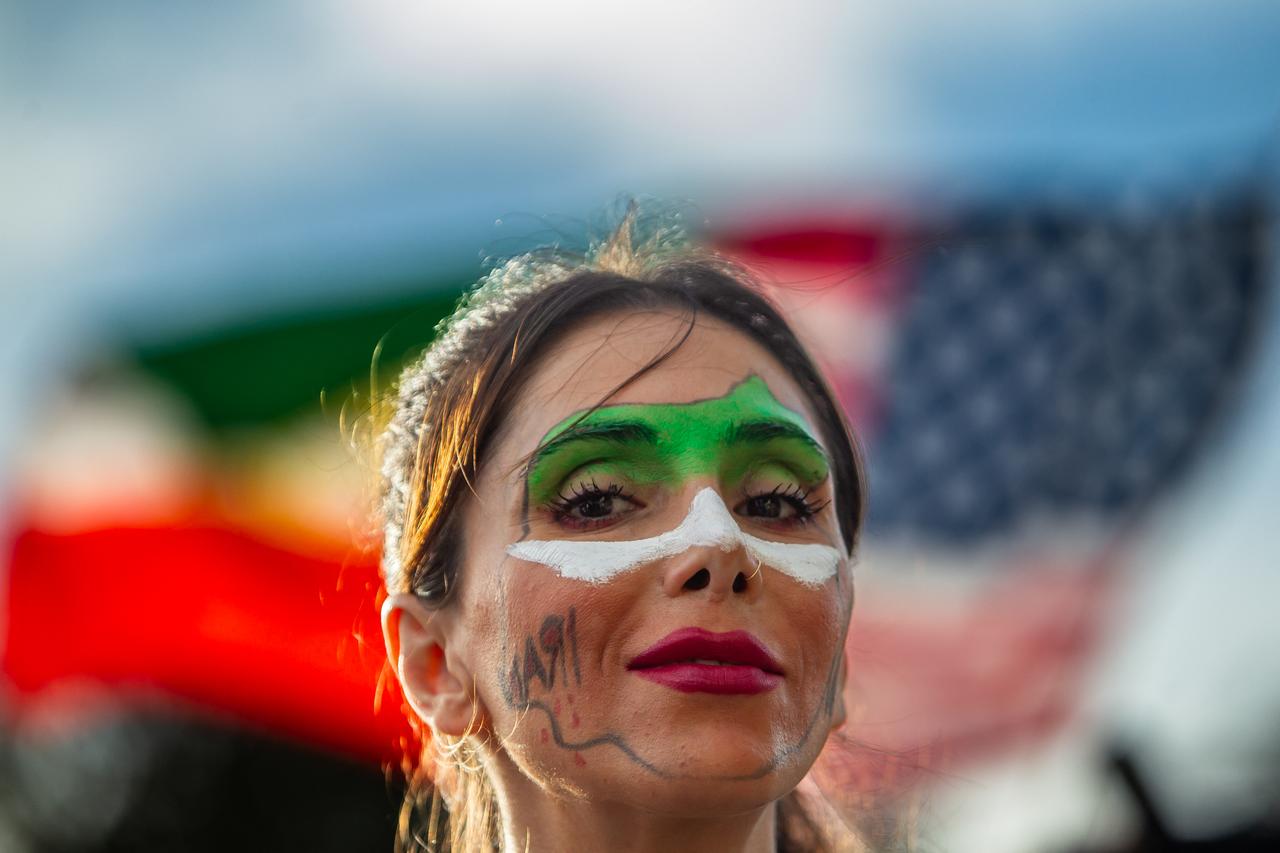
Mental health professionals cited in expert commentary have described a society already worn down by years of instability now facing acute war anxiety.
For readers, hypervigilance refers to a persistent state of heightened alertness, where the body stays braced for danger, and even ordinary sounds or rumors can trigger panic.
A visible indicator has been in demand for support lines. The state-run “4030” counseling hotline, originally set up during the COVID-19 era, was previously reported as handling 90,174 calls during an earlier 12-day Iran-Israel war period in 2025, supported by 1,377 volunteer counselors.
While post-Feb. 28 call data has not been widely detailed in the material cited, private counselors have described increased demand tied to anxiety and trauma.


 Set as preferred source
 Set as preferred source


 1 min read