Newsletters


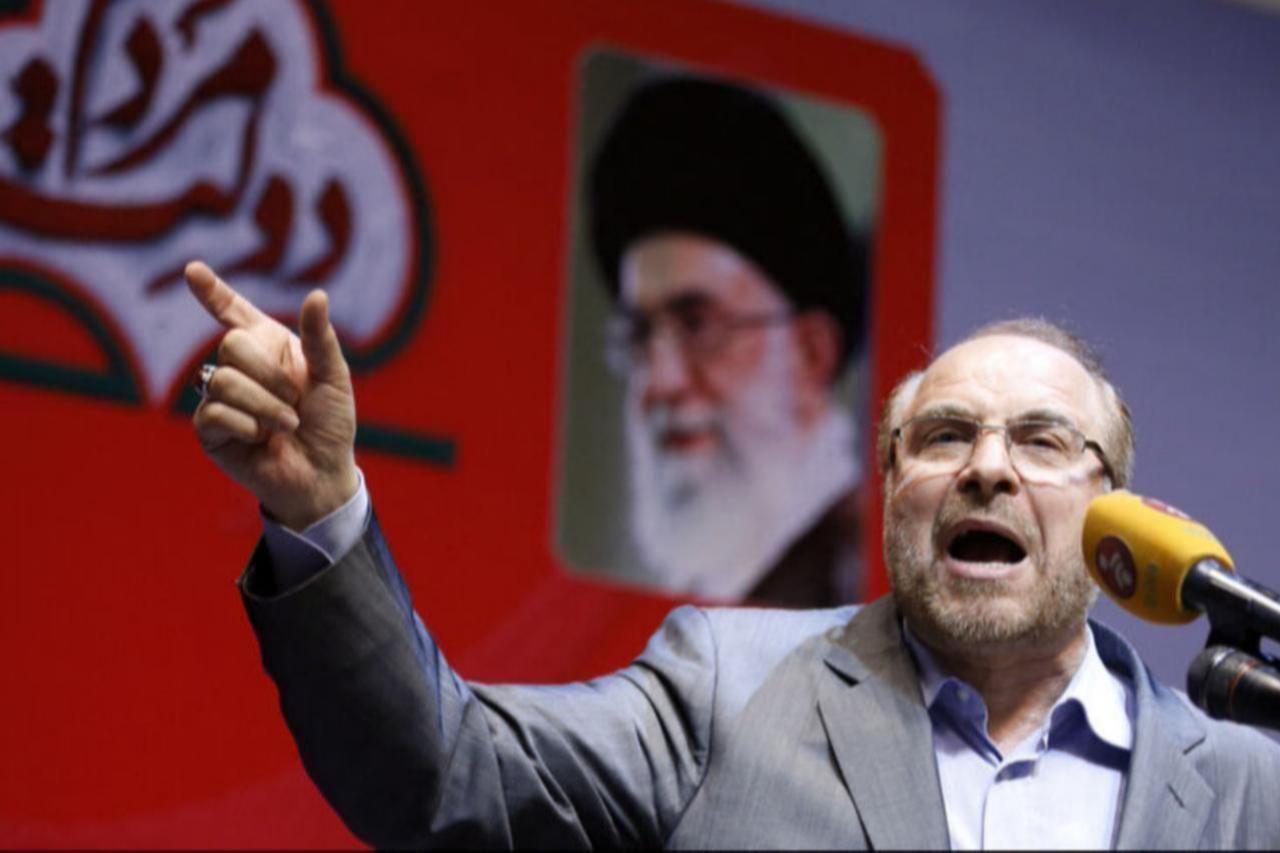


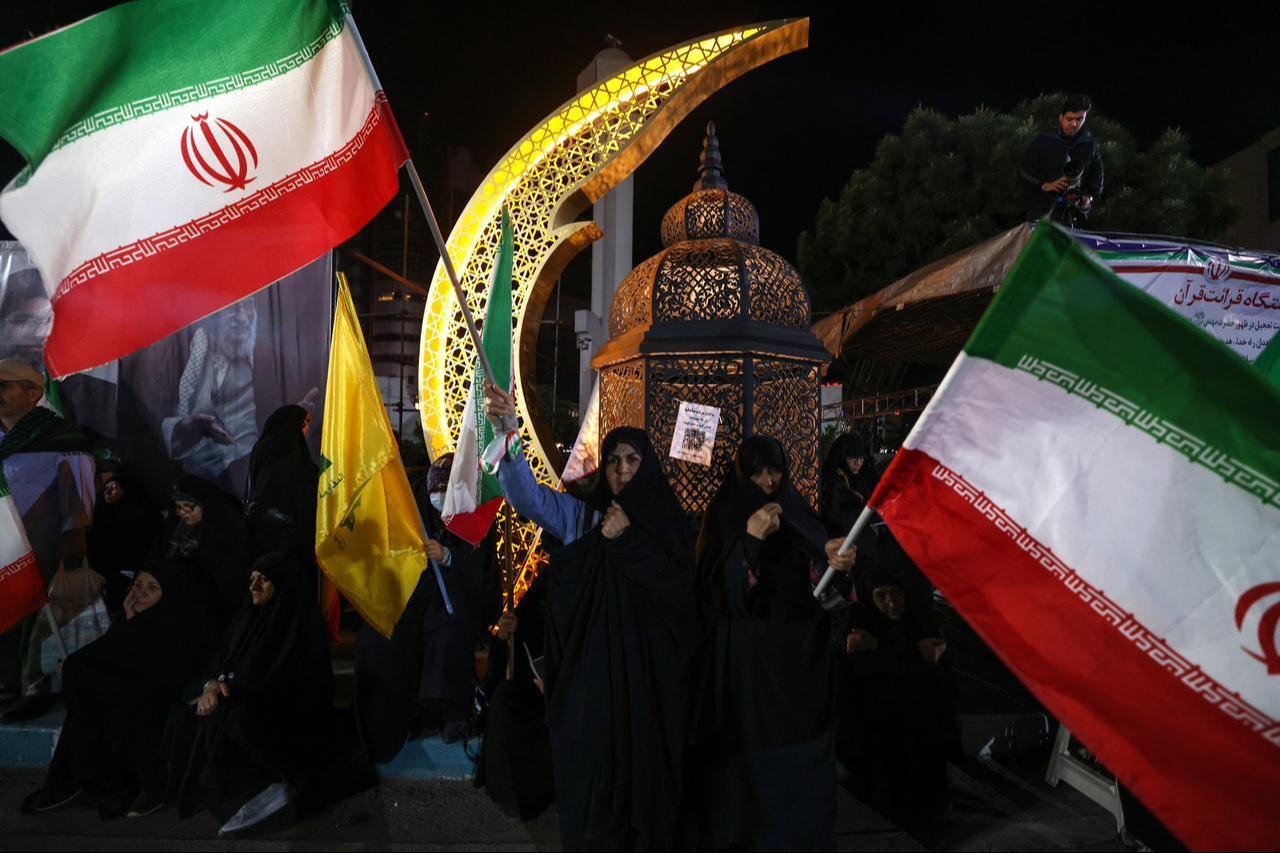
Iran’s Parliament Speaker Mohammad Bagher Ghalibaf said in an audio message to the Iranian people that the country has entered a new phase of confrontation, accusing the U.S. and its allies of using economic pressure, media campaigns and psychological warfare to weaken Iran from within.
Ghalibaf said the latest strategy against Iran includes what he described as a form of “naval blockade” aimed at increasing economic pressure and shaping public opinion to push the country toward submission.
“The enemy is trying to dismantle internal cohesion through economic pressure and psychological warfare,” Ghalibaf said.
He said the main aim of the current pressure campaign was to undermine national unity, though he added that the possibility of military action, particularly terrorist attacks, could not be ruled out.

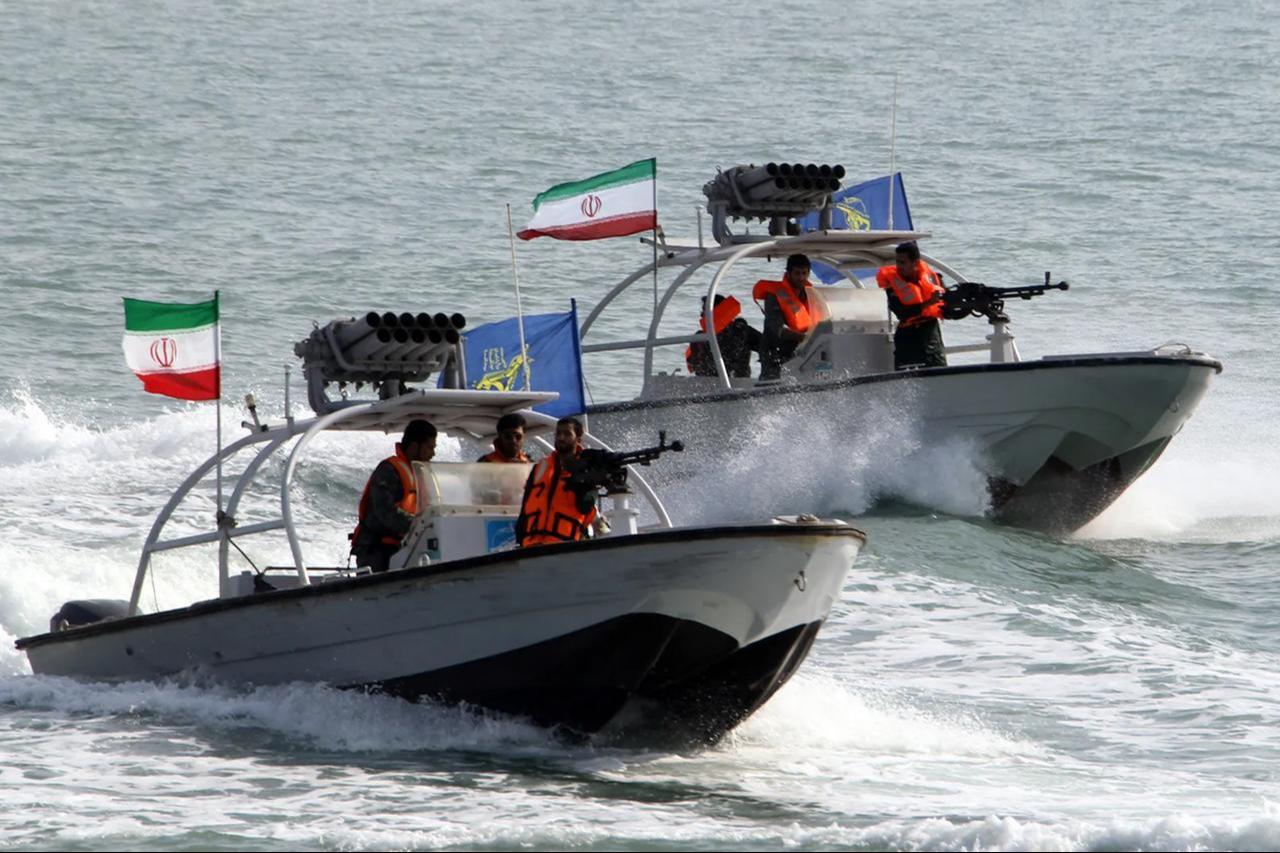
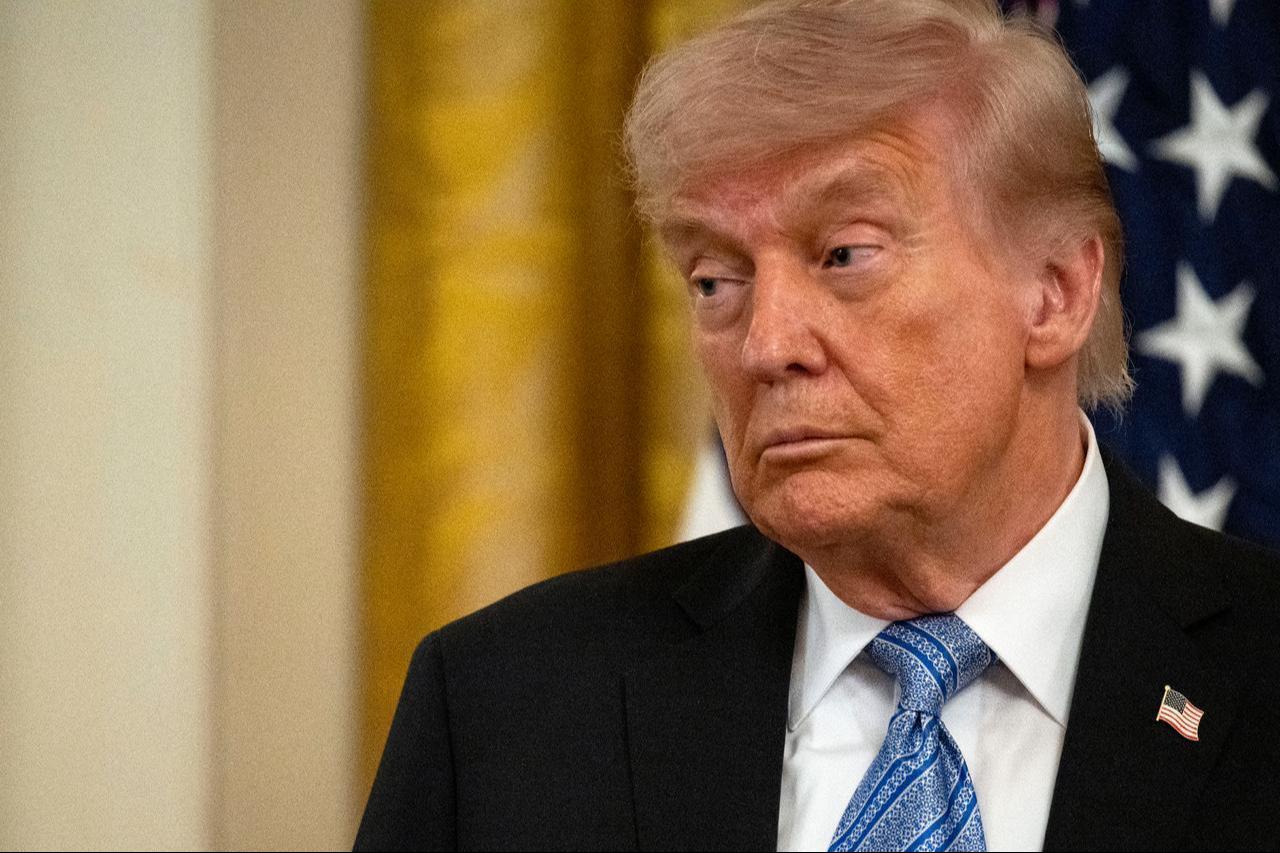
Referring to recent U.S. activities in the Strait of Hormuz and the Persian Gulf, Ghalibaf said Washington was placing strong hopes on economic pressure but was acting on what he called false intelligence.
“The enemy is very hopeful about economic pressure, and it is clear that they have once again received false reports, and based on these reports, they have made wrong decisions,” Ghalibaf said, according to comments carried by Iran’s Fars news agency.
He said such calculations would create difficulties for all parties, including Americans.
“This wrong decision will cause everyone to suffer,” he said.
Ghalibaf also argued that the consequences would include rising living costs for the American people.
Ghalibaf said Iranian society had historically shown resilience during periods of pressure and would continue to endure hardship in defense of the country’s independence, national dignity and beliefs.
He said even experts outside Iran recognize that Iranians are prepared to tolerate economic difficulties to preserve their independence.
“The Iranian nation has shown that it may sacrifice its life, but it will not surrender,” he said.
He also said that no matter the extent of economic pressure, “the Iranian nation will endure ... for the sake of the independence.”
Ghalibaf described the current moment as one of the most critical periods in Iran’s modern history, saying the public understands the stakes and is prepared to face difficulties.
Addressing domestic economic challenges, Ghalibaf said some of the pressure on Iran stems from long-standing structural problems, while other difficulties are linked to wartime conditions.
He called on the government to explain its plans and actions more clearly to the public, particularly on inflation and rising prices.
Ghalibaf said the country’s new phase of conflict requires more effective governance, strategic planning and what he described as “jihadi management.”
He also warned against the disclosure of sensitive information that could be used by adversaries.
In his message, Ghalibaf outlined five requests directed at different parts of society, describing them as necessary for navigating the current phase.
His first request was for nationwide austerity, which he described as “the most effective missile people can fire at the enemy.” He urged citizens to adopt and promote more disciplined consumption.
Second, he called for the revival of grassroots solidarity campaigns similar to those seen during the COVID-19 pandemic, especially initiatives focused on mutual aid and social support.
Third, he urged the Basij organization to play a more active role in connecting citizens, government bodies and charitable groups, saying it could carry out functions that no other institution could replicate.
Fourth, he called on experts and academics to proactively submit policy proposals and solutions instead of waiting to be asked.
His fifth request was directed at Iranians living abroad. Citing their economic, professional and international networks, Ghalibaf said: “Iran today needs each and every one of you.” He urged them to support the country and push officials to make better use of their capacities.
Concluding his message, Ghalibaf said the current confrontation was among the most significant in Iran’s contemporary history.
He said a final victory would make Iran a more influential actor in the international system and create the basis for both material and spiritual progress, despite the hardships involved.
Ghalibaf ended by thanking the Iranian people and said their unity across political and social differences remains the country’s main source of strength.


 Set as preferred source
 Set as preferred source


 2 min read
 1 min read