Newsletters


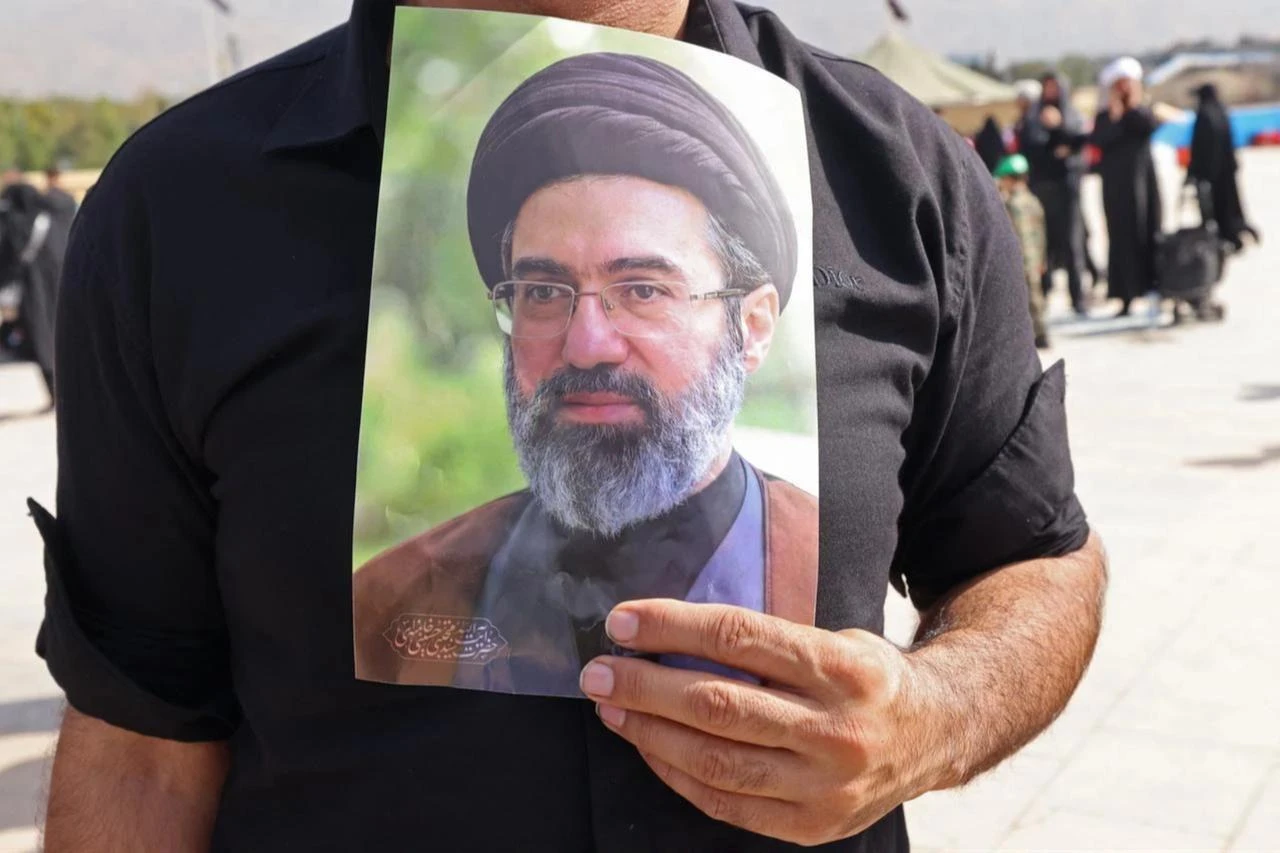


Iran’s Supreme Leader Mojtaba Khamenei is not in Iran, and statements attributed to him are written by IRGC chief Ahmad Vahidi and other members of the force, Saudi outlet al-Hadath reported, citing an Israeli security source.
Khamenei was appointed supreme leader shortly after his father was killed in U.S.-Israeli strikes on Feb. 28.
He has made no public appearances since his appointment and has communicated only through written statements.
The Israeli source told al-Hadath that the statements attributed to Khamenei were being written by Vahidi, who was recently appointed head of the IRGC, and other members of the organization.
“Iran’s internal divisions are deep and threaten the existence of the Islamic Revolutionary Guard Corps,” the Israeli source was quoted as saying.
The source also claimed that the U.S. does not want Israel to participate in attacks against Iran, even if Tehran targets Israel.
No further information was provided about Khamenei’s alleged location or the basis for the source’s claim that he was outside Iran.
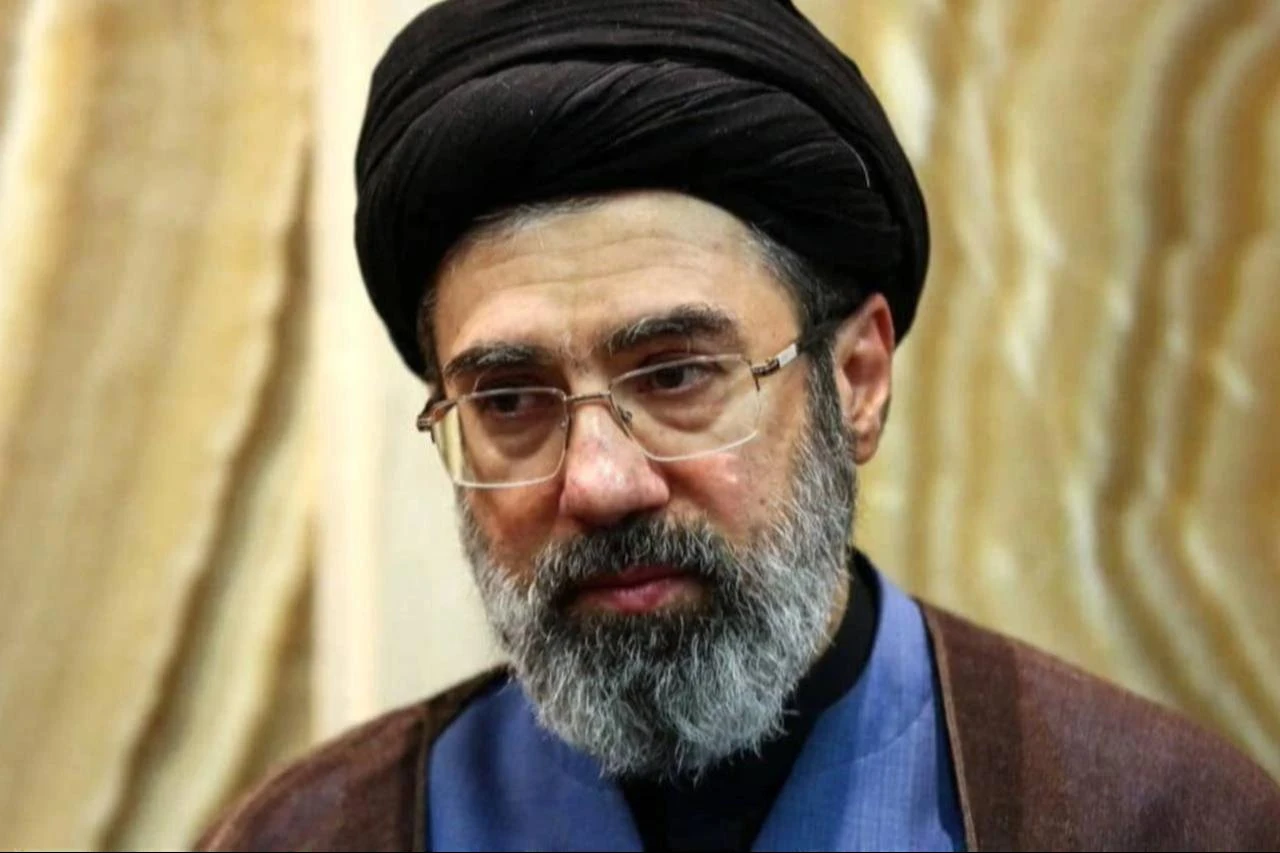

Khamenei has not officially been seen or heard in public since before the war began.
CBS News previously reported, citing U.S. officials familiar with the matter, that he was staying at an undisclosed location with almost no access to the outside world.
According to the report, Khamenei could be reached only through a complex network of couriers.
The breakdown in communications within the Iranian government was described as a central reason why details of a possible agreement had emerged slowly and why proposed U.S. terms could remain unanswered for extended periods.
Khamenei was also wounded in U.S. and Israeli strikes conducted during Operation Epic Fury, according to the report.
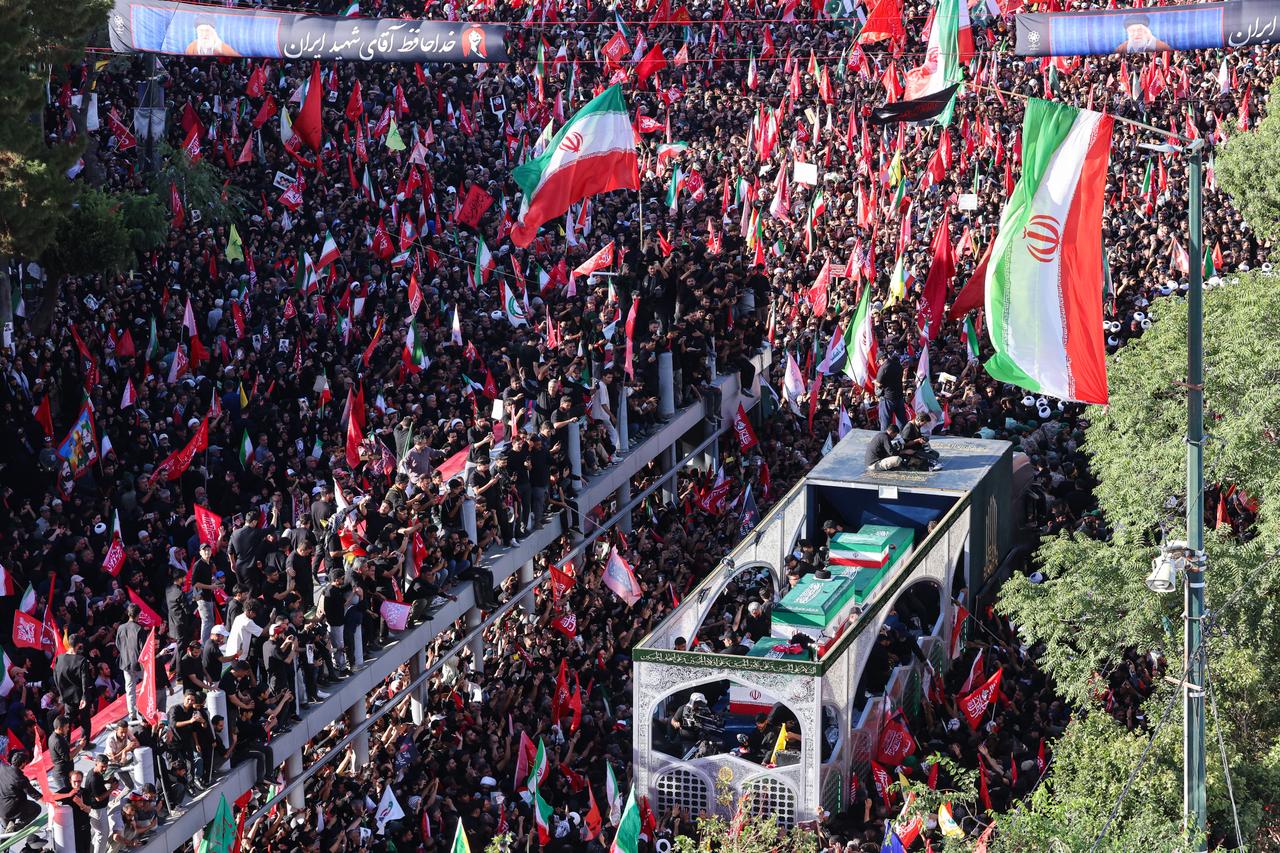
Iranian security officials prevented Khamenei from attending his father’s burial ceremony in Mashhad on July 9 because of concerns that Israel could attempt to assassinate him or track him back to his hiding place, The New York Times reported.
Two members of the IRGC and a person involved in planning the funeral told the newspaper that Khamenei had informed officials that he wanted to attend the ceremony.
He also wanted to recite the prayer of the dead over his father’s body, according to the report.
Security officials rejected his request because of the perceived risk surrounding his appearance and movements.
The reports about his restricted communications, undisclosed location and absence from public events followed his appointment as Iran’s supreme leader after the death of his father in the Feb. 28 U.S.-Israeli strikes.


 Set as preferred source
 Set as preferred source


 2 min read
 1 min read