Newsletters


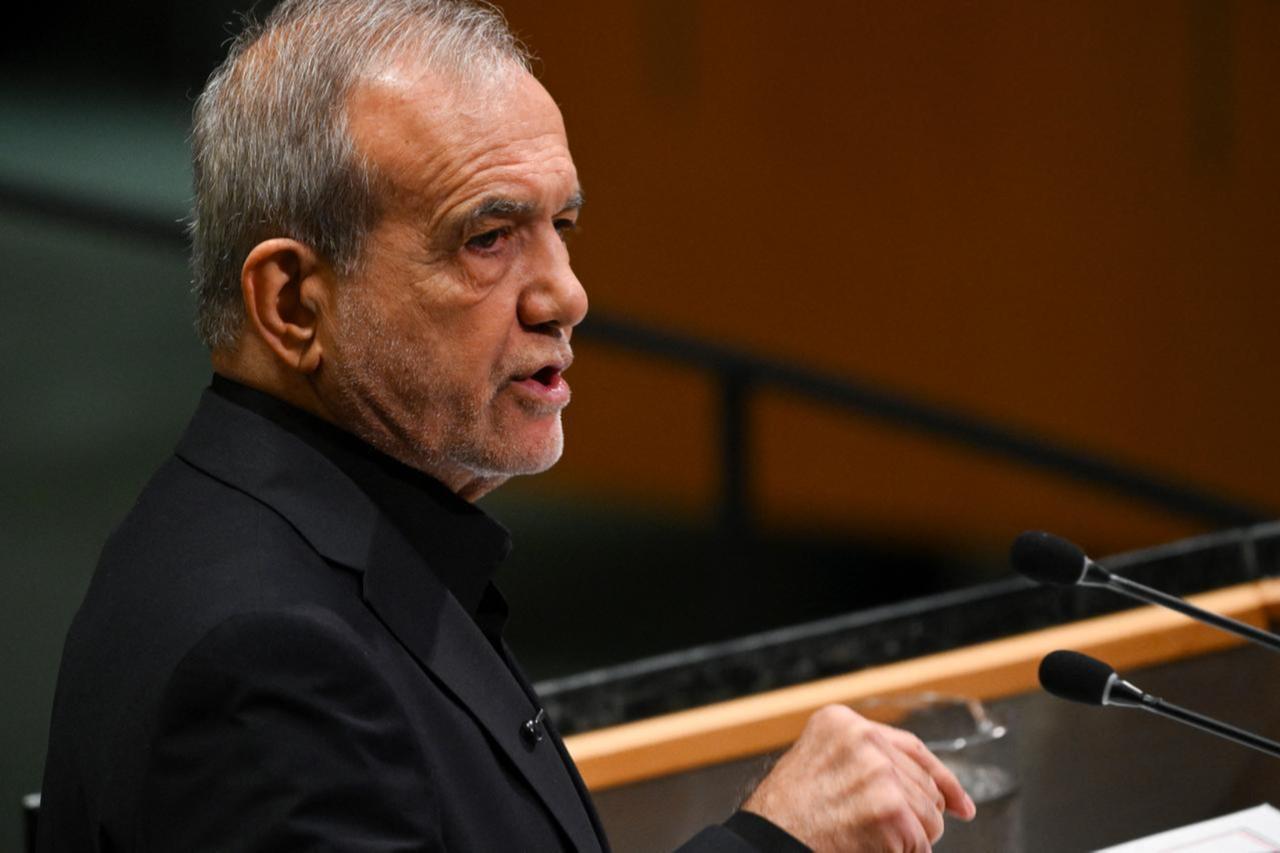


Iranian President Masoud Pezeshkian described the Mecca Defense Agreement signed by Saudi Arabia, Türkiye and Pakistan as a positive step toward Muslim unity, while voicing deep distrust of the United States over stalled nuclear negotiations, in an interview with Qatar-based broadcaster Al Jazeera.
Pezeshkian addressed a range of regional issues, including the defense pact, the status of talks with Washington, the closure of the Strait of Hormuz, and Iran's relations with its neighbors, including Saudi Arabia and Yemen's Houthi movement.
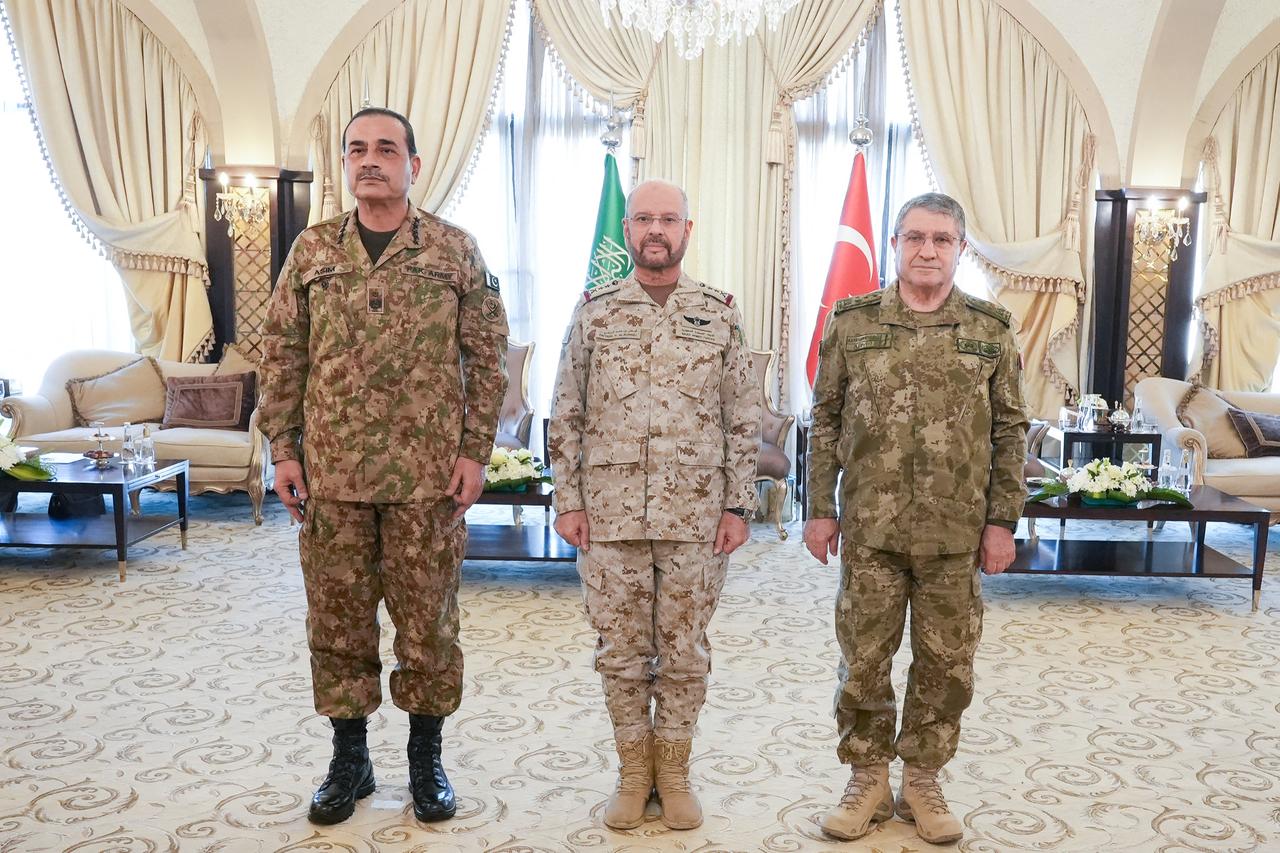
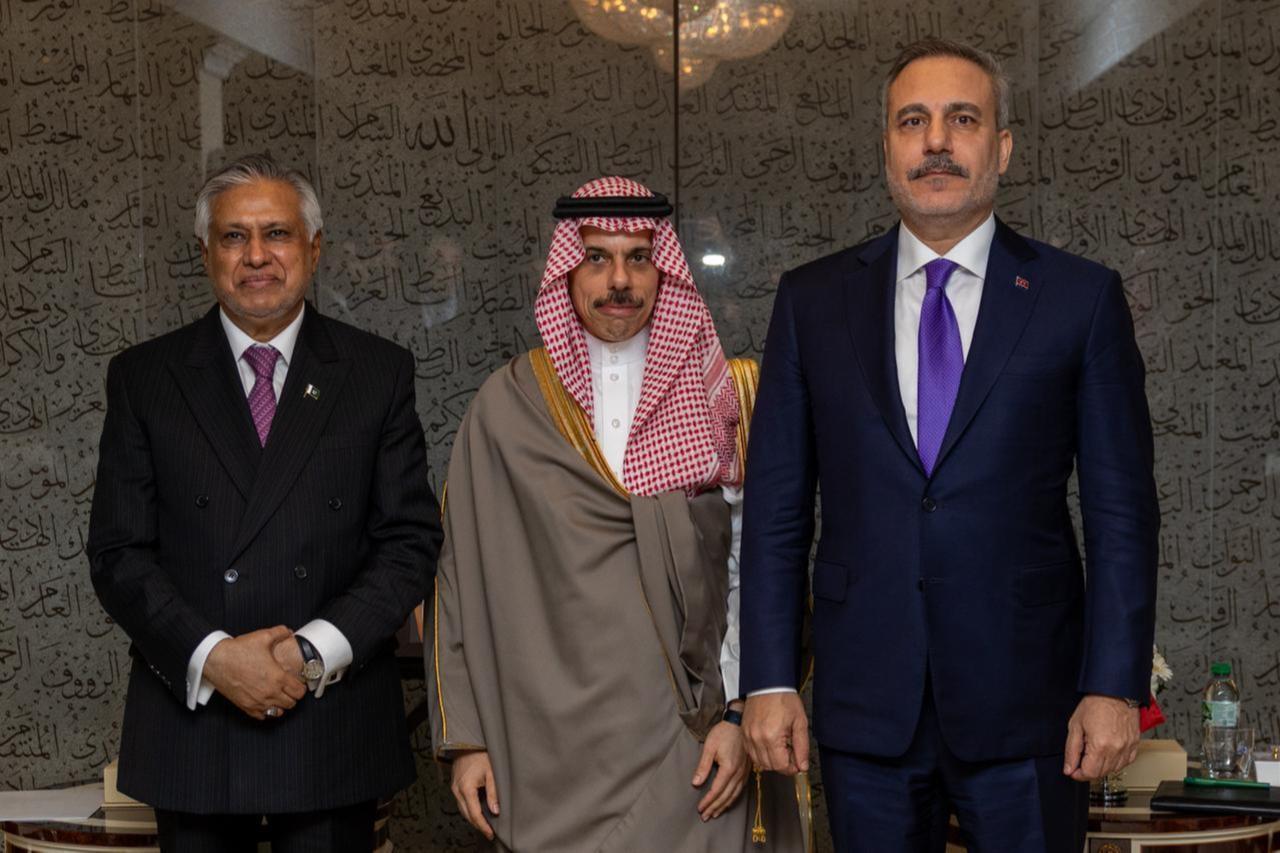
Asked about the Mecca Defense Agreement, Pezeshkian said the accord could represent a step forward for Muslim solidarity. "This is a positive step taken toward the unity of Muslims," he said.
When asked whether the agreement was directed against Iran, Pezeshkian rejected that framing, saying instead that it could serve a unifying purpose. "This step could be one taken for Muslims to sit side by side instead of fighting, and to achieve Islamic unity," he said.
Turning to negotiations with the United States, Pezeshkian said Tehran does not trust Washington and remains uncertain about the basis on which any agreement could be reached. "We have no trust in the American side, and we don't know on what basis an agreement could be reached," he said, adding that Iran is waiting for the United States to clarify its position on Tehran's latest proposal.
He said mediators Qatar and Pakistan had conveyed Iran's messages to Washington, and that the current round of contacts is built on an understanding reached between the two sides in June.
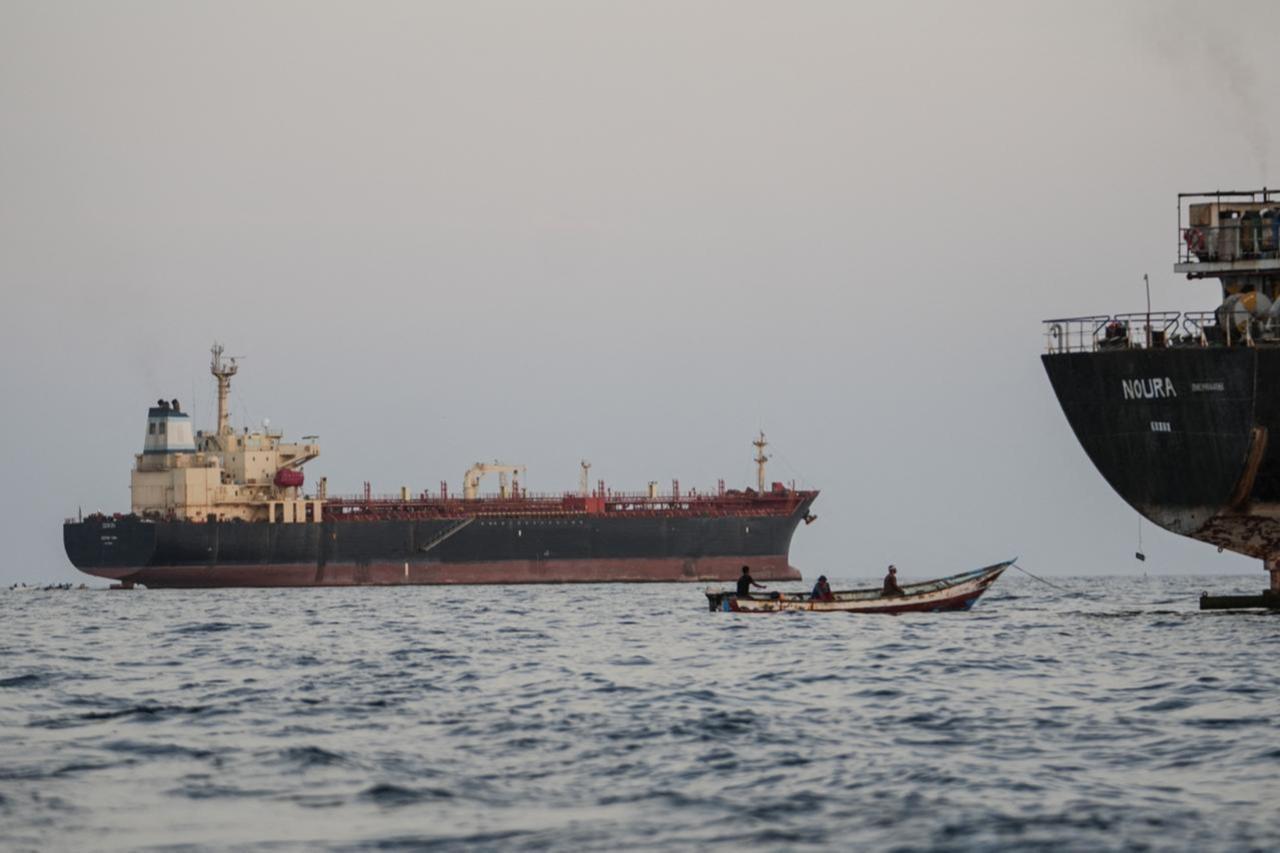
Pezeshkian rejected accusations that Iran was responsible for closing the Strait of Hormuz, arguing instead that transit routes through the strait had been closed off to Iran. He characterized the closure as a natural reaction to the blocking of Iran's own routes, and said the waterway could reopen to commercial shipping if the war were ended through negotiations.
The Strait of Hormuz, a narrow waterway between Iran and the Arabian Peninsula, is one of the world's most important corridors for oil and gas shipments, connecting Gulf producers to international markets.
Pezeshkian also described the United States as the aggressor in the war, asserting that Iran had not attacked any country in roughly two hundred years.
 2 min read
Pezeshkian argued that regional security should be achieved through cooperation among the countries of the region rather than outside intervention. "We do not need a regional police," he said, accusing the United States and Israel of pitting regional countries against one another in order to control the region's resources. He suggested Saudi Arabia could play a role in fostering unity within the Islamic world.
On the conflict between Yemen's Houthi movement and Saudi Arabia, Pezeshkian denied that the group's actions were connected to Iran, and called for the dispute to be resolved through dialogue. "A brother should not fight his Muslim brother," he said.
Turning to domestic politics, Pezeshkian said Iran was experiencing an unprecedented level of unity and solidarity, and that the government was working to overcome accumulated internal challenges. He said the United States and Israel were seeking to prevent Iran from becoming self-sufficient, adding that the Iranian people would continue to persevere.


 Set as preferred source
 Set as preferred source


 1 min read