Newsletters


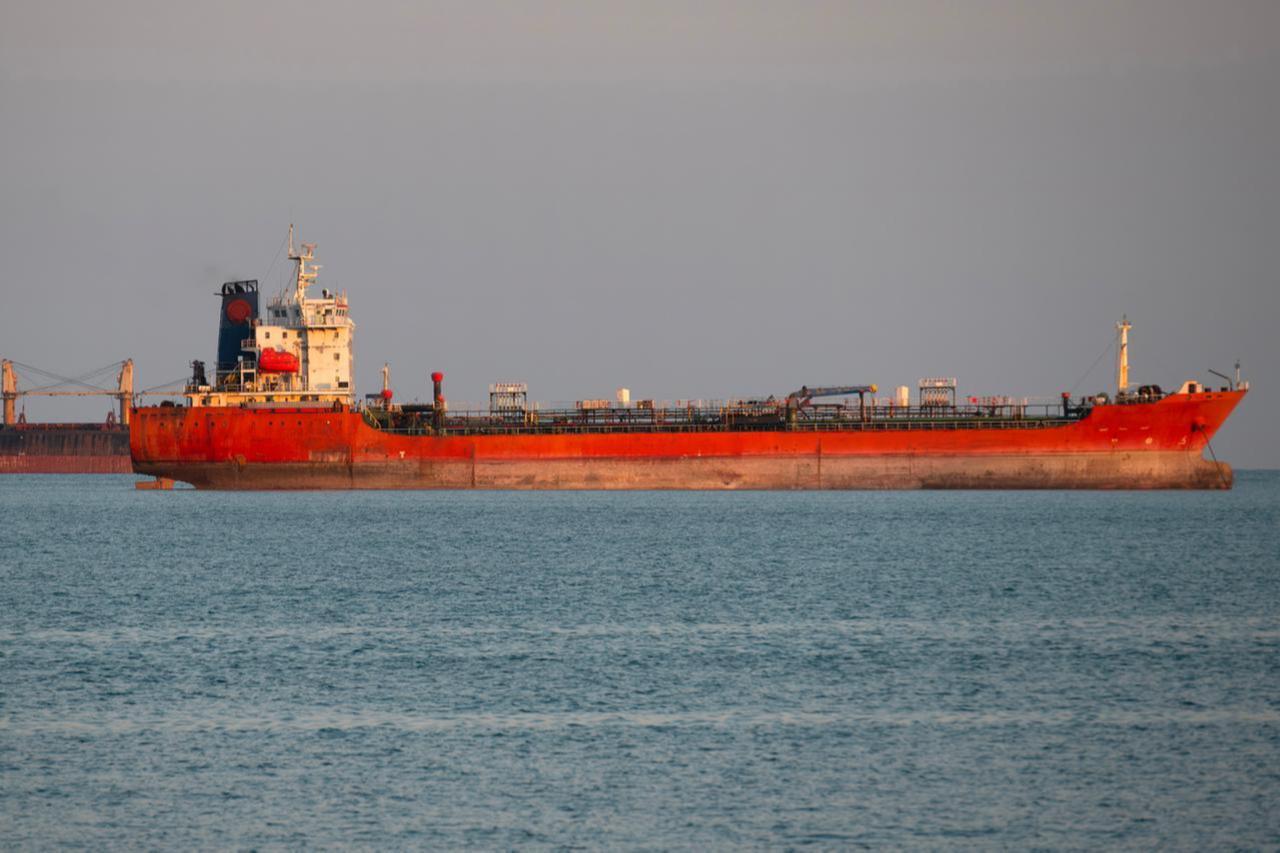


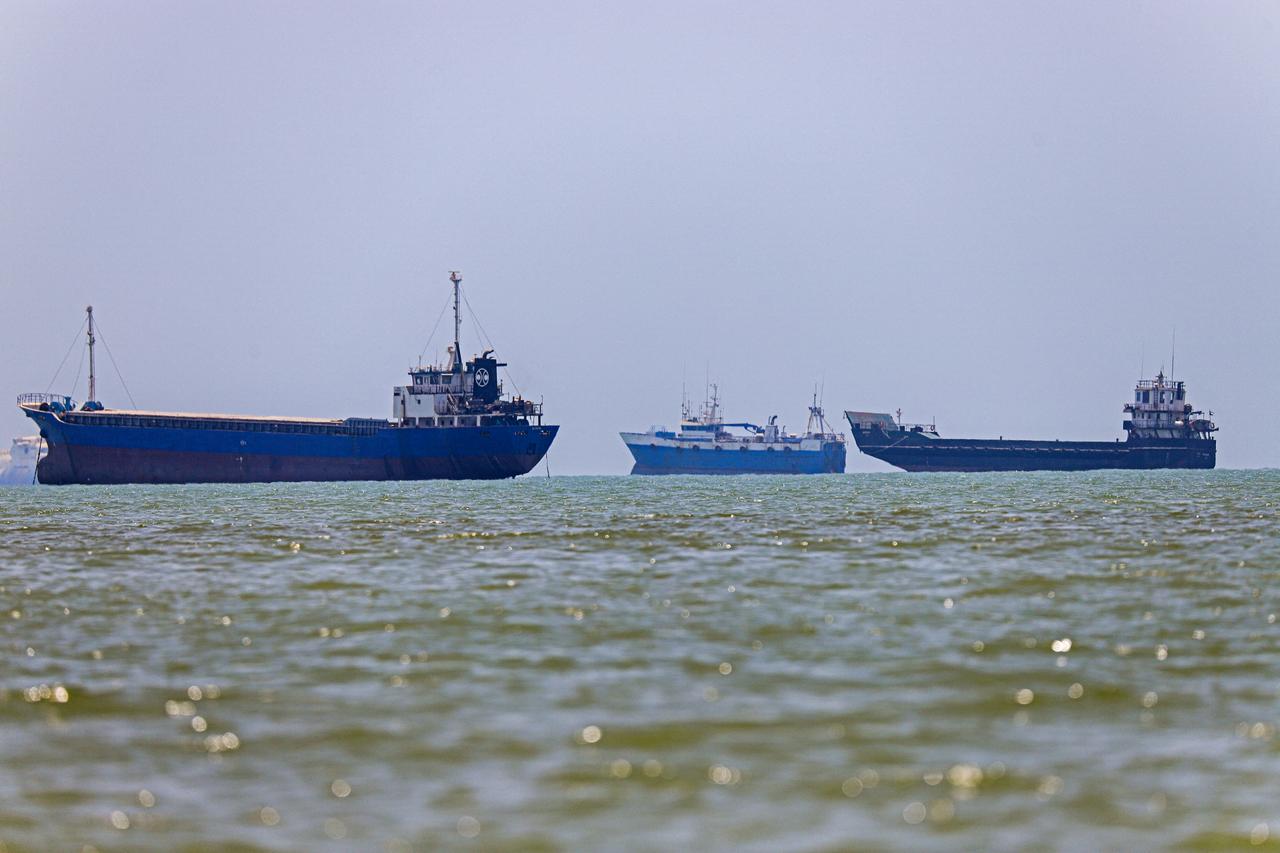
Iran's Revolutionary Guard Corps attacked a Singapore-flagged cargo ship in the Strait of Hormuz on Thursday, damaging the vessel and prompting the United Nations' maritime body to suspend an ongoing evacuation operation, in a sharp test of a fragile agreement signed last week between Washington and Tehran to reopen one of the world's most critical shipping lanes.
The attack on the Ever Lovely, operated by Singapore-based Evergreen Marine Asia Pte Ltd, damaged the ship's bridge but caused no casualties, according to U.K. Maritime Trade Operations. Two senior U.S. officials confirmed the IRGC carried out the strike to the Wall Street Journal.

The Ever Lovely had loaded cargo at Umm Qasr in Iraq and was bound for Singapore after being trapped in the Persian Gulf for more than 100 days, according to financial data provider LSEG.
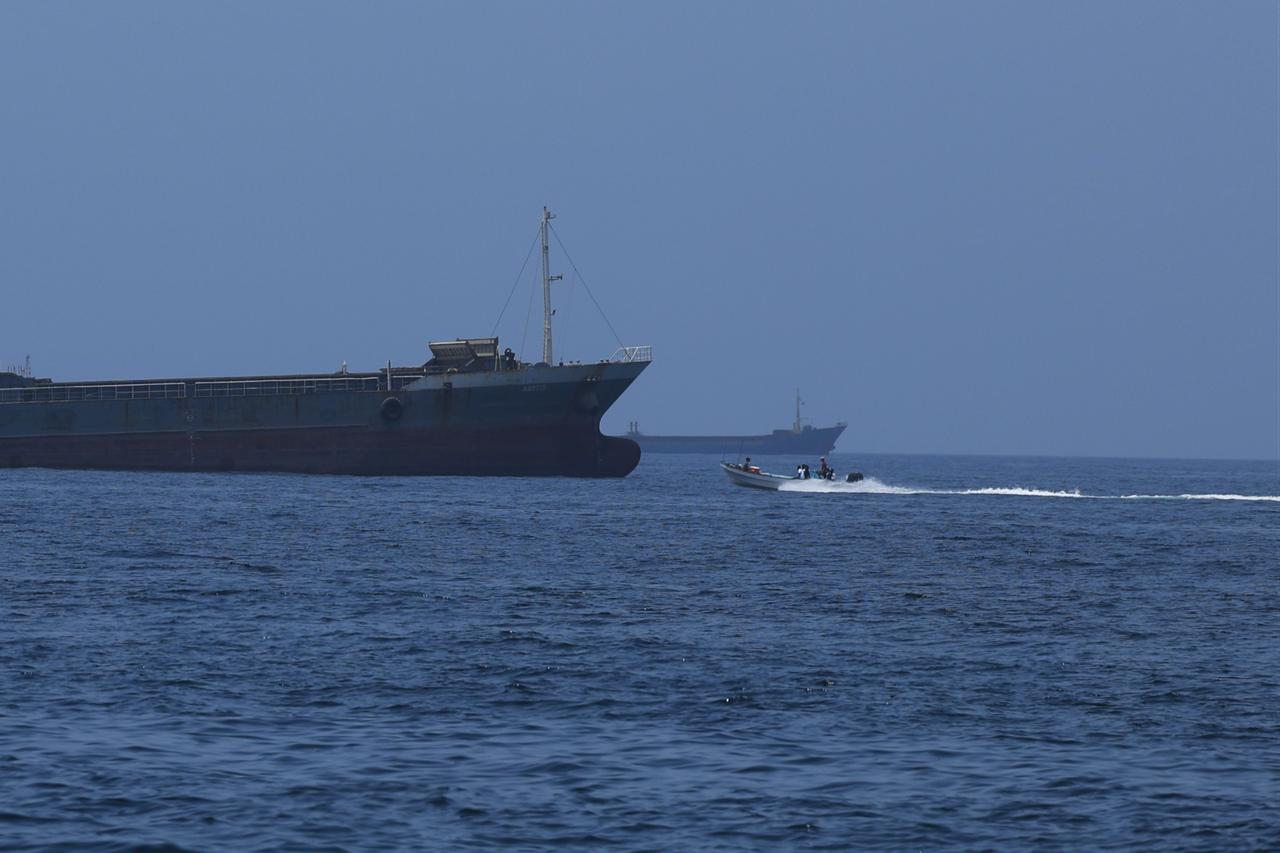
On Thursday morning local time, the vessel joined three other ships attempting to transit the strait, all following the evacuation corridor established by the International Maritime Organization and hugging the Omani coast as directed. The Ever Lovely was sailing fastest and led the group.
Seafarers aboard a nearby ship reported no radio warnings from the Iranian navy before the attack.
Hours before the strike, the IRGC had posted a warning on its official Telegram channel declaring any attempt to cross the strait along the IMO-designated route "unacceptable and completely dangerous," and demanding that all vessels coordinate with Iranian authorities.
Maritime intelligence firm Windward reported Thursday that five vessels made U-turns in the waterway. The Revolutionary Guard said it ordered three tankers using the southern IMO route to reverse course.
The IMO, a United Nations body, had been coordinating an evacuation corridor for the hundreds of vessels still stranded in the Persian Gulf in cooperation with Iran, Oman, other coastal states and the United States, an effort announced Tuesday. Following the attack, the organization said it was pausing the operation.
IMO Secretary-General Arsenio Dominguez said the pause was meant to reconfirm that the necessary safety guarantees remain in place for ships on the evacuation list and others in the region, while noting that the vessel attacked had not been transiting under the IMO framework.
Thursday's attack came as shipping traffic through the Strait of Hormuz, a narrow chokepoint through which a significant share of global energy supplies flows, had only just begun to recover.
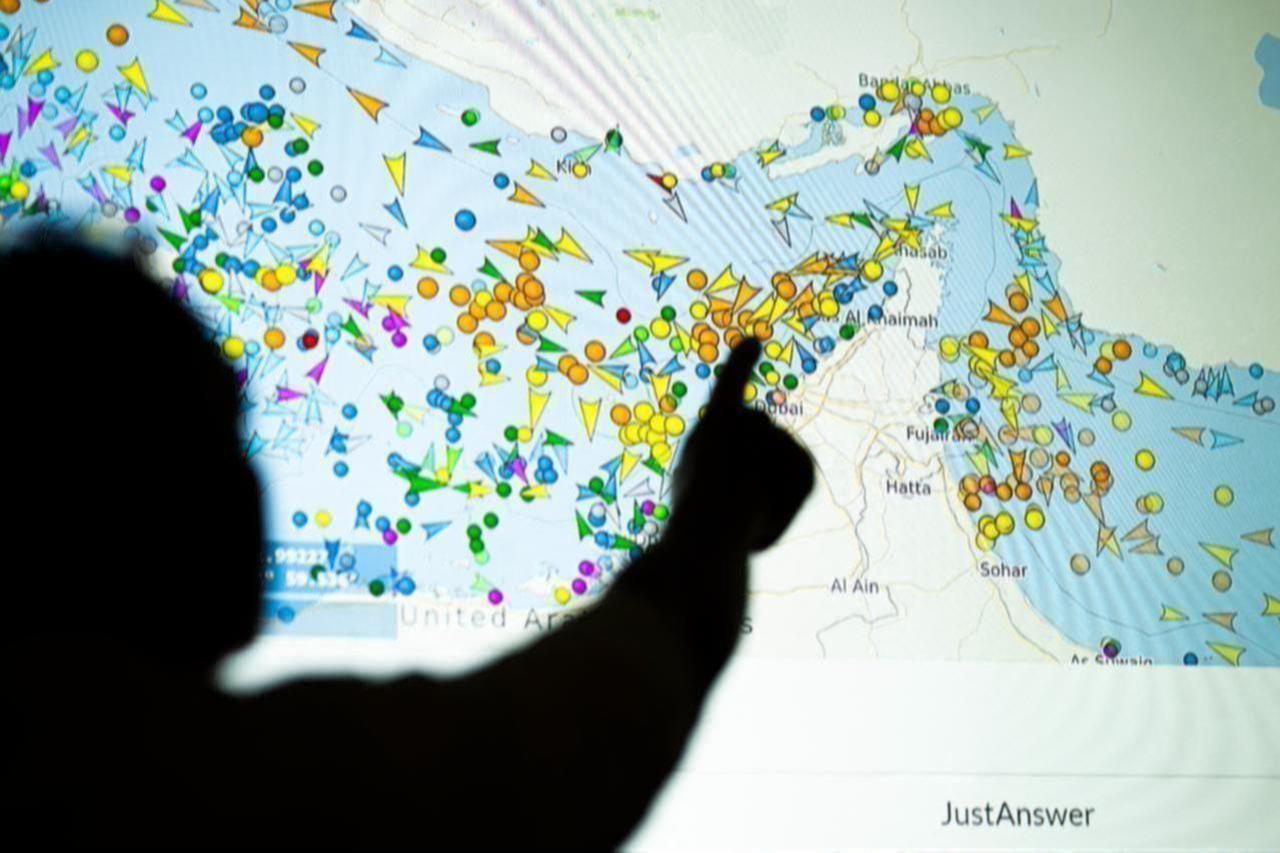
Ship-tracking firm Kpler reported that 70 vessels crossed the strait on Wednesday, more than double the number from the previous day, a sign that commercial confidence in the passage had been returning after months in which Iranian attacks and a U.S. blockade had reduced crossings to a trickle.
The 60-day interim agreement, signed last week, requires Iran to make its best efforts to guarantee safe passage for commercial vessels in exchange for the lifting of the U.S. blockade on Iranian ports.
Under the pact, Washington waived sanctions on Iranian oil sales this week and permitted Tehran to sell its crude in U.S. dollars for the first time in decades.
The deal has faced strain since the weekend, when Iran declared the strait closed again, citing ongoing fighting between Israel and Iran-backed Hezbollah in Lebanon, whose cessation is listed as a condition of the agreement.
Iran has not officially confirmed the waterway is open. The country had not attacked commercial ships since June 12, when a tanker was struck days before the interim agreement was signed, making Thursday's incident the first such attack in nearly two weeks.


 Set as preferred source
 Set as preferred source


 1 min read
 1 min read