Newsletters


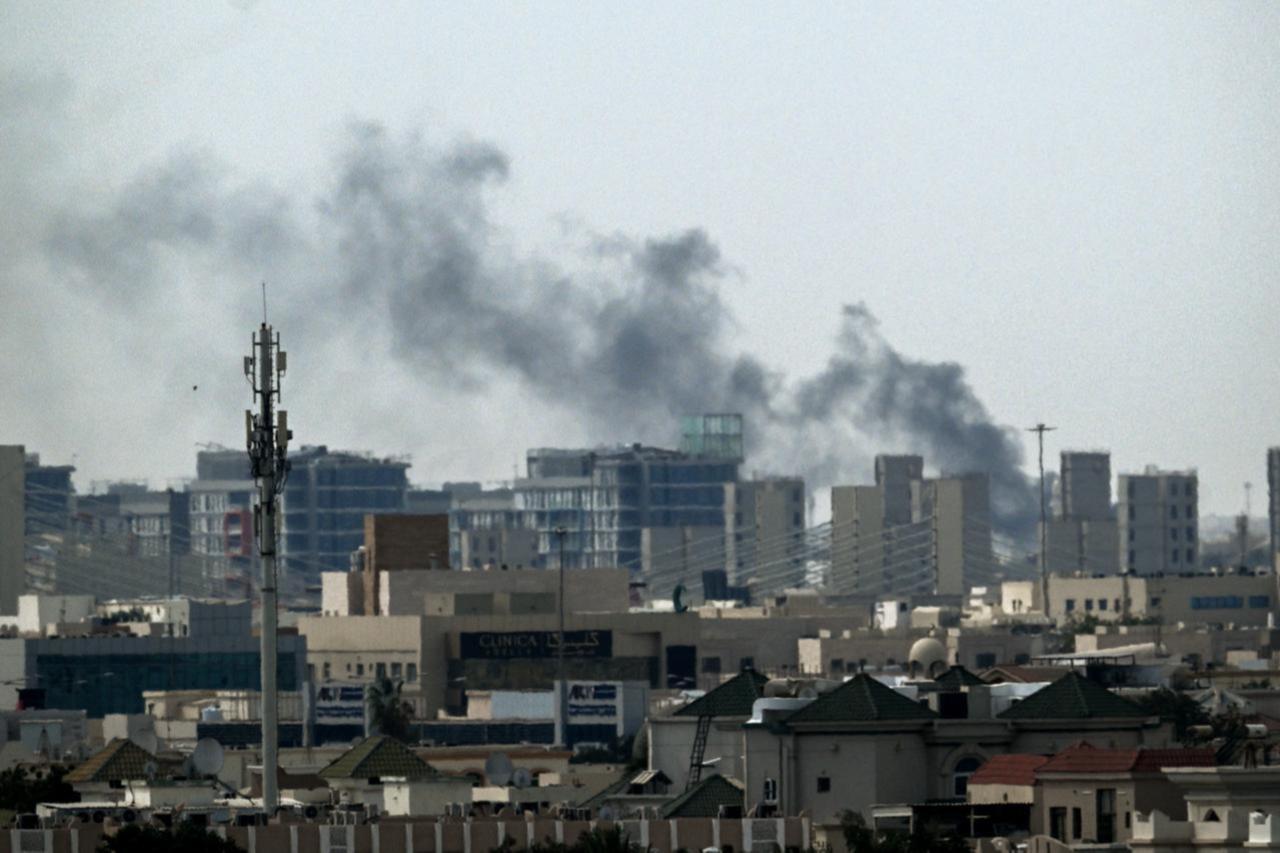


Iran's Islamic Revolutionary Guard Corps on Monday issued a direct threat to American corporations operating across the Persian Gulf, demanding that employees of US companies abandon their offices and warning that the sites would soon come under attack, in the latest and most explicit escalation of what Tehran is calling an "infrastructure war" against the United States.
"We warn the defeated US government to evacuate all its industries in the region, and call on the people at surrounding industrial plants that Americans are shareholders of the factories to evacuate those areas to remain in safe," the IRGC said in a statement published on its official Sepah News website.
The warning followed a separate urgent message directed specifically at technology workers. The IRGC addressed employees of major US technology firms in the Gulf, ordering them to evacuate their offices immediately, with the warning citing companies such as Qualcomm, Adobe, and Dell among those in the crosshairs.
The threat marks a significant widening of Iran's target list as the US-Israeli military campaign against the Islamic Republic enters its third week. The IRGC on Sunday carried out the 56th wave of its Operation True Promise 4, launching missiles at the Rafael military base in Israel and the Al-Udeid military base in Qatar, underscoring that operations show no sign of slowing.
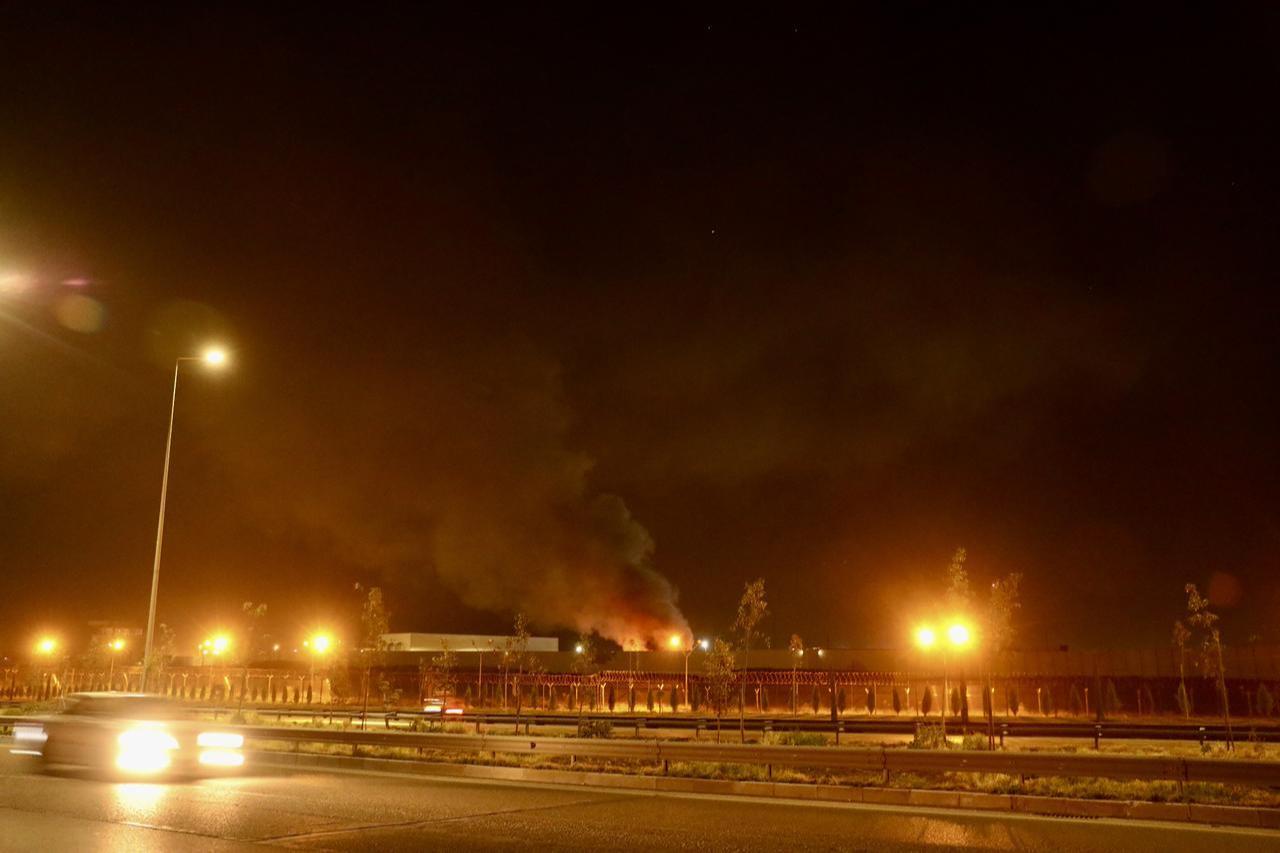

The evacuation demand did not arrive in a vacuum. It is the culmination of a systematic Iranian campaign to redefine the boundaries of the conflict beyond conventional military targets to encompass the commercial and technological infrastructure of the United States and its allies across the Middle East.
The IRGC-affiliated Tasnim news agency last week published a detailed target list identifying 29 locations in Bahrain, Israel, Qatar, and the United Arab Emirates that house offices, data centres, and research facilities belonging to American technology firms. The list included five Amazon facilities, five Microsoft locations, six IBM offices, three Palantir sites, four Google offices, three Nvidia facilities, and three Oracle buildings.
Tasnim described these locations as "enemy technology infrastructure," asserting that the sites had been identified because of their involvement in developing artificial intelligence systems or coordinating cloud computing services used by the US and Israeli militaries. The agency framed the announcement as part of a broader strategic shift, declaring that "as the scope of the regional war expands to infrastructure war, the scope of Iran's legitimate targets expands."
The designation is not purely rhetorical. Iran has already struck Amazon Web Services infrastructure in the region, lending credibility to further threats against tech companies. The move also threatens to upend major technology investments in the Middle East, including OpenAI's planned 10-square-mile AI campus in the UAE and Microsoft's reported $15 billion investment plan for the country over the coming years.
The conflict's most novel dimension has been the targeting of commercial cloud infrastructure, something analysts say is without precedent in modern warfare.
On March 1, drone strikes damaged three AWS data centres, two in the UAE and one in Bahrain, knocking two of the ME-CENTRAL-1 region's three availability zones offline. The attacks constituted the first confirmed military strike on a hyperscale cloud provider, triggering outages across core services including EC2, S3, DynamoDB, Lambda, and RDS.
The cascading disruptions affected consumer-facing services across the Gulf, with ride-sharing platform Careem, payment firms Hubpay and Alaan, data management company Snowflake, and several major UAE banks, including Emirates NBD, First Abu Dhabi Bank, and Abu Dhabi Commercial Bank, all reporting service interruptions.
Iran's Fars News Agency said the Bahrain facility had been deliberately targeted "to identify the role of these centres in supporting the enemy's military and intelligence activities." The justification reflects Tehran's view that US commercial technology infrastructure is functionally inseparable from American military operations.
That view is not without basis. The US military uses AWS to run some of its computing workloads, and several news organizations have reported that the Pentagon employed AI systems hosted on AWS during the Iran strikes. The blurring of commercial and military cloud computing has turned Gulf data centres into what analysts describe as dual-use infrastructure caught in the crossfire.
The IRGC's campaign against US economic interests has also extended to the financial sector in a pattern of retaliatory escalation.
On March 11, a missile struck a branch of Bank Sepah on Haghani Street in Tehran. The bank, Iran's oldest and largest state-owned financial institution, is primarily responsible for processing payroll for the country's military and the IRGC. Iran described the attack as an illegitimate act of war and said it gave the Guards a "free hand" to retaliate against American and Israeli economic targets in the region.
The Khatam al-Anbiya Headquarters, an IRGC-controlled entity, warned regional populations to stay at least one kilometre away from banks, declaring that "the Americans should await our countermeasure and our painful response."
By March 14, Iran's Tasnim news agency reported that Citibank branches in Dubai and Manama had been attacked by drones. Citi, however, denied the claims, posting on social media that reports of damage to its offices and branches in the Middle East were false.
Regardless of the disputed outcome, the IRGC warned that further strikes would follow if Iranian financial institutions continued to be targeted, stating that all branches of US banks in the region would become "legitimate targets."


 Set as preferred source
 Set as preferred source


 1 min read


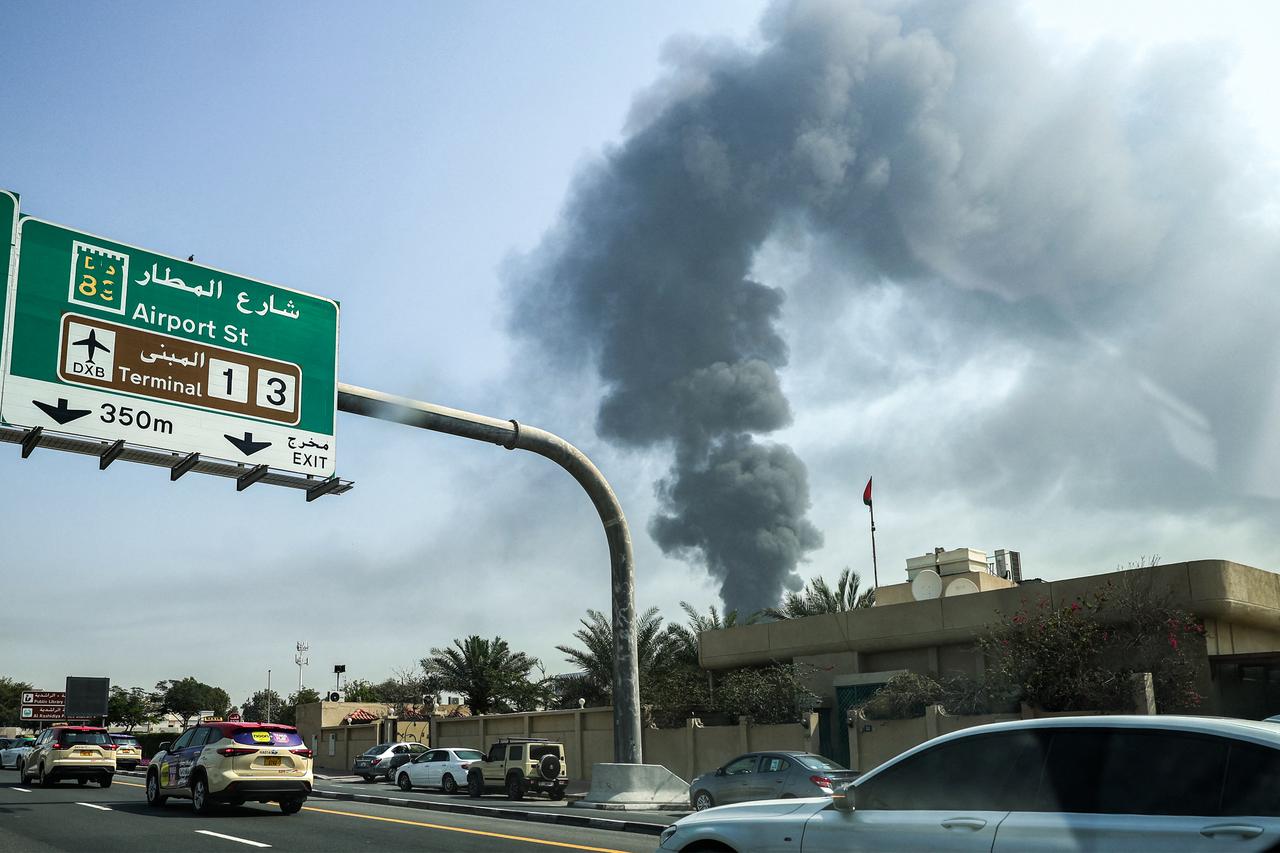
 1 min read