Sign in
 Newsletters


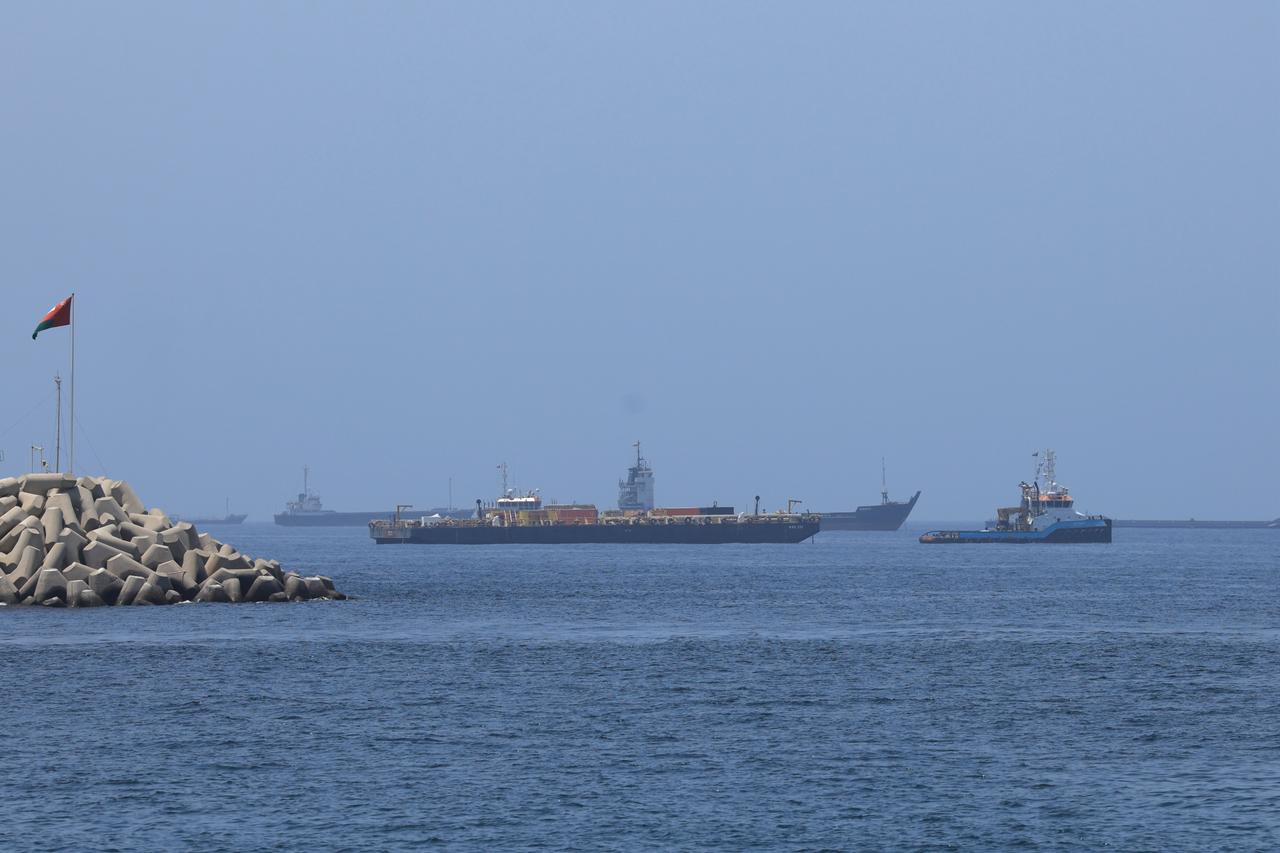


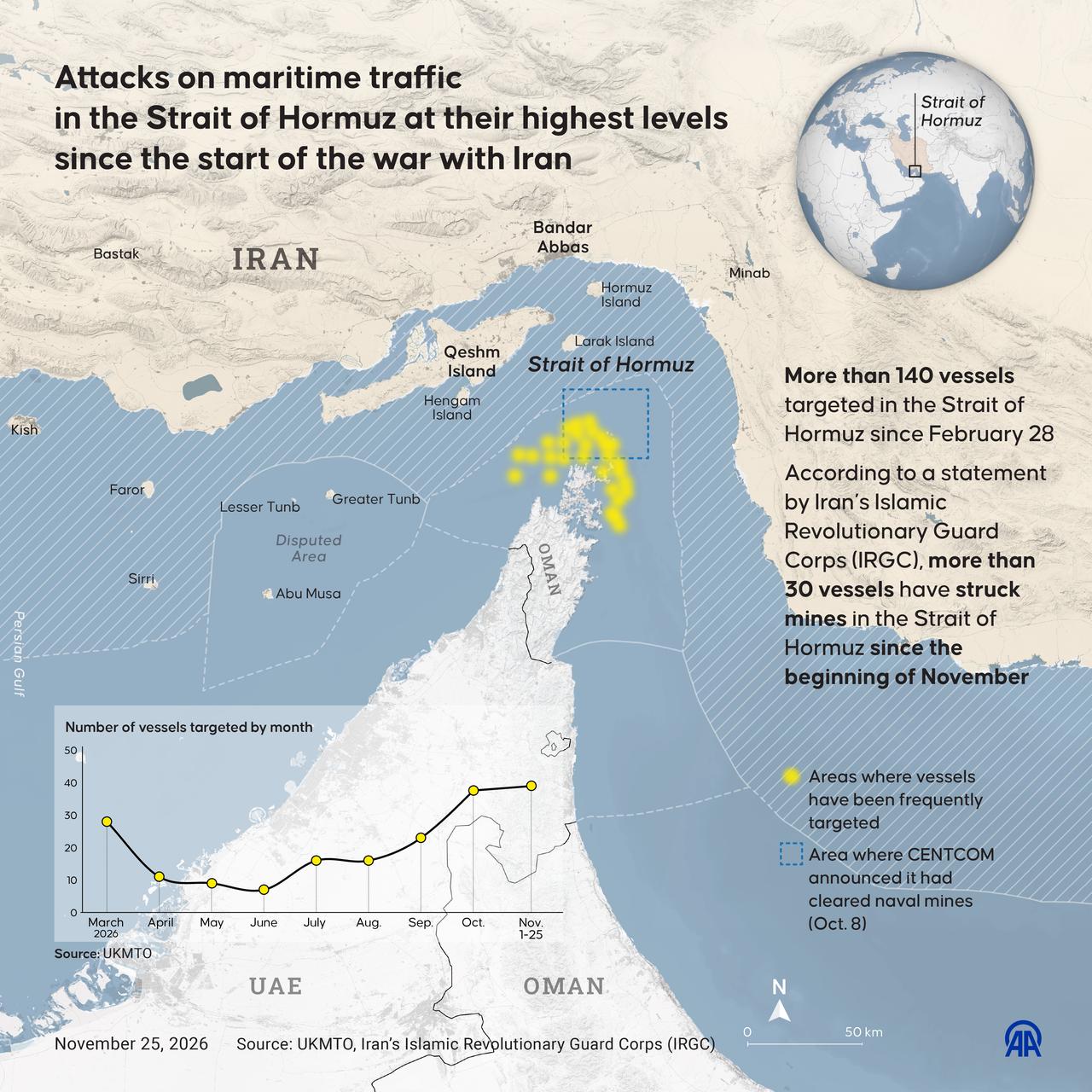
Iran's Revolutionary Guard Corps (IRGC) said Sunday that two oil tankers caught fire after striking naval mines in the Strait of Hormuz, including a supertanker carrying more than 2 million barrels of crude oil.
In a statement carried by state broadcaster IRIB, the IRGC Navy said the two vessels were traveling through routes it described as unauthorized when they struck mines in separate areas of the strategic waterway.
"One of the vessels was a supertanker carrying more than 2 million barrels of crude oil. It struck a naval mine north of Khasab Port and exploded," the statement said.
"The second tanker struck a mine while exiting the Strait of Hormuz, in the eastern part of the waterway, and caught fire," it added.
The IRGC warned commercial vessels against "relying on false promises made by (US) CENTCOM commanders," referring to the U.S. military's Central Command, which oversees American operations in the Middle East.
Iranian authorities did not immediately identify the vessels, their nationalities or the conditions of their crews.
The incidents could not be independently verified.

Earlier Sunday, Iran's military accused a U.S. drone of striking a fishing boat carrying three people off the southern coast of Sirik, leaving one person missing.
According to a statement carried by IRIB, two people aboard the vessel were rescued and taken to a hospital, while search teams continued looking for the third person, identified as the boat's owner.
The Iranian military provided no further details about the alleged attack, and there was no immediate independent confirmation of U.S. involvement.
The reported incidents come as Washington and Tehran remain locked in a confrontation over control of the Strait of Hormuz, a vital passage for global oil and gas shipments.
The United States has been supporting commercial vessels attempting to transit the waterway, while Iran has sought to restrict shipping through routes it does not authorize.
Tensions across the Middle East have remained high since the United States and Israel launched military operations against Iran on Feb. 28, prompting Tehran to retaliate with missile and drone attacks against Israel and U.S. military facilities in the region.
Iran subsequently imposed severe restrictions on shipping through the Strait of Hormuz, disrupting one of the world's most important energy corridors.
Washington and Tehran reached a framework agreement in June intended to pave the way for a broader peace settlement, but negotiations later stalled amid disagreements, including over freedom of navigation through the strait.
Iran has said it could reopen the waterway within two days if Washington agrees to its demands, including lifting the U.S. blockade.
The continued confrontation has raised concerns about maritime security and the safety of commercial vessels operating in the Gulf and surrounding waters.


 Set as preferred source
 Set as preferred source


 2 min read
 1 min read