Sign in
 Newsletters


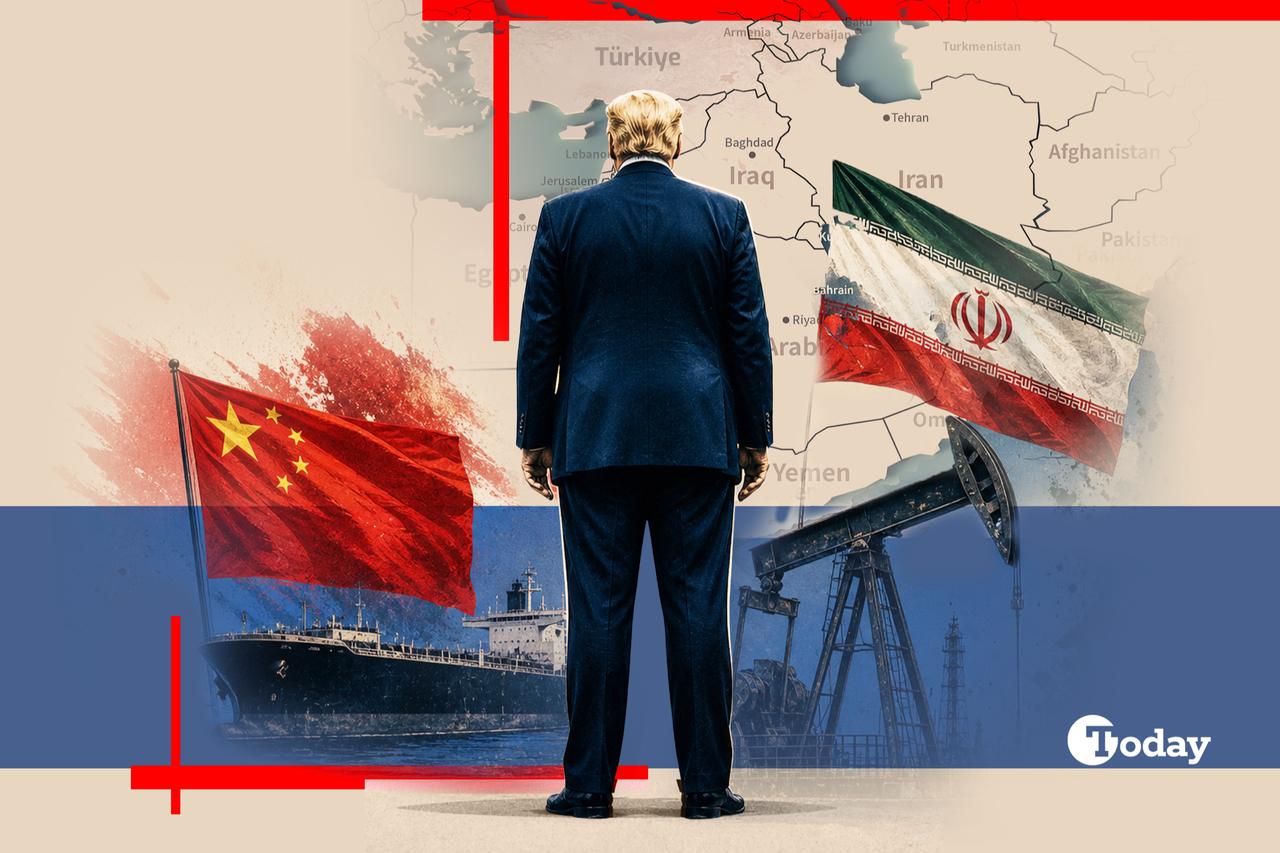


Air power alone is unlikely to topple Iran's government, and American boots on Iranian soil remain improbable. Which means that if this confrontation is to change anything on the ground, someone else will have to do it. The question is no longer simply whether the Islamic Republic can withstand the pressure, but who might be recruited to apply it.
Washington may seek to do so through local political and armed actors.
This possibility raises a broader question: Is the current confrontation intended only to weaken Iran, or is it part of an effort to reshape the regional balance of power?
Reports in Israeli media have suggested that contacts between the armed terrorist groups operating in Iran and Israeli officials have been discussed since June 2025. The possible involvement of PJAK and other organizations connected to the PKK and the YPG would add a new dimension to the crisis. However, media reports do not establish that a joint operation has been agreed. The YPG’s apparent willingness to compromise on some political demands in Syria may reflect a reassessment of its regional position, although any connection to Iran remains uncertain.
Still, such actors may be seeking to preserve their strategic relevance as Washington recalibrates its priorities. There may also be differences within the U.S. administration. Yet U.S. policy has never been shaped by a single institution or a unified strategic vision.
Statements by Salih Muslim just before his death in March 2026 about discussions involving U.S. Ambassador Tom Barrack and the Iraqi Shi’ite militia network Hashd al Shaabi illustrate the uncertainty surrounding Washington’s intentions.
Another organization that could become relevant is the Mujahedin-e Khalq. The group has a long history of opposition to the Islamic Republic and has maintained an organized presence outside Iran.
Its recently circulated ten-point plan, which includes proposals for minority autonomy, particularly for Kurds, appears designed to position the organization within a possible post-Islamic Republic political arrangement. Its cooperation with Saddam Hussein during the Iran-Iraq War remains controversial. Relocated to Albania in 2016, the group remains part of the European political and security debate. There is, however, insufficient public evidence that Washington intends to use it directly against Tehran.
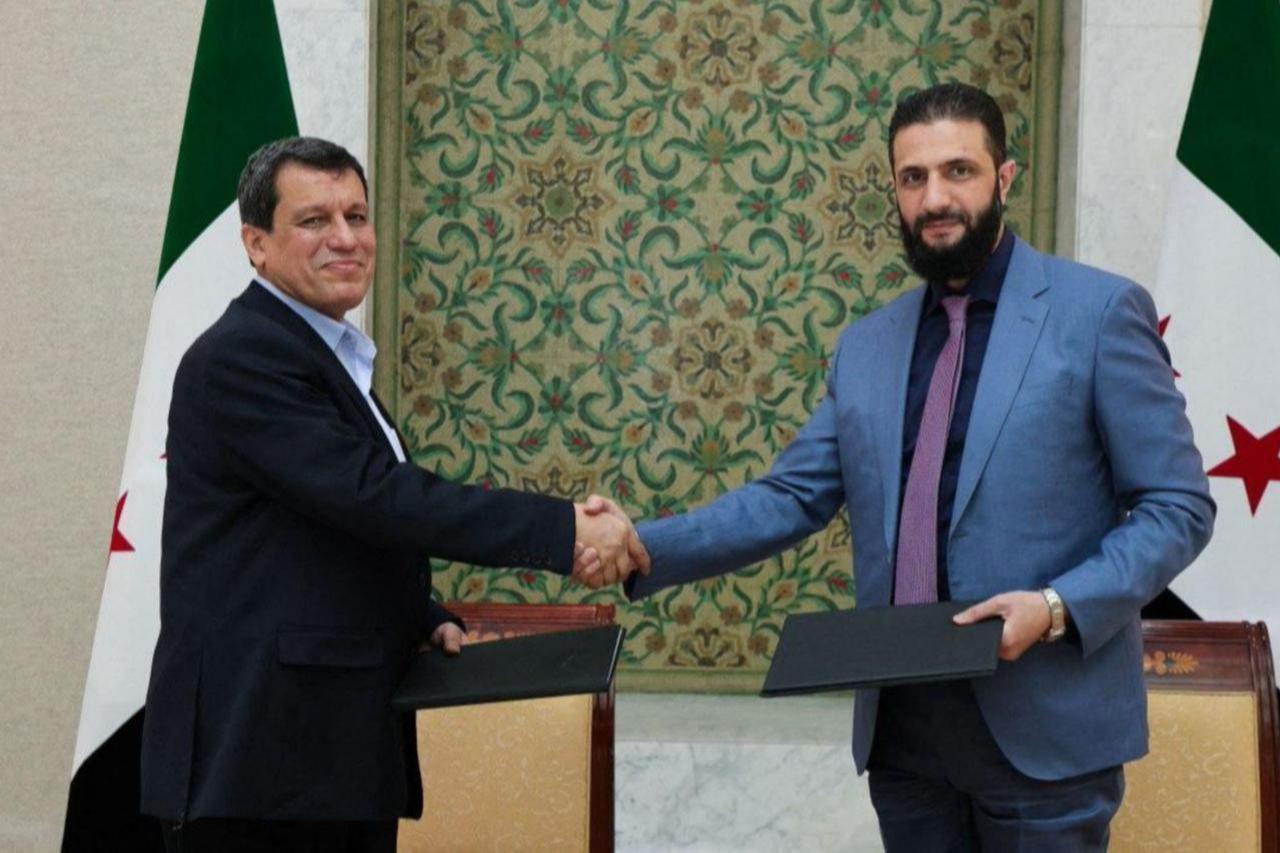

The new Syrian administration may also be affected by the confrontation. Its international legitimacy has been strengthened through engagement with Washington and European capitals.
The understanding reached between Damascus and Kurdish representatives at the end of January could be part of a wider regional recalibration. It is conceivable that the Syrian leadership may be encouraged to help counter Iranian influence in Iraq and elsewhere. The military experience of armed factions gives the new authorities familiarity with the region’s security environment, but does not mean Damascus has committed itself to confrontation with Iran.
Reports concerning the release of Daesh detainees from YPG-controlled facilities have added to regional uncertainty. Claims on Arabic-language websites about a meeting between Raghad Hussein and Syrian President Ahmad al-Sharaa have fueled speculation about contacts involving former Ba’athist networks. These reports require independent verification.
The historical precedent of Saddam Hussein’s unsuccessful attempt to mobilize the Arab population of Iran’s Khuzestan province during the Iran-Iraq War is worth recalling. Whether any comparable effort is being considered today remains unclear.
The possible mobilization of marginalized Ba’athist networks in Iraq and the Sunni Baloch movement along the Iranian-Pakistani border could broaden the confrontation beyond the Iran-Israel-American triangle.
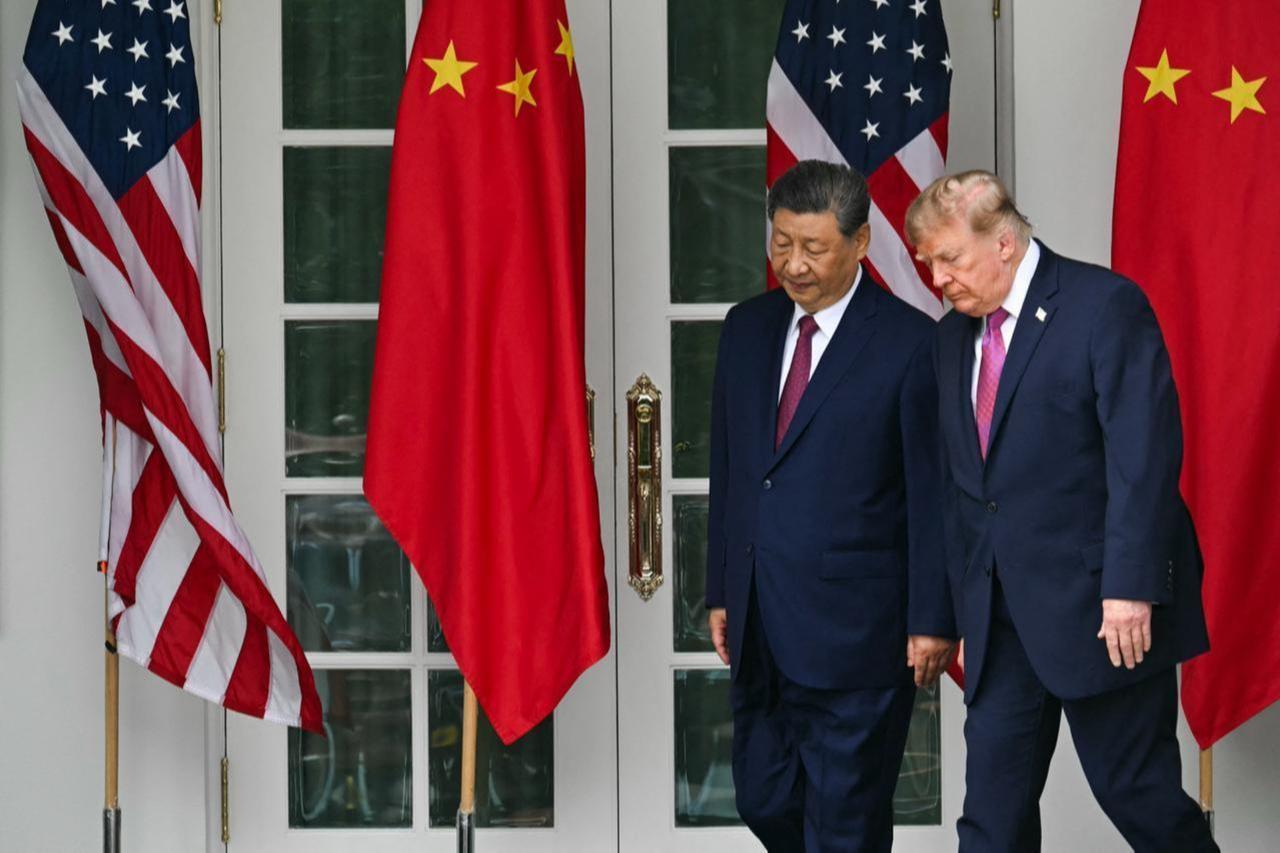
The confrontation can also be understood through a wider geopolitical lens. Since the Obama administration, Iran has expanded its regional influence through political, economic and military partnerships, creating what became known as the “Shi’ite Crescent.” Washington now appears determined to reverse this trajectory and reduce Tehran’s ability to project power beyond its borders.
Yet weakening Iran may not be the ultimate objective. The country’s energy resources and strategic location make its future orientation important to the wider competition between Washington and Beijing. Iran’s economic relationship with China has become a significant element of Beijing’s regional presence.
A weakened Iran that eventually becomes more accommodating toward Washington could therefore serve American interests well beyond the immediate security concerns surrounding Israel and the Gulf.
This is why the relationship between Tehran and Beijing deserves particular attention. China has remained an important economic partner for Iran and a major destination for its energy exports, despite repeated American warnings.
Iranian President Masoud Pezeshkian’s remarks emphasizing the absence of substantial Chinese financial or military support may reflect frustration within parts of the Iranian political establishment. They may also point to an emerging debate in Tehran over the costs and limits of its partnership with Beijing. Washington’s approach to the Gulf is part of the same picture.
Pressure on Gulf governments to make substantial financial commitments may help consolidate an American-led order linking security guarantees, economic partnerships and political alignment, while limiting China’s influence. The Strait of Hormuz demonstrates the global stakes. A serious disruption would affect not only Iran and the Gulf states but also China and European economies dependent on energy supplies from the region. It could accelerate Europe’s search for alternative sources and increase the strategic importance of Russian energy exports.
The consequences of a regional conflict would therefore extend far beyond the Middle East. Russia’s relatively cautious position is also noteworthy. Moscow could benefit from developments that increase European energy insecurity or complicate relations between European governments and Washington.
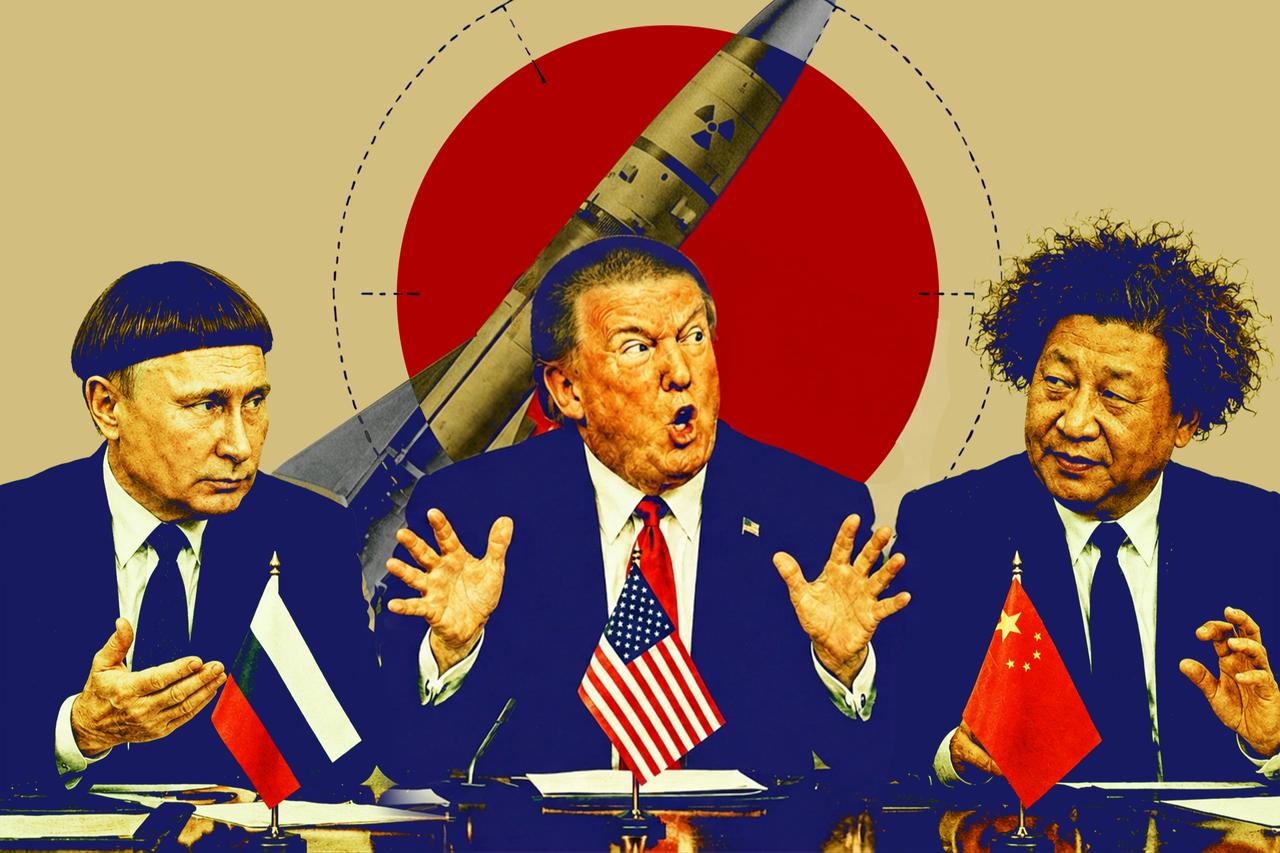
A possible American-Russian understanding on limiting China’s influence cannot be ruled out as a long-term consideration. This does not establish a formal agreement, but highlights the link between the Iran crisis and great-power competition.
Remarks attributed to U.S. Ambassador Tom Barrack at the Doha Forum in December, suggesting that “benevolent” monarchies function more effectively than democratic systems in the Middle East, are relevant to this debate.
They reflect a wider discussion about the political structures Washington is prepared to support. If the United States increasingly prioritizes stability, security cooperation and strategic alignment over political reform, the emerging regional order may differ significantly from the one promoted in earlier periods. Ultimately, the confrontation may be about more than the future of the Islamic Republic.
Washington appears to seek a Middle East in which Iran is less capable of projecting power, Gulf governments are more firmly integrated into an American security and economic framework, and China’s access to the region’s energy resources and strategic networks is constrained.
The outcome is far from predetermined. Iran’s internal politics, the calculations of regional actors and the limits of American influence could all produce results different from those anticipated in Washington. But the consequences will not be determined solely in Tehran. They will also depend on choices made in Baghdad, Damascus, the Gulf capitals and beyond.
The struggle over Iran may ultimately become one of the central fronts in the emerging competition between the United States and China.


 Set as preferred source
 Set as preferred source


 2 min read
 1 min read