Newsletters


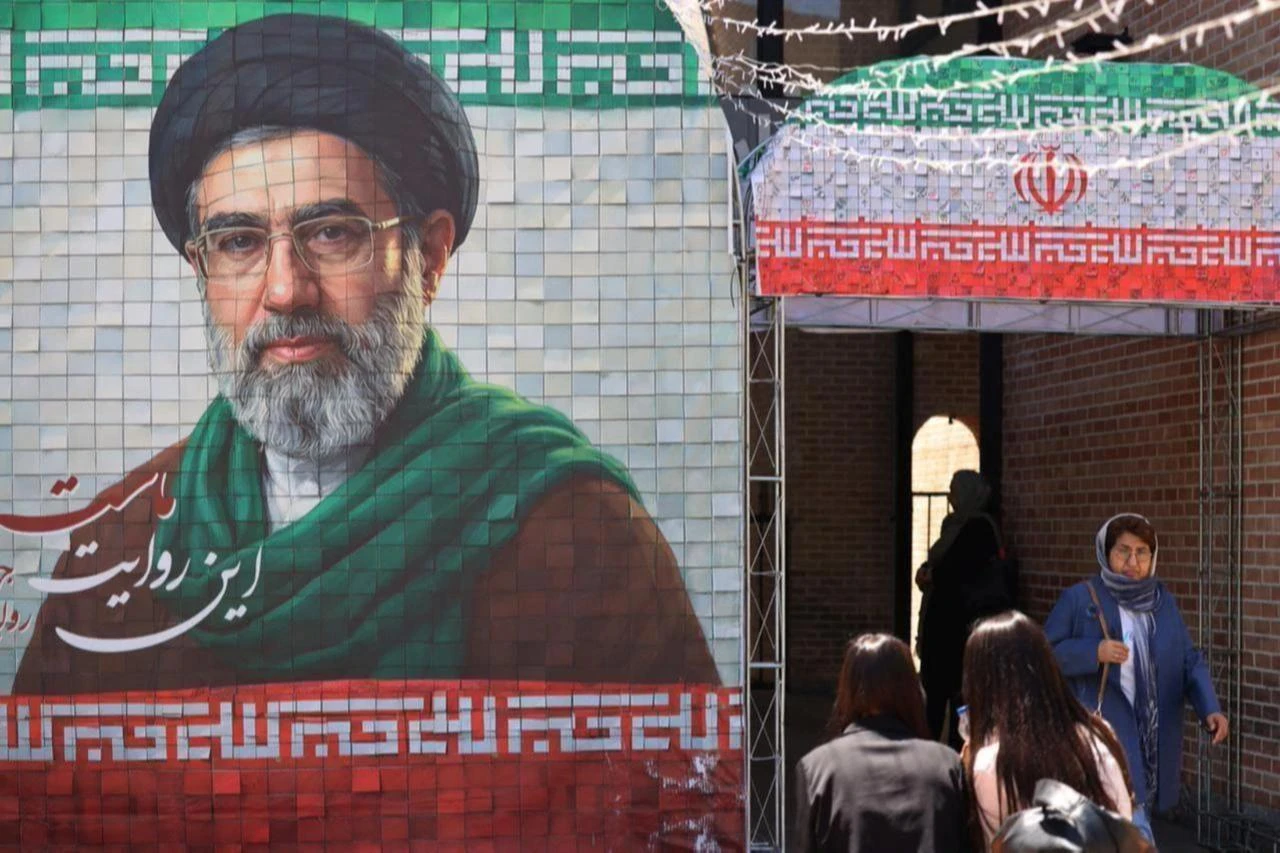


Iran's new Supreme Leader Mojtaba Khamenei on Sunday declared unconditional backing for Hezbollah and demanded a full end to Israeli military operations in Lebanon, in a public statement that rejects the terms of a US-brokered framework agreement signed last month.
Writing on X in response to a letter of allegiance from Hezbollah's secretary-general and fighters, Khamenei called on the Islamic Republic to treat the preservation of Lebanon's territorial integrity and "the absolute, unconditional termination of the Zionist regime's aggression" as the primary condition for any agreement ending what he described as a war imposed by the United States.
The statement marks one of Khamenei's most direct public pronouncements on the Lebanon conflict since assuming the supreme leadership earlier this year following the death of his father, Ali Khamenei.
It signals that Tehran intends to remain a central actor in any diplomatic resolution, despite a June 26 framework agreement between Lebanon and Israel that Hezbollah has already rejected outright.
In language that drew on the ideological framing long used by the Islamic Republic, Khamenei described Hezbollah as standing "an unyielding rock as forerunner of groups" fighting against Israeli military operations.
He portrayed resistance as the only legitimate path forward, saying that "there remains no path forward except jihad and resistance," and accused the United States and Israel of being "the destroyers of lives and generations."
The statement did not engage with ongoing diplomatic efforts or the framework agreement's conditions, focusing instead on positioning Hezbollah as central to what Tehran frames as a broader regional confrontation with Washington and Tel Aviv.

The framework agreement signed on June 26 by Lebanese and Israeli ambassadors in Washington, with US Secretary of State Marco Rubio presiding, outlines a phased Israeli withdrawal from occupied Lebanese territory.
However, the deal does not set a fixed timetable. Instead, it links an Israeli pullout to the Lebanese army assuming full security responsibility in vacated areas and to the verified disarmament of non-state armed groups, a condition that directly targets Hezbollah.
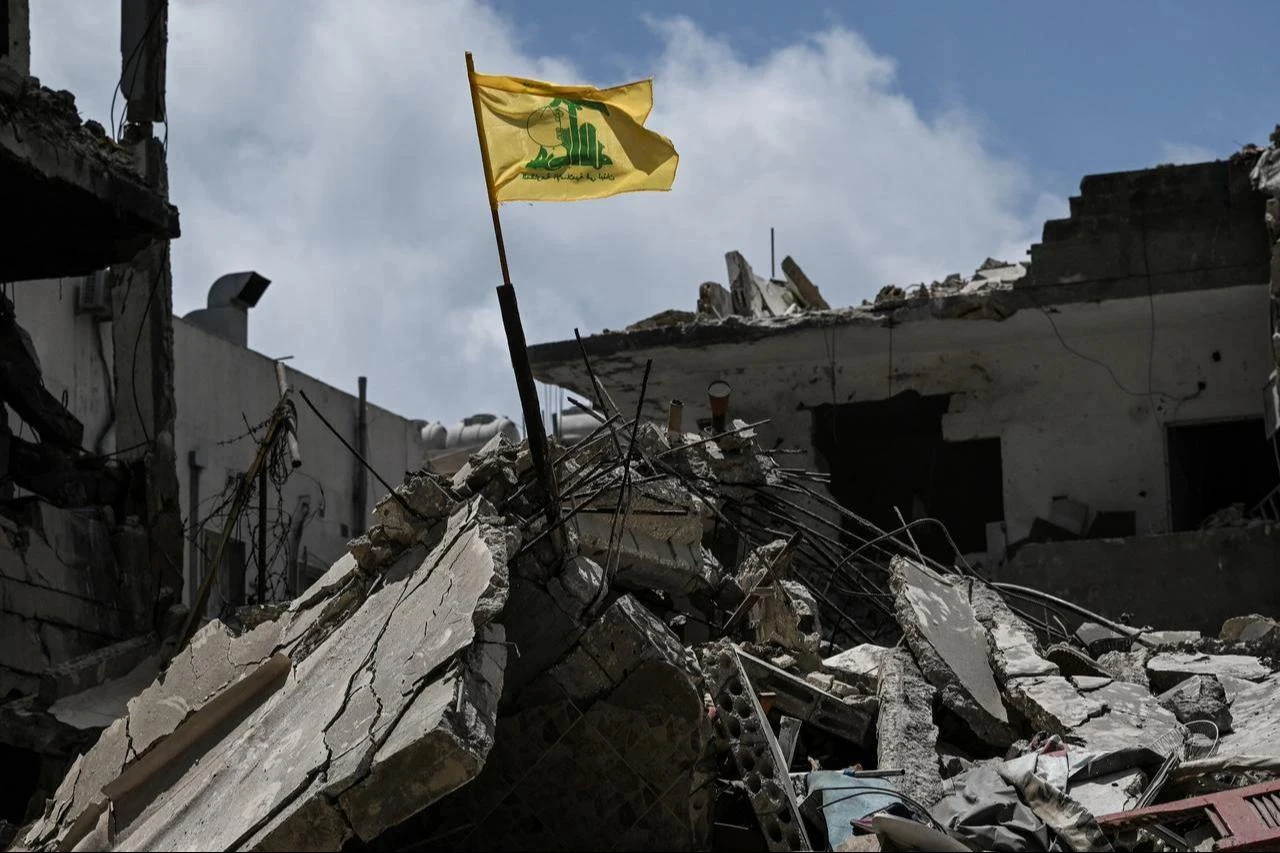
The group rejected the agreement as surrender, arguing it undermined Lebanese sovereignty.
The Lebanese government, for its part, expressed commitment to implementing the deal while urging Washington to hold Israel to its obligations, particularly regarding a complete withdrawal from southern Lebanon.
Israel continues to occupy parts of southern Lebanon, including areas held for decades and others seized during fighting that ran from October 2023 to November 2024.
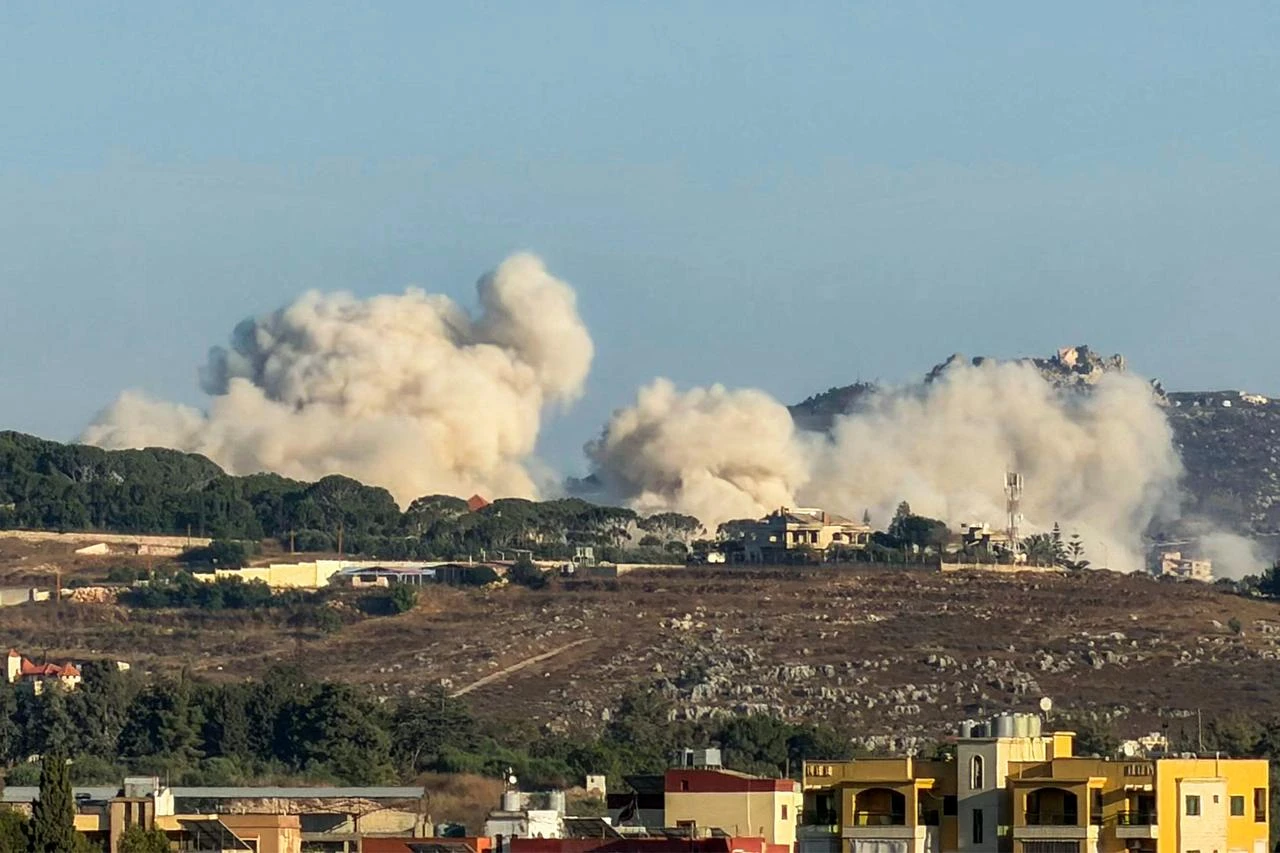
According to official Lebanese figures, Israeli attacks since March 2 have killed 4,330 people and wounded 12,236 others. The conflict reignited after a previous ceasefire arrangement that had halted major hostilities in November 2024, with Israel continuing to conduct near-daily strikes and declining to complete its withdrawal under that earlier deal.
Khamenei's broadside against both the US and Israel extended to a condemnation of what he called the "tyranny and oppression" of the two governments, framing global public sentiment as having turned against them. He offered no indication that Tehran would lend support to diplomatic efforts that require Hezbollah's disarmament as a precondition for an Israeli exit.


 Set as preferred source
 Set as preferred source


 2 min read
 1 min read