Newsletters


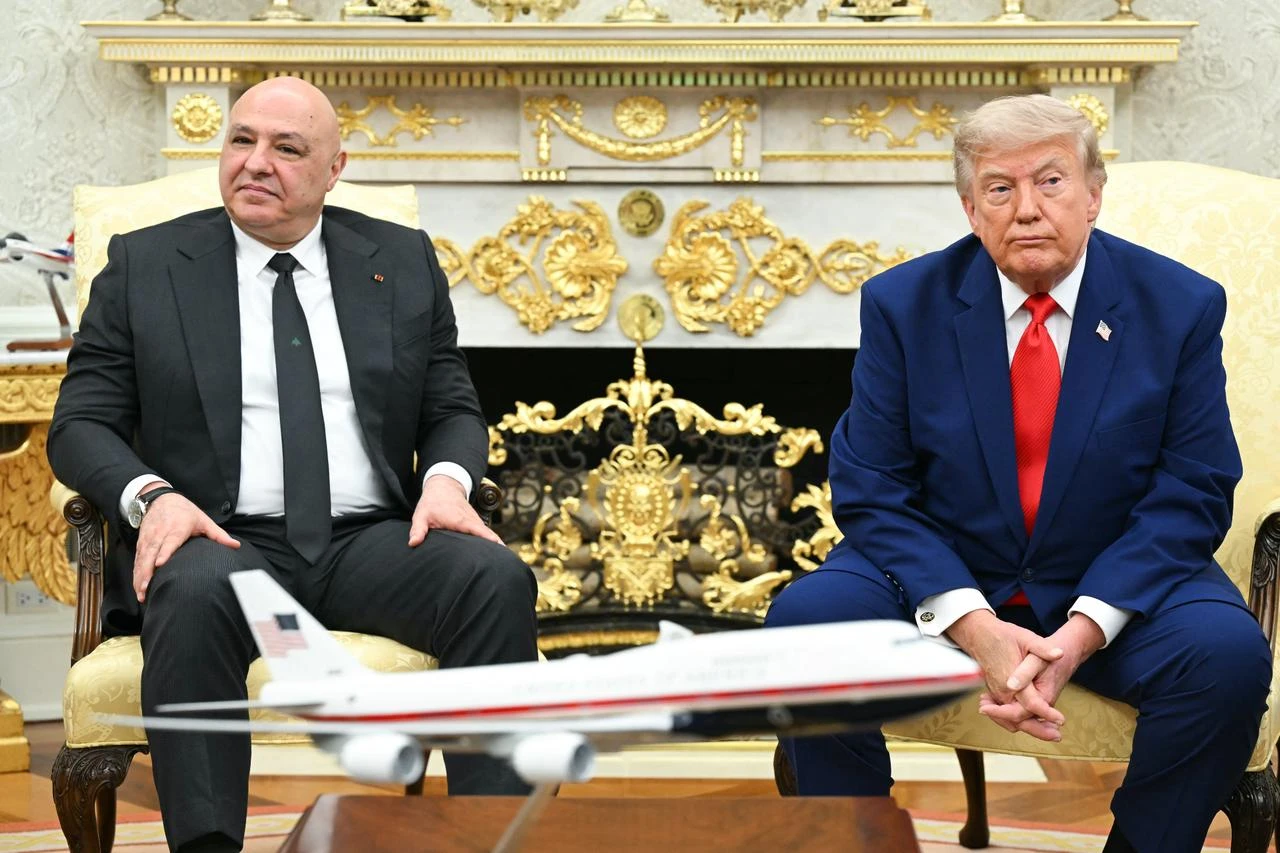


U.S. President Donald Trump welcomed Lebanese President Joseph Aoun to the White House on Tuesday in the first meeting between the leaders of the two countries in 17 years, declaring his personal commitment to helping Lebanon recover from decades of conflict and endorsing a landmark trilateral framework agreement that both men described as a potential turning point for the region.
The Oval Office meeting capped a four-day Washington visit by Aoun during which the Lebanese leader also held talks with Secretary of State Marco Rubio and members of the U.S. Senate.
It was the first time a Lebanese head of state had visited Washington since President Michel Sleiman met Barack Obama in 2009.
Aoun thanked Trump for what he called a "historic achievement," pointing to the trilateral framework signed by Lebanon, Israel, and the United States on June 26 after five rounds of direct negotiations.
"This will be your legacy," Aoun told Trump, adding that the agreement marked the beginning of an effort to end what he described as a state of hostility between the two neighboring countries "forever." Trump responded by saying he agreed, and that Lebanon had the spirit necessary to make it work.

The June 26 agreement, signed at the State Department in the presence of Rubio, commits both Israel and Lebanon to mutual recognition of each other's sovereignty and to continuing negotiations aimed at formally ending their state of war.
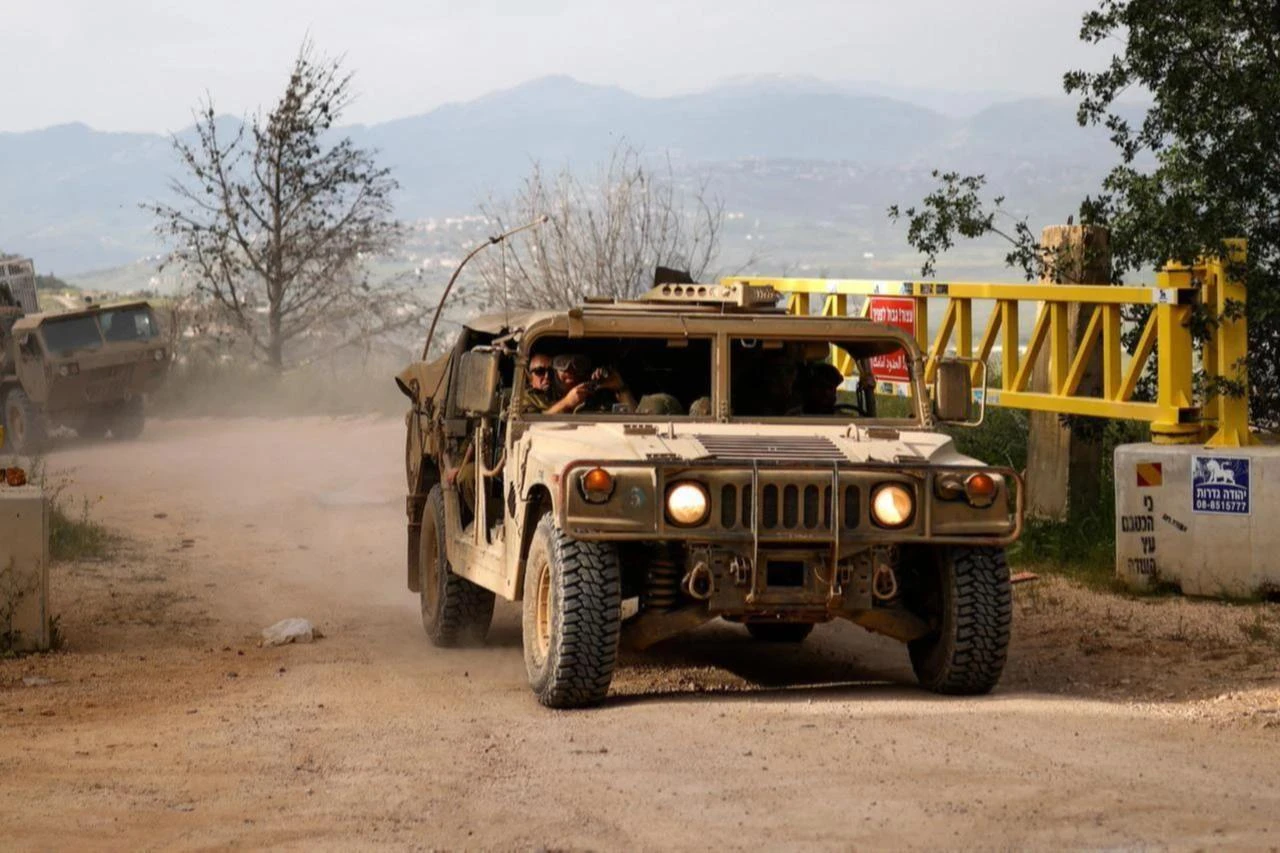
Under its terms, Israeli military are to withdraw in phases from southern Lebanon while the Lebanese Armed Forces move in to dismantle Hezbollah's weapons infrastructure and assert sole state authority over vacated areas. The U.S. described the deal, at signing, as "the beginning of the beginning," with Rubio calling it "the first step" in a long process.
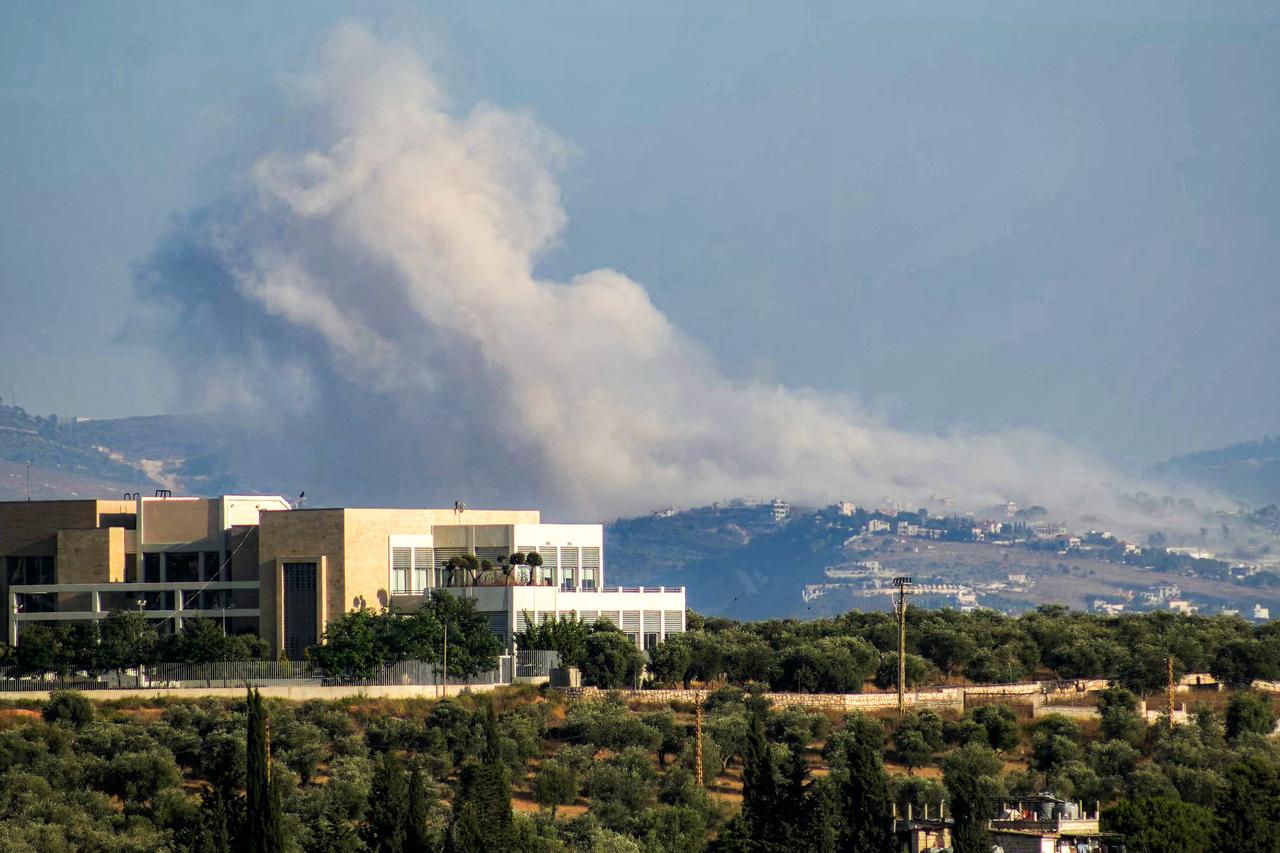
Implementation has already hit friction. On Tuesday, just as Aoun was meeting Trump, Lebanese military units deploying to the village of Zawtar al-Gharbiyeh, one of three designated "pilot zones" in southern Lebanon, came under fire from Israeli military.
The Lebanese army said the incident threatened to undermine the deployment process and urged civilians to avoid the area. Israel's military confirmed it had opened fire, saying Lebanese soldiers had crossed into the agreed zone with a bulldozer.
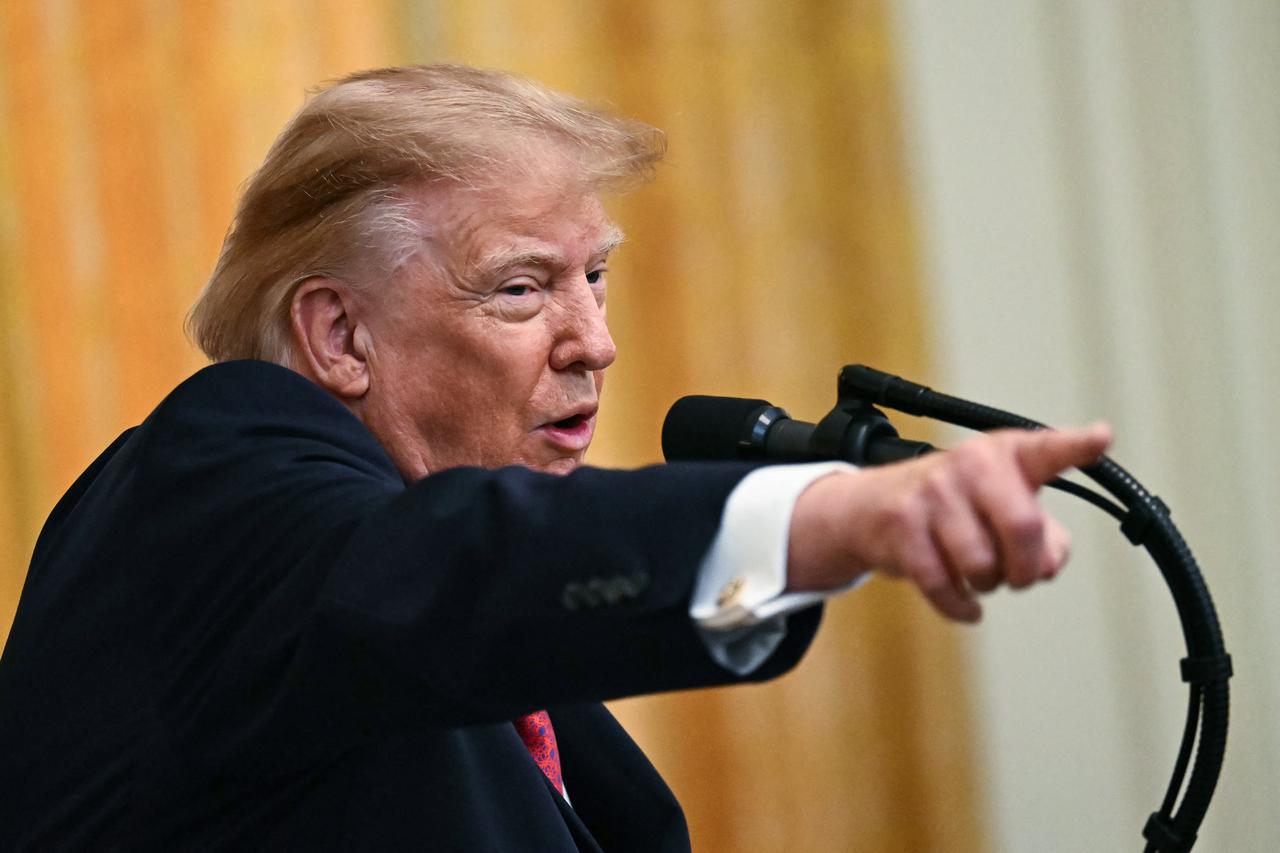
Trump, when asked about the incident at a press conference alongside Aoun, said he had only just heard about it and would look into it. Aoun's office had indicated before the visit that he planned to press Trump to push Israel on the withdrawal timeline.
The pilot zone initiative, covering the villages of Froun, Srifa, and Zawtar al-Gharbiyeh, was announced Monday by the State Department as the deal's first concrete test on the ground, the result of U.S.-mediated talks held in Rome last week.
Under the arrangement, Lebanese army units enter areas Israel vacates, certify them clear of Hezbollah weapons, and establish state authority before any further Israeli redeployment takes place.
A central thread running through the Washington visit was Aoun's push for greater American support for the Lebanese Armed Forces, long seen as the country's most trusted institution but chronically underfunded and outmatched by Hezbollah's parallel military structure.
Aoun said he had told Trump he needed two things: political backing, and direct support for the Lebanese army, which he described as "the backbone of security and stability."
He warned that without sustained investment in the armed forces, Lebanon risked a return to the fragmentation of the 1975 civil war, when the military's collapse gave rise to competing militias and left the south exposed.
Trump said the two leaders had "very concrete plans" already in development to help build Lebanon's security capacity, adding that the country was also becoming more self-sufficient. The U.S. pledged $100 million in humanitarian and military training assistance at the time the June 26 agreement was signed.
Rubio, speaking after his meeting with Aoun on Sunday, was blunt about the stakes. Lebanon, he said, would "never be fully at peace" as long as Hezbollah remained armed.
"How do you replace Hezbollah?" he asked. "You defeat and replace them with a government that is strong enough to be the sole force of arms in the country."
He also flagged economic reconstruction as a parallel imperative, saying the challenge was not just military but about attracting American and international investment into the country.
The agreement faces significant domestic opposition. Parliament Speaker Nabih Berri, an ally of Hezbollah and leader of the Amal Movement, declared after the June 26 signing that the deal "will not pass and will not be implemented in its current form," calling it an "agreement of dictates" and comparing it unfavorably to a 1983 accord with Israel that the Lebanese parliament ultimately rejected.
Berri, who said he was not consulted before the deal was announced, warned that it risked opening the door to sectarian strife, saying he saw "civil strife in it."
When a reporter raised Berri's opposition at Tuesday's press conference, calling him Hezbollah's "big brother," Aoun pushed back. The framework does not require parliamentary endorsement, he said, describing it as a presidential prerogative under the Lebanese constitution.
He also offered a more sympathetic reading of Berri's position, arguing that the speaker is constrained by his role as a leader of the Shia community and that he is, at heart, "a man of state" who wants the war to end.
"He's from the South," Aoun said, "and he knows he did his best to rebuild the South, but unfortunately, the South is being destroyed in front of his eyes."
Trump predicted that Berri would come around once he saw the progress made. "When he sees the progress, I'm sure he's going to come on," Trump said.
Hezbollah itself has rejected the agreement outright, with the group's lawmakers declaring it a surrender that undermines Lebanese sovereignty. The armed movement, backed by Iran, remains vehemently opposed to the direct Lebanon-Israel negotiations that produced the deal.
 1 min read
Beyond the immediate security agenda, Trump signaled openness to restoring direct commercial flights between the United States and Lebanon, saying he could "absolutely" see that happening.
He also pointed to Lebanon's potential role in the broader Abraham Accords framework, which normalized relations between Israel and several Arab states during his first term and which he said was continuing to attract new members.
A reporter noted that Lebanon still enforces a 1955 law criminalizing contact with Israel, with some individuals imprisoned as recently as last month. Trump said he would raise the issue with Aoun.
Lebanon, for its part, has engaged in direct negotiations with Israel since April, the first such talks in decades, though they take place under U.S. mediation and within the narrow parameters set by the framework agreement.
Trump said he might also be willing to speak with Hezbollah directly, saying he will "speak to everybody" if it moves things forward. He added that if Aoun ever wanted him to open such a channel, he would.
On Iran, Trump said that while fighting continued, Tehran was "desperate" to negotiate.
Defense Secretary Pete Hegseth, appearing alongside Trump, said Iran had been given every opportunity to show reasonableness and had failed to do so, but that the option to talk remained open.
Trump said the damage inflicted on Iran's military and nuclear infrastructure would take 20 to 25 years to rebuild, and that strikes on any site where centrifuge or nuclear activity was suspected would continue.
Aoun is scheduled to meet with members of the U.S. Senate before concluding his visit.
His office said before departure that he would bring a written proposal outlining how Hezbollah's arsenal could be dismantled in tandem with a verified Israeli withdrawal, the two central conditions that the framework lays out but leaves deliberately vague on sequencing and timeline.


 Set as preferred source
 Set as preferred source


 1 min read