Newsletters


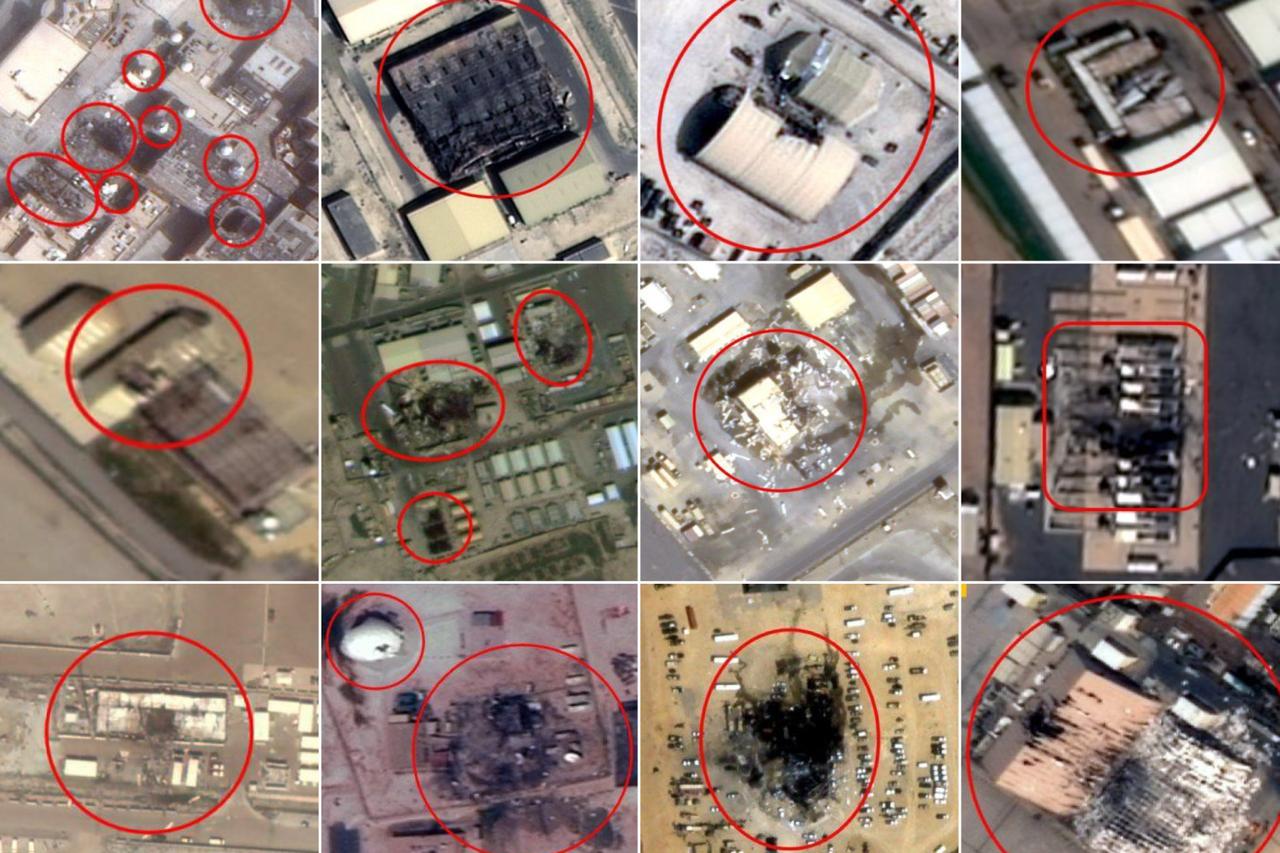


Iranian airstrikes have damaged or destroyed 228 structures and pieces of equipment at 15 U.S. military sites across the Middle East, far more than has been publicly acknowledged by Washington.
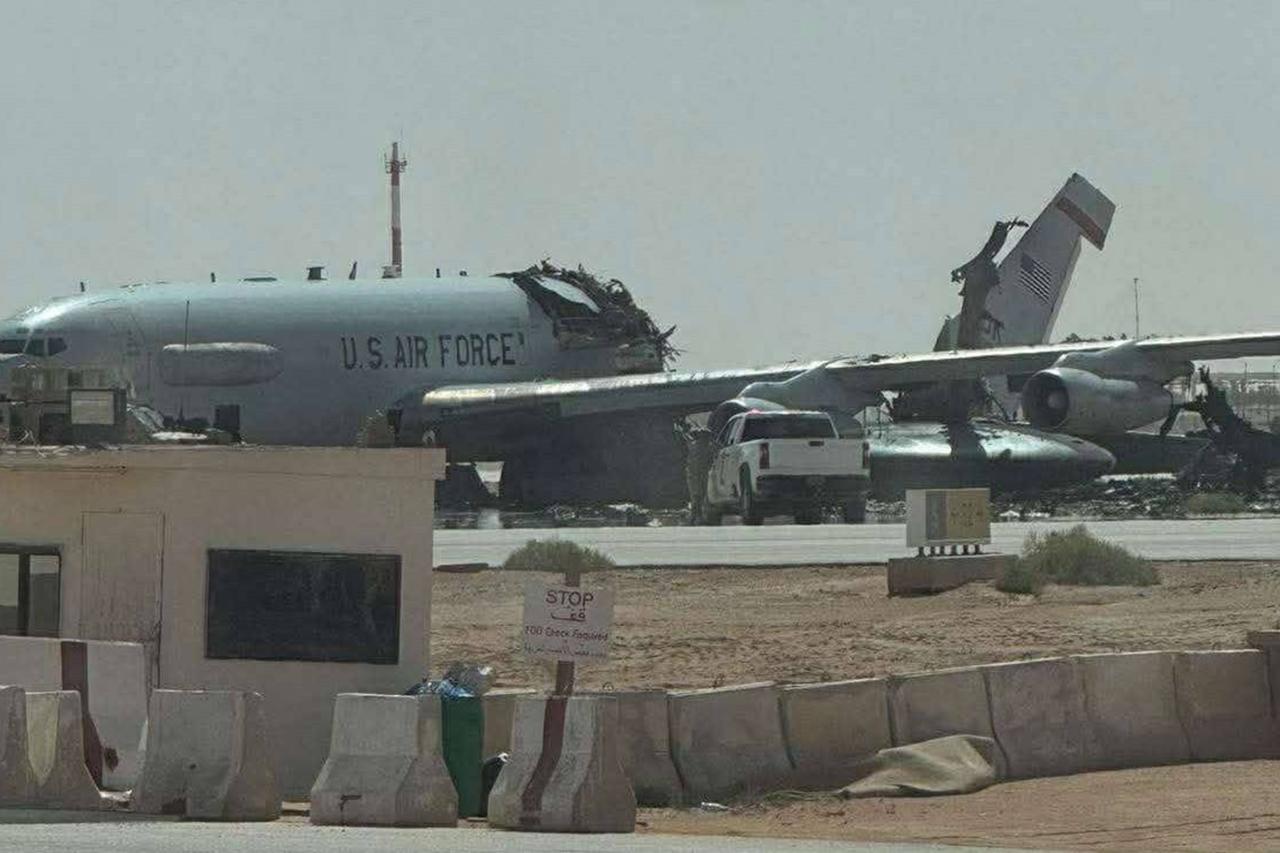
The damage includes Patriot and THAAD missile defense systems, an E-3 Sentry command-and-control aircraft, barracks, hangars, fuel depots, and satellite communications sites, according to an analysis of satellite imagery published by the Washington Post.
The 228 confirmed damaged or destroyed items consist of 217 structures and 11 pieces of equipment across 15 bases. More than half of the documented damage occurred at the Naval Support Activity (NSA) Bahrain, which serves as the Fifth Fleet headquarters, and at three bases in Kuwait: the Ali Al Salem Air Base, Camp Arifjan, and Camp Buehring, according to the Post.
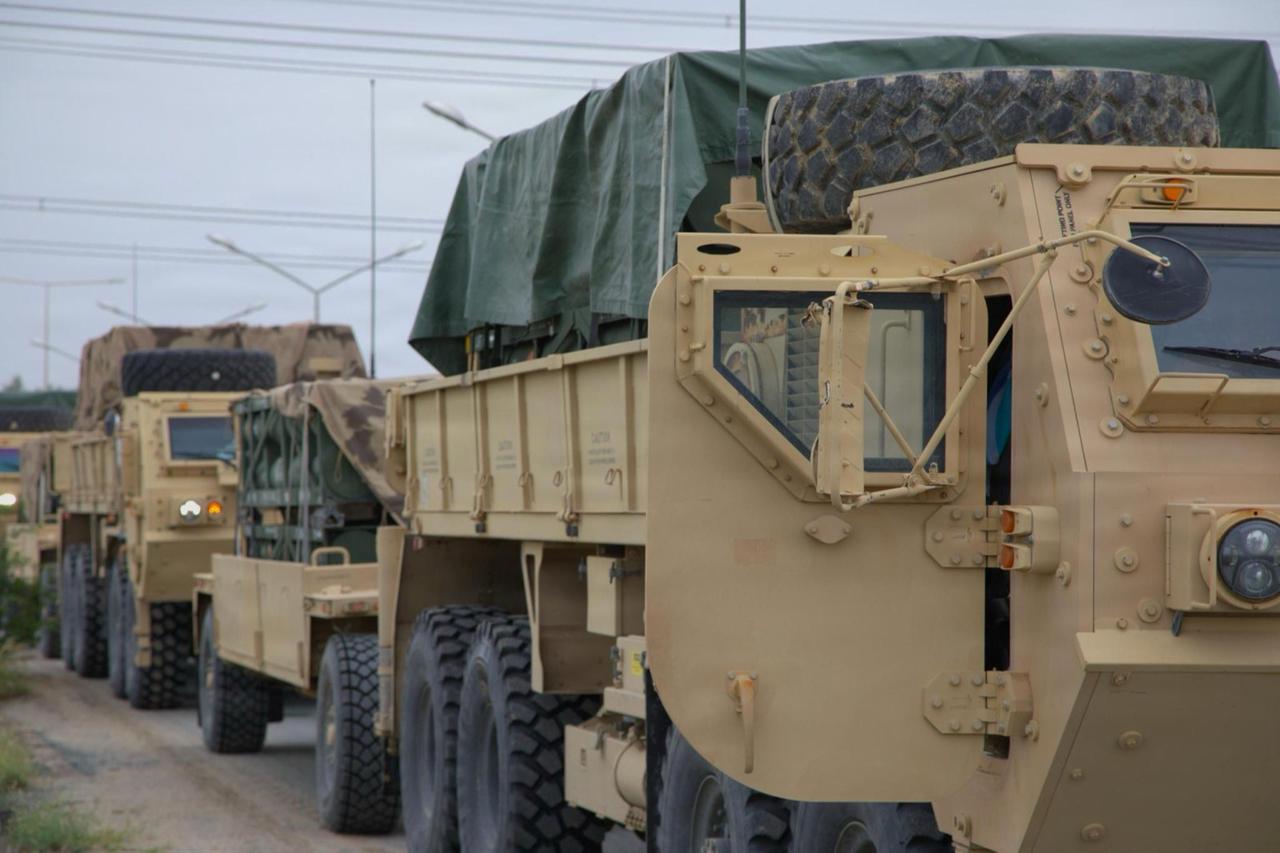
A U.S. official told the newspaper those locations were hit the hardest, possibly because they permitted U.S. offensive operations from their territory, including the use of the High Mobility Artillery Rocket System, known as HIMARS.

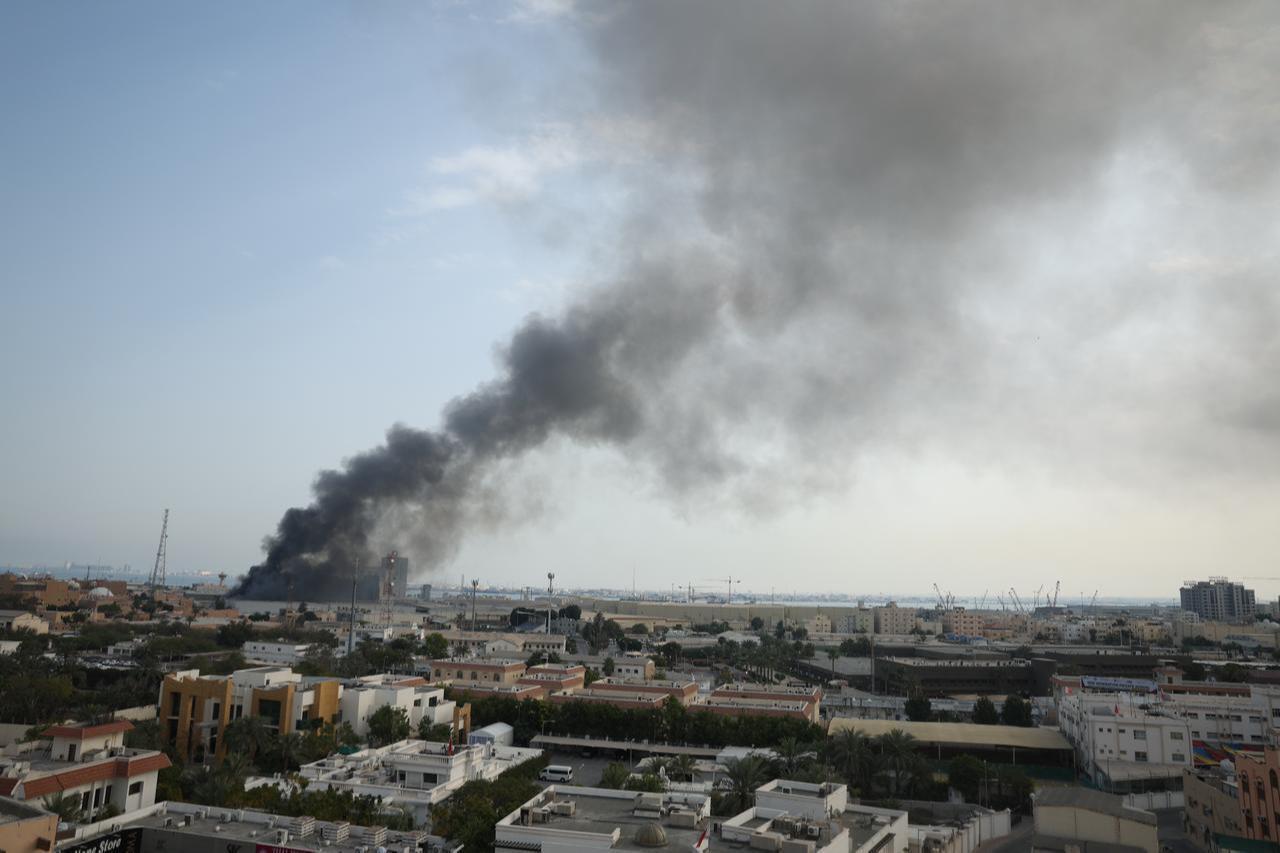
A U.S. official told the Post that damage at the NSA Bahrain is "extensive" and that the Fifth Fleet headquarters has been relocated to the MacDill Air Force Base in Tampa, Florida, the home of the U.S. Central Command (CENTCOM).
"It is unlikely that troops, contractors or civilian employees will return to the base anytime soon," the official said.
Two other officials said U.S. forces "may never return to regional bases in large numbers," though no final decision has been made.
The Post's verified imagery documented the destruction or damage of:
Since the war began on Feb. 28, seven U.S. service members have died in strikes on U.S. facilities, six in Kuwait and one in Saudi Arabia, and more than 400 troops have suffered injuries as of late April.
At least 12 were classified as seriously injured, according to U.S. officials speaking anonymously due to the sensitivity of the matter.
Experts who reviewed the Post's analysis said the damage suggested the U.S. military underestimated Iran's targeting capabilities and failed to adequately adapt to modern drone warfare.
"The Iranian attacks were precise. There are no random craters indicating misses," Mark Cancian, a senior adviser with the Center for Strategic and International Studies (CSIS) and a retired Marine Corps colonel, told the Post.
William Goodhind, an investigator with the open-access research project Contested Ground, said: "The Iranians have deliberately targeted accommodation buildings across multiple sites with the intent to inflict mass casualties. It is not just equipment, fuel storage and air base infrastructure under fire, but also soft targets, such as gyms, food halls and accommodation."
Maximilian Bremer, a nonresident fellow at the Stimson Center and a retired Air Force officer, said the strikes had created a fundamental trade-off for military planners: "Pull troops back to safer locations and limit their ability to fight or maintain the bases as they were and accept the potential of future casualties."
"We have moved from an age of stealth to one where the entire battlespace is translucent and increasingly transparent," he added.
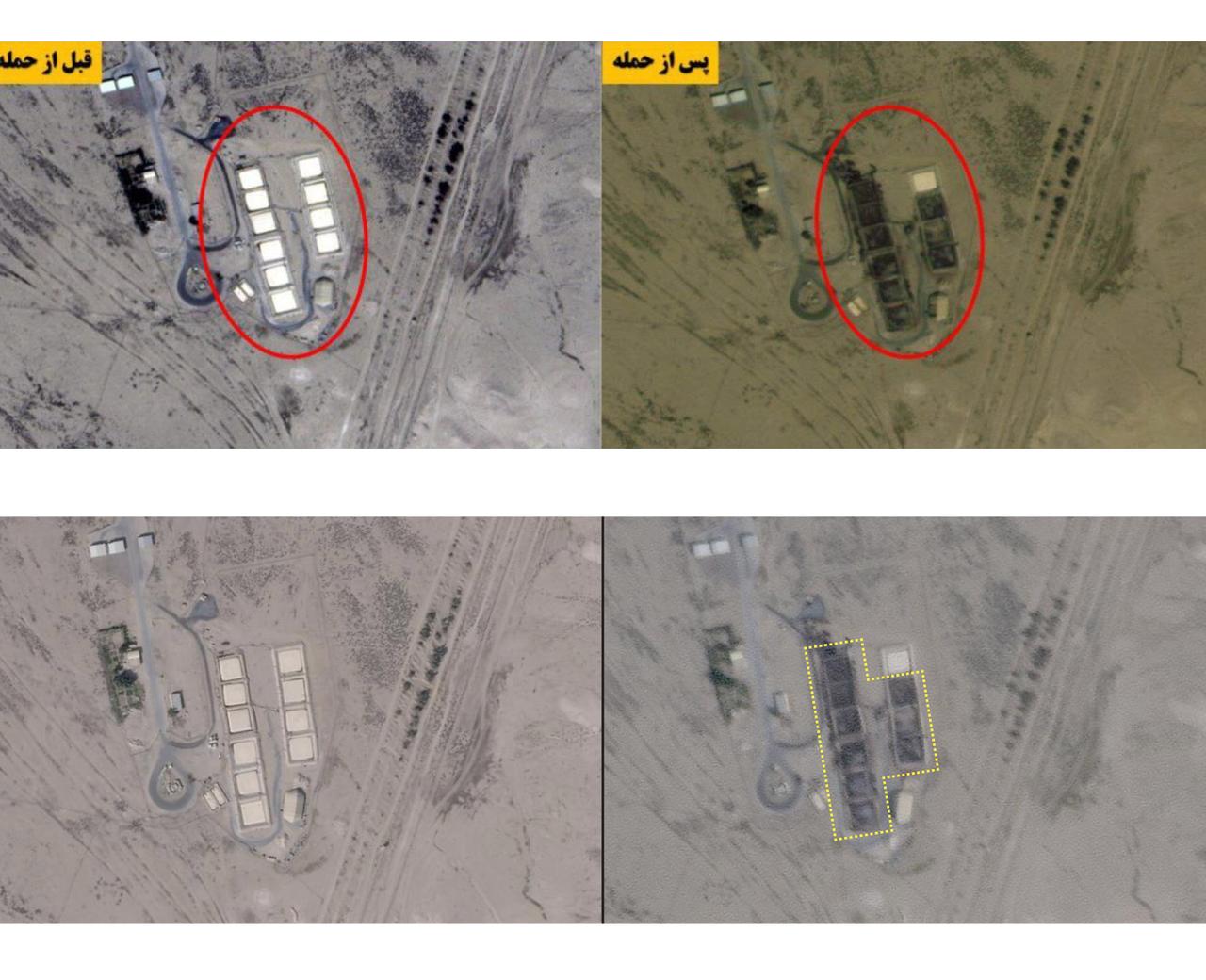
The Post noted that two of the largest commercial satellite imagery providers, Vantor and Planet, complied with U.S. government's requests to limit, delay or withhold publication of imagery of the region while the war was ongoing, restrictions that began less than two weeks into the conflict.
Iranian state-affiliated news agencies, by contrast, have regularly published high-resolution satellite imagery documenting damage to U.S. sites throughout the war.
The Post said it reviewed more than 100 Iranian-released satellite images, verified 109 of them against EU Copernicus imagery, and Planet data where available, excluded 19 as inconclusive, and found no evidence of manipulation. It also identified an additional 10 damaged or destroyed structures in a separate Planet search not found in Iranian imagery.
A military spokesperson disputed characterizations of the damage as extensive or evidence of failures but declined to provide specifics, saying fuller context would be available after the conflict ends.
The Post noted that previous reviews by the New York Times found strikes at 14 U.S. military sites, NBC News cited 100 targets struck across 11 bases and CNN reported 16 installations damaged, all substantially below the Post's 228-structure figure.


 Set as preferred source
 Set as preferred source


 2 min read
 1 min read