Newsletters


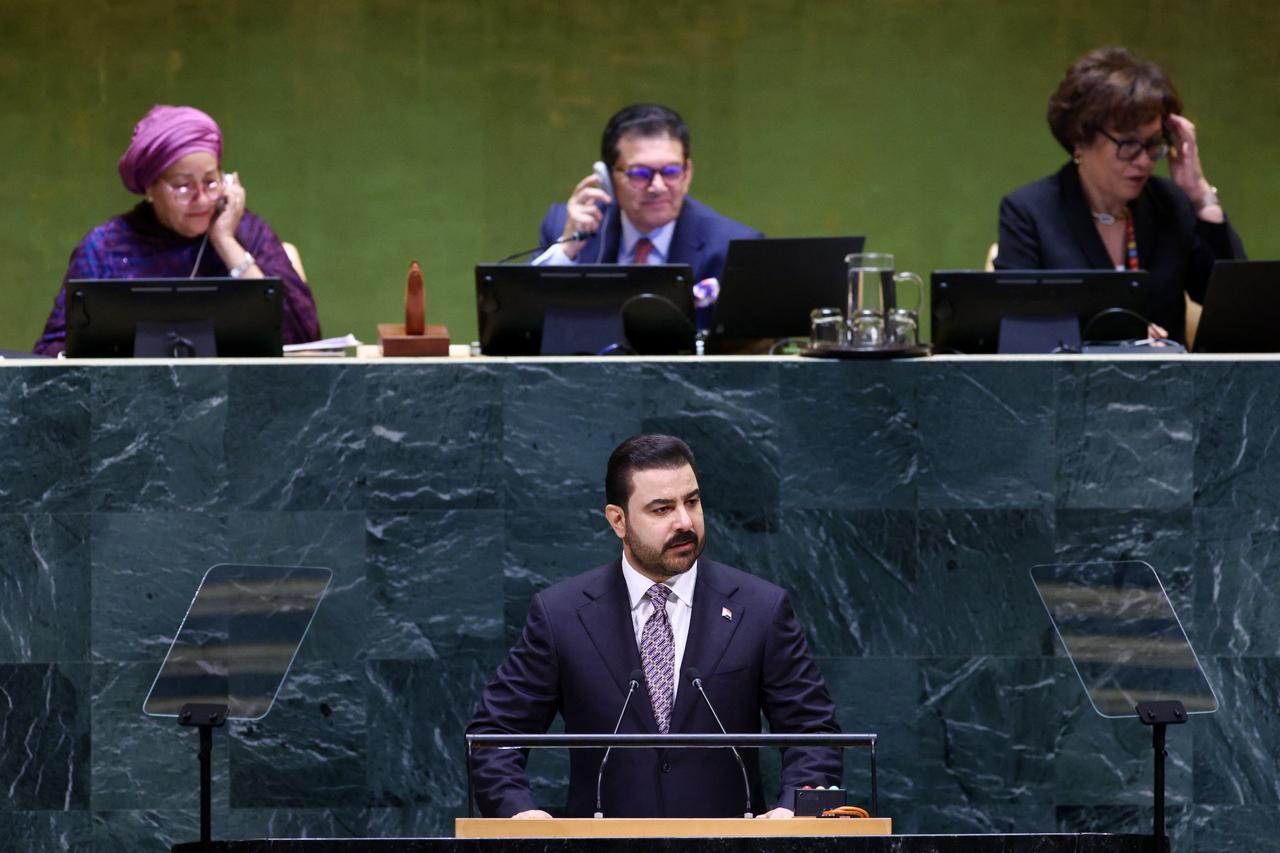


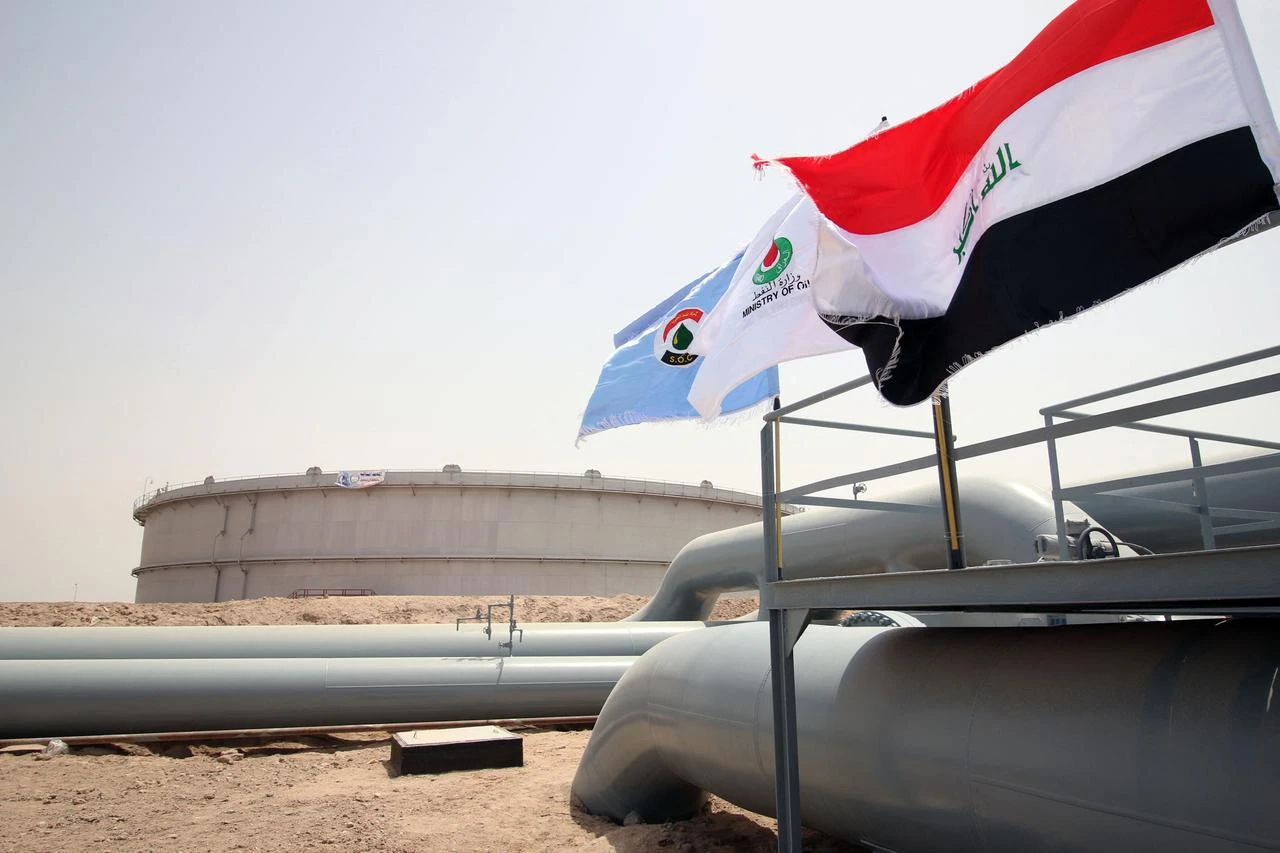
Iraqi Prime Minister Ali al-Zaidi said Friday that Baghdad aims to turn Iraq into a global energy production hub by expanding export routes through Türkiye, Jordan and Syria and using its energy capabilities to support regional and international security.
Addressing the 81st U.N. General Assembly in New York, al-Zaidi said Iraq wants to capitalize on its energy potential while reducing risks linked to disruptions in transport and maritime navigation.
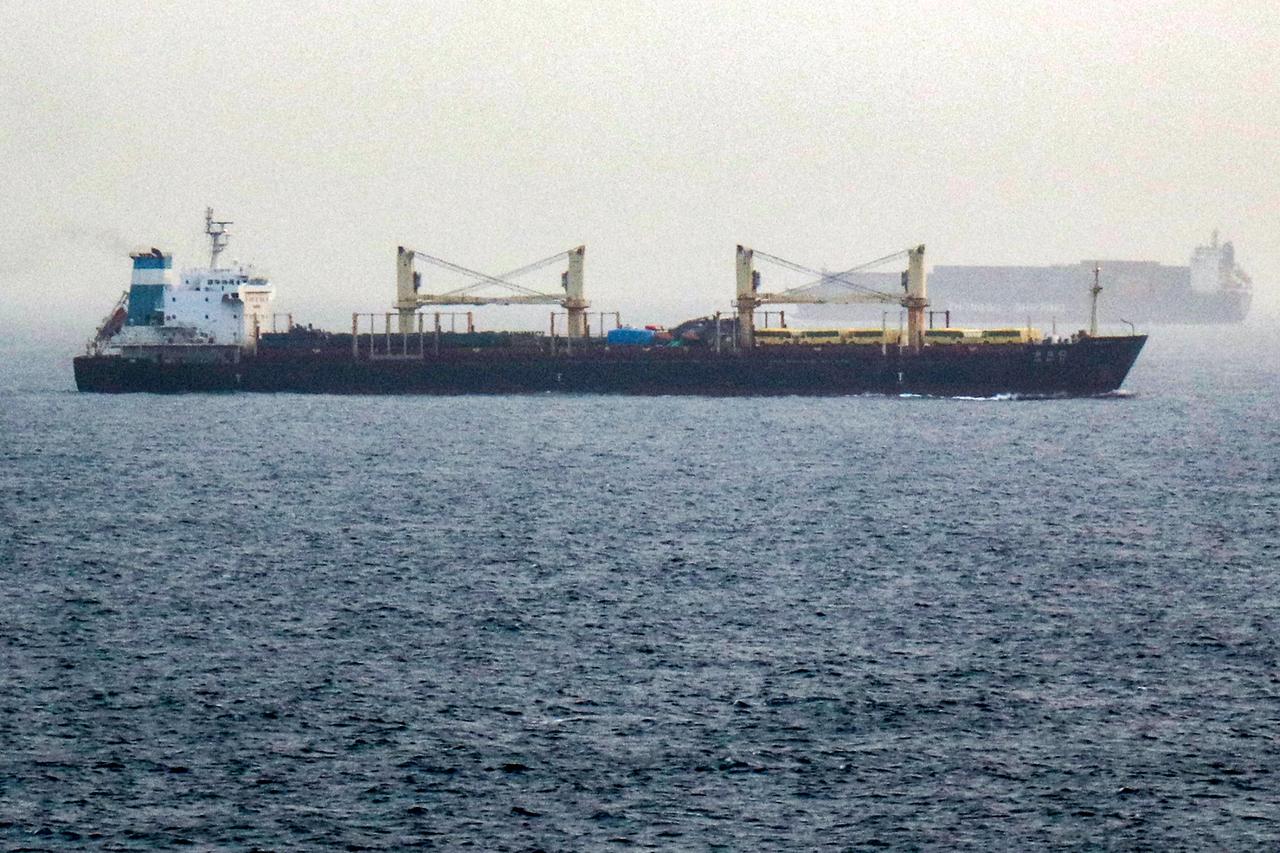
He voiced concern that instability affecting shipping routes, including disruptions in the Strait of Hormuz, was contributing to higher global energy prices.
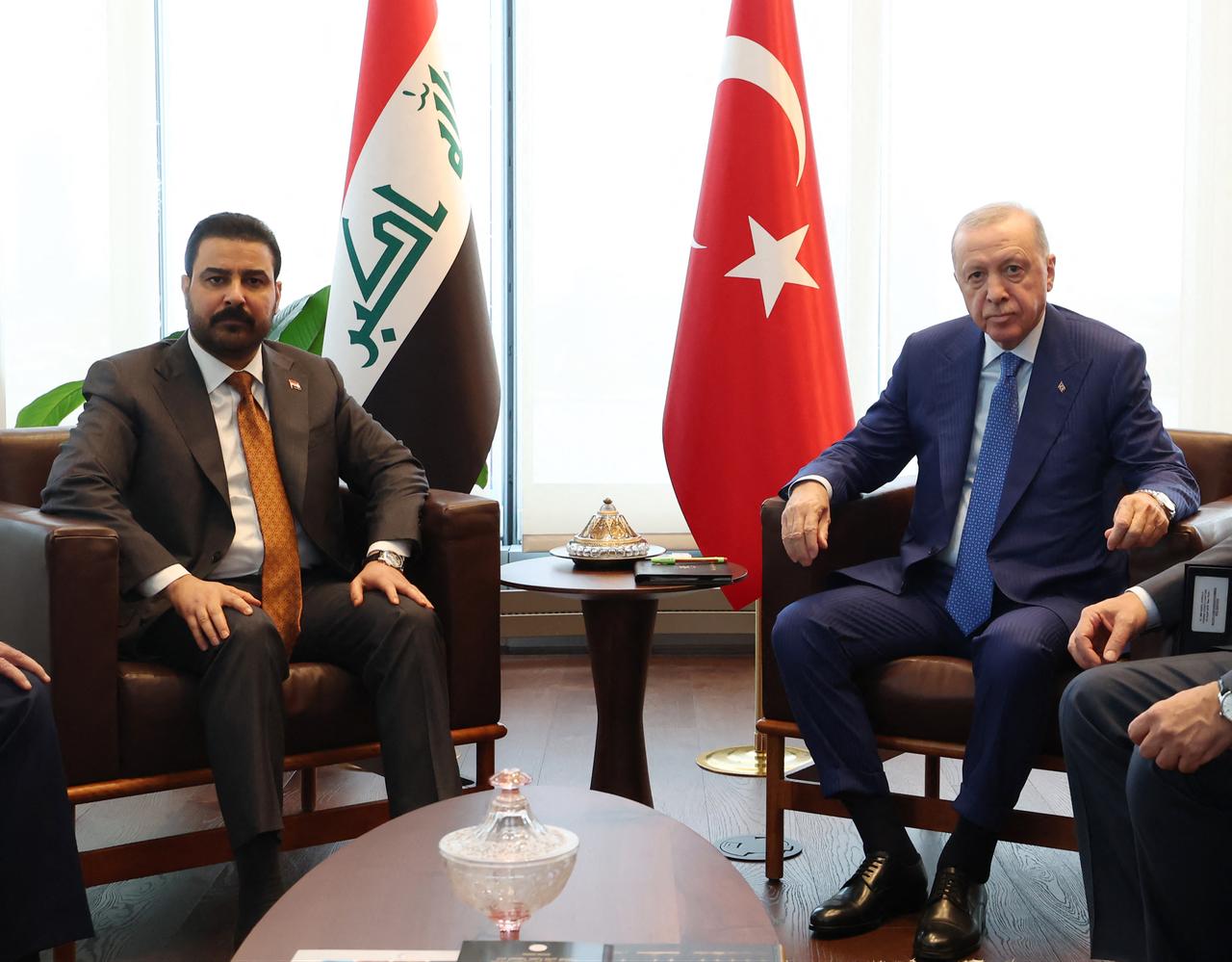

Al-Zaidi said Iraq is working to diversify its oil export outlets and develop energy lines and corridors linking Iraq with Türkiye, Jordan and Syria.
"We are working to diversify our oil export ports and develop energy lines and corridors linking Iraq, Türkiye, Jordan and Syria in order to reach global markets with the aim of contributing to energy security and diversifying supply routes," he said.
He said the measures are intended to strengthen energy security, contain risks from transport disruptions and provide alternative supply routes to international markets.
Al-Zaidi described economic diversification based on genuine partnerships as a central objective of the government's economic policy.
He also highlighted Iraq's Development Road project as a broader plan for regional integration, trade, investment, industry and energy.
The project is designed to connect the Grand Faw Port in southern Iraq with Türkiye and onward to Europe.
Al-Zaidi said Baghdad wants the project to remain open to participation by all neighboring and friendly countries, arguing that shared economic interests can contribute to regional prosperity.
 2 min read
Al-Zaidi said the end of the international coalition's mission in Iraq would mark a new phase in Baghdad's relations with strategic partners.
He said Iraq aims to move from military cooperation toward economic and development-focused partnerships based on mutual interests.
On domestic security, al-Zaidi said the Iraqi state would continue to retain sole authority over decisions of war and peace.
He added that weapons and instruments of force must remain under the control of constitutional institutions.


 Set as preferred source
 Set as preferred source


 1 min read