Newsletters


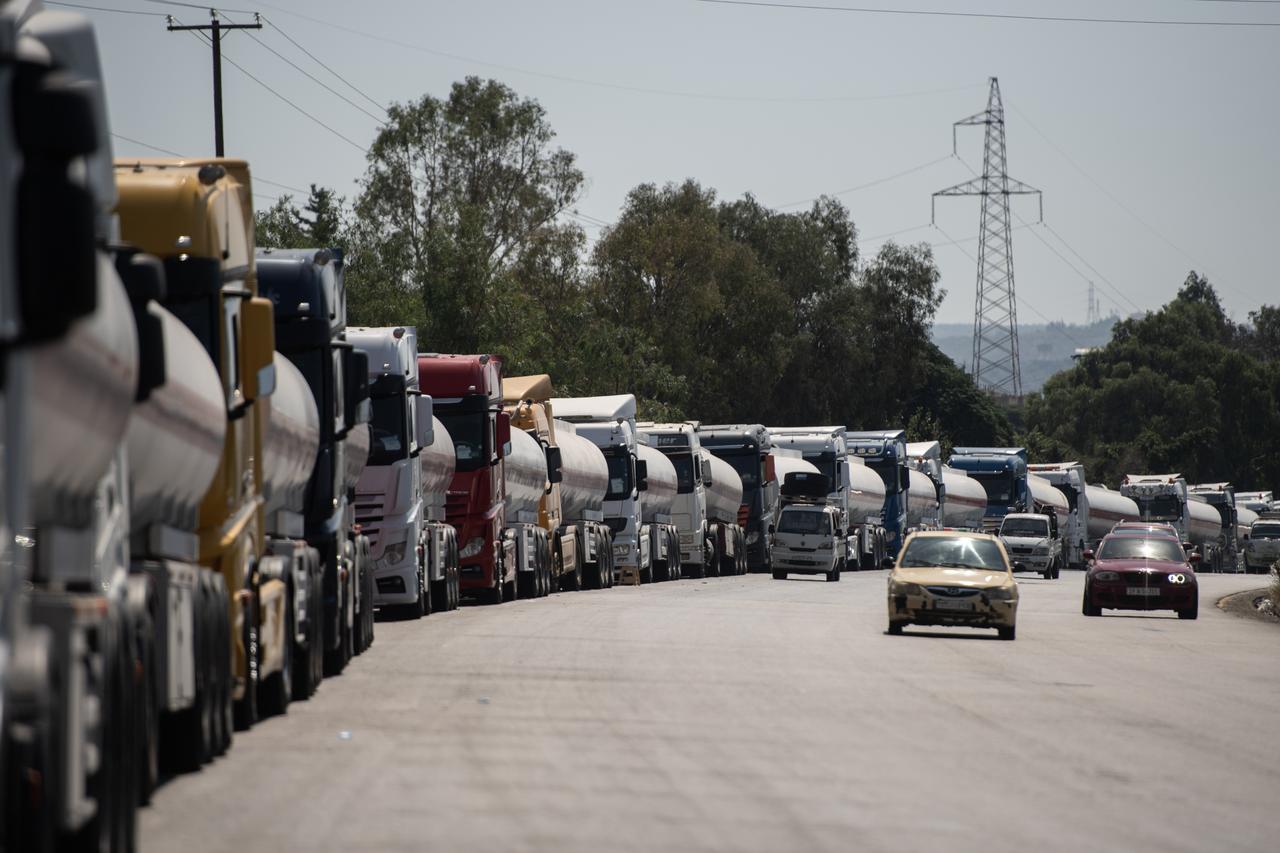


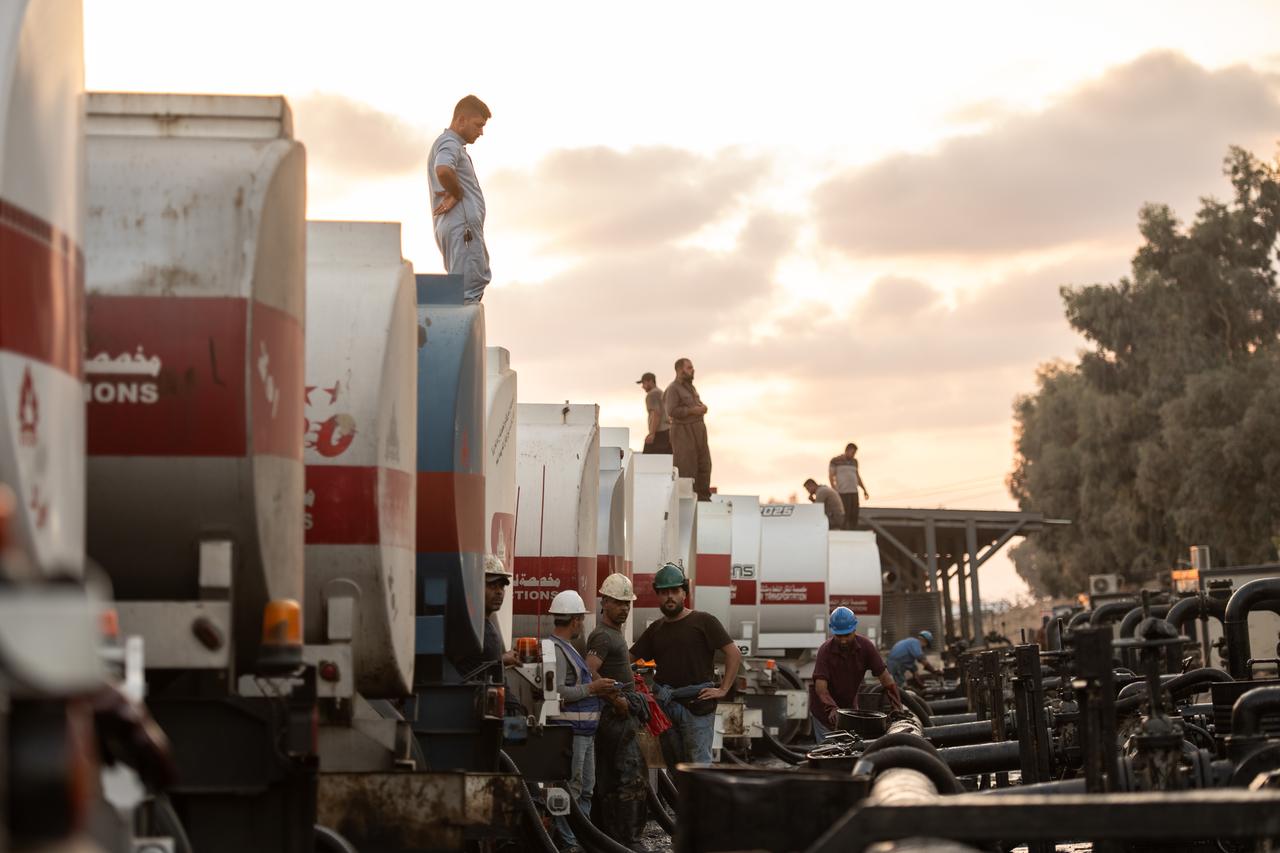
Hundreds of tanker trucks are reportedly queuing outside a depot near Basra to load Iraqi crude bound for Syria’s Mediterranean port of Baniyas, reviving an overland desert route largely unused for decades as Iraq seeks alternatives to the disrupted Strait of Hormuz.
Since last month, Qatari energy group UCC Holding has been trucking Iraqi crude to Baniyas under a contract with state oil marketer SOMO, shipping 120,000 to 150,000 barrels per day depending on truck availability, Basra Oil Company Director General Bassem Abdul Karim said.
The route has regained appeal despite higher transport costs because years of conflict in Syria have ended, two people close to the matter told Reuters.
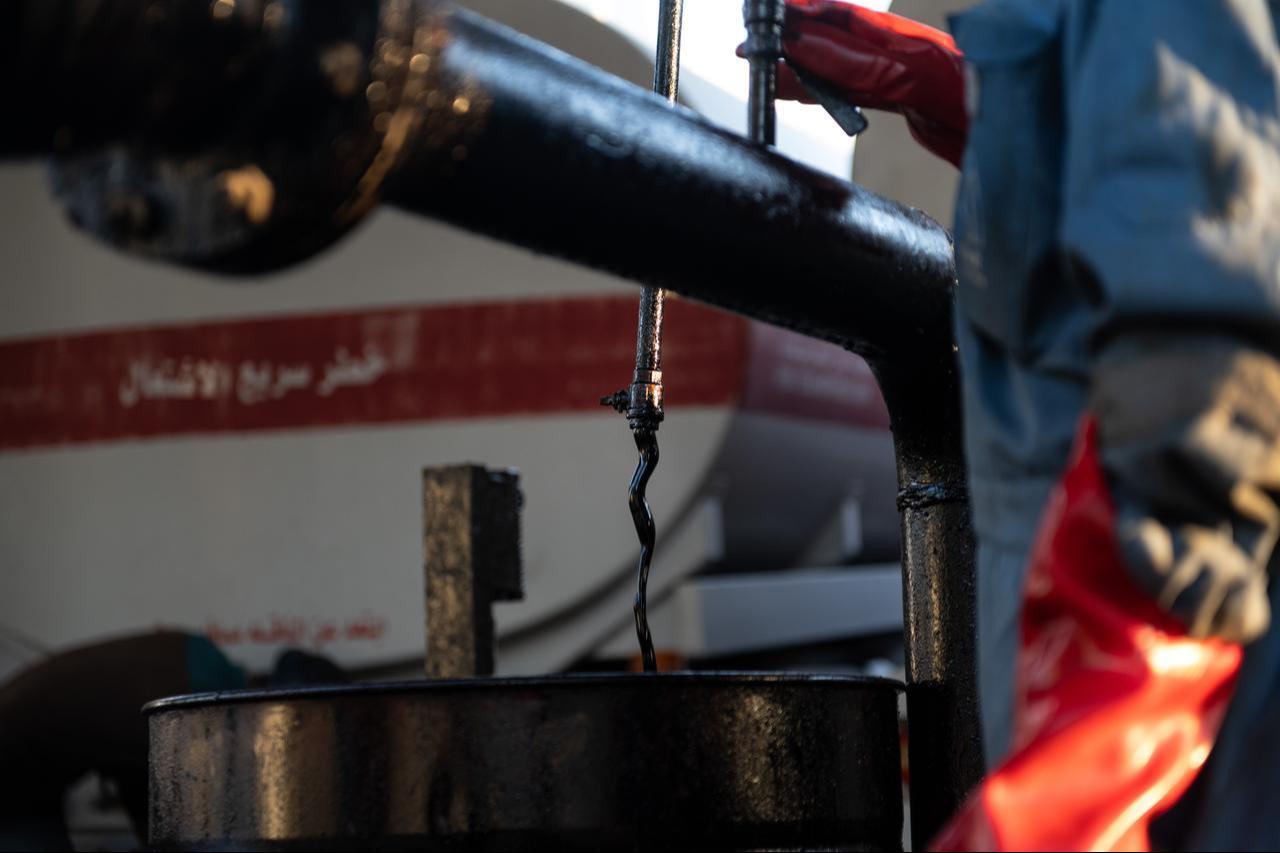

UCC has a fleet of 6,000 trucks and is expanding to 10,000 for the route, with around 10,000 drivers and about 150,000 barrels unloaded daily, a person familiar with the deal said.
"The crude is shipped from Baniyas to Mediterranean refineries in Greece, Italy and Türkiye, among others," the person said.
"We load crude oil at the Tuba storage facility and transport it to Baniyas, Syria. The round trip, including the return journey to Tuba, takes up to five days," said truck driver Ishaq Mohammed.
UCC has loaded about 1.6 million barrels since the deal took effect Oct. 26, Tuba facility manager Luay Jawad said. A document reviewed by Reuters showed UCC plans to load 5 million to 14 million barrels of heavy crude over three months from Oct. 14 at a $38-per-barrel discount, with about $12 per barrel covering trucking and transport through Syria.
Volumes are unlikely to rise further soon due to truck supply bottlenecks, the person said.
Iraqi Prime Minister Ali al-Zaidi and Syrian President Ahmad al-Sharaa recently discussed in Damascus exporting Iraqi oil through a Baniyas pipeline with capacity of up to 2 million barrels per day, Zaidi’s office said, without giving technical, financing or timeline details.
Zaidi called Iraqis and Syrians "one people in two countries."
The two countries signed a memorandum in July to rehabilitate a pipeline from Haditha in western Iraq to Baniyas, with U.S. company Chevron expected to implement it. Baghdad also approved studies for two export routes: Basra-Haditha-Baniyas through Syria and Basra-Haditha-Kirkuk-Ceyhan through Türkiye.
Iraq, OPEC’s second-largest producer, produced nearly 4.5 million barrels per day in October, about half a million more than a month earlier, OPEC secondary sources showed. Exports rose to about 3.5 million bpd in October from 2.65 million in September, Iraqi officials said.
Foreign Minister Fuad Hussein told Al Jazeera that Iraq reached understandings with the U.S. to export oil through Hormuz via a shipping lane near Oman and that war-related losses had reached $60 billion.


 Set as preferred source
 Set as preferred source



 2 min read