Sign in
 Newsletters


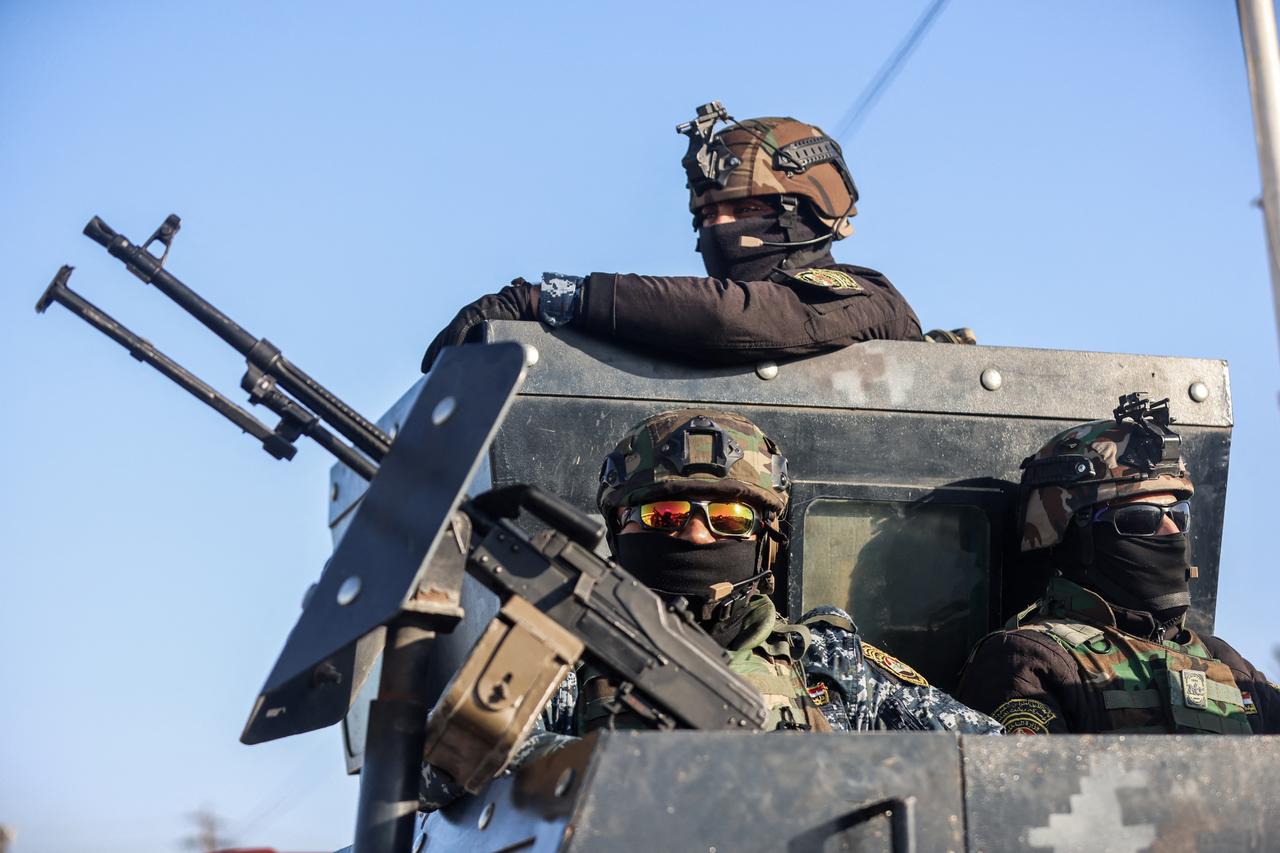


Iraqi government forces entered Jurf al-Nasr, the main stronghold of the Iran-backed Kataib Hezbollah group south of Baghdad, on Friday under a compromise deal reached after a standoff over alleged oil smuggling, state media and an Agence France-Presse (AFP) correspondent reported.
The AFP correspondent saw federal and energy police forces pass through the first Kataib Hezbollah checkpoint, where the group’s fighters remained deployed.
Under the deal, brokered by Shiite politicians, Kataib Hezbollah members are expected to withdraw to other parts of Iraq.
The deployment came days after a Kataib Hezbollah commander vowed the group would not leave the area "not even over our dead bodies," while pledging to avoid bloodshed with state forces.
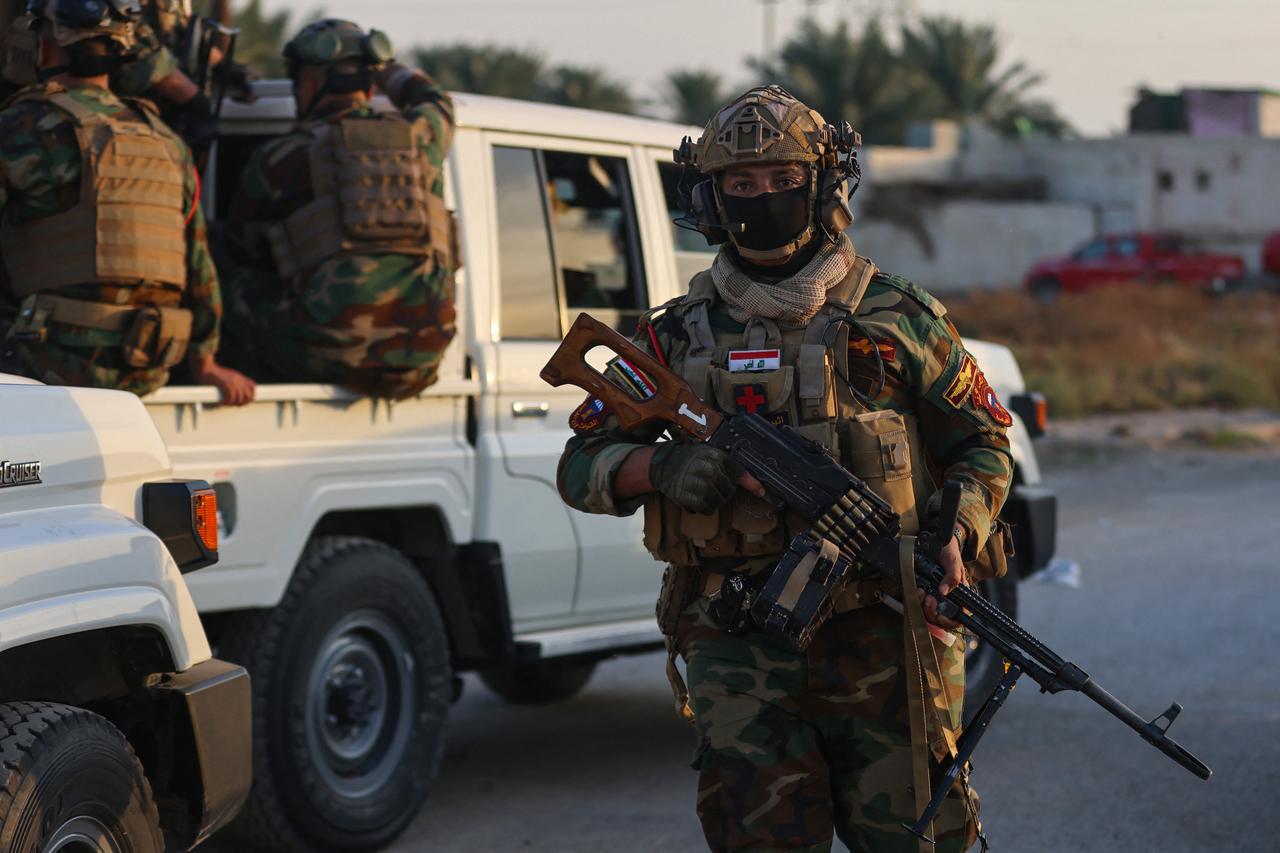

Roads closed in Jurf al-Nasr, also known as Jurf al-Sakhar, will be reopened, and oil pipelines running more than 5 kilometers (3 miles) through the area will be secured by the Interior Ministry’s Energy Police.
The commander of the newly opened command headquarters, Lt. Gen. Ahmed Hatem, said several closed bridges and roads would be opened Saturday on the instructions of Prime Minister Ali al-Zaidi.
Two federal police brigades and two army brigades are being deployed, while two Popular Mobilization Forces (PMF) brigades are being rotated out, with visible cooperation between federal police and the PMF.
The area had been closed to government security forces for 12 years.
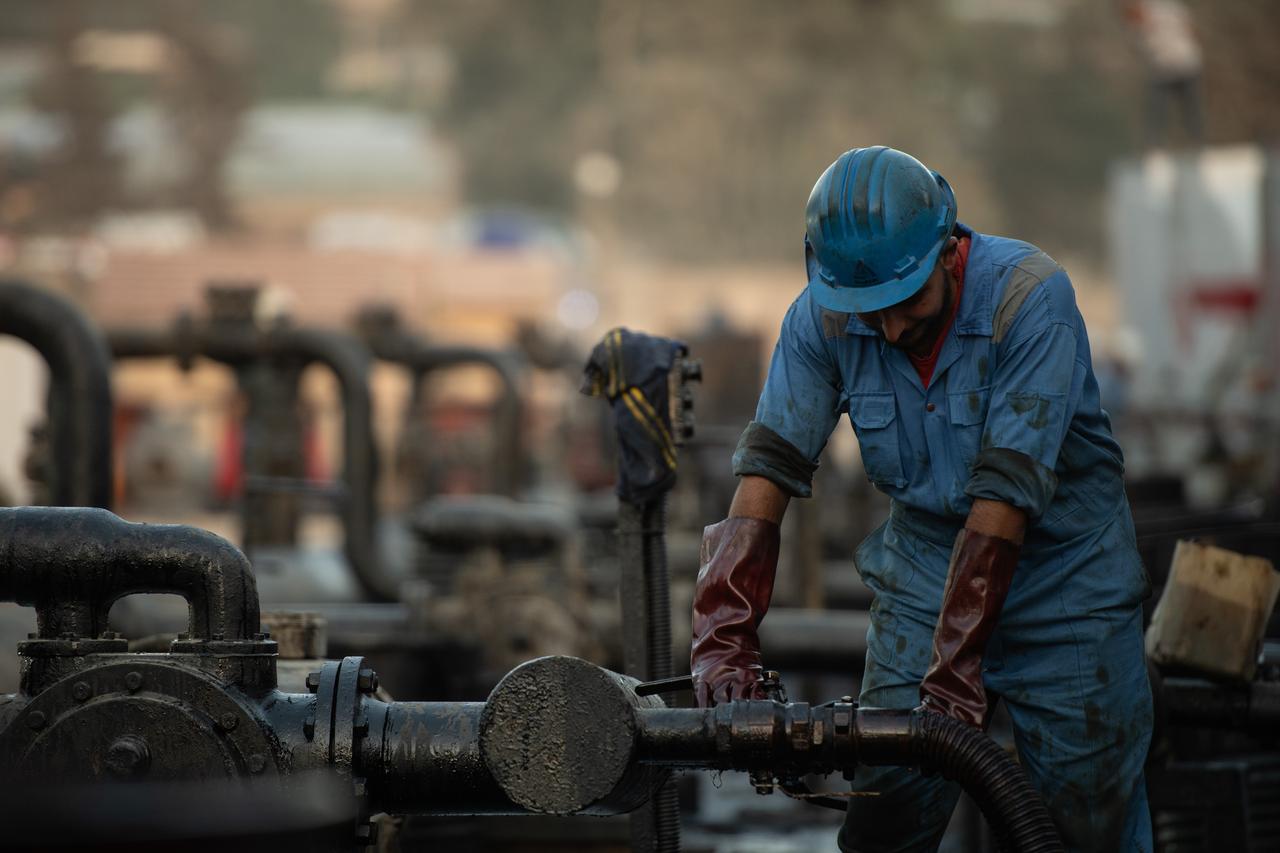
Zaidi this week ordered forces to prepare to enter the area after an investigative committee found tampered pipelines, two refineries and storage tanks.
Officials accused Kataib Hezbollah of running a smuggling network siphoning state oil worth hundreds of millions of dollars. Nine senior security and oil officials have been dismissed.
The group denies the accusations.
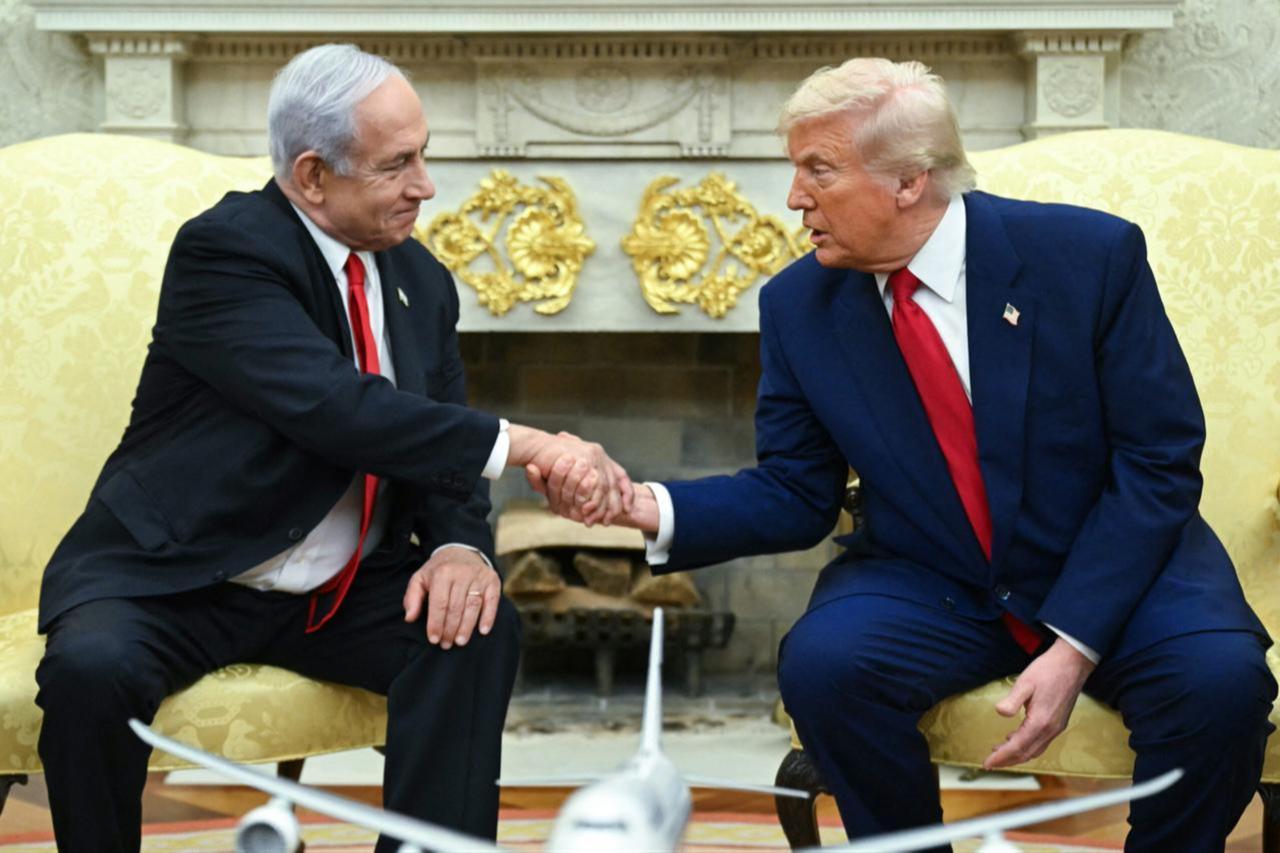
The U.S. designates Kataib Hezbollah a terrorist organization, and U.S. President Donald Trump has pressed Zaidi to disarm Iran-backed militias.
The group, which holds several battalions within the state-funded PMF and has a political party, Huquq, with five lawmakers, has refused to hand over its weapons.
Any direct confrontation with heavily armed militias carries risks.
After a predecessor ordered a similar crackdown five years ago, the prime minister’s Baghdad home was hit in what authorities called an assassination attempt by drone, as government forces took up positions in Jurf al-Nasr.


 Set as preferred source
 Set as preferred source


 1 min read
 1 min read