Sign in
 Newsletters


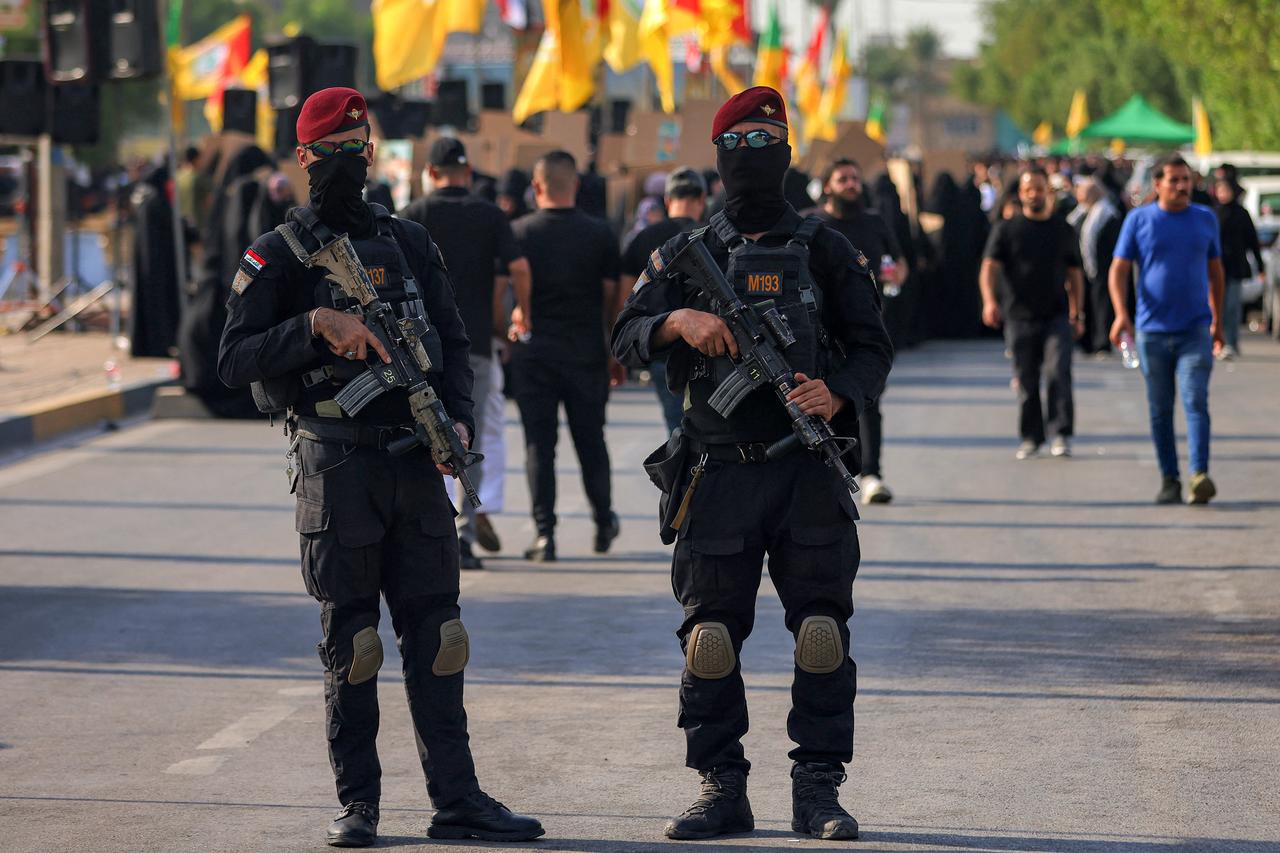


Iraqi government forces are set to deploy Friday in Jurf al-Nasr, a stronghold of the Iran-backed Kataib Hezbollah militia south of Baghdad, following an agreement brokered by senior Shiite political figures to avert a confrontation over allegations of large-scale oil smuggling.
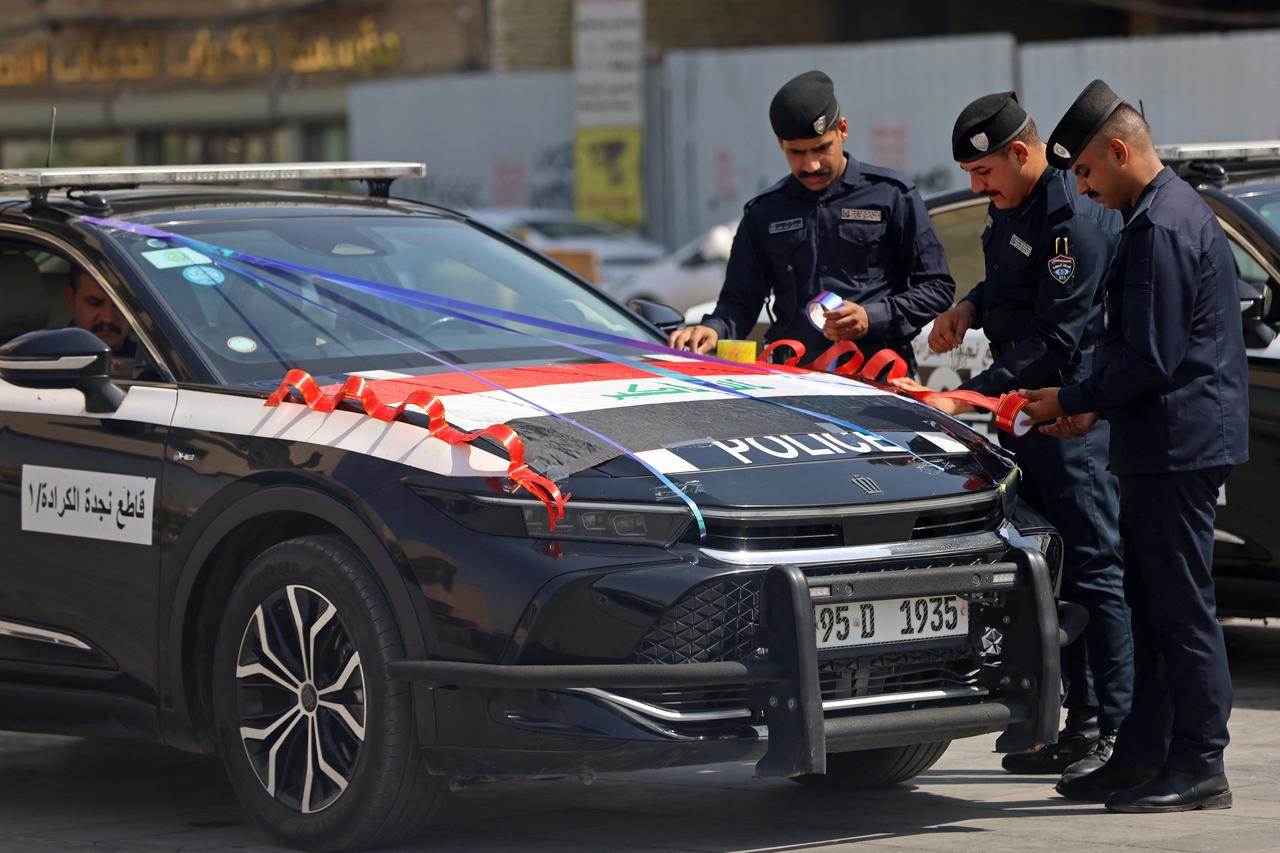
The deployment follows orders from Prime Minister Ali al-Zaidi to reassert government security control over the area, also known as Jurf al-Sakhar, in northern Babil province.
"Pursuant to the directives of the Commander-in-Chief of the Armed Forces... an official decree (Diwani Order) has been issued to establish a Command Headquarters in Jurf Al-Nasr," a statement from the government's military spokesperson said Thursday, according to Iraqi state media.
Three security officials familiar with the agreement told Reuters that government troops were expected to enter the militia's stronghold Friday.
Kataib Hezbollah forces would be redeployed to other areas, Lt. Gen. Saad Maan, head of Iraq's Security Media Cell, told Reuters.
Separately, Maan told the Iraqi News Agency (INA) that all Iraqi armed forces units and formations had been placed on alert, without providing further details.

The agreement followed efforts by senior Shiite political leaders to prevent a confrontation between Iraqi government forces and Kataib Hezbollah.
Iraqi Shiite political sources told Reuters that Esmail Qaani, commander of Iran's Islamic Revolutionary Guard Corps' Quds Force, arrived in Baghdad late Monday to help defuse tensions with the group, one of Tehran's most influential militia allies in Iraq.
A Kataib Hezbollah spokesperson confirmed that the group's secretary-general, Abu Hussein al-Hamidawi, met Qaani, Hadi al-Amiri, leader of the Iran-aligned Badr Organization, and other influential figures in an effort to prevent an escalation.
Participants described the outcome of the discussions as positive in a statement issued Thursday.
The agreement represents a step toward implementing the Iraqi government's plans to reorganize security arrangements in Jurf al-Nasr, although the deployment had not yet begun.
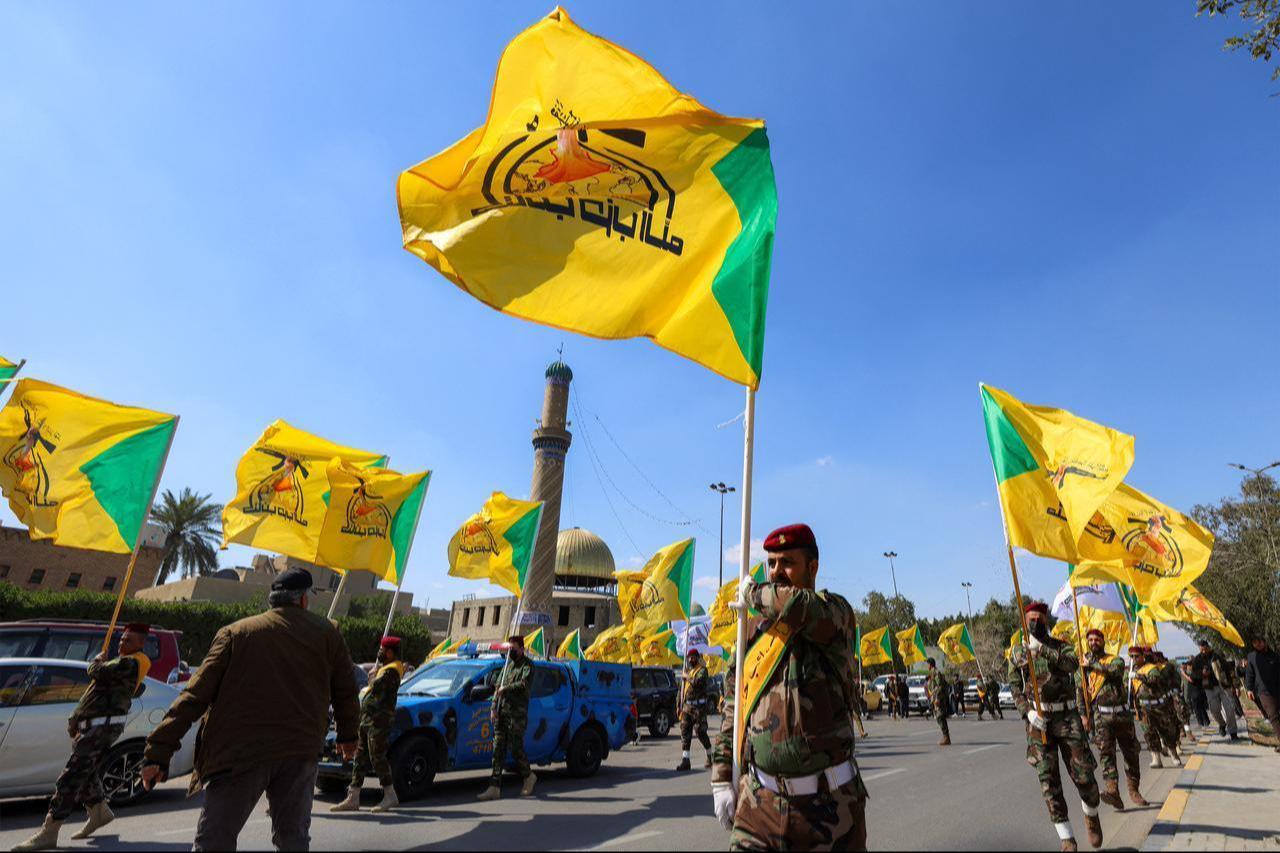
The confrontation emerged after Iraqi authorities accused Kataib Hezbollah of operating an oil-smuggling network that allegedly diverted hundreds of millions of dollars' worth of state-owned oil.
The government launched an investigation into suspected smuggling activities in Jurf al-Nasr, with an investigative committee inspecting six sites and reporting evidence of tampering with oil pipelines.
Authorities also reported discovering two refineries, a tanker truck and storage tanks during the inspections.
Zaidi subsequently dismissed five senior security officials as part of the investigation.
Kataib Hezbollah denied involvement in oil smuggling, accusing the government of conducting a political pressure and smear campaign against the group.
The militia maintained that inspectors had found no violations involving the pipelines and said the facilities and storage tanks were intended to provide fuel for military vehicles.
Earlier this week, the prime minister ordered government forces to enter Jurf al-Nasr and set a deadline for Kataib Hezbollah to withdraw.
Security commanders subsequently discussed proposals for redeploying government forces and members of the Popular Mobilization Forces (PMF), including new command arrangements and the distribution of security responsibilities.
Jurf al-Nasr has remained under tight security restrictions since the Daesh terrorist group was driven from the area in October 2014.
The area is believed to contain military facilities, weapons depots and training centers belonging to several Shiite armed groups, particularly Kataib Hezbollah.
The militia emerged after the U.S.-led invasion of Iraq in 2003 and became one of the most influential factions within the Islamic Resistance in Iraq, an umbrella grouping of Iran-backed Shiite armed organizations.
Its former leader, Abu Mahdi al-Muhandis, was killed alongside Iranian Quds Force commander Qassem Soleimani in a U.S. drone strike near Baghdad International Airport in January 2020.
The planned deployment will mark a significant step in Baghdad's efforts to reorganize security control in the area, following negotiations aimed at preventing an armed confrontation.


 Set as preferred source
 Set as preferred source


 1 min read
 1 min read