Newsletters


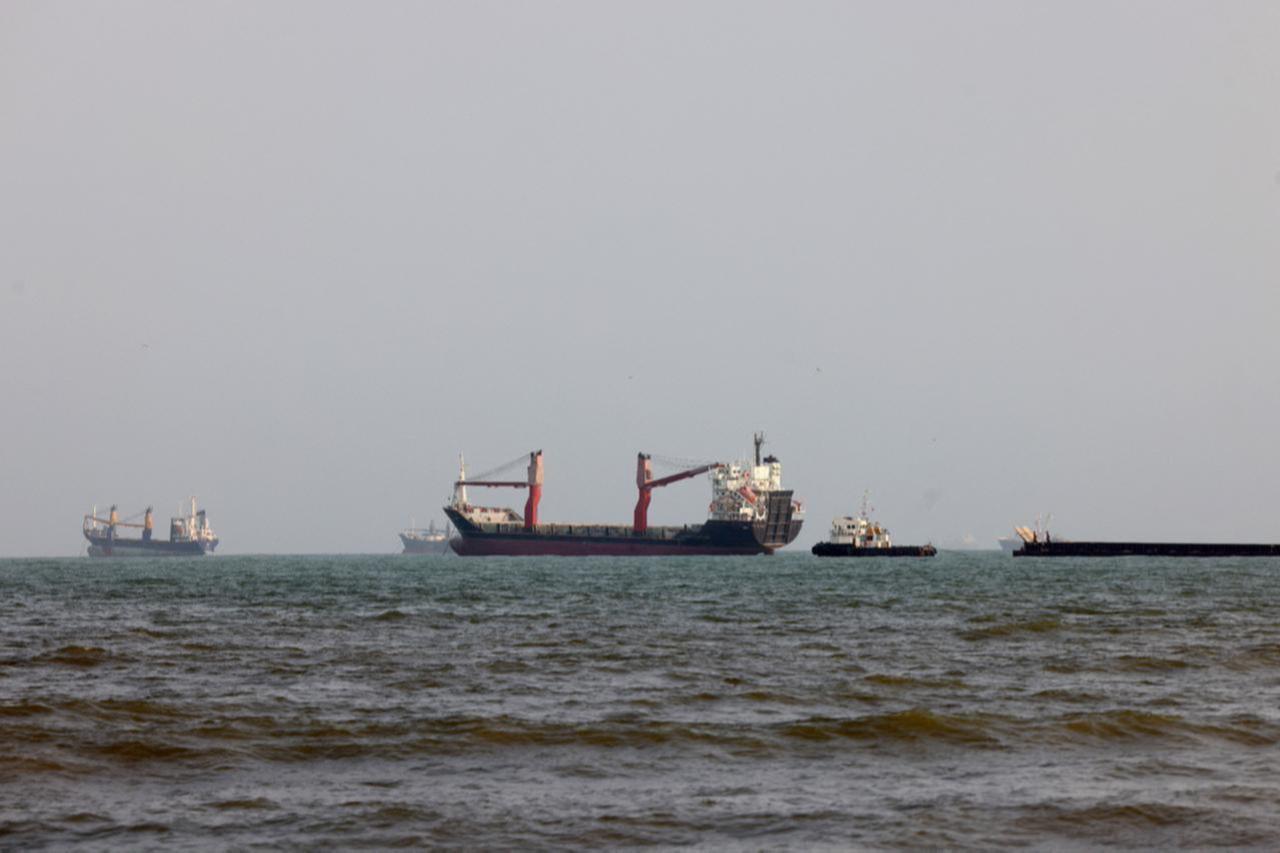


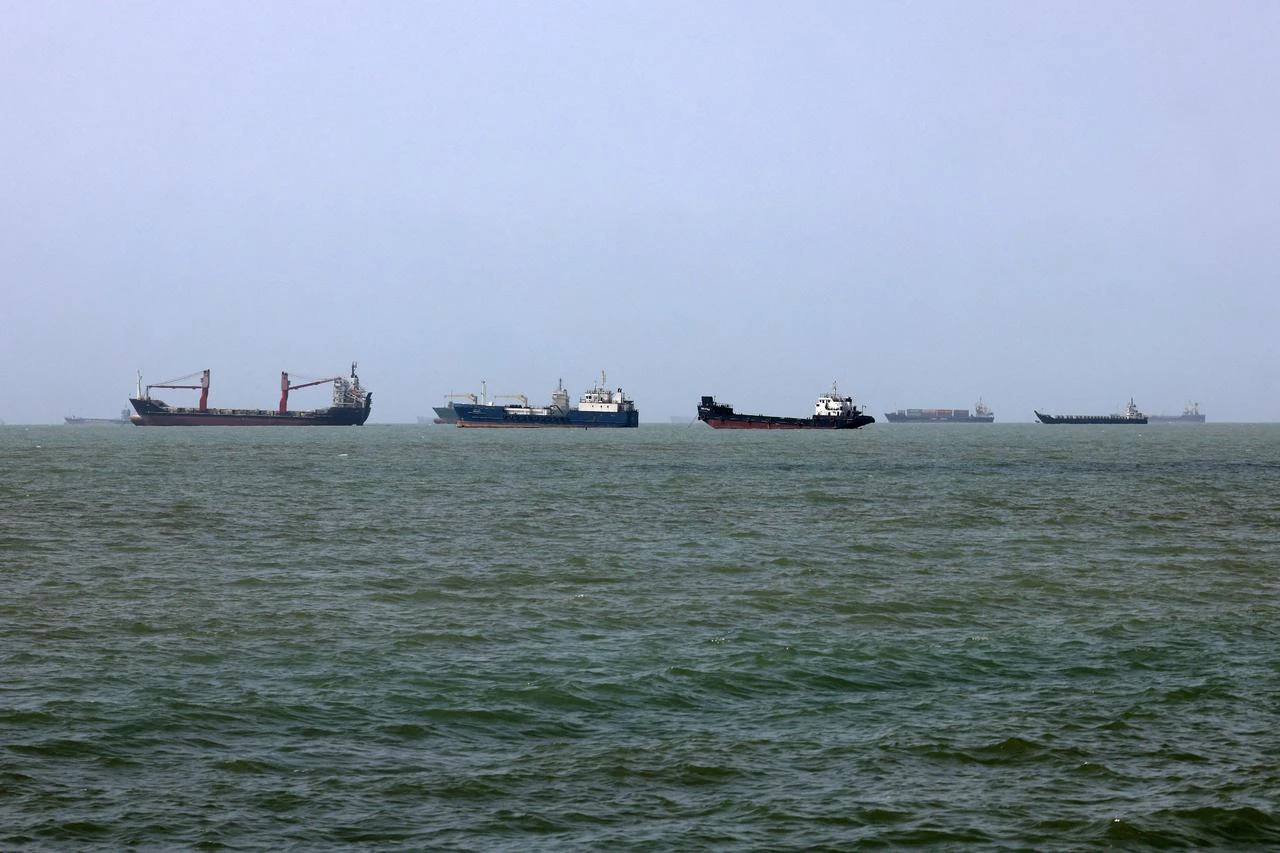
Iran is preparing to shut "illegal passages" through the Strait of Hormuz, an Islamic Revolutionary Guard Corps (IRGC) adviser said on Wednesday, as Tehran maintains that the strategic waterway remains closed while limited oil shipments continue to move through it.
Mohammad Reza Naqdi, a senior adviser to IRGC Commander-in-Chief Ahmad Vahidi, said Iranian forces had full control over the strait and would block several unauthorized routes that had emerged in its rocky sections.
The routes, according to Naqdi, were being used by small boats to smuggle oil and transfer it to tankers.
"The Strait of Hormuz is closed, and the armed forces have full control over it, and this situation will continue until Iran's legitimate demands are met," Naqdi said.
He added that the volume of smuggled oil was very small and rejected the idea that Hormuz was effectively open because of those movements.
He added that the routes would be blocked soon after being created through the blasting and destruction of rocky passages.
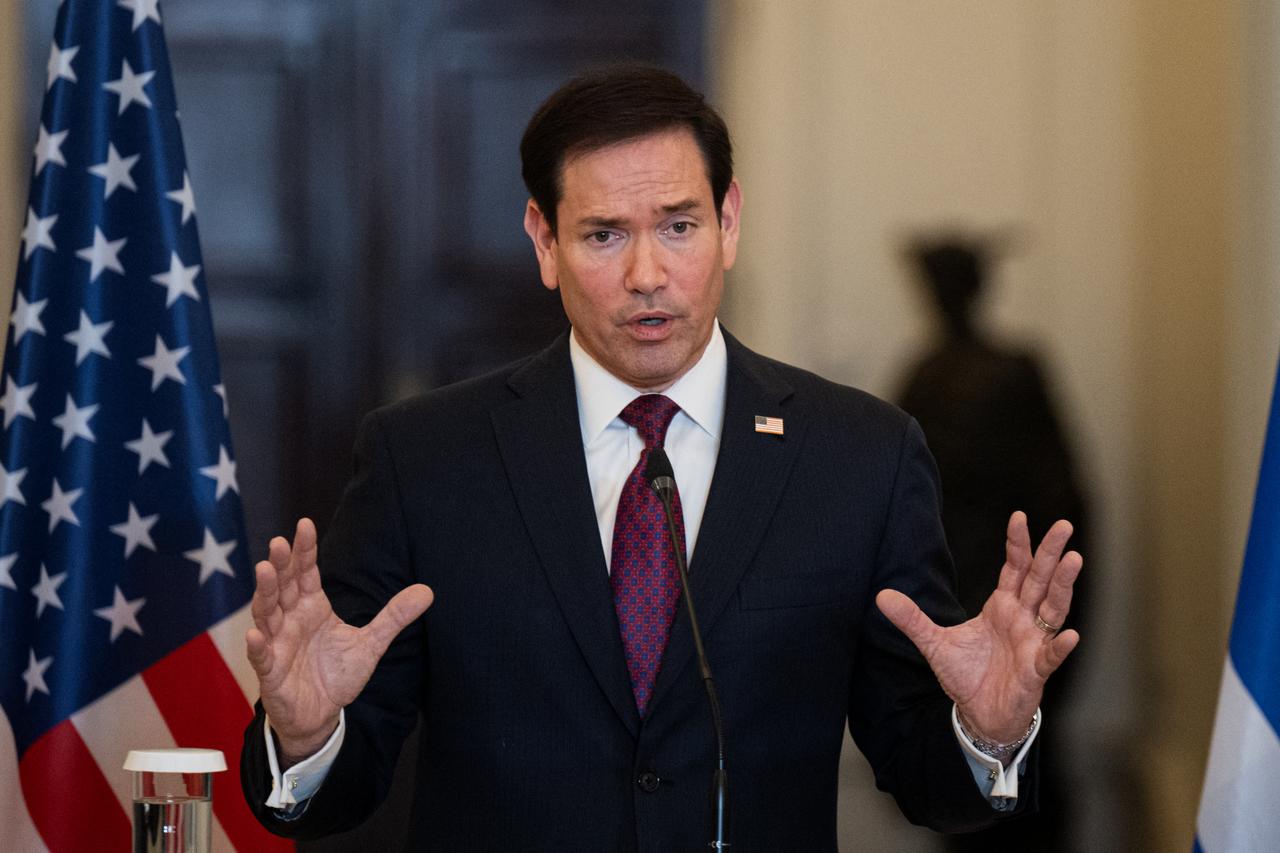
The remarks came as U.S. Secretary of State Marco Rubio said Wednesday during a visit to Athens that Iran had "lost complete control of the Straits," pointing to the recovery in regional oil flows. Rubio added that almost as much oil was now leaving the region as before the conflict began.
U.S. Vice President JD Vance echoed that assessment, arguing that Iranian attacks on commercial shipping were "largely failing" and had not been enough to halt the flow of oil and gas.
Vance described the attacks as an attempt to exert leverage over Washington by disrupting global shipping but maintained that the strategy had not succeeded in stopping energy exports.
Speaking to reporters on Tuesday, President Donald Trump said millions of barrels of oil had been delivered through the waterway over the previous couple of days, with flows reaching levels that were "even and sometimes exceeding" those recorded before the war.
U.S. Central Command (CENTCOM) said in September that American forces had supported more than 2,000 commercial vessel transits through the Strait of Hormuz, helping move more than 1 billion barrels of crude oil from Gulf partner nations over the previous several months.
CENTCOM also reported that U.S. forces had redirected 115 commercial vessels under the blockade.
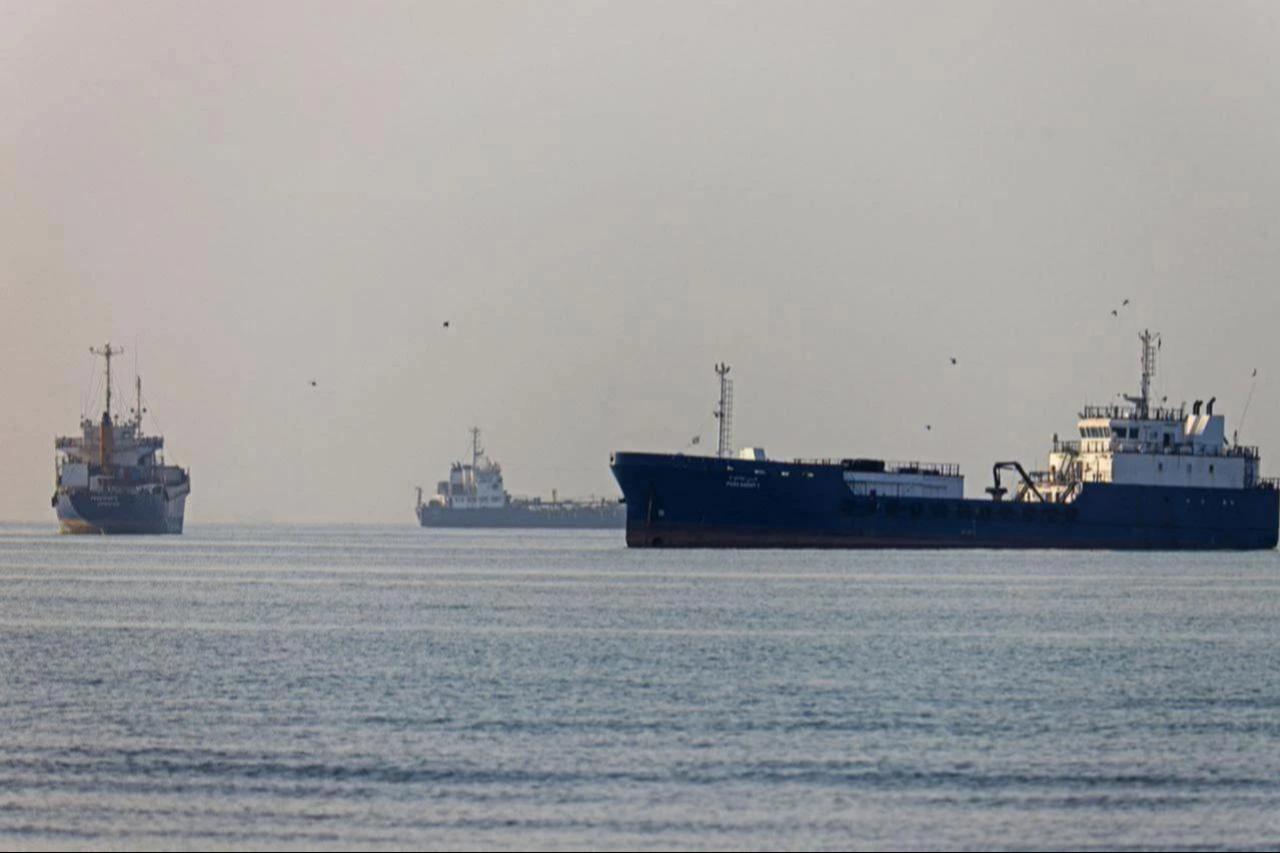

Traffic through the Strait of Hormuz fell sharply in the latest week as attacks on merchant shipping continued. Kpler Risk and Compliance data, based on MarineTraffic tracking, showed 157 vessel crossings from Sept. 28 to Oct. 4, down 22.7% from 203 the previous week.
Despite the decline in vessel traffic, oil exports recovered in September as Gulf producers adapted to the disruption.
Kpler data showed total Persian Gulf oil exports averaging 18.6 million barrels per day, while Middle East crude exports reached 16.3 million barrels per day, their highest monthly level since the conflict began.
The seven-day moving average for Middle East crude exports climbed to 18.3 million barrels per day on Sept. 30, briefly surpassing the prewar average of about 18 million barrels per day.
Kpler also estimated that 21 liquefied natural gas (LNG) cargoes exited the Strait of Hormuz in September, up from 15 in June and the highest monthly figure since the conflict began.
Still, stronger energy exports have not translated into normal maritime activity.
Commercial operators continue to face security risks, while some cargoes are being rerouted or transferred through alternative arrangements to limit exposure to the waterway.


 Set as preferred source
 Set as preferred source


 1 min read
 1 min read