Newsletters




"Soviet power is a fluid stream which moves constantly wherever it is permitted to move toward a given goal," George F. Kennan, the diplomat who drew up Cold War containment, wrote in 1947 in "The Sources of Soviet Conduct."
Its main concern, he continued, "is to make sure that it has filled every nook and cranny available to it in the basin of world power."
The Soviet Union is gone. The hydrology is not.
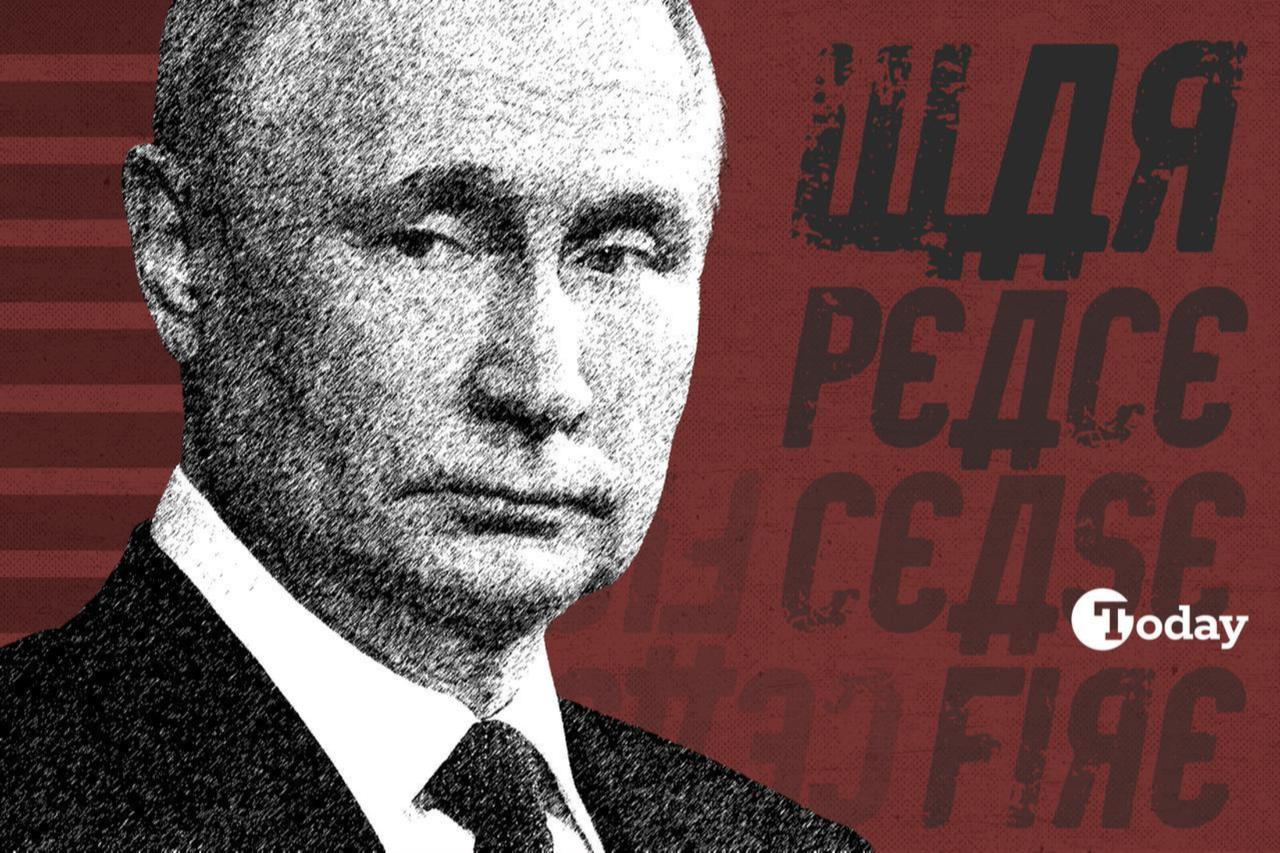
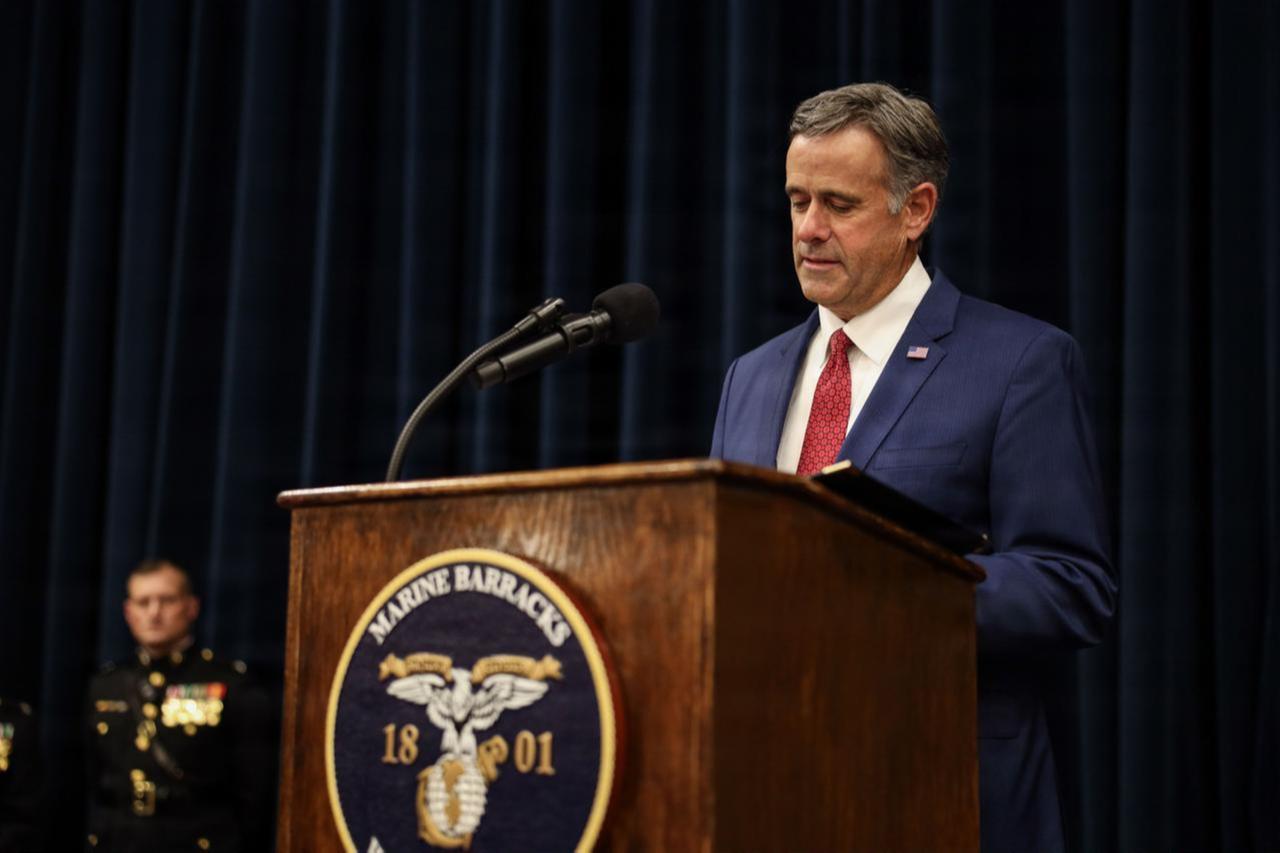
The CIA director flew to Moscow in late August and did not get the meeting he wanted. John Ratcliffe sat down with Sergei Naryshkin and Alexander Bortnikov, the heads of Russia's foreign intelligence and domestic security services.
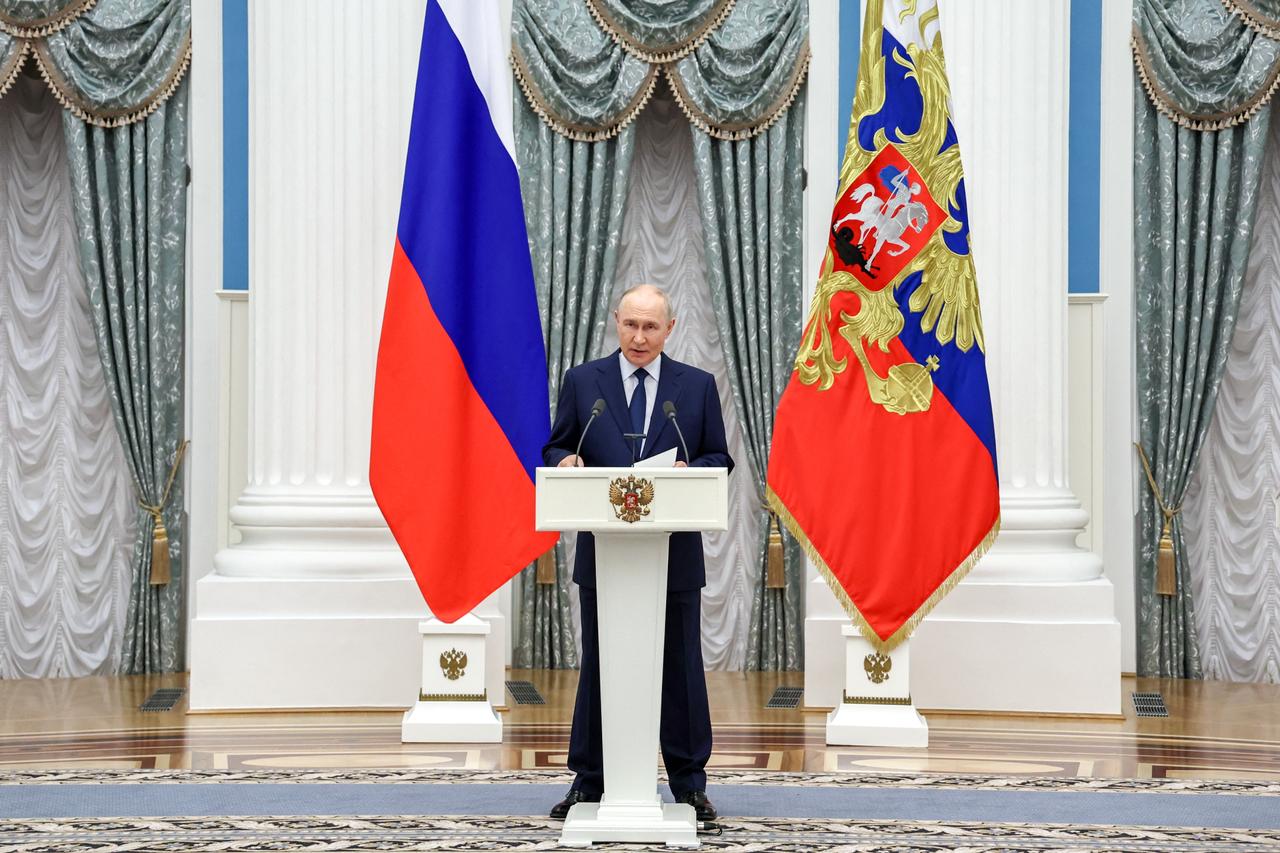
Vladimir Putin, who had been expected to make time, made it clear the visit didn't require him.
The chair stayed empty. In diplomacy, that is an answer, and this one said the current is still running.
The real question isn’t whether Russia will attack NATO, but what Washington and Brussels are willing to recognize as an attack. For Putin, rolling the alliance back to 1997 doesn't require tanks marching on Paris; it just requires proving Article 5 is a bluff.

Until this summer, the working assumption in Western capitals was tidy: a Russia stuck in Ukraine had neither the means nor the appetite for a second war. That assumption is being revised, including inside U.S. intelligence, for a simple reason. The war has not touched Russia's cyber and hybrid capabilities.
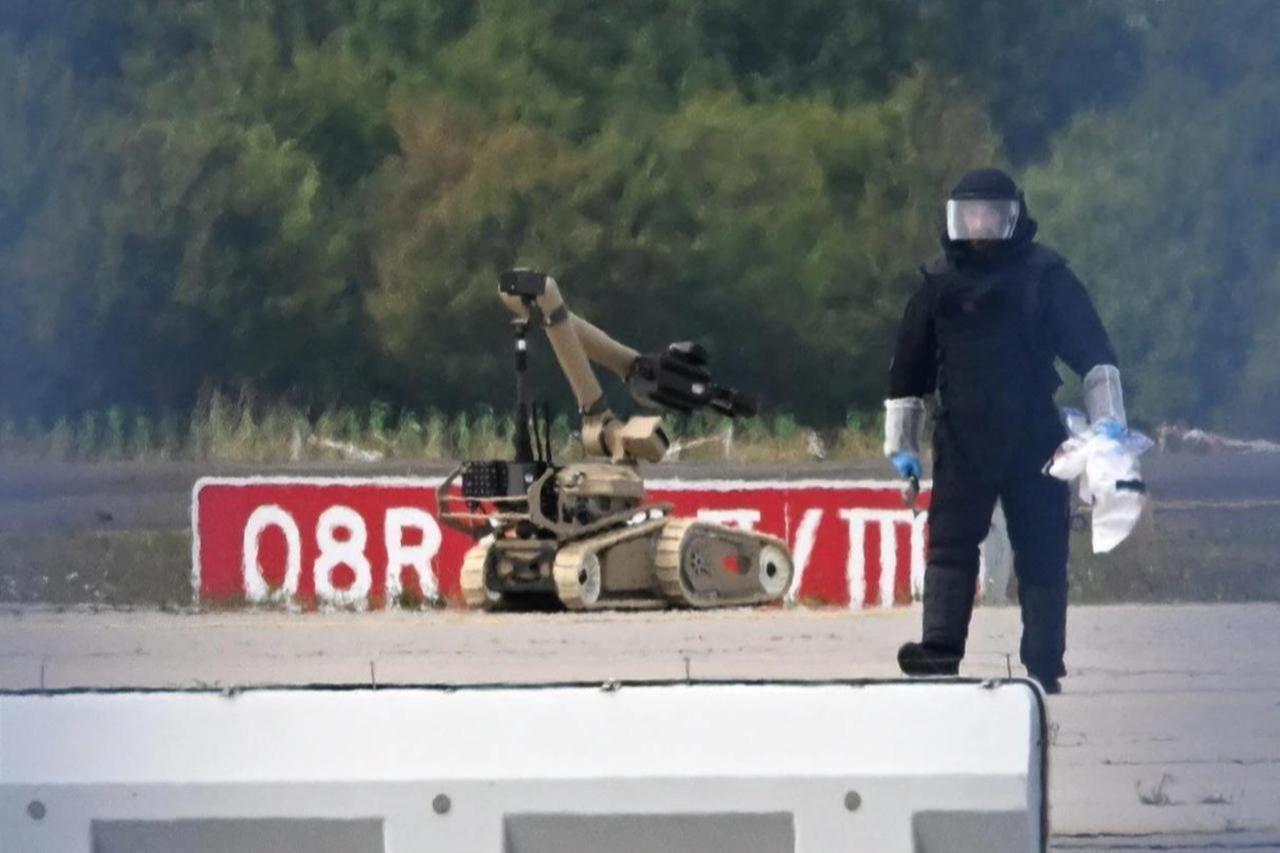
The record is already long. Arson and infrastructure sabotage, GPS jamming and airspace violations, migrants steered toward Lithuania's border, and drones over Leipzig airport that Germany blames on Moscow. Some of it is now kinetic. None of it crosses the Article 5 threshold, which is the design.
So on the gray zone, the answer is yes. The attack is underway.
On land, the answer is closer to no, and the Kremlin has said why in writing. Its December 2021 draft treaty demanded that NATO return to its 1997 positions, and the grievance goes back at least to Putin's 2007 speech at the Munich Security Conference. Nothing in that record requires tanks in Paris.
Picture the cheapest version instead. Russian troops cross into Narva in Estonia and Daugavpils in Latvia, two Russian-speaking cities near the border, and hold them for two days.
If Washington stays out, Moscow declares the alliance hollow and withdraws with a victory it can sell at home. The audience is not in Tallinn. It is in France and Germany, where parties friendlier to the Kremlin, the AfD and the National Rally, are contesting for power, and where a scared electorate might prefer a deal.
A tactical nuclear threat and steady intimidation do the rest of the work. An army is optional.
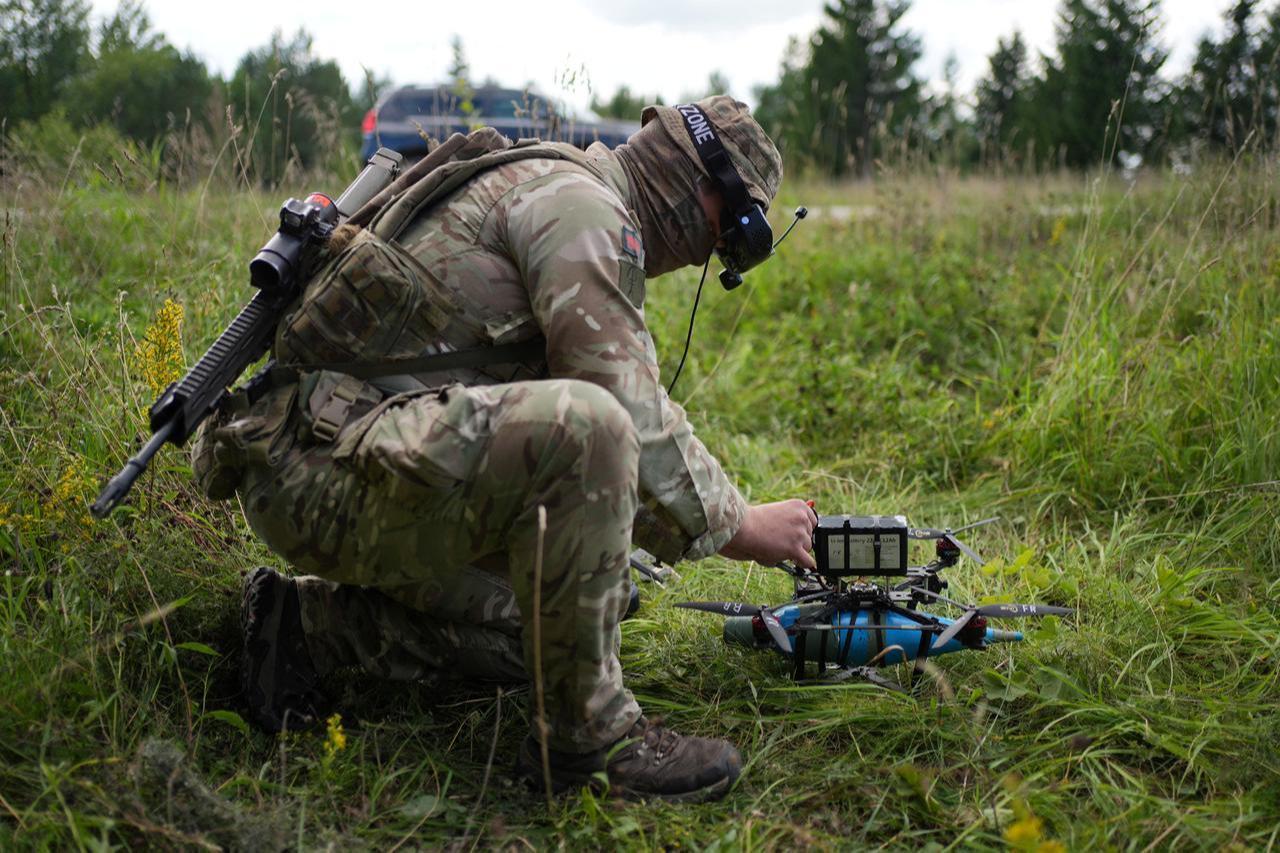
Militarily, the alliance is in better shape than its politics. Since 2023, NATO has kept regional defense plans on the shelf instead of generic crisis playbooks, and it says its forces are ready to fight tonight against a conventional attack on the eastern flank.
The recent U.S. Air Force-led exercise near Kaliningrad made the point in Russia's own backyard, with the EA-37B, an aircraft built to disrupt radar, communications and navigation, on show.
Against gray-zone attacks, the record is thinner: reactive and defensive, with no convincing history of deterrence. Sabotage has climbed since 2022 without NATO changing Moscow's math.
Then there is Washington. The administration has told allies it plans to withdraw contributions from NATO's force model, and its officials rarely name Russia as the alliance's main threat. At the Ankara summit this summer, Donald Trump arrived absorbed by the Iran conflict and short on patience.
Two days later, the communique reaffirmed Article 5, and at his closing press conference he spoke of love and unity in the room. Deterrence depends on an adversary believing the answer. It is hard to believe an answer that changes every 48 hours.
The countries nearest Moscow have done the arithmetic. Their planning assumes national forces in Poland, the Baltics and Scandinavia fight from the first hour, before Article 4 consultations finish and whether or not a NATO decision follows.
The calendar is less forgiving. Polish Prime Minister Donald Tusk has told Europe to prepare for possible conflict with Russia by 2027, citing NATO's top commander. NATO's rearmament roadmap does not close its capability gaps until 2030 or later.
The plans have outrun the hardware. The shortfalls sit in long-range strike and aerial refueling, the very capabilities Washington is looking to draw down. Timing and sequencing, not intent, are the trap.
Could China rein Putin in? Beijing holds the leverage: its shadow trade supplies components for Russian missiles and keeps the war economy running. But Xi Jinping did nothing to stop the 2022 invasion, and a divided West suits him.
His red line is narrower. A Russian nuclear detonation would hand Japan and South Korea a reason to build their own bombs, a result Beijing would rather not see. The veto applies to the mushroom cloud, not to the drones, the sabotage or a two-day grab of border towns.
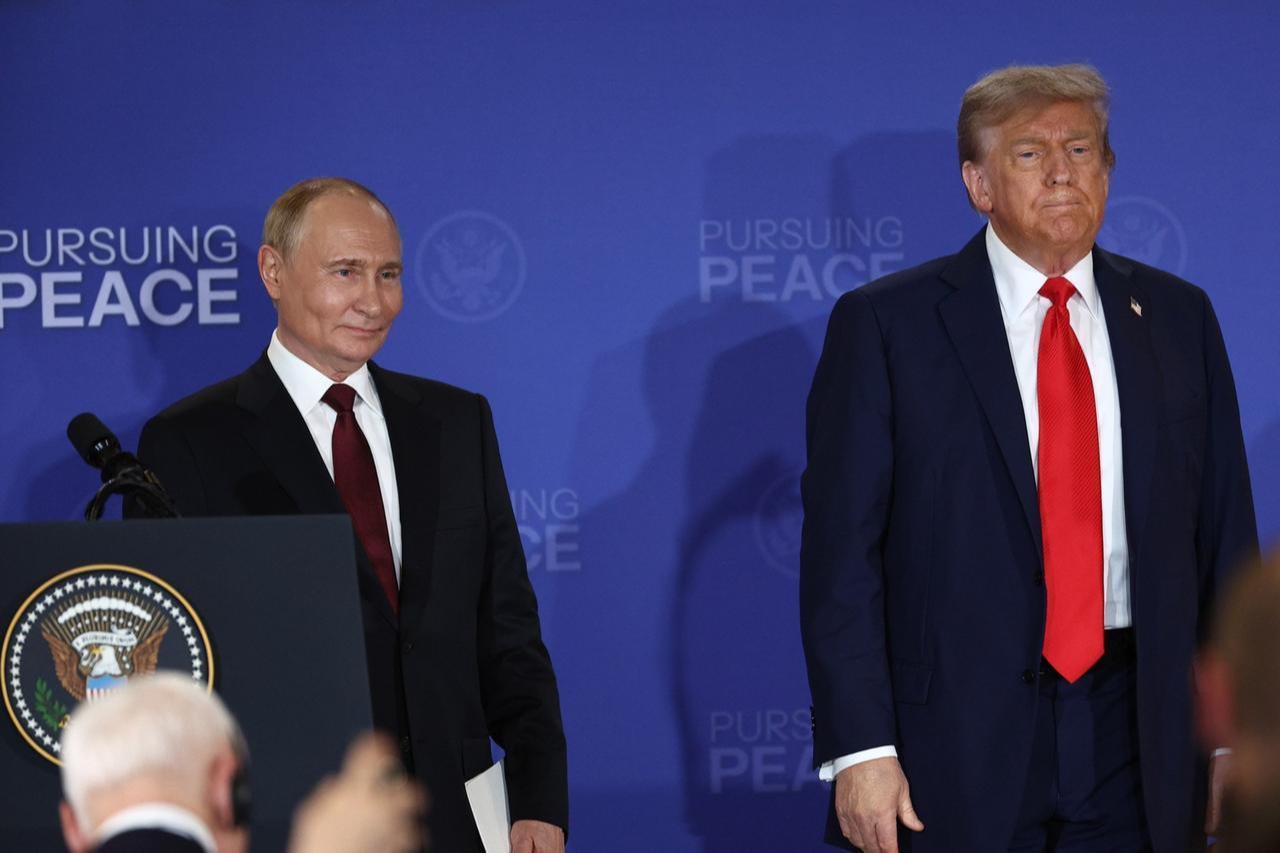
So will Russia attack NATO?
The gray-zone attack is underway, the traditional invasion is unlikely, and the danger is a miscalculation: Putin crossing a border to see whether anyone answers. If the alliance stays reactive and politically hesitant, hybrid escalation continues until someone guesses wrong.
Preventing that means moving from a defensive crouch to deterrence with a price attached. Poland, Finland and Norway are already sending clearer signals than NATO itself. Asked what the United States would do, the honest answer in Brussels is that one person knows, and he has not said.
Ratcliffe carried a message to Moscow, and Putin skipped the meeting. He may not have needed it. The answer he is waiting for comes from Washington.


 Set as preferred source
 Set as preferred source


 2 min read
 1 min read