Newsletters




Israel on Tuesday accused Türkiye of posing a threat to its security after striking a Syrian air base that Turkish forces were preparing to use, drawing a rare rebuke from the United States, which said its ally had carried out an "unnecessary escalation."
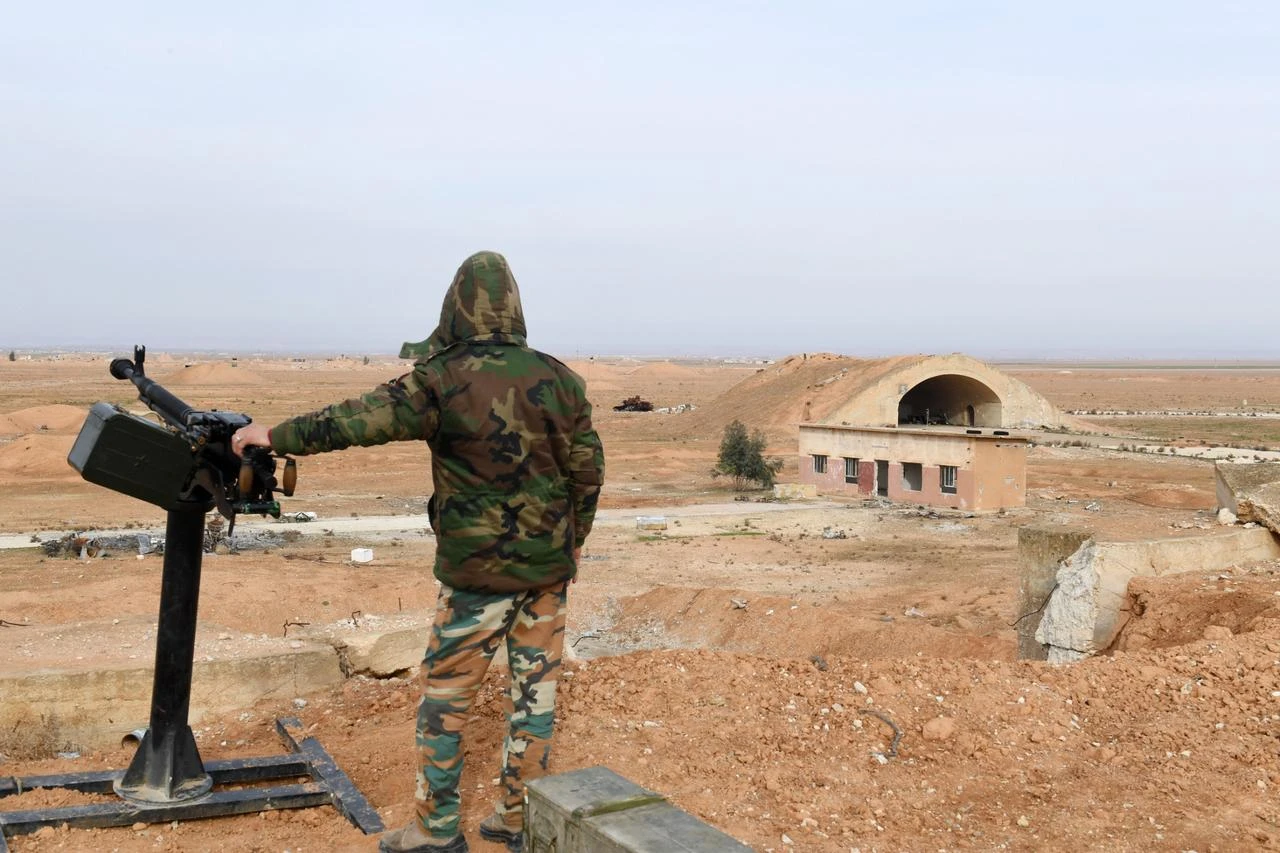
The strike hit the Abu Duhur air base in Syria's Idlib province, a facility Syrian state media said had been out of service since 2012. According to Syrian state media, quoting a military source, Israeli aircraft carried out eight strikes on the base's runway, damaging infrastructure but causing no casualties. A security source told AFP the facility is protected by forces from Syria's defense ministry.
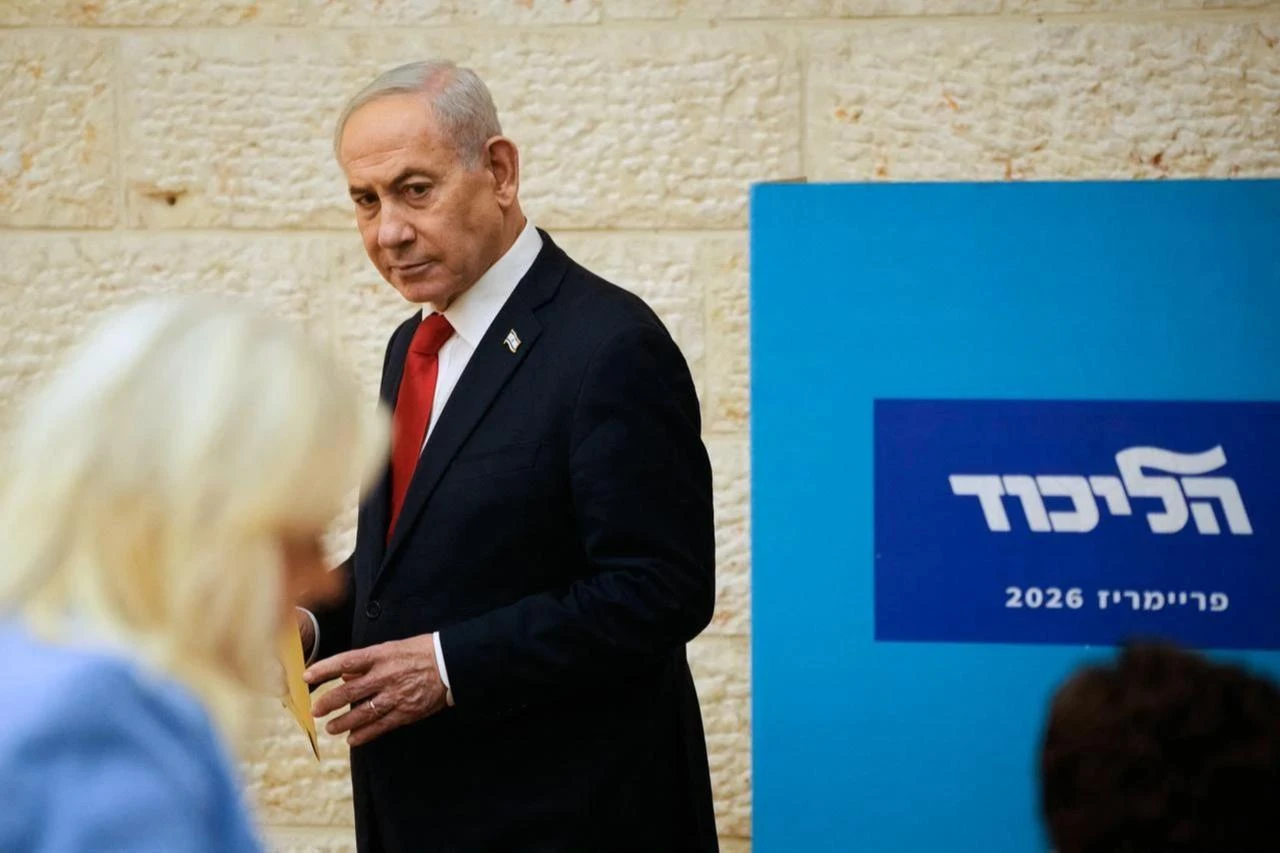
After a day of official silence, Prime Minister Benjamin Netanyahu's office issued a statement addressing the strike without explicitly acknowledging Israeli responsibility.
"Israel and Syria agreed to a status quo in security matters, which Syria was on the verge of breaching by permitting Turkish troops to deploy at an airbase near Aleppo," the statement said, adding that Israel "repeatedly warned Syria that such a deployment would pose a threat to Israel's security" and that "Syria chose to ignore these warnings."
In a post on X, the Prime Minister's Office added that Israel "will not tolerate threats to its security, and would welcome a return to the status quo."
The Syrian Observatory for Human Rights, a monitoring group, said the strikes followed a visit by a Turkish military delegation to the airfield in recent days as part of efforts to reactivate it.
Tom Barrack, the US envoy for Syria and ambassador to Türkiye, confirmed earlier Tuesday that Israel had carried out the strikes.
Writing on X, he said the attacks "constitute an unnecessary escalation that does not advance regional stability" and called on "all parties to prioritize logical discourse over further military incidents."
The United States has been working to support Syria's new government, led by Ahmed al-Sharaa, a former jihadist with ties to Türkiye who took power after the December 2024 fall of longtime ruler Bashar al-Assad.
Syria's foreign ministry condemned the strikes "in the strongest terms," describing them as "an unjustified act of aggression" and urging the UN Security Council to take action.
The ministry said the attacks came even as Syria "has exercised restraint and worked to consolidate stability and avoid escalation."
Türkiye, the first Muslim-majority country to recognize Israel, is a NATO ally of the United States.
But relations between Israel and Türkiye have deteriorated under President Recep Tayyip Erdogan, who has strongly criticized Israel's military campaign in Gaza.
That friction was visible during Israel's recent election campaign, when a billboard for Netanyahu's Likud party pictured Erdogan alongside other regional figures, including Hezbollah leader Naim Qassem, asserting that Muslim leaders wanted Netanyahu to lose.
Israel has carried out hundreds of strikes across Syria since Assad's ouster, and has deployed troops into a UN-patrolled buffer zone that has separated Israeli and Syrian forces in the Golan Heights since 1974, alongside regular incursions deeper into Syrian territory.
Tuesday's strike, however, reached further into Syria than that established zone.
Despite the tension, Israel and Syria's new government have held several rounds of direct talks and agreed to set up an intelligence-sharing mechanism.
Last month, Syrian Foreign Minister Asaad al-Shaibani called for an unconditional Israeli withdrawal, warning that "the unlawful occupation of our land beyond the 1974 line is a direct threat to the security of the region."
Israeli Defense Minister Israel Katz said last week that Israel plans to keep troops in Syria. UN Secretary-General Antonio Guterres, during a visit to Damascus last month, said "violations of Syria's sovereignty and territorial integrity are unacceptable and must cease," and stated that "the Golan Heights are Syrian territory."
Israel captured most of the Golan Heights from Syria in the 1967 Arab-Israeli War and later annexed the territory it controls there, a move not recognized by most of the international community.


 Set as preferred source
 Set as preferred source


 1 min read

 1 min read