Newsletters


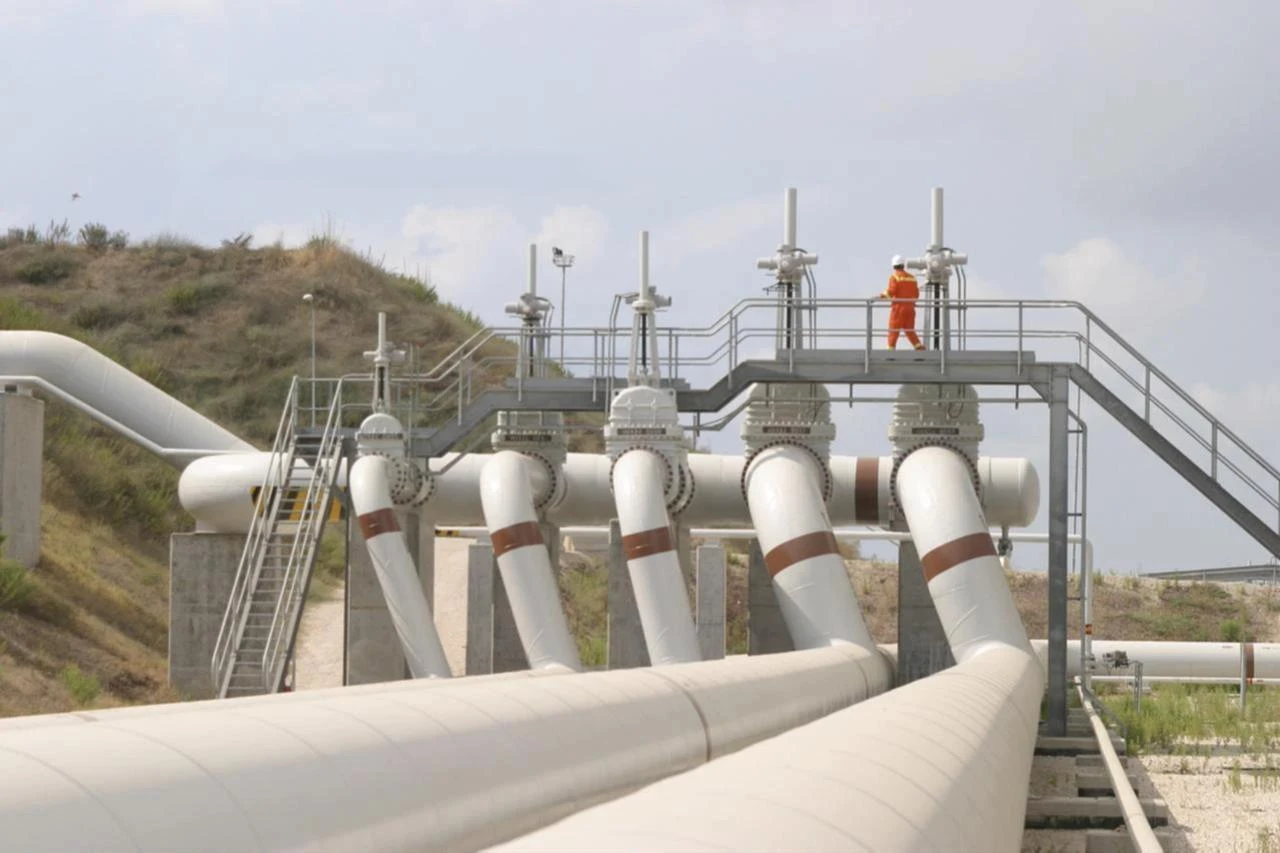


Iraq’s proposed crude oil pipeline through Syria, designed to provide an alternative export route amid disruptions in the Strait of Hormuz, could take about four years to build and cost at least $15 billion, Reuters reported Monday, citing two sources directly involved in the project.
The plan would require construction of an entirely new pipeline system rather than simply restoring the existing Kirkuk-Banias route, which has been badly damaged by wars in Iraq and Syria and has not been in regular use since the 1980s, the sources said.
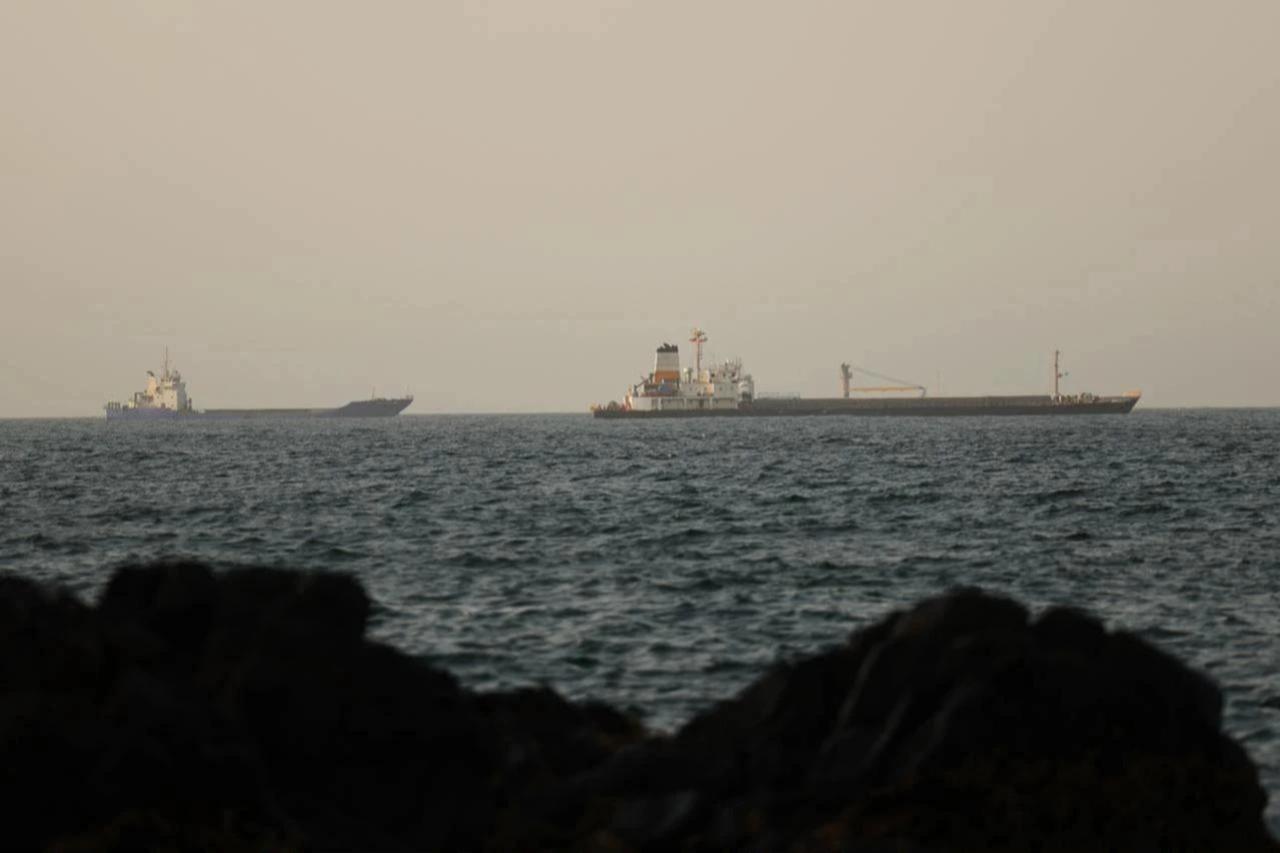
U.S. officials and energy executives have promoted the project as part of efforts to reduce dependence on the Strait of Hormuz, which has been largely shut because of the Iran war.
U.S. Treasury Secretary Scott Bessent said last week that the strait could become far less important to energy exports within two years.
“Over the next two years, the strait is going to become irrelevant. It is going to become just another body of water,” Bessent said.
Before the conflict, about one-fifth of the world’s oil and liquefied natural gas moved through Hormuz. Bessent said more than 50% or 70% of those exports could instead eventually move through underground pipelines.
The two sources, however, told Reuters the Iraq-Syria project itself would likely take around four years because of the amount of new infrastructure required and other potential complications.
Both requested anonymity because of the sensitivity of the project.
Iraq has been among the countries most affected by the closure of the Strait of Hormuz.
Before the war, Iraq exported about 3.6 million barrels of oil per day, mainly through Gulf terminals near Basra. In July, however, it shipped only 35.5 million barrels in total through Hormuz, according to state-run oil marketer SOMO.
A pipeline already connects Iraq’s northern Kirkuk region with Syria’s Mediterranean port of Banias, but the system has suffered extensive war damage.
The sources said the new project would require entirely new infrastructure because surviving sections of the old Kirkuk-Banias pipeline do not meet modern specifications.
One source said parts of the proposed route would broadly follow the existing Kirkuk-Banias corridor, but intact portions of the old pipeline would still be unusable.
The second source said the project would create a new integrated crude oil pipeline network connecting Iraq’s southern and northern oil fields to a central hub in Haditha, western Iraq, before continuing onward to Banias.
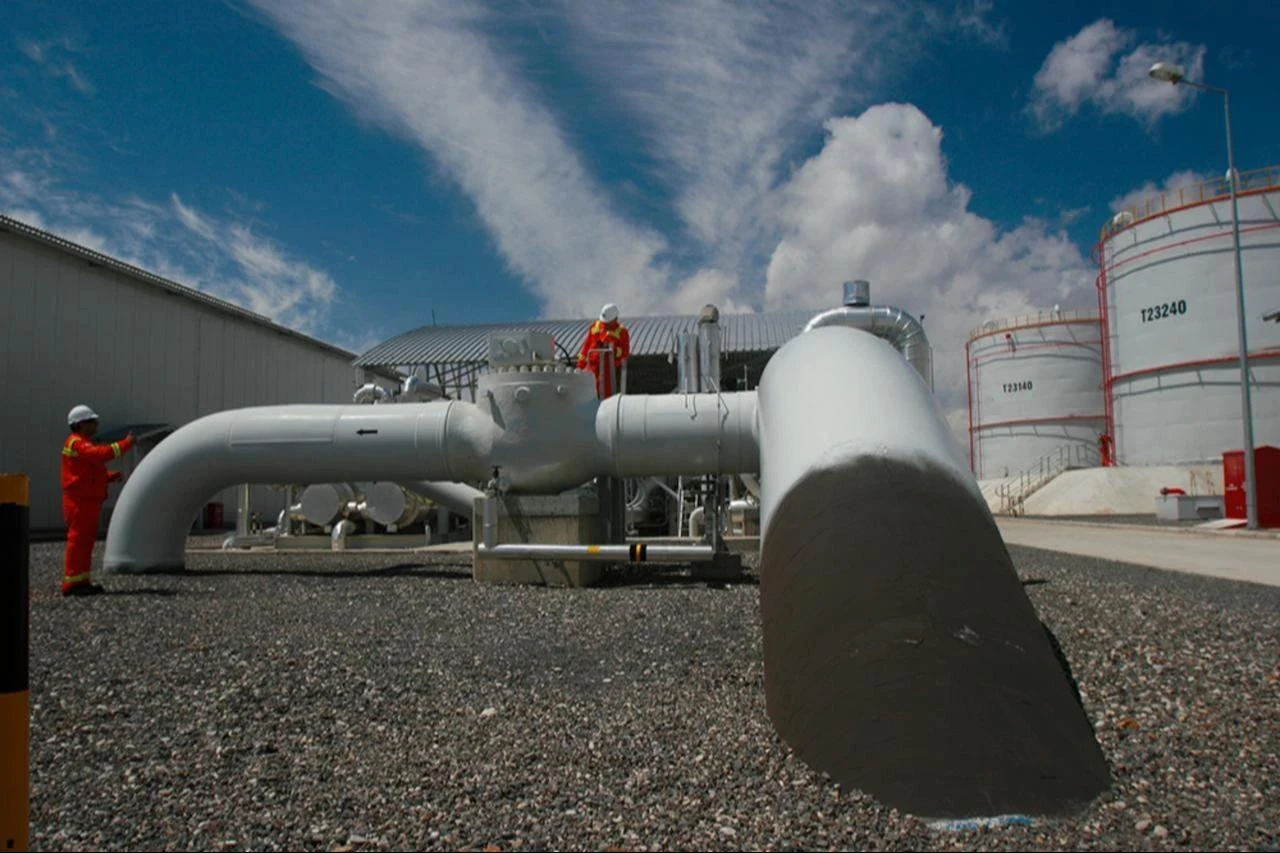

The U.S. has welcomed what it described as the “rehabilitation and reconstruction” of the Iraq-Syria pipeline and said the project could initially transport 2 million barrels of crude oil per day.
That would represent a major increase from the old pipeline’s capacity of about 300,000 barrels per day.
The old system’s capacity was less than one-tenth of the oil volume Iraq exported through the Strait of Hormuz before the Iran war.
Iraq has also resumed oil exports from its Kirkuk fields through a pipeline to Türkiye’s Ceyhan port, with a targeted capacity of around 250,000 barrels per day.
Both sources told Reuters construction of the Iraq-Syria pipeline would take about four years.
One source said the schedule could be extended by the need to remove old infrastructure and secure new land-use rights from Syria’s new administration.
Syria and Iraq have separately signed memorandums of understanding with a consortium that includes U.S. oil major Chevron, TI Capital and Qatar’s UCC Holding to carry out technical and financial studies for the project.
A Chevron executive said during a press briefing last month that the project could provide Iraq with “another access route to market” through the Mediterranean.
The executive said any new pipeline would also have to connect to Iraq’s southern West Qurna 2 and Nassiriya oil fields, which Chevron is currently negotiating to enter.
Chevron still needs to carry out technical studies to determine whether parts of the existing Iraq-Syria pipeline should be refitted, expanded or completely rebuilt, the executive said.
The company has not yet provided an estimate for the pipeline’s eventual export capacity.
“Usually, as these pipelines go, it’s not 100% capacity available on day one,” the Chevron executive said.


 Set as preferred source
 Set as preferred source


 1 min read

 1 min read