Newsletters


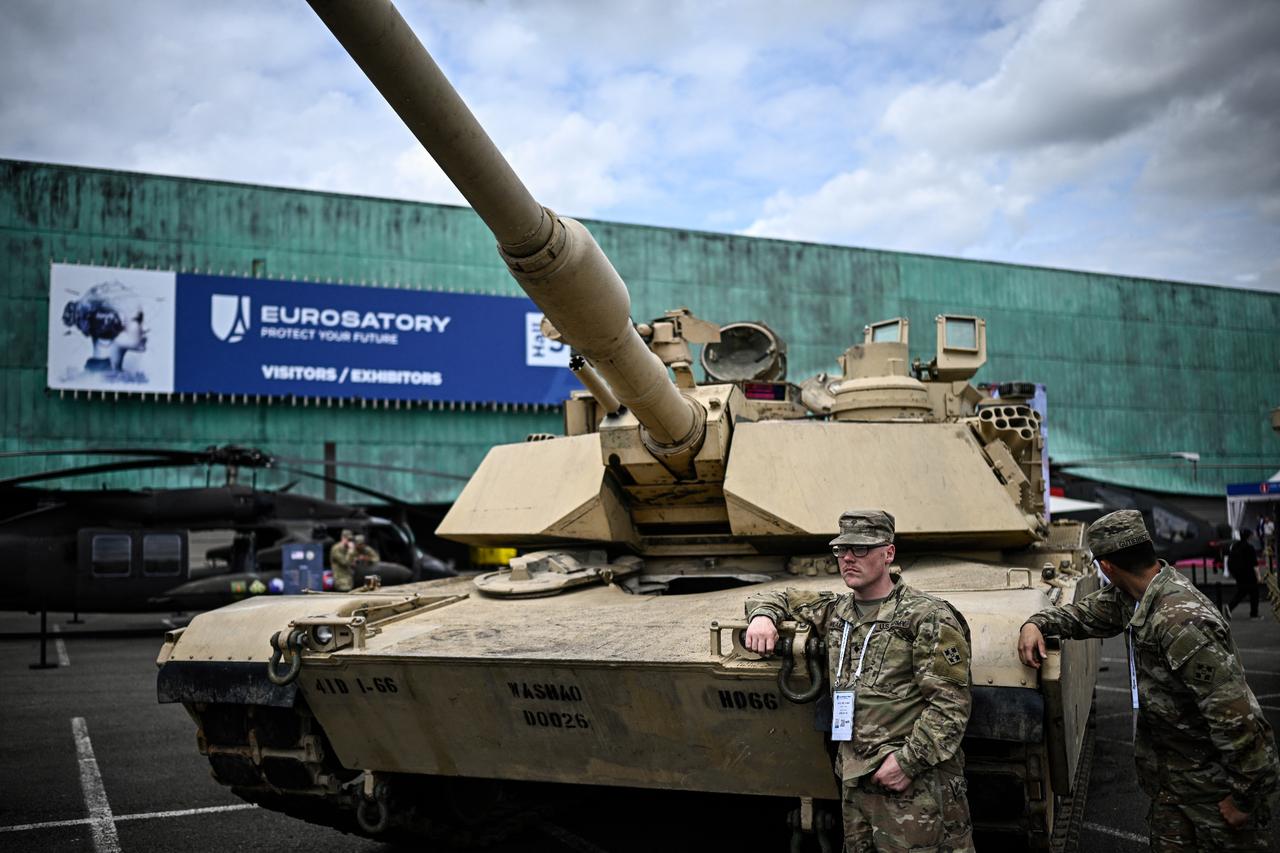


France has banned Israel from participating in Eurosatory, one of the world’s largest arms shows, as Israel’s defense exports reached another all-time high in 2025.
The Israeli government said Monday that France would not allow Israeli government representatives to attend the exhibition or open a national pavilion.
The Israeli Defense Ministry said the decision also restricts its defense companies to displaying only air defense products, while offensive systems are explicitly excluded.
“As a result, the (Israeli defense ministry) will be unable to participate in the exhibition or establish a national pavilion,” the ministry said.
An official from the French Armed Forces Ministry reportedly confirmed the ban to POLITICO and said Israeli companies that display only air and missile defense systems will be allowed to attend.
Eurosatory begins June 15 in Villepinte, near Paris.
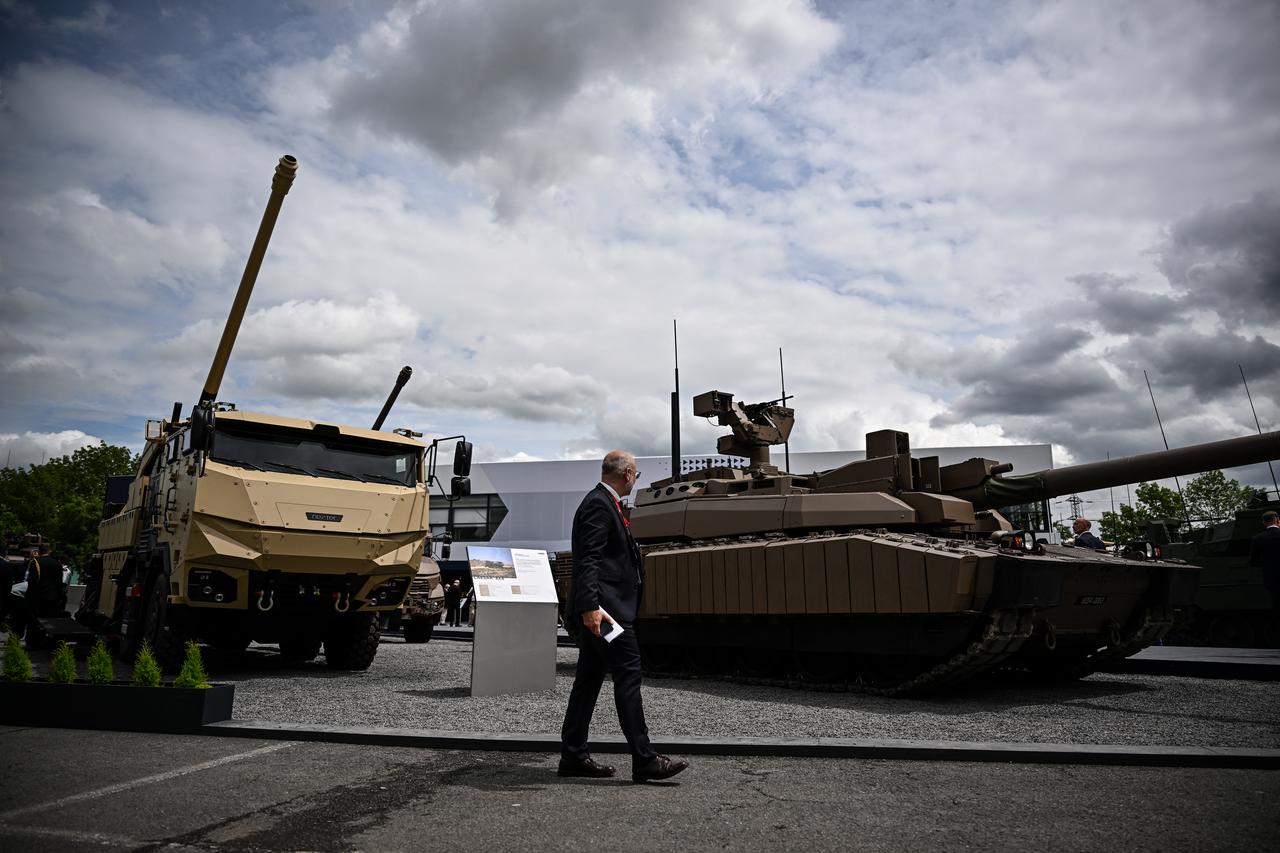
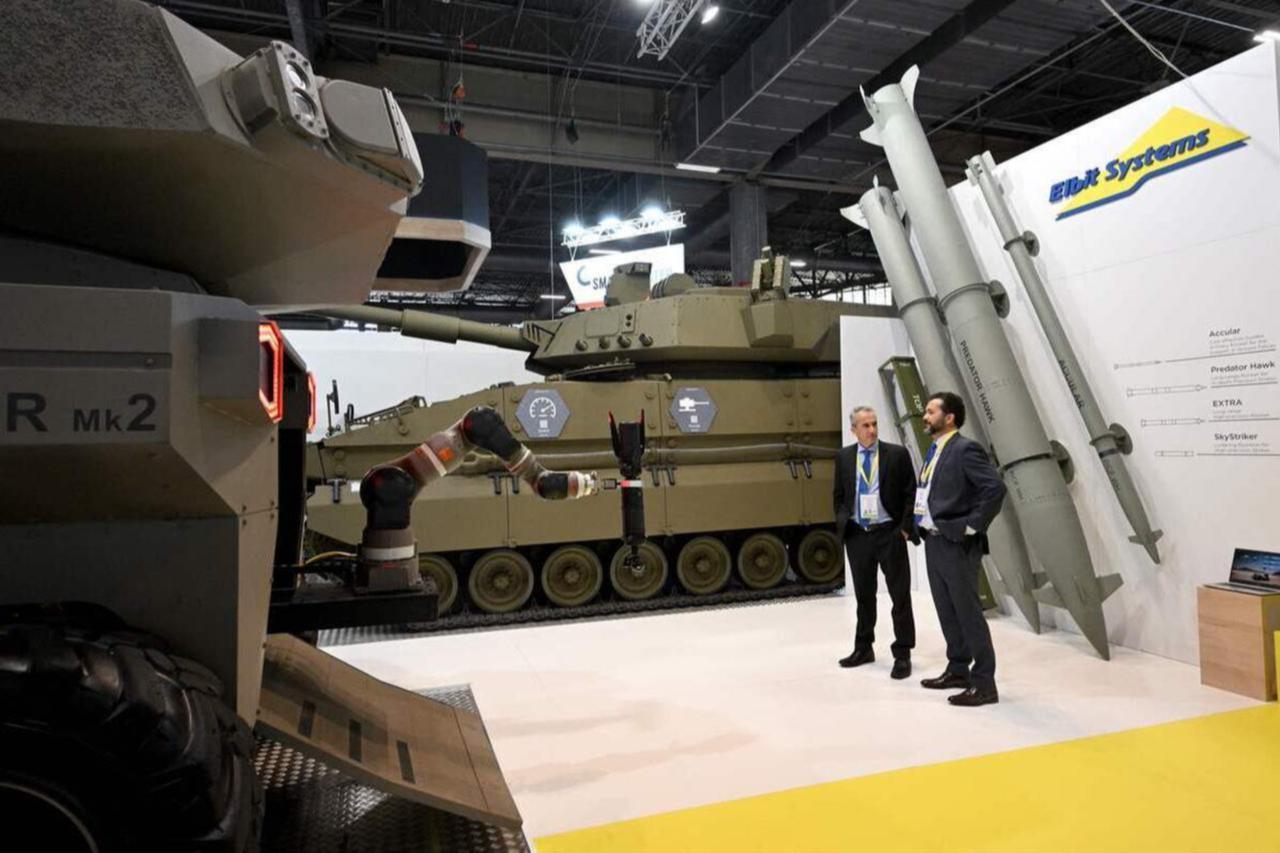
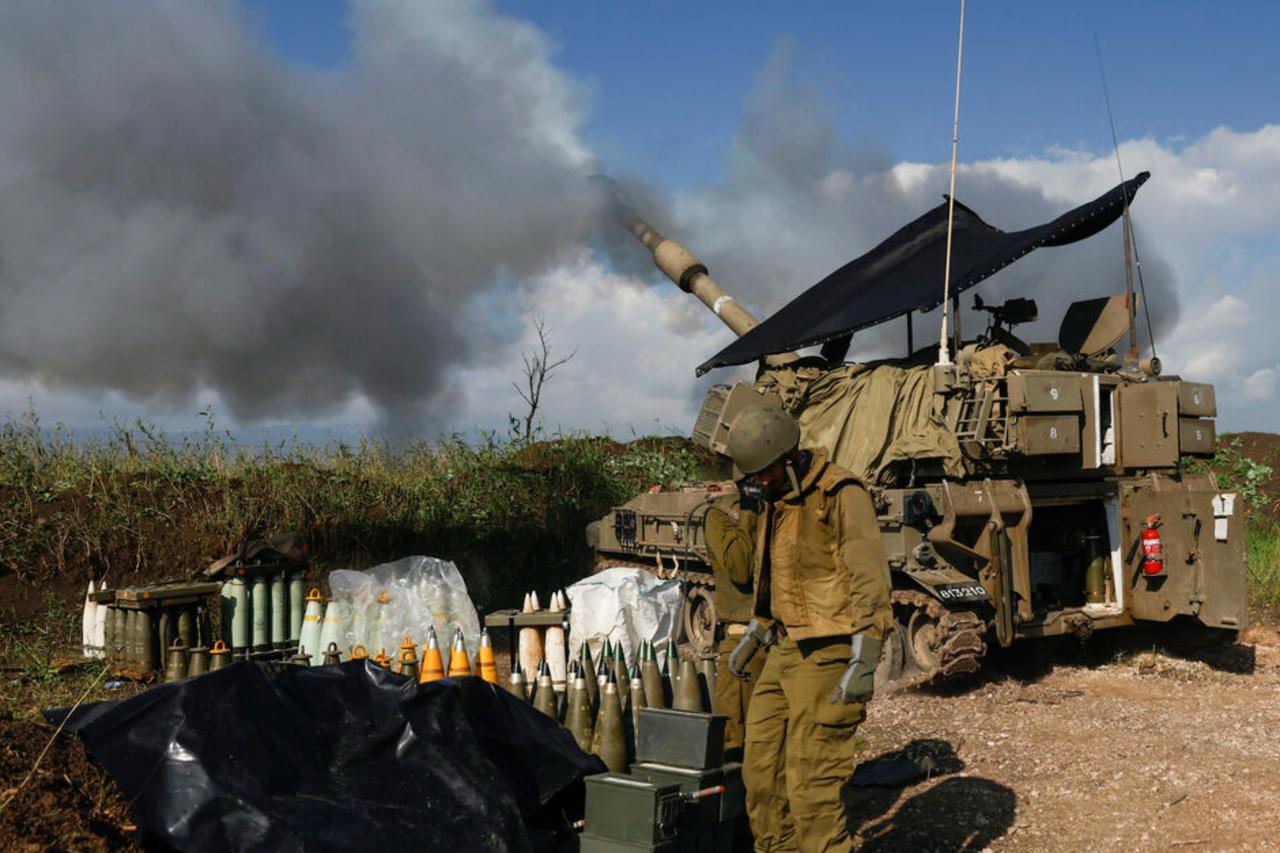
The arms fair gives some of the world’s largest weapons makers a platform to showcase military equipment, including tanks, artillery systems and rocket launchers.
Companies expected at the fair include Germany’s Rheinmetall, the U.S.’s Lockheed Martin and South Korea’s Hanwha Aerospace.
The Israeli Defense Ministry criticized the French move, calling it “a disgraceful decision” and saying it reflected “political and commercial calculation.”
The ministry also suggested France was targeting Israeli companies because they compete with French defense firms.

The decision is expected to deepen a monthslong diplomatic rift between France and Israel.
Tensions culminated when Paris recognized Palestinian statehood in September last year.
In March, Israel announced it would stop all defense procurement from France.
On Monday, the French government sharply condemned Israel’s assault in Lebanon and called for an emergency meeting of the U.N. Security Council.
This is not the first time France has barred Israeli companies from major defense events. In 2024, France banned Israeli firms from Eurosatory and the Euronaval naval arms show over Israel’s war on Gaza.
Israeli companies were also barred from the Paris Air Show in June last year.
The Israeli Defense Ministry announced Tuesday that Israel’s defense exports reached $19.2 billion in 2025, breaking the country’s all-time record for the fifth consecutive year.
The ministry said exports rose nearly 30% from the previous year, more than doubled in five years and quadrupled in a decade.
Israel is among the world’s leading arms exporters.
Missile, rocket and air defense systems led exports in 2025, accounting for 29% of total deal volume.
Observation and optronics systems also recorded a sharp increase, rising to 22% from 6% the previous year.
European countries purchased 36% of Israel’s defense exports, while Asia and the Pacific accounted for 32%. The Middle East and North Africa accounted for 15%.
Government-to-government agreements reached a record of about $10 billion, making up more than half of total deal volume.
The ministry said Israeli defense industries signed hundreds of contracts worldwide in 2025 with the support and guidance of the Defense Ministry.
More than half of the deals, 53%, were mega-deals worth $100 million or more each.
Since Oct. 7, 2023, Israeli defense industries have operated under wartime conditions, maintaining round-the-clock production for the Israeli army while also fulfilling contracts for foreign clients, the ministry said.
Israel has fought on several fronts since Hamas’ Oct. 7, 2023, attack triggered the war in Gaza, including against Hezbollah in Lebanon and alongside the U.S. against Iran.
The Defense Ministry said operational achievements, including during Operation Rising Lion against Iran in June 2025, and the combat-proven performance of Israeli systems across multiple theaters, generated strong international demand for Israeli defense technology.
Defense Minister Israel Katz said Israel’s battlefield performance and defense industry capabilities were directly linked to export success.
“There is a clear and unmistakable thread connecting the IDF’s battlefield achievements across all fronts, the extraordinary capabilities of Israel’s defence industries, and the success of Israeli defence exports around the world,” Katz said.
In April, the ministry said it planned to accelerate production of Arrow missile interceptors amid the war with Iran.
The announcement followed questions in international media over how long Israel’s interceptor stocks would last, with some analysts pointing to shortages of top-tier Arrow interceptors.
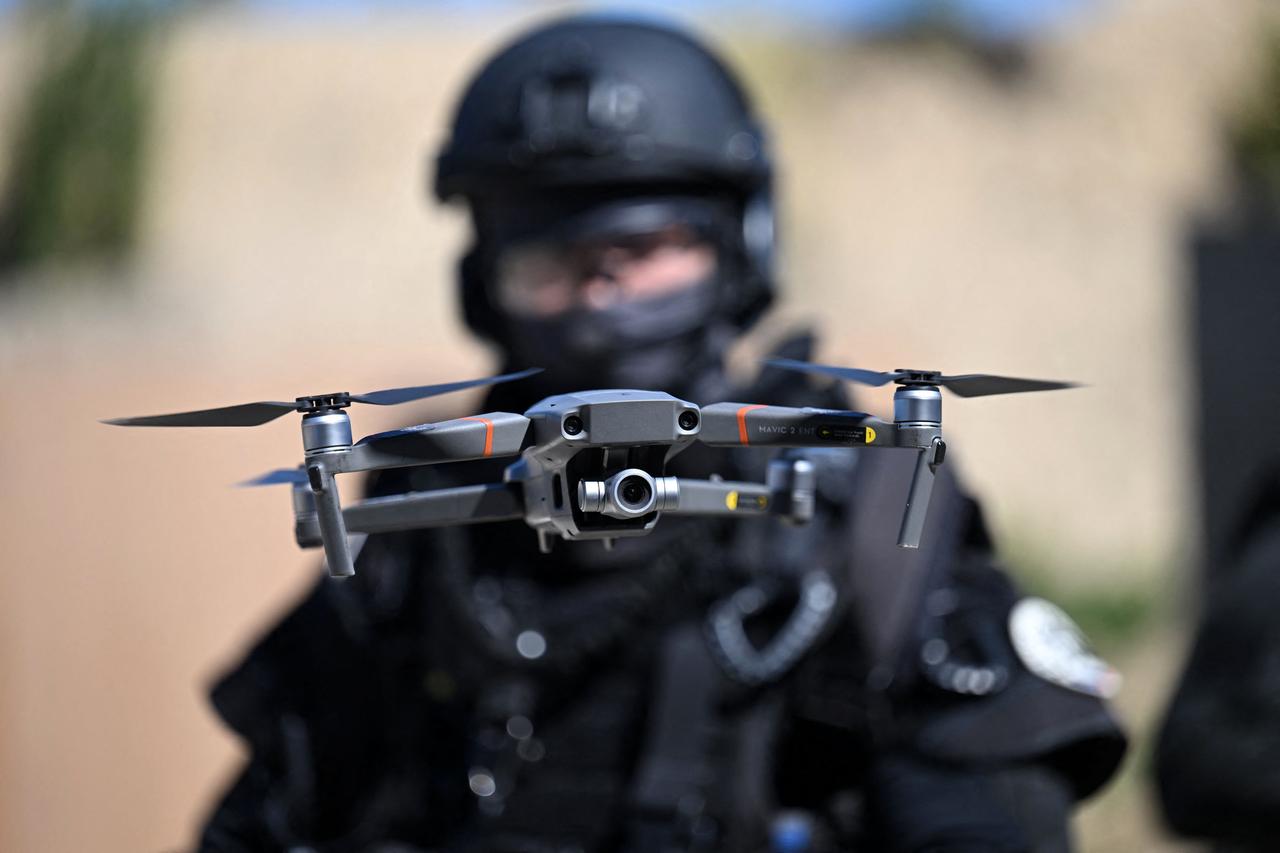
The ministry said the surge in exports, especially government-to-government agreements, reflects its strategy to expand defense exports as part of strengthening the Israeli army’s force buildup in a challenging budget environment.
It said the strategy also aims to advance foreign policy goals, strengthen the defense industry and generate additional budgetary resources for defense.
Defense Minister Katz and Ministry Director General Maj. Gen. Amir Baram initiated a defense export reform that includes opening new markets, expanding strategic partnerships with several countries and easing export licensing policies.
The ministry said the reform also includes stronger and more focused oversight mechanisms to protect classified assets and defense secrets.


 Set as preferred source
 Set as preferred source


 1 min read
 1 min read