Newsletters


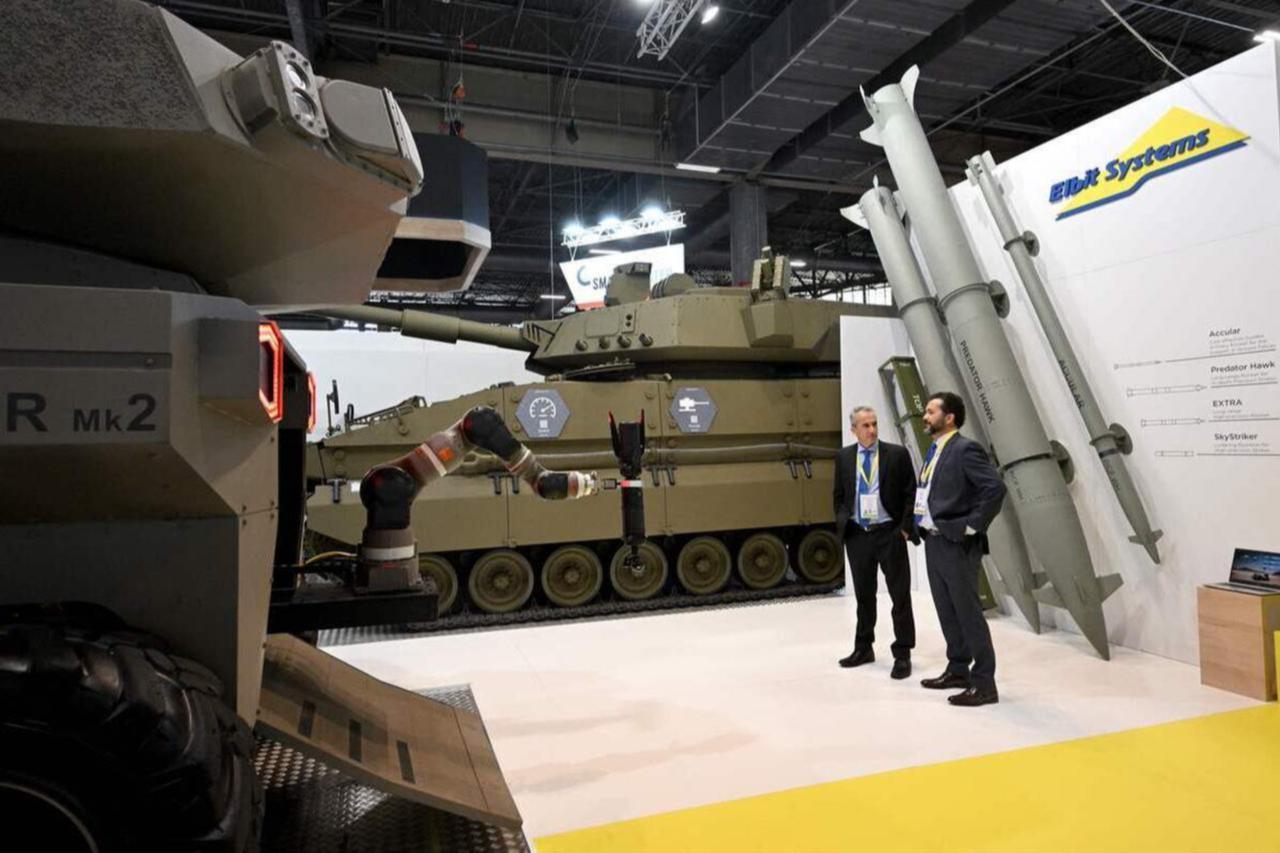


France has informed Israel's Defense Ministry that it will not be permitted to hold an official national pavilion at this month's Eurosatory defense exhibition near Paris, the Israeli ministry announced Monday, in a move that deepens a diplomatic rift between the two countries over Israel's military operations in Gaza and Lebanon.
The French government's decision also bars Israeli defense companies from displaying offensive combat systems at the biennial arms fair, one of Europe's largest, though air defense-related products will still be permitted for exhibition.
Israel's Defense Ministry condemned the move in blunt terms, calling it "a disgraceful decision, one that reeks of political and commercial calculation," and said the decision came as no surprise.
The Eurosatory ban is the latest flashpoint in increasingly strained relations between France and Israel as international pressure over arms exports to Israel has grown alongside its ongoing military campaigns. Several European governments have moved to restrict or suspend defense trade with Israel since the Gaza conflict escalated, citing concerns over civilian casualties and compliance with international humanitarian law.
Eurosatory, held biennially outside Paris, is one of the world's premier defense and security exhibitions, drawing military officials, government representatives and major arms manufacturers from across the globe.
Israel's Defense Ministry framed the French decision as politically and commercially motivated rather than principled, suggesting the move reflects broader European diplomatic pressures rather than a neutral regulatory stance. The ministry's characterization signals that Tel Aviv views the exclusion as a deliberate political signal rather than a procedurally neutral arms control measure.
The decision reflects wider European unease over the optics and legality of defense cooperation with Israel during active conflicts. International scrutiny of arms exports has intensified in recent months, with courts, parliaments and civil society organizations in multiple countries pressing governments to reassess military supply relationships in light of the casualties in Gaza and Lebanon.


 Set as preferred source
 Set as preferred source


 1 min read


 1 min read