

 Newsletters


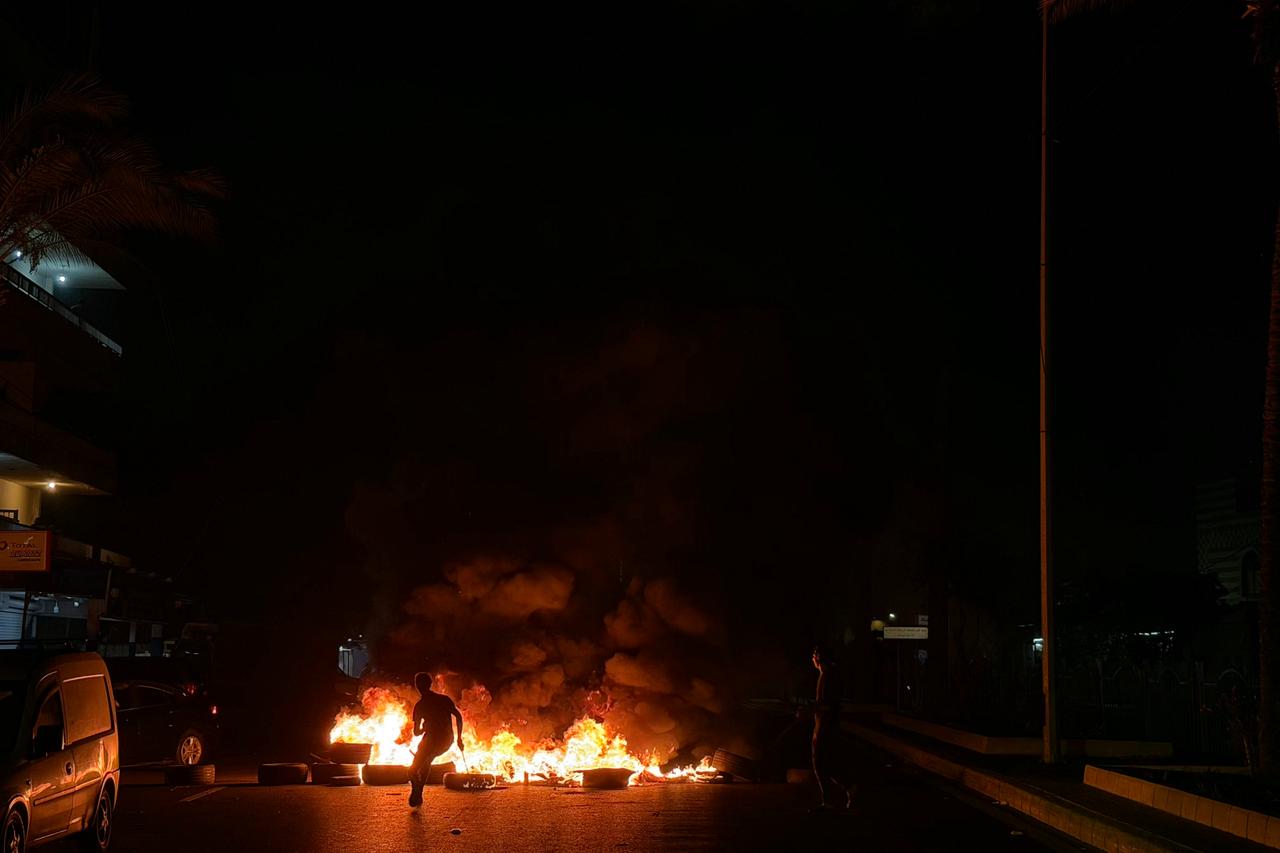


Israel demolished a major Hezbollah tunnel in southern Lebanon on Sunday, just two days after signing a US-mediated framework agreement with Beirut that aims to end decades of conflict between the two countries, raising questions about the durability of the nascent diplomatic process.
Prime Minister Benjamin Netanyahu and Defence Minister Israel Katz announced the operation in a joint statement, saying the tunnel, stretching more than 200 metres and reaching a depth of over 25 metres, "contained hundreds of weapons as well as several launch shafts intended to target the State of Israel and its civilians."
The two officials said Israel had informed both Washington and its representative in Lebanon of the planned demolition in advance.
An AFP reporter in the coastal city of Tyre, about 10 kilometres from the detonation near the village of Majdal Zoun, observed smoke rising on the horizon.
Residents from towns south of Tyre had begun leaving after Lebanese media reported that Israel might carry out a detonation in the area.
The demolition came 48 hours after Israel and Lebanon signed a trilateral framework agreement in Washington on June 26, brokered by the United States under Secretary of State Marco Rubio, who described it at the signing ceremony as "the beginning of the beginning."
The document, also signed by the United States, sets out a path toward formal peace between two neighbours that have officially been at war for decades, committing Lebanon to achieving the "complete and verified disarmament" of all non-state armed groups, a category that explicitly encompasses Hezbollah.
The deal introduces a "pilot zones" mechanism under which the Lebanese military would gradually take control of areas currently occupied by Israeli troops.
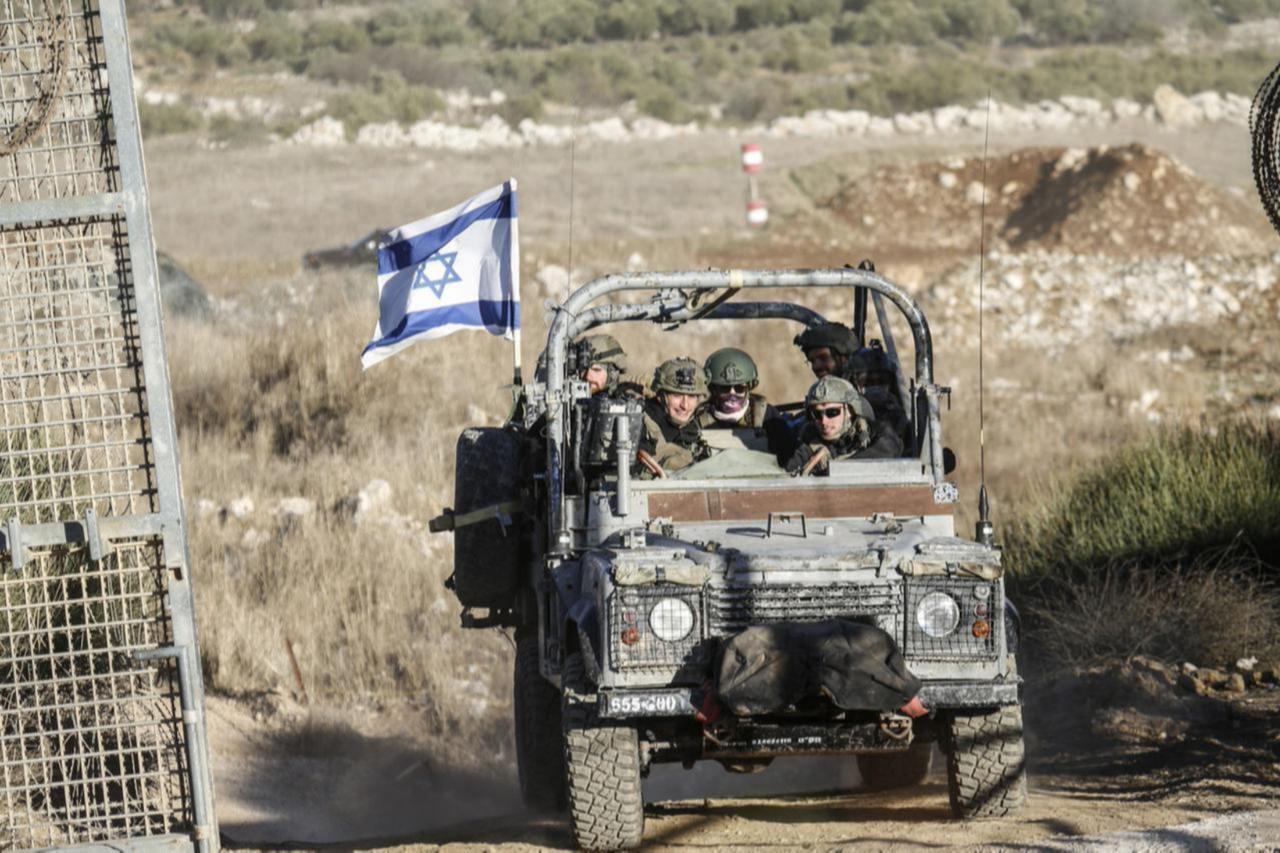
Israel's withdrawal from occupied Lebanese territory, however, is conditional on Beirut's progress in dismantling Hezbollah, which is backed and funded by Iran. Netanyahu has said Israeli troops will remain in the security zone in southern Lebanon until that disarmament is verified.
The tunnel at Majdal Zoun, a village in the Tyre district near the Israeli border, had been described by the Israeli military in recent weeks as a sophisticated underground drone facility, built with direct Iranian assistance over the past decade, including planning and funding. Journalists were taken on an organised media tour of the site earlier this month.
According to the Israeli military, the structure was used to assemble, store and launch Iranian-made unmanned aerial vehicles designed to strike targets across Israel.
Hezbollah has long embedded military infrastructure beneath civilian communities in southern Lebanon, a pattern Israeli officials have repeatedly highlighted. The village had reportedly been fortified with more than 50 terrorist infrastructure sites, including observation posts and weapons storage facilities, according to the Israeli military.
 1 min read

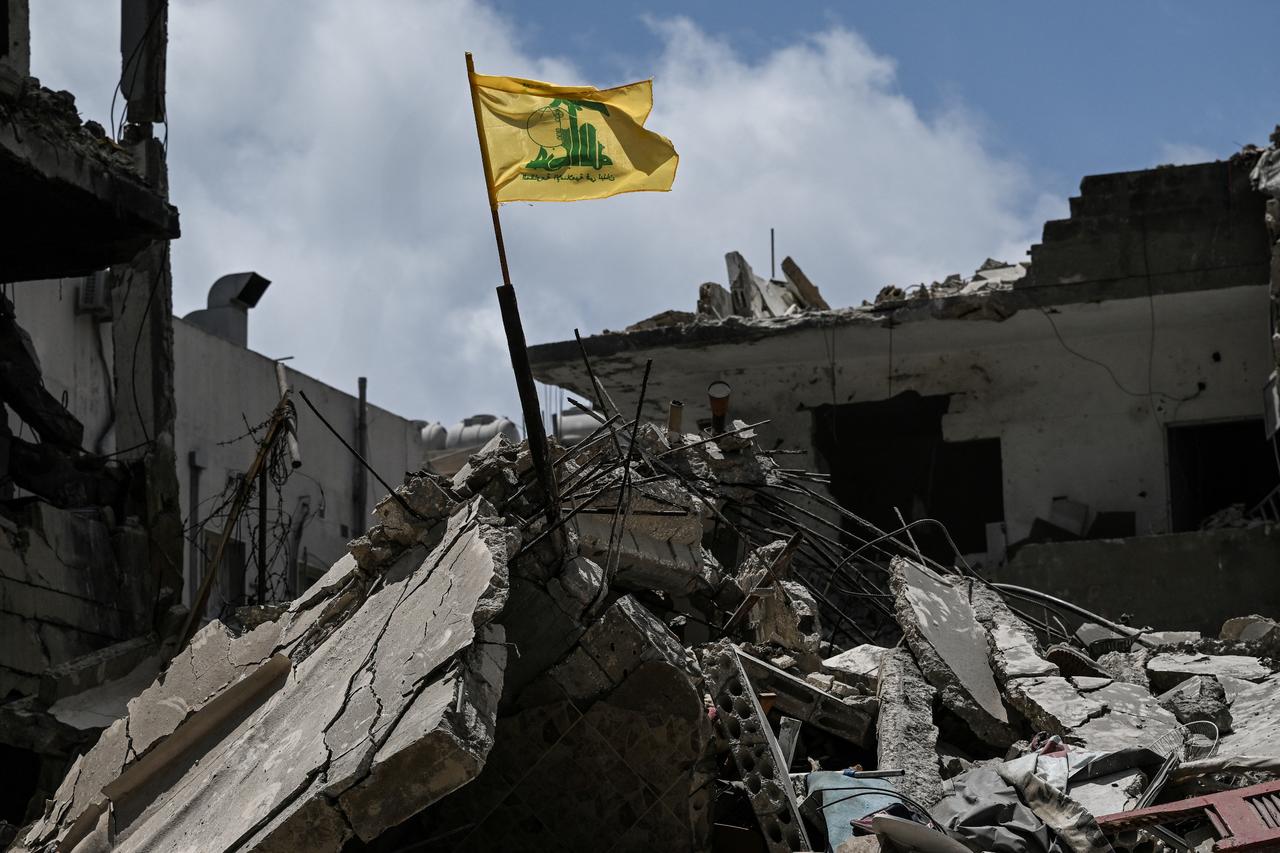
Hezbollah was not a party to the Washington talks and has publicly rejected the framework agreement. A senior Hezbollah-affiliated lawmaker, Hassan Fadlallah, condemned the deal and warned Lebanese authorities would need to fight a "civil war" if they attempted to enforce disarmament.
The group's secretary-general, Naim Qassem, has called for "no normalisation" with Israel and insisted that Hezbollah must retain its weapons as long as the Lebanese army is unable to deter Israeli action.
The agreement has also drawn domestic criticism in Israel. Yair Golan, leader of the Democrats party, argued the deal would not achieve its stated aims, writing that "a terrorist organization does not disarm itself just because it's written on paper."
Despite the diplomatic momentum, Israeli military operations in Lebanon have continued since the framework was signed, underlining the gap between the agreement's ambitions and conditions on the ground.


 Set as preferred source
 Set as preferred source


 1 min read


