Newsletters


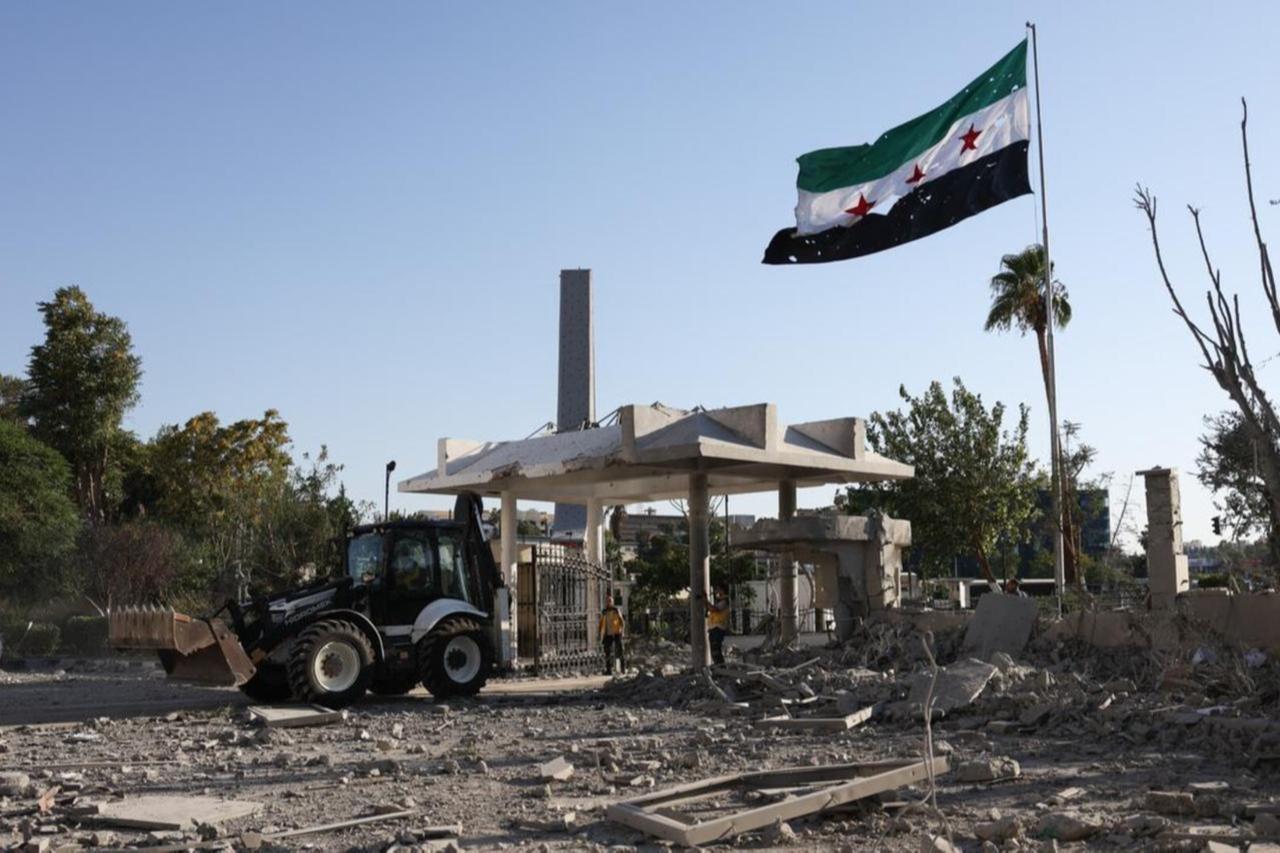


According to a SETA analysis report titled "Security in New Syria: Structure and Threats," by Can Acun and Kutluhan Gorucu and published on Thursday, Israel dramatically increased its military operations against Syria following the fall of the Assad regime.
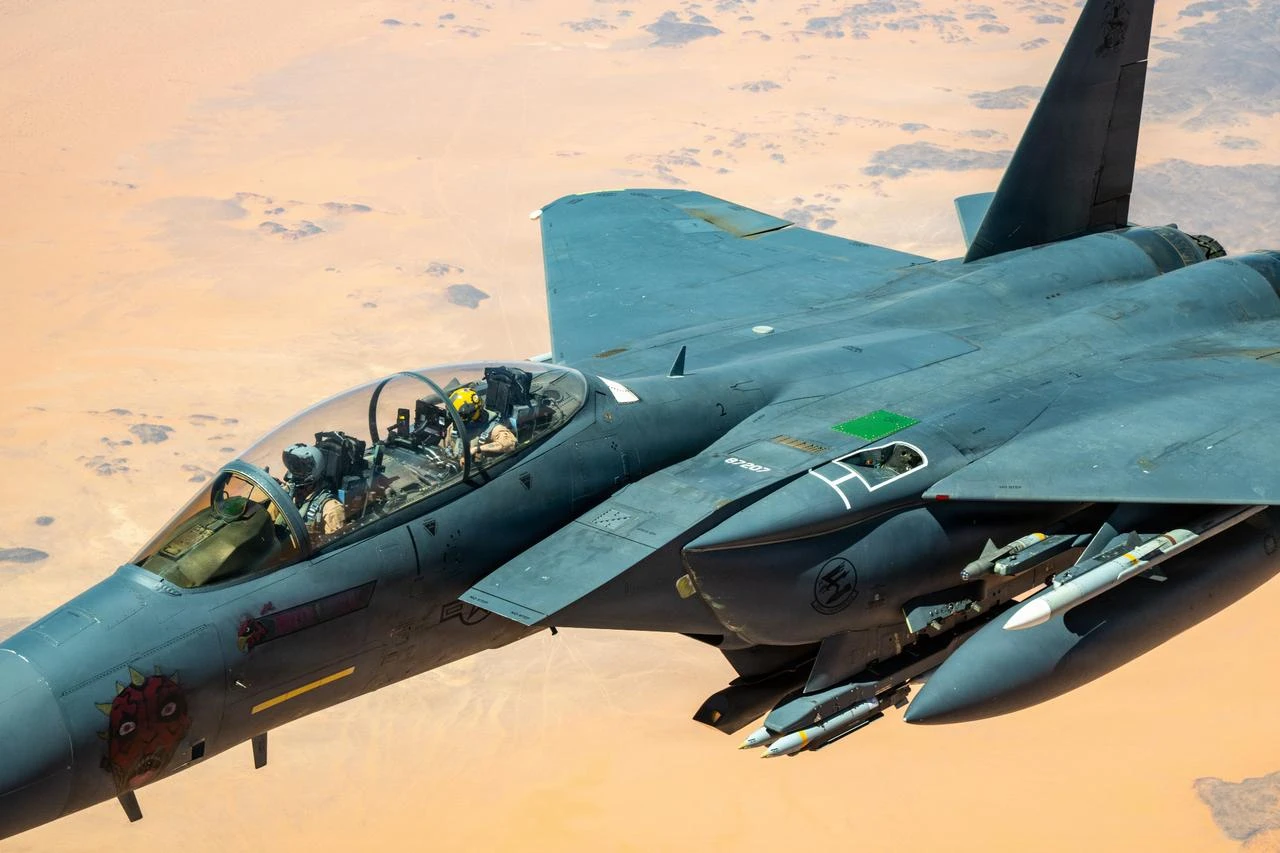
Israel conducted 334 airstrikes against Syria over seven years before the revolution, primarily targeting Shiite militias at 90%, but conducted over 1,000 airstrikes in just one year following the revolution against the Ahmad al-Sharaa administration.
"Israel perceived the new Damascus administration, which is allied with Türkiye and represents the Sunni Arab majority in the country, as a serious threat following the fall of the Assad regime," the report states.
"Israel, which conducted a total of 334 airstrikes against Syria from 2018 until November 27, 2024, when the opposition began military operations against the regime, has conducted over 1,000 airstrikes from that date until today," the report adds.
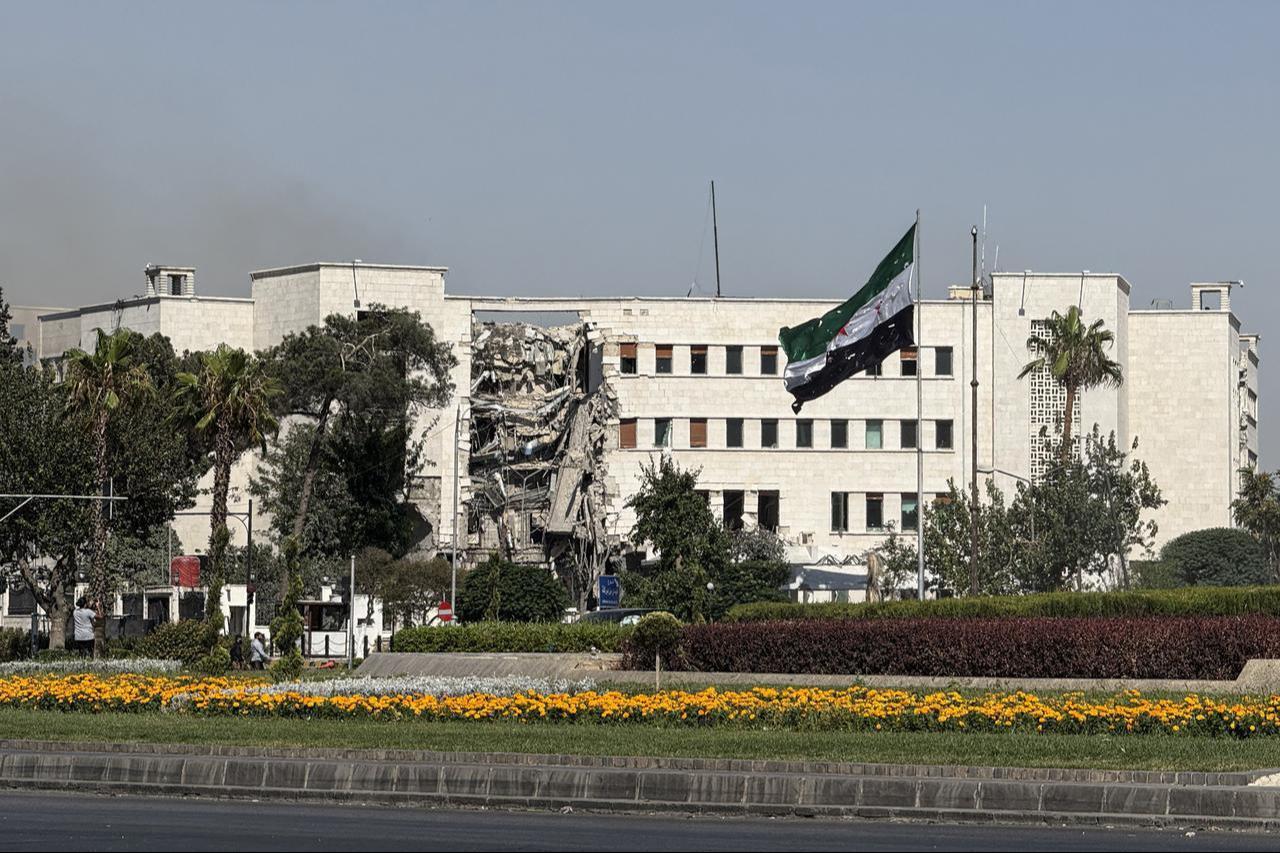

"Israel struck numerous military targets through said airstrikes, including Syria's strategic weapons systems. In addition, Israel conducted airstrikes to support the Druze militias in Suwayda," the SETA report notes.
The escalation of Israeli military operations represents a significant shift in strategy compared to the Assad era. "When looking at the graph of airstrikes Israel has conducted since 2018, it is evident that Tel Aviv evaluates the new Syrian administration as a greater threat to itself compared to the Assad regime," the report states.
Beyond military attacks, Israel has expanded its occupation zones. "In addition to military attacks, Israel expanded its occupation area to include the buffer zone beyond the occupied Golan, and created military fortification points at certain locations. At the same time, Tel Aviv declared the region south of Syria a demilitarized zone," the report states.
The report includes detailed maps showing Israel's military bases, newly occupied areas, and zones targeted for demilitarization.
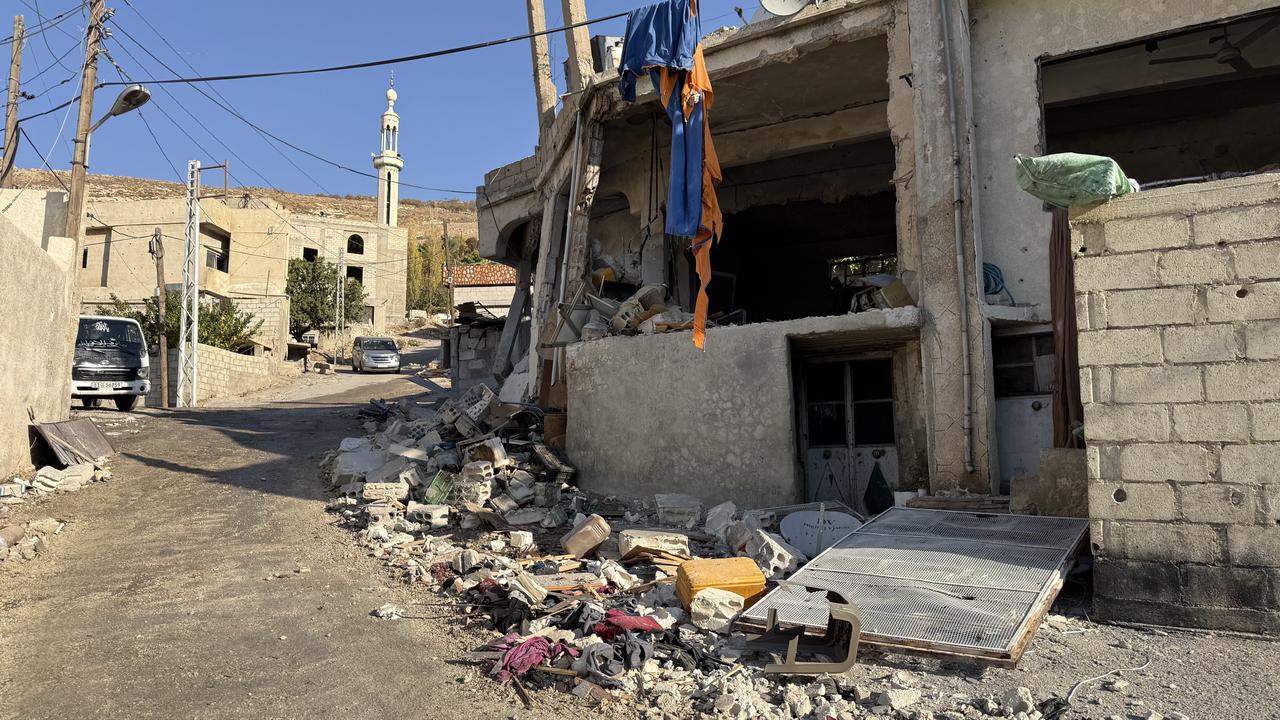
Israel has developed a political strategy targeting ethnic and religious minorities within Syria.
"Israel positions itself as the protector of the Druze through Druze militias led by Hikmat al-Hijri. While removing Suwayda (Sweida) from Damascus administration control through this means, Israel is emboldening the SDF/YPG against Damascus and Ankara," the report notes.
"When examining Israel's policy toward neighboring countries, it is evident that Israel prefers weak institutions, ethnically and sectarian divided state structures along fault lines rather than strong, centralized, and integrated states that could resist its expansionist tendencies," the report states.
"Therefore, the new Damascus administration, which has strengthened in the post-Assad period and has developed close contacts with Ankara, is perceived by Tel Aviv as both a potential geopolitical risk and simultaneously as an opportunity to demonstrate expansionist tendencies," the report adds.
Israel's military and political strategy reflects a preference for weak, divided state structures rather than unified ones, according to the SETA.
"Israel's policy toward nearby countries demonstrates that it prefers weak institutions and state structures fragmented along ethnic and sectarian lines over strong, centralized, and integrated states that could resist its expansionist inclinations," the report concludes.


 Set as preferred source
 Set as preferred source


 2 min read