Newsletters


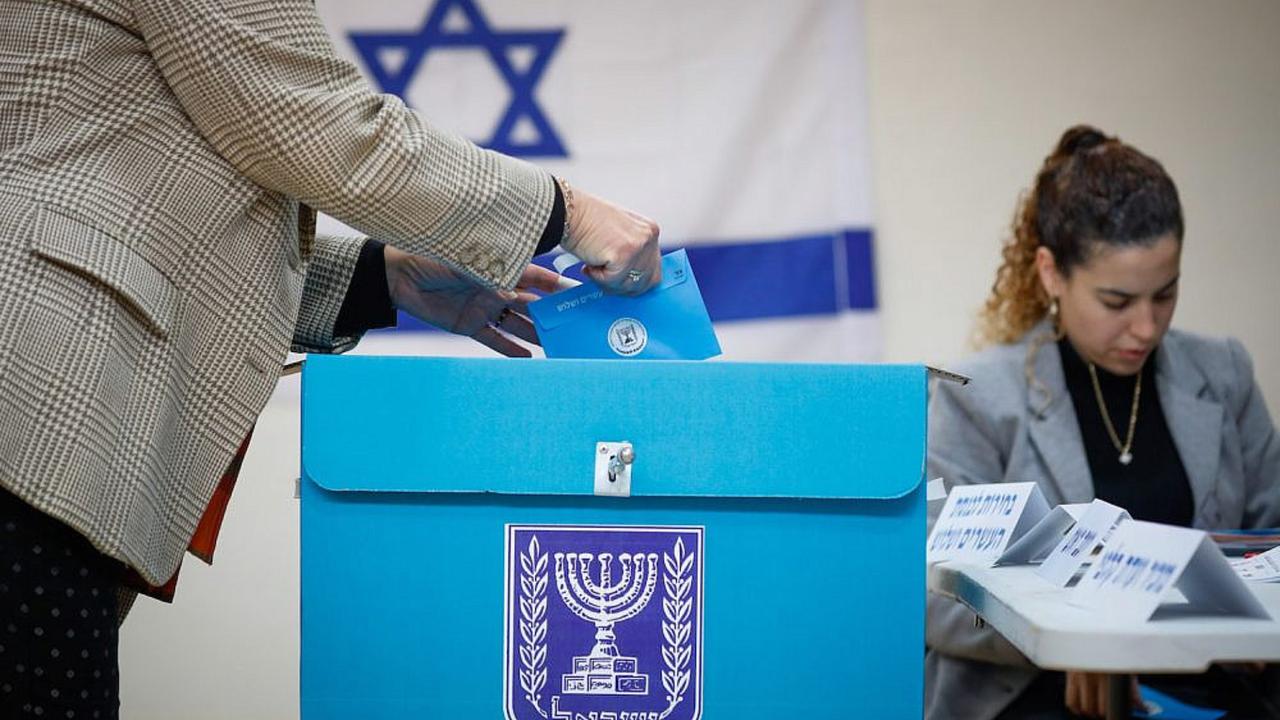
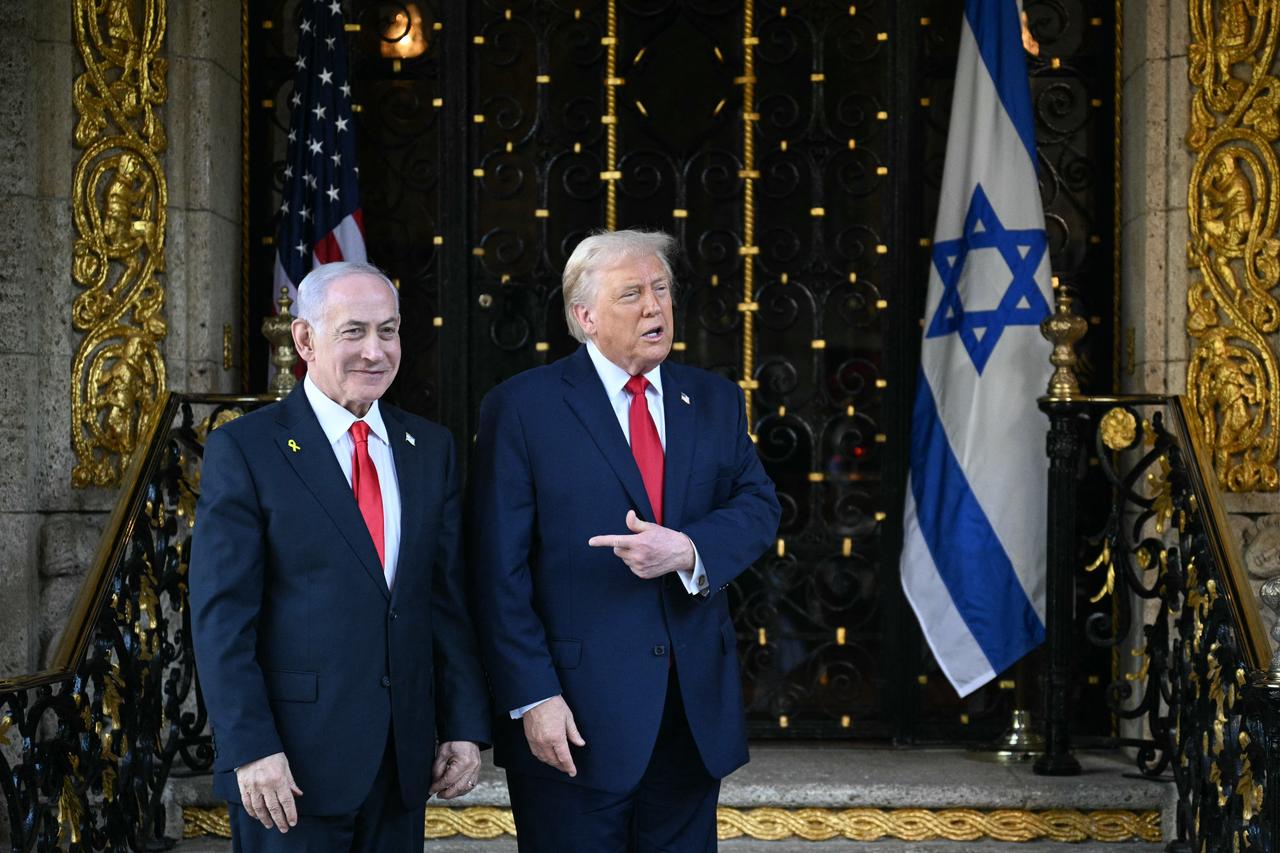
Israelis go to the polls on Oct. 27 in parliamentary elections that will determine Prime Minister Benjamin Netanyahu’s political future.

Voters will choose the 120 members of Israel’s 26th Knesset following the dissolution of parliament on July 17.
Netanyahu’s government stays in office until a new one is formed.
Israeli governments are rarely decided by which party finishes first; the decisive question is normally which bloc can secure a simple majority once the votes are counted.

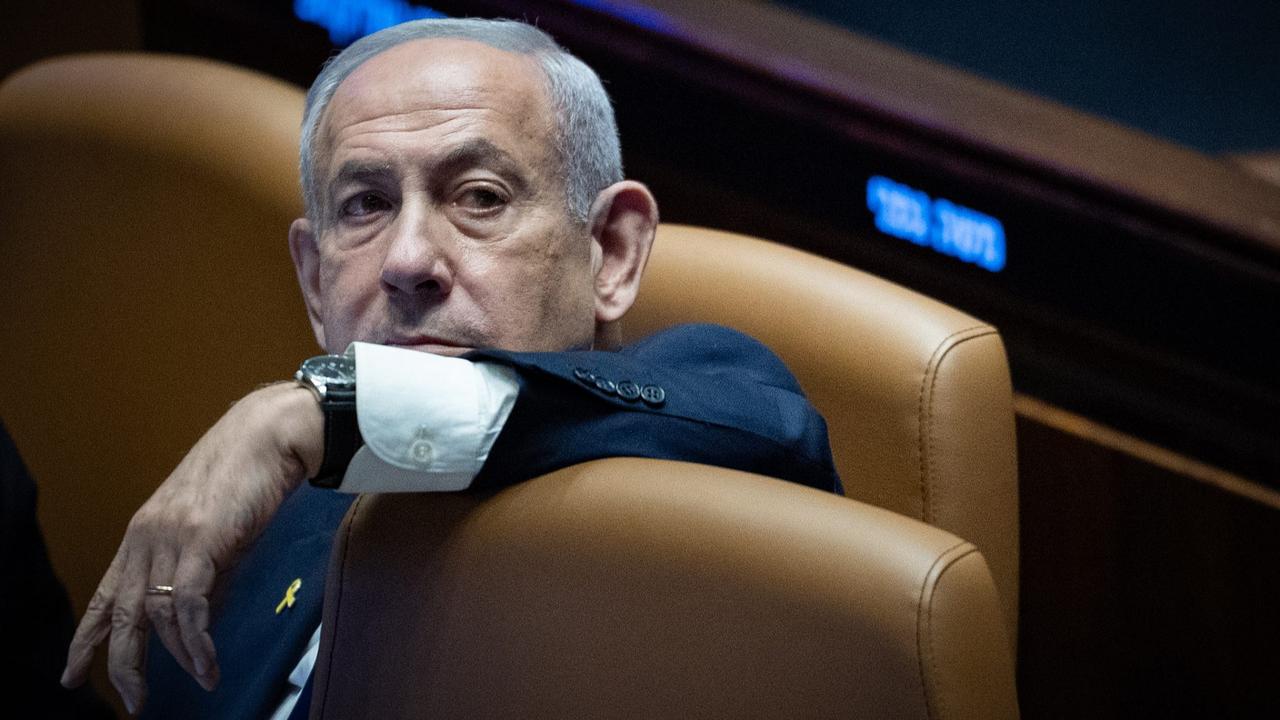
That makes religious, far-right and Arab parties unlikely to lead a government into potential kingmakers, deciding whether Netanyahu stays on as prime minister or Israel enters another period of deadlock.
Israel uses nationwide proportional representation, with the whole country treated as a single electoral district.
Voters do not directly elect a prime minister or pick an individual candidate.
Instead, they choose a closed party list, with candidates ranked before the election.
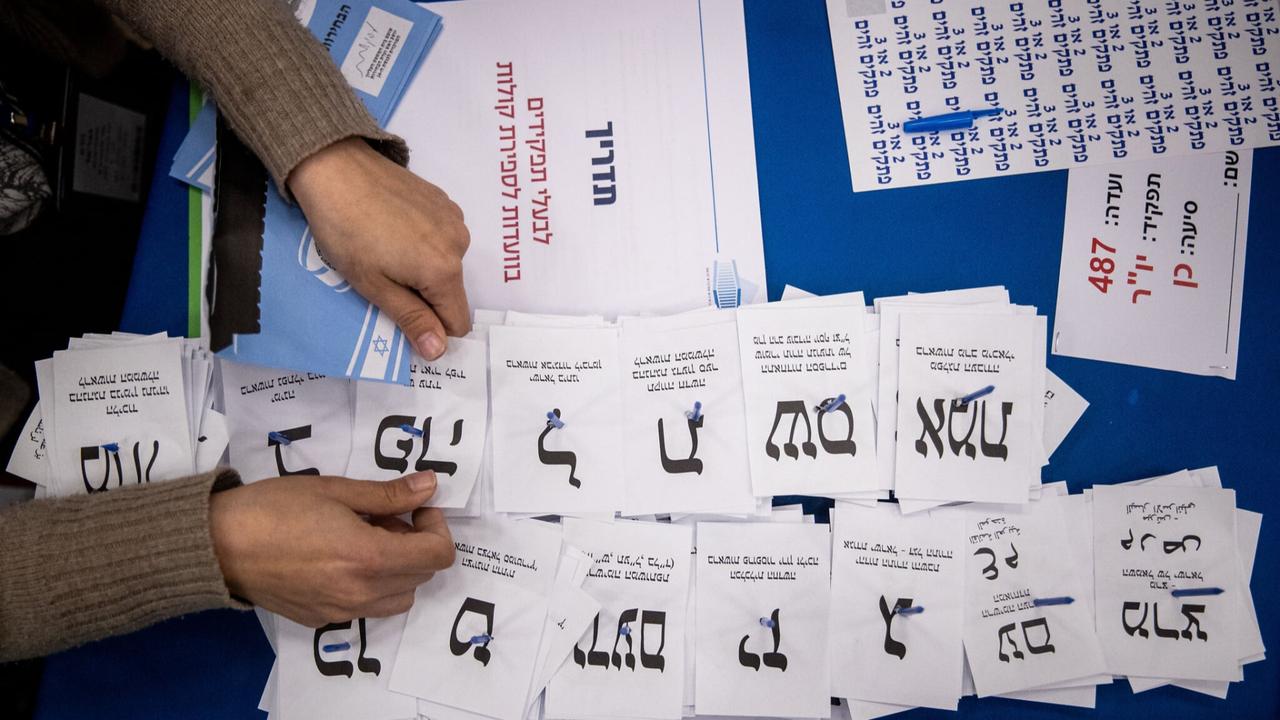
A party must win at least 3.25% of valid ballots to enter the Knesset. Lists that fall short get no seats, and their votes are excluded from the allocation.
The 120 seats are then divided proportionally among the qualifying lists, with Israel using the Bader-Ofer method to allocate the remaining seats after an initial calculation based on each party’s vote share.
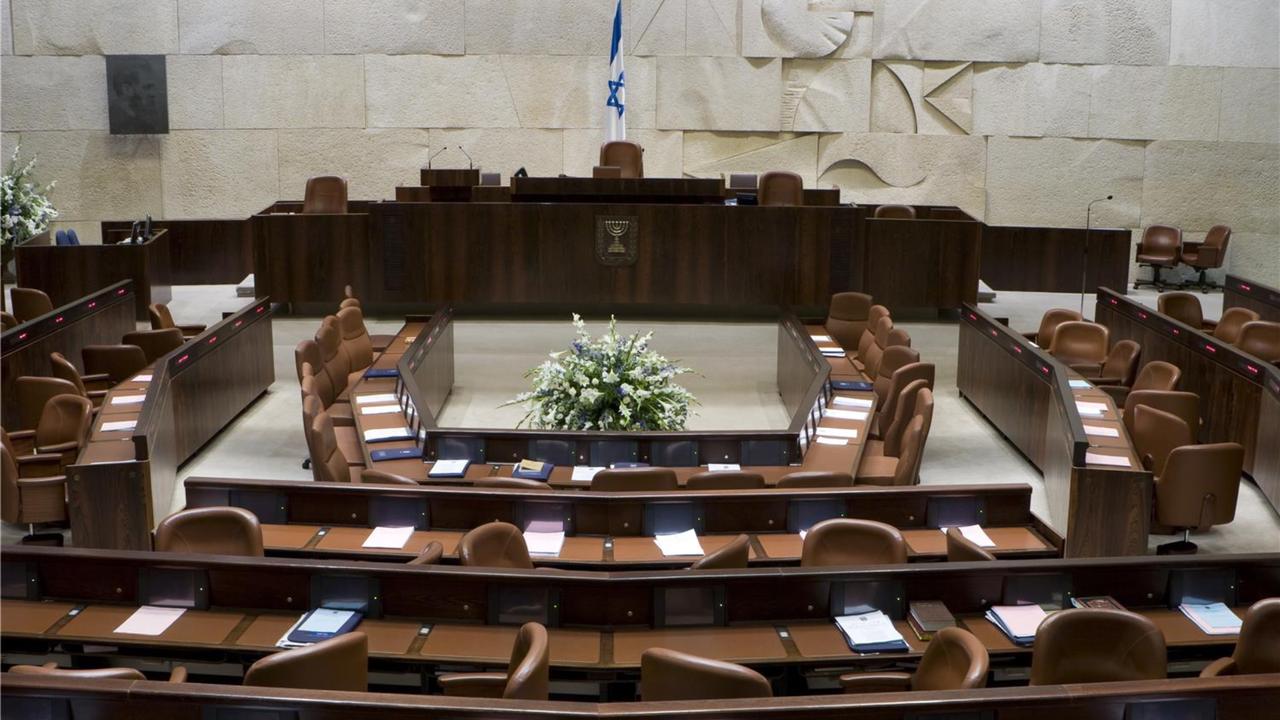
Parties may also sign surplus-vote agreements, allowing two lists to pool unused votes when competing for an additional seat.
The threshold makes smaller parties especially important: if a faction aligned with Netanyahu or the opposition falls just short of 3.25%, its entire bloc could lose several potential seats.

No party has ever won an outright majority of 61 seats, making coalition governments a permanent feature of Israeli politics.
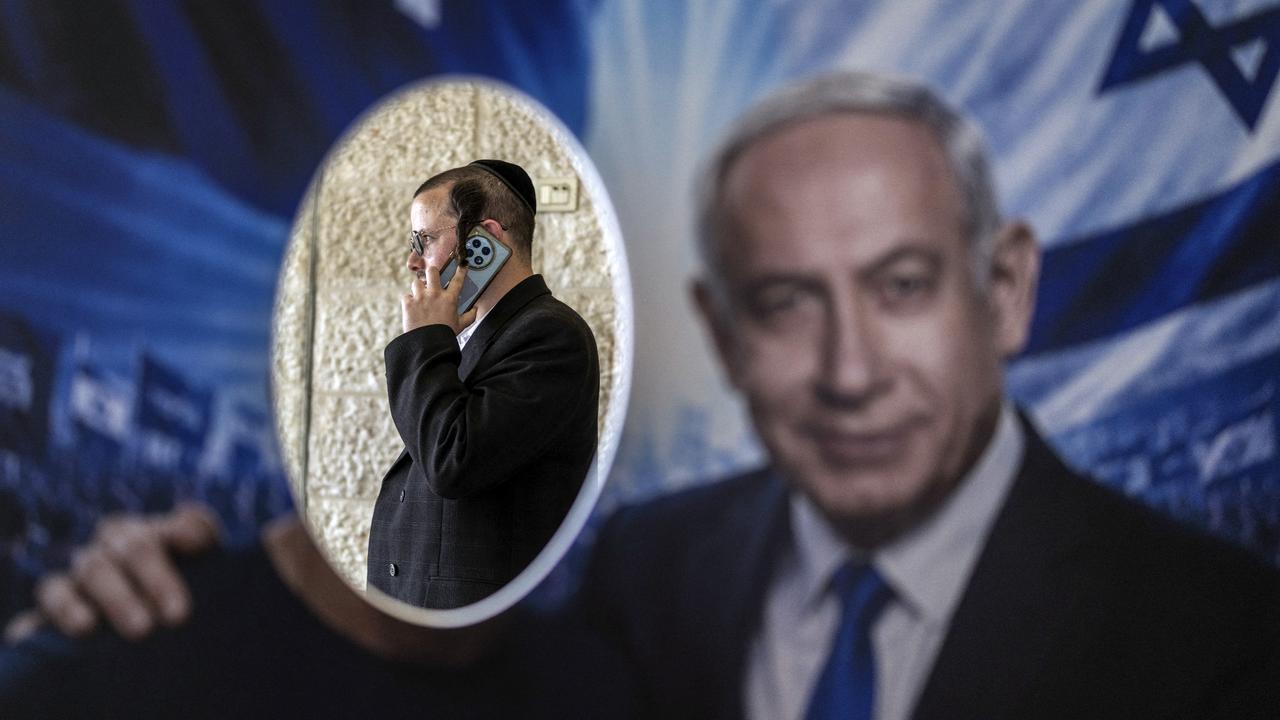
The leader of the largest party does not automatically become prime minister.
What matters is whether a candidate can assemble enough parliamentary support. Once official results are published, Israel’s president consults the parties elected to the Knesset, and each faction recommends a lawmaker to form the government.
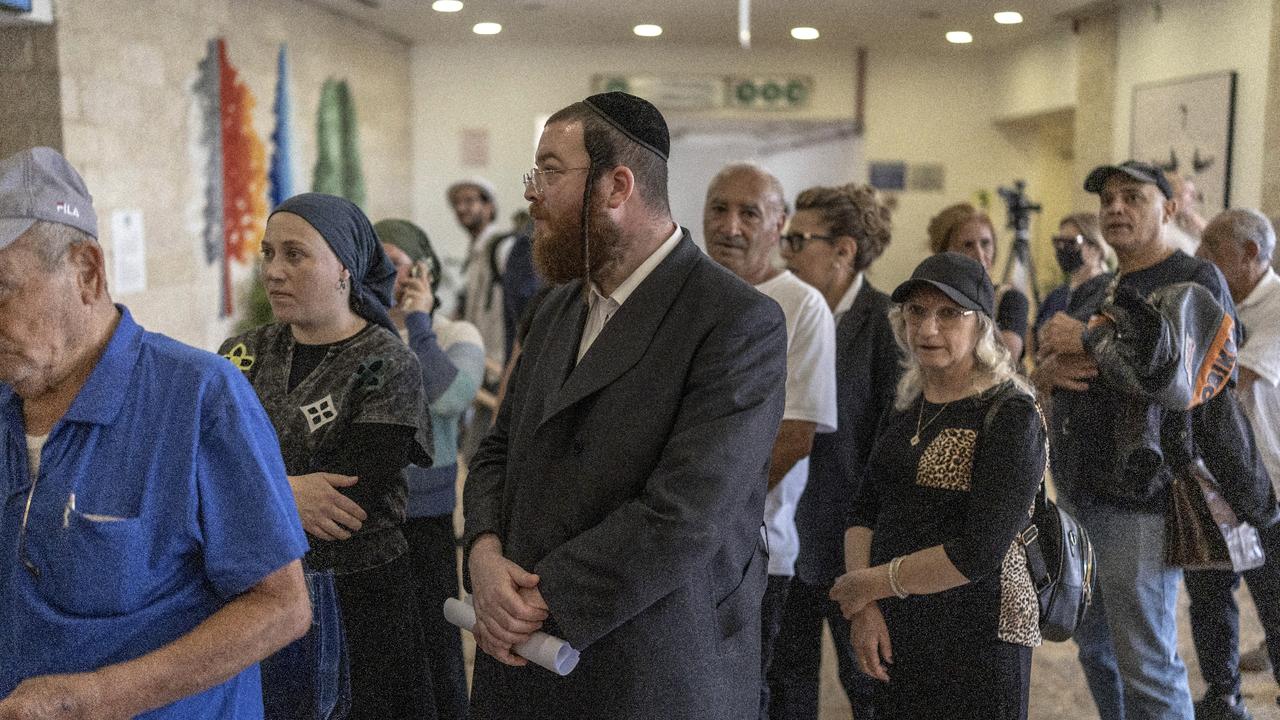
The president then hands the mandate to whoever is considered most likely to succeed, not necessarily the leader of the largest party.
That candidate has 28 days to negotiate a coalition, with a possible extension of up to 14 days.
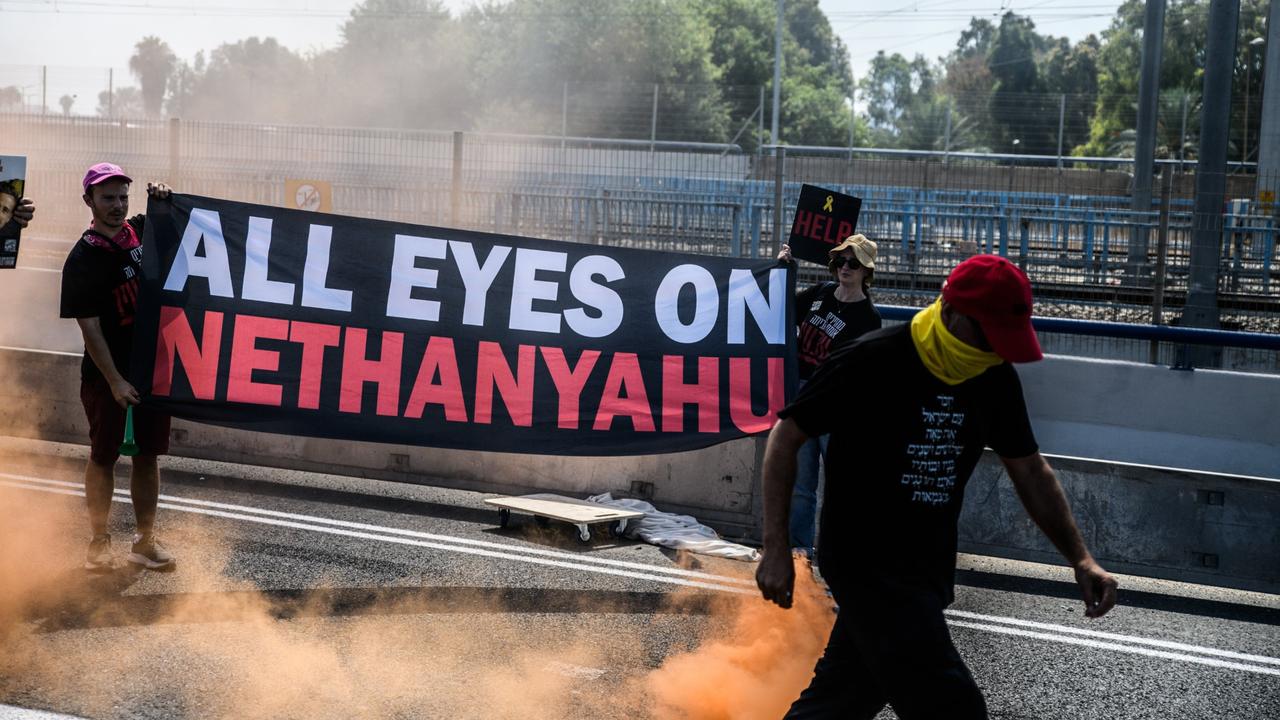
Coalition talks generally cover ministerial posts, government policy, legislation and budget allocations demanded by prospective partners.
If the first candidate fails, the president may give another lawmaker 28 days to try.
If that attempt also fails, 61 lawmakers may request within 21 days that a particular candidate be given a final 14-day mandate.
Failure at the end of that process would send Israel to another election.

 3 min read


 Set as preferred source