Newsletters


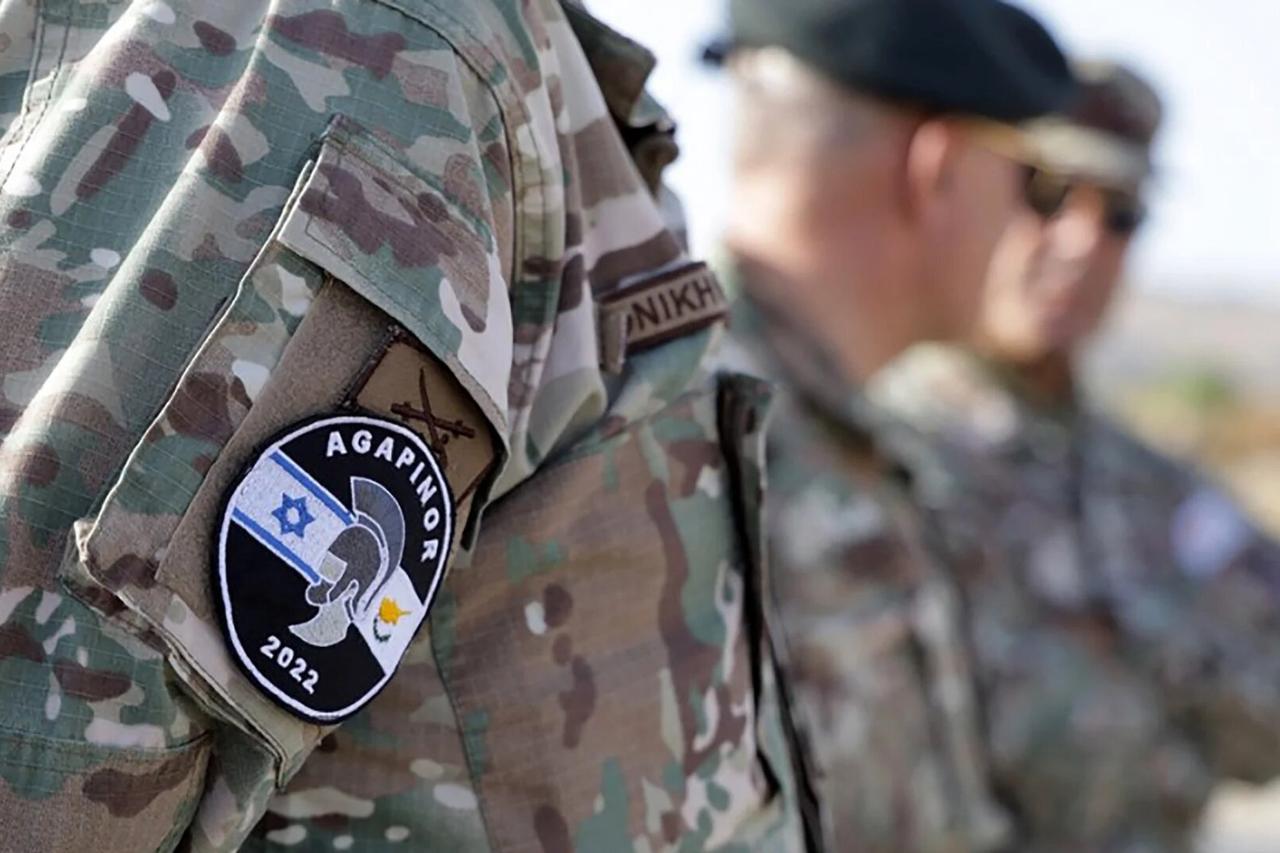


Senior officials from Israel, Greece and the Greek Cypriot Administration (GCA) are in early-stage discussions to establish a joint rapid-reaction military force of approximately 2,500 personnel, an initiative widely seen as aimed at deterring Türkiye in the Eastern Mediterranean, according to multiple reports.
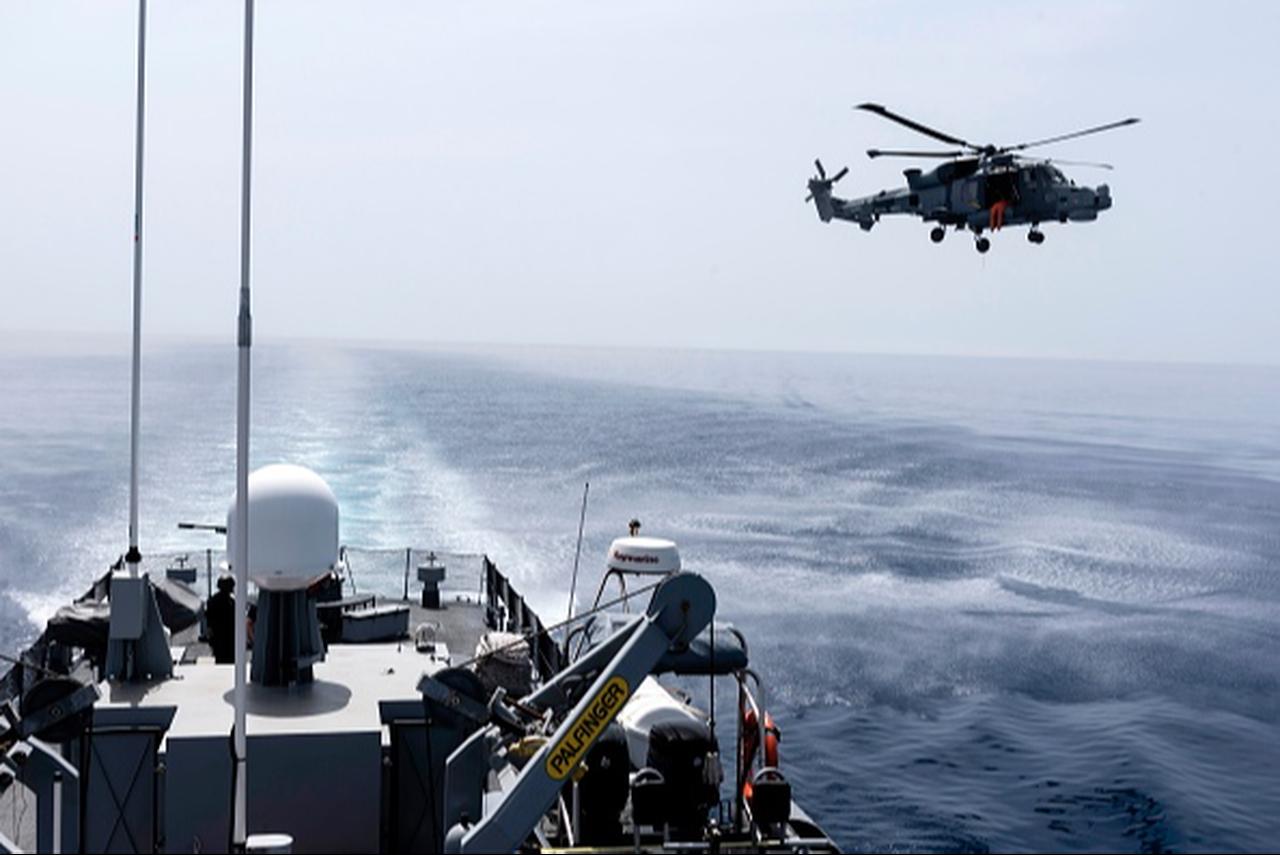
The proposed force would comprise of approximately 1,000 troops from Israel, 1,000 from Greece, and 500 from Greek Cyprus, with air and sea capabilities, including one squadron each from the Israeli and Greek air forces, according to the Greek newspaper Ta Nea.
"Even the discussion itself is meant to send a message," one source told Israeli media outlet i24NEWS, referring to Türkiye.
Ankara has consistently maintained that its military presence and activities in the Eastern Mediterranean serve legitimate national security interests and NATO commitments. Türkiye also maintains that the Greek Cypriot Administration does not represent the entire island of Cyprus and that Turkish Cypriots' rights must be protected in any regional arrangements.

According to sources who spoke to i24NEWS, the proposed force would not be permanent but would be designed for rapid deployment during crises at sea, in the air and on land.
"A flexible force that can be activated quickly when needed," one source described the concept, rather than a standing multinational unit.
The discussions are described as preliminary, with planning and assessments still underway. Two sources cautioned that talks have not been finalized and that no decisions have yet been made on structure, mandate, or deployment scenarios.
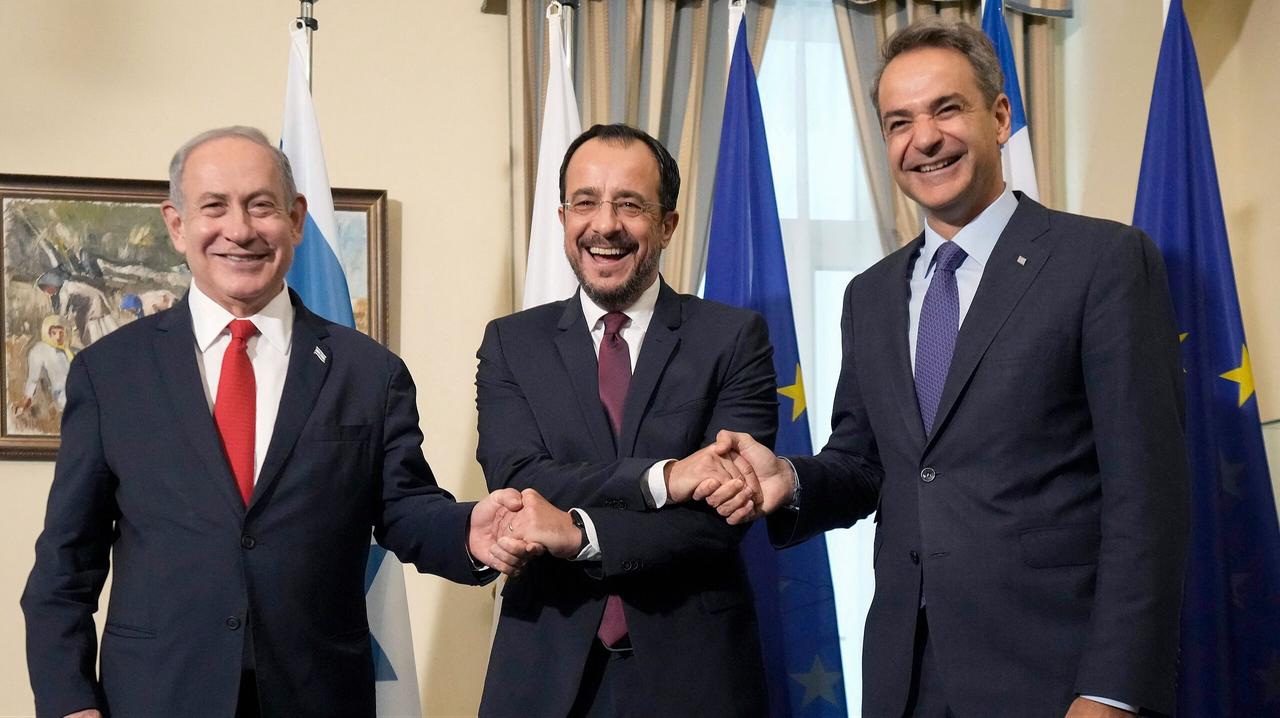
Momentum around the proposal comes ahead of a high-level summit expected next week, when Greek Prime Minister Kyriakos Mitsotakis and Greek Cypriot leader Nikos Christodoulides are set to arrive in Israel for talks with Israeli Prime Minister Benjamin Netanyahu.
"The possible establishment of a joint force is expected to be among the issues discussed during the meetings," the sources said.
A Greek official told Ta Nea that the force would fill a "strategic void" in the region.
"A Greek-Israeli rapid reaction force is not an alliance against anyone. It fills a strategic void. From Rhodes to Cyprus and Israel, platforms, pipelines, and electricity cables are exposed," the official said.
The official emphasized the importance of this infrastructure not only for Greece but for Europe as a whole, as a key asset for delivering natural gas, oil, and electricity to the continent.
The report cited recent incidents in the Baltic Sea, where cables and pipelines were allegedly damaged by Russian and Chinese ships in sabotage operations.
"The seabed, not the surface map, is now the front line," the official said, adding, "The Eastern Mediterranean cannot wait for its own wake-up call."


 Set as preferred source
 Set as preferred source


 3 min read