Newsletters


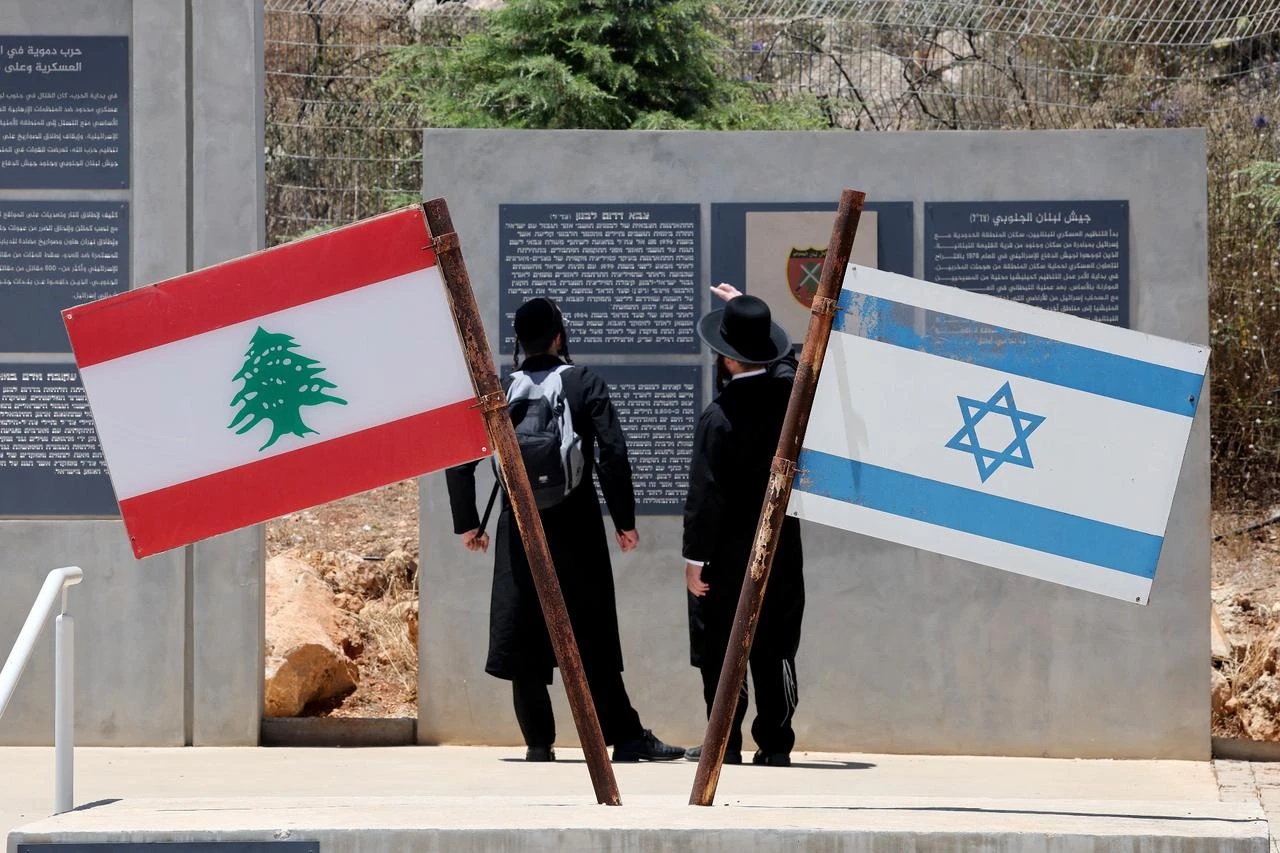


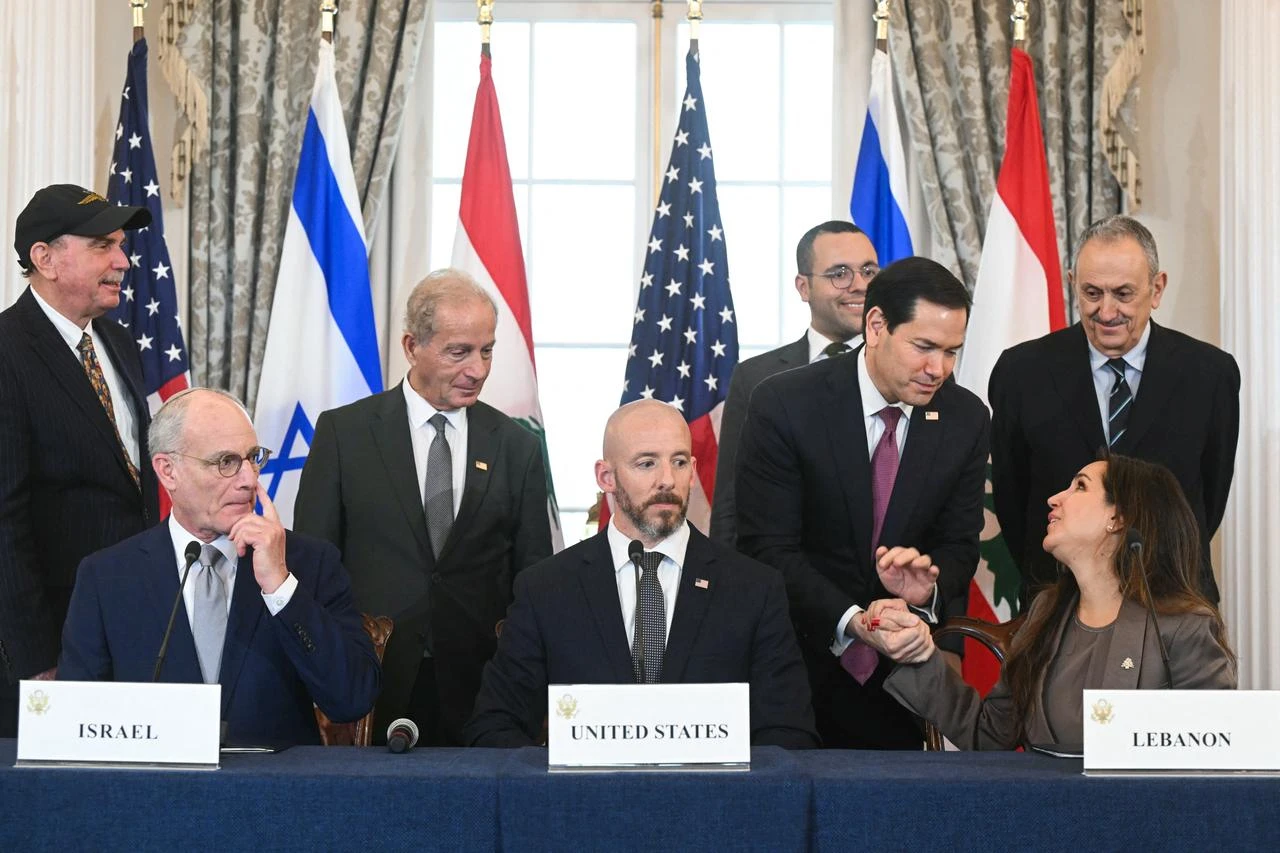
The framework agreement signed between Israel and Lebanon in Washington evokes mixed, even contradictory, feelings. On one hand, it is an impressive diplomatic step. It places the two countries on a path that could, at least in theory, lead them toward a peace agreement. The direct negotiations they conducted were held under fire, while Israel remains inside Lebanon. Even so, they reflect the determination, courage, and deep understanding of the Lebanese government. Under current circumstances, this may be the only way to break free from Hezbollah's stranglehold.
On the other hand, the agreement will ultimately be tested by its implementation. This is obviously true of any agreement signed between states, but in the Lebanese-Israeli case, both historical experience and current circumstances leave little room for excessive optimism.
In many respects, this is an American achievement above all, also on paper. It is therefore no surprise that the agreement, as published on the website of the U.S. State Department, is defined as a "trilateral framework between the United States, Israel, and Lebanon."
The American administration is making every effort to preserve the memorandum of understanding reached with Iran, and is therefore trying to defuse, as much as possible, the Lebanese minefield, especially after Tehran succeeded in re-establishing linkage with the Lebanese arena.
The agreement’s chances of success depend on four main actors.
The first factor is Lebanon itself.
In practice, two distinct Lebanese actors are standing on opposite sides of the divide. Hezbollah, joined by Nabih Berri, the speaker of parliament and leader of the Amal movement, rushed to express absolute opposition to the "agreement of humiliation" and sent their supporters into the streets. It is self-evident that they will try to inflame public sentiment to pressure the government and weaken its resolve.
The government, for its part, is apparently supported by the silent majority, which wants an end to the war and the reconstruction of the state. Yet much will depend on the strength of the public and political campaign it leads to promote the diplomatic move. Broad public support could give it the necessary confidence to implement gradually, on the ground, the state’s sovereignty over the "pilot areas."
The second actor is Israel, for whom the signing of the agreement and its contents constitute an achievement. However, the chances that these provisions will remain on paper are far higher than the chances of their successful and effective implementation. Much will, therefore, depend on the patience and diplomatic wisdom that Israel will demonstrate, and on its willingness to convince the Lebanese government to implement its commitments.
The Israeli government has not demonstrated much diplomatic wisdom, let alone patience or a long-term strategic outlook. The elections, expected to take place in three months, do not promise that this is likely to change.
Iran is the third actor. Tehran feels a sense of achievement—and, it must be said, not without justification—given the renewed linkage between the Iranian and Lebanese arenas, thanks to misguided U.S. and Israeli diplomacy. The question that remains, and is becoming even sharper, is how confident Tehran feels that it can continue to stretch Washington’s nerves to secure its gains in Lebanon.
In other words, to what extent will Iran encourage Hezbollah to act to sabotage the framework agreement, and by that endanger its negotiation with Washington?
The Israeli-Lebanese agreement has not severed Hezbollah and Iran from the Lebanese arena, as some Israeli commentators were quick to declare. It has, however, created improved conditions for doing so.
The United States is the fourth actor.
The framework, undoubtedly, is an American achievement, secured after heavy pressure was applied by Washington on both Lebanon and Israel, and especially on the latter. Its chances of success depend on a wiser management of the "poker game" with Tehran, and on Washington’s firm insistence that Iran not act aggressively to sabotage the agreement at this stage.
Washington will also have to act assertively toward Israel to allow the complex and fragile "pilot" process to unfold on the ground. It is unclear how deep and serious the disagreements between President Trump and Prime Minister Netanyahu really are, but there is no doubt that close "American babysitting" will be required if the agreement’s chances of success are to improve.

It is worthwhile to pay attention as well to the Syrian angle.
President Trump's "wishful advice" for a Syrian intervention in Lebanon against Hezbollah was refused politely, and cleverly, by Syrian President Ahmad al-Sharaa. He emphasized that he wished to establish an equal and sovereign relationship with Lebanon and that the era of Syrian intervention in Lebanon had ended.
It is unclear whether Washington will return to this destructive idea. Going ahead with Syrian involvement in Lebanon could destroy any chances of enhancing Lebanese independence and sovereignty, and could shake the fragile new Syrian regime.
Israel remained silent on the matter, which supports the assumption that it was not very enthusiastic about the idea. The Syrian-Israeli track should be dealt with on its own, and sooner rather than later. Yet the election season may not allow for that.
In short, the deal reads well on paper, but its real test lies ahead on the ground.
Still, it is extremely important to support and cement the new path both governments, Israeli and Lebanese, have taken in order to enable further progress in the coming months. This path should be encouraged by the international community, especially by supporting the Lebanese government in this bold and brave course it has taken upon itself.


 Set as preferred source
 Set as preferred source



 7 min read