Newsletters


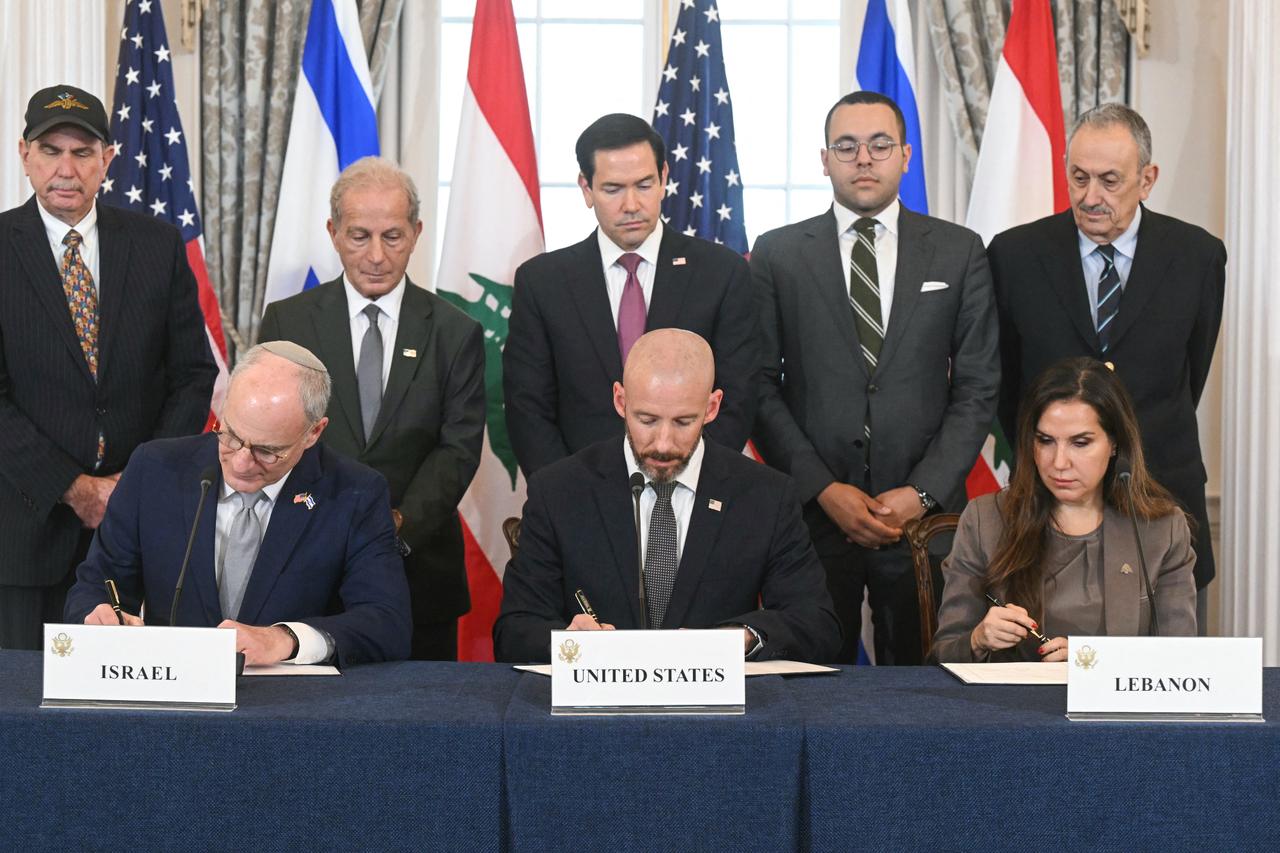


Israel and Lebanon signed a U.S.-backed framework agreement in Washington on Friday, wrapping up the fifth round of negotiations, as Israeli Prime Minister Benjamin Netanyahu pledged that Israeli troops would remain in southern Lebanon until Hezbollah disarms.
The agreement followed four days of U.S.-mediated talks at the State Department, where negotiators worked through disagreements over Israeli troop deployments in southern Lebanon, border security and implementation measures.
Key details of the agreement, including when Israeli forces would begin withdrawing, have not yet been announced.
At the signing ceremony, U.S. Secretary of State Marco Rubio said the agreement lays the groundwork for lasting peace and security.
Lebanon's envoy to Washington, Nada Hamadeh Moawad, described it as an important step toward restoring sovereignty and ending hostilities, while Israeli ambassador Yechiel Leiter said the deal opens a path to peace.
"The most important thing is, first of all, that Israel remains in the security zone in southern Lebanon. This is a major achievement, and we will maintain it as long as Hezbollah has not disarmed," Netanyahu said in a pre-recorded video released after the talks.
He also announced that the Israeli military would allow the Lebanese army to take control of two "pilot areas," one south of the Litani River and another north of it.
Netanyahu also said Lebanese civilians displaced from the so-called security zone established by Israeli forces in southern Lebanon would not be allowed to return.
"We are maintaining the original security zone at all times, outside the range of anti-tank fire. We are not allowing Hezbollah to enter it, nor are we allowing the civilian population to enter," he said.
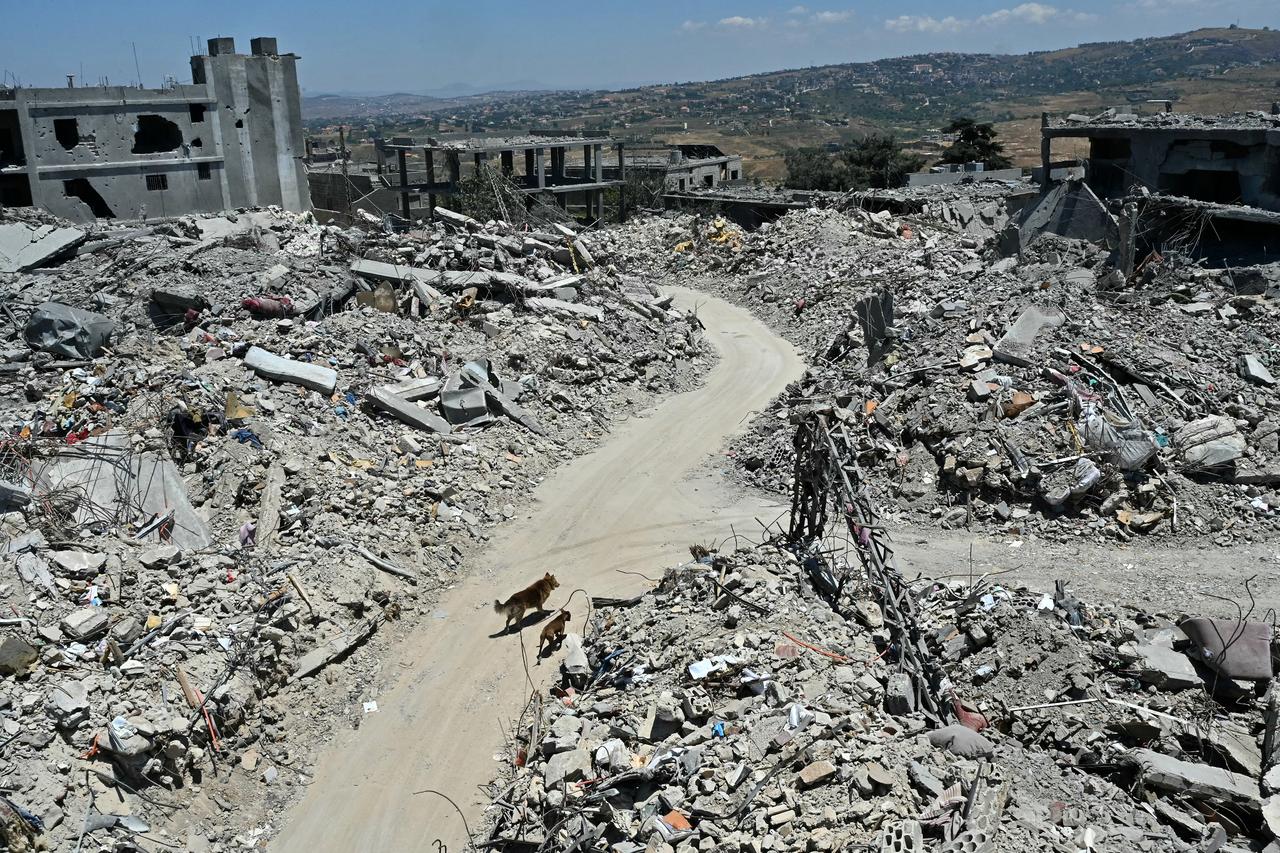
According to Lebanese authorities, more than 4,000 people have been killed and over 1.2 million displaced since the conflict began on March 2.


Lebanese President Joseph Aoun welcomed the agreement, calling it a "first step" toward restoring the country's sovereignty and territorial integrity and allowing displaced civilians to return under the authority of the Lebanese state.
"We swear to continue to work until this is fully achieved. There will be no more occupation, prisoners, subordination or tutelage," Aoun said.
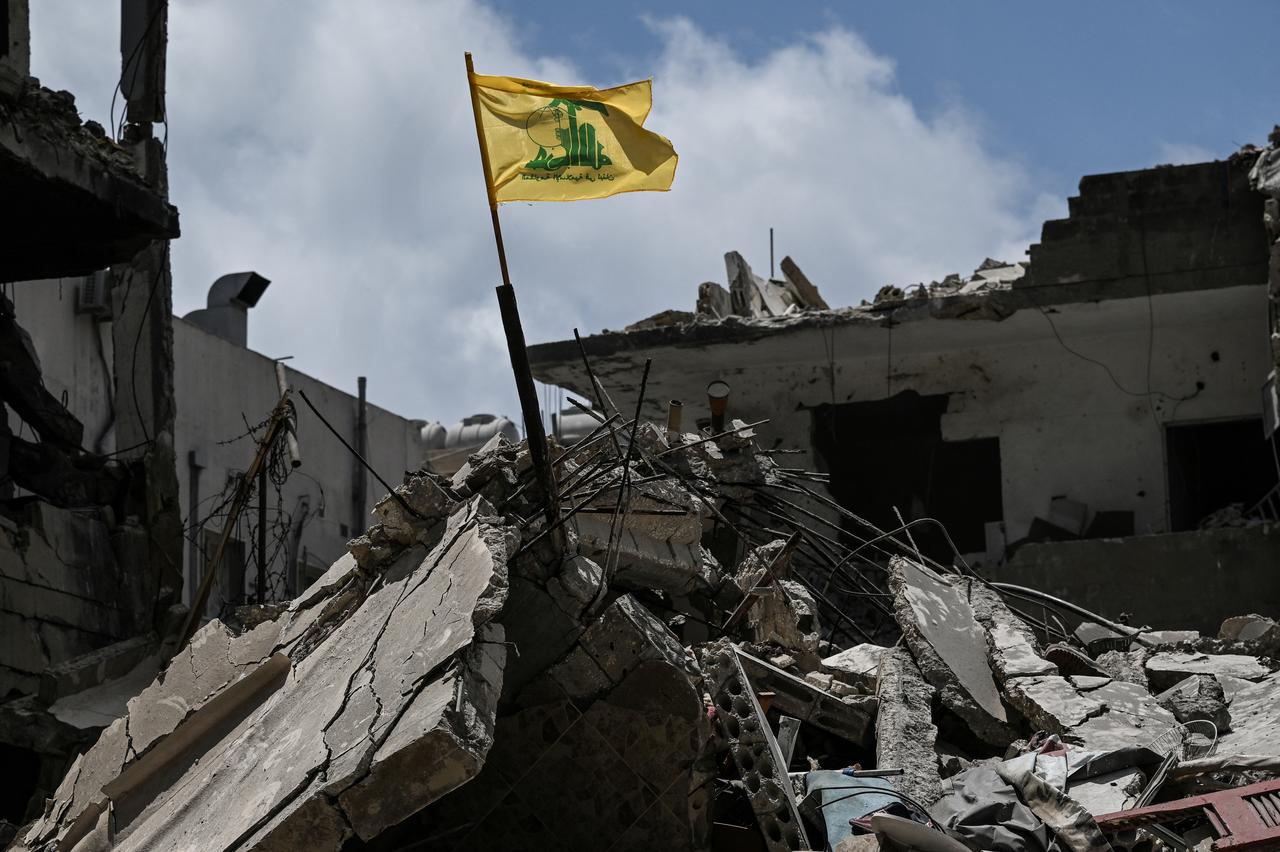
Hezbollah, which was not part of the Washington negotiations, rejected the framework.
Senior Hezbollah lawmaker Hassan Fadlallah argued that the agreement undermines the U.S.-Iran ceasefire framework, which he said envisioned resolving the Lebanese front through broader regional peace negotiations rather than a separate bilateral arrangement.
Fadlallah also warned that the Lebanese government would be unable to enforce the Washington agreement without U.S. backing, claiming any attempt to implement it by force could push the country toward civil war.
A senior Lebanese official told Anadolu Agency that negotiators had made progress on the remaining issues and reached a deal that calls for a gradual withdrawal of Israeli forces from southern Lebanon.
Under the framework, Israeli troops are expected to hand over control of selected areas to the Lebanese army in phases, beginning with two proposed "pilot zones."
Under U.S. pressure, Lebanese and Israeli officials opened direct talks in Washington in April, leading to a 10-day U.S.-brokered ceasefire that took effect on April 17. The truce was later extended but failed to fully halt hostilities as clashes and Israeli strikes continued.
A new ceasefire implementation agreement was reached on June 3 after another round of U.S.-mediated negotiations.
The talks also build on the U.S.-Iran memorandum signed last week, which called for an immediate halt to military operations across all fronts, including Lebanon, creating the diplomatic opening for the latest negotiations.


 Set as preferred source
 Set as preferred source


 2 min read
 1 min read