Newsletters


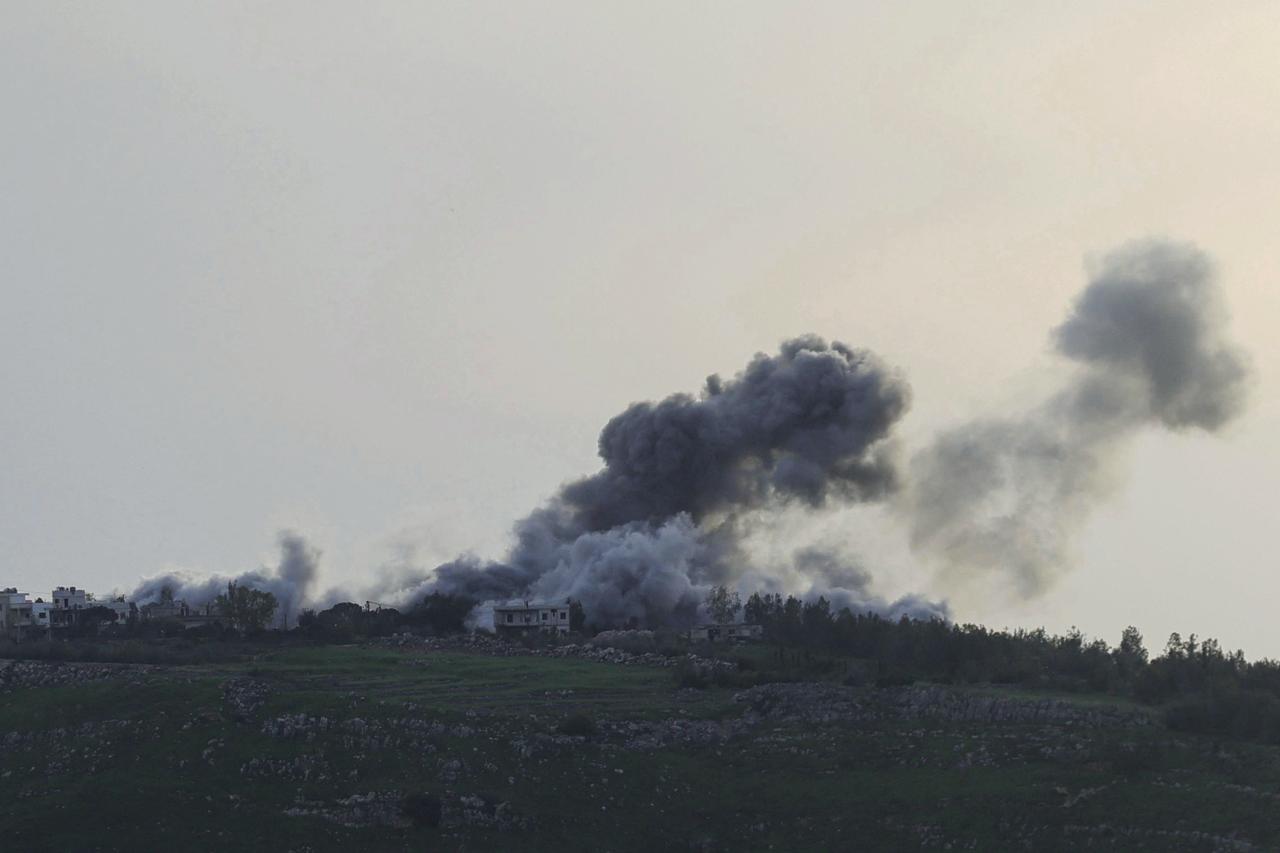


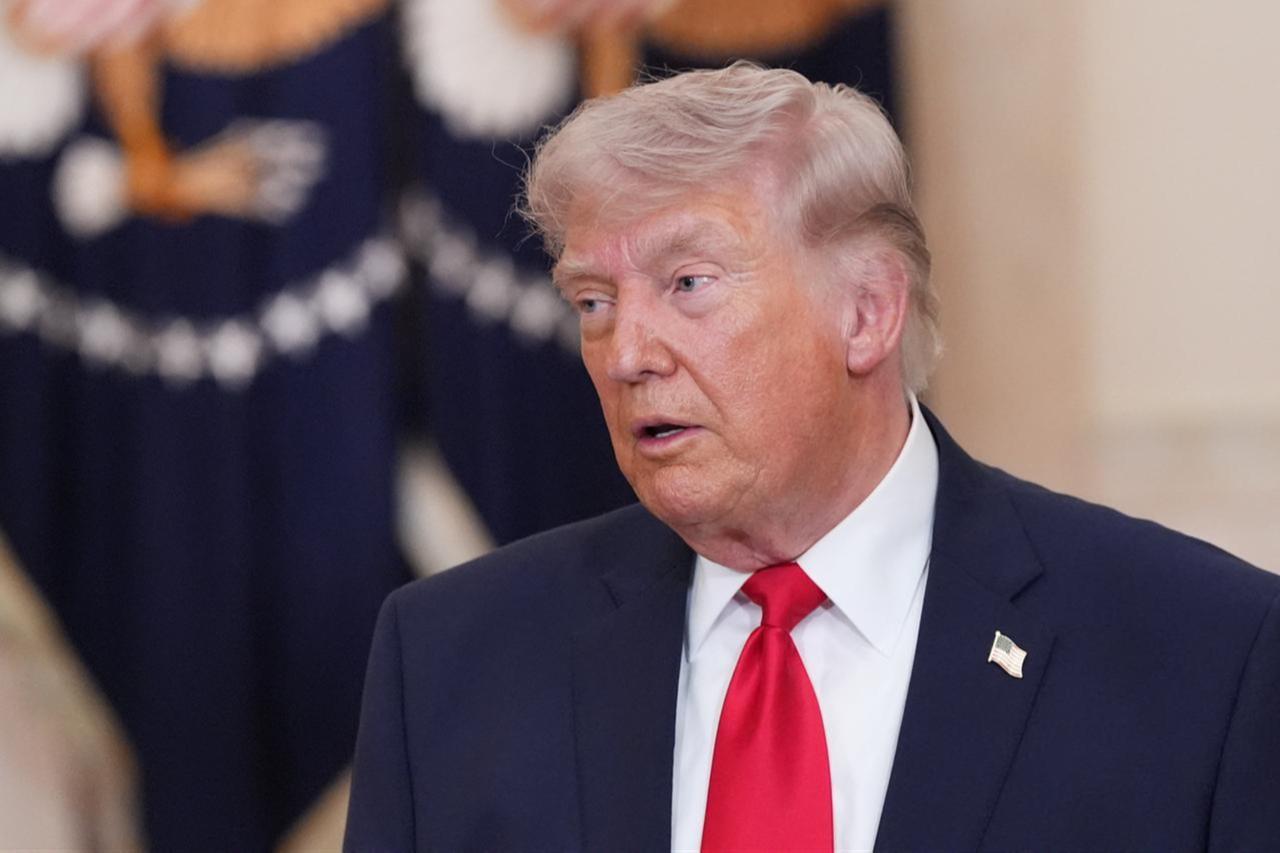
U.S. President Donald Trump said Israel and Lebanon’s leaders will speak directly on Thursday in their first such contact in roughly 34 years as tensions between the two countries remain high.
The announcement came a day after senior envoys from both sides met face-to-face in Washington, in a cautious shift toward dialogue amid ongoing hostilities.
Trump indicated the talks aim to create "a little breathing room" between the two countries but did not specify which officials would take part.
The planned call follows a rare diplomatic encounter at the U.S. State Department on Tuesday.
Lebanese Ambassador Nada Hamadeh and Israeli Ambassador Yechiel Leiter held discussions hosted by Secretary of State Marco Rubio, alongside other senior U.S. officials. The meeting notably excluded Hezbollah, the Iran-backed group central to the conflict.
Israel described the opening of direct talks with Beirut as a "historic opportunity" to loosen Hezbollah’s hold over Lebanon.
Government spokesman David Mencer told a press briefing that the moment could help end decades of the group’s dominance, while stressing there are no ceasefire discussions underway with the Iran-backed organization.
Trump had earlier urged Israeli Prime Minister Benjamin Netanyahu to ease military pressure on Lebanon, adding that Israel signaled it would begin scaling back operations.
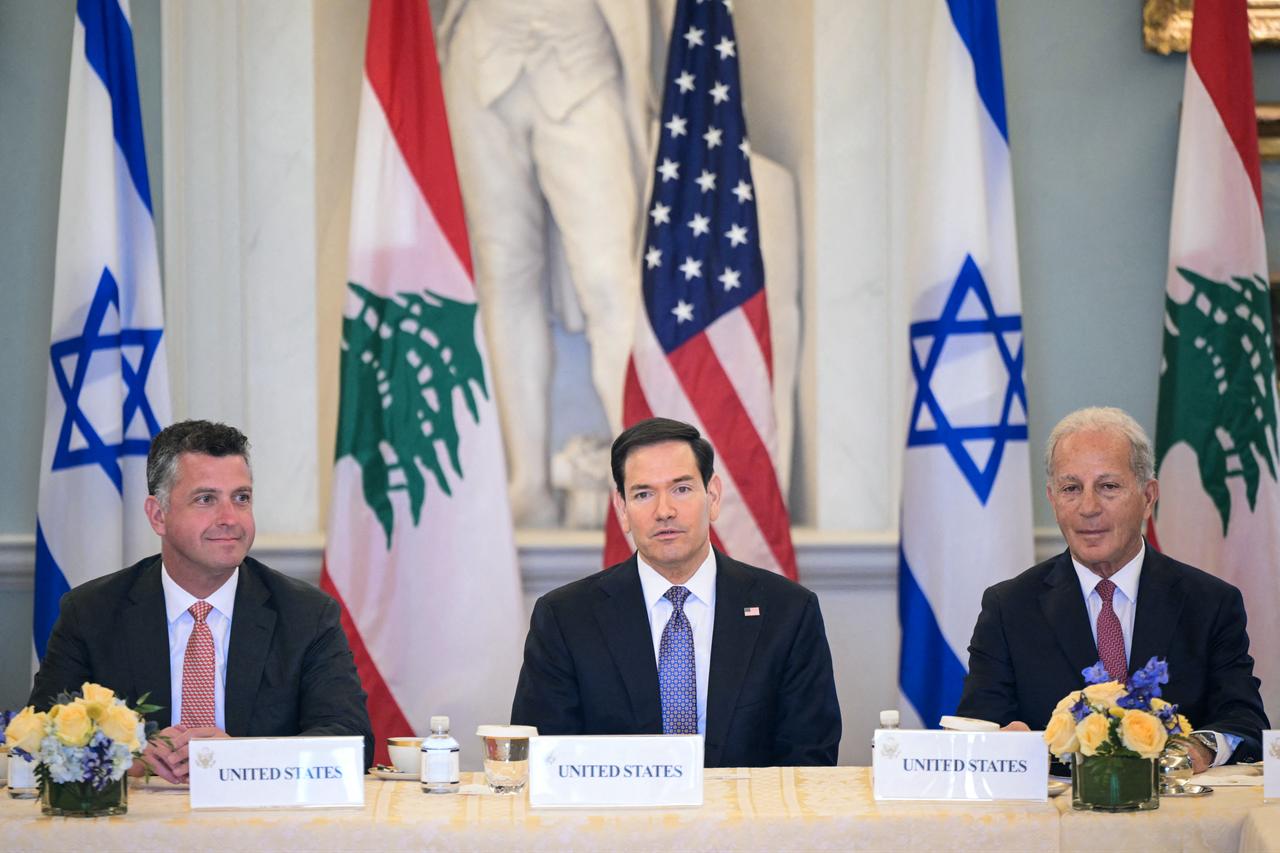

Fighting has persisted in southern Lebanon despite a ceasefire agreement reached in November 2024.
The latest escalation began on March 2, when Hezbollah launched cross-border attacks on Israel following U.S-led strikes on Iran, drawing Lebanon deeper into the regional conflict.
Israeli strikes have since killed more than 2,000 people and displaced over one million, according to Lebanese health authorities. Israeli forces have also expanded ground operations in the south, aiming to establish "a buffer zone."
Netanyahu said earlier Wednesday that he had ordered the military to widen its offensive eastward, while maintaining parallel diplomatic efforts with Beirut. He asserted that the dual-track approach is necessary to disarm Hezbollah and secure long-term stability along Israel’s northern border.
Lebanon’s government, which is not directly part of the fighting, continues to push for a ceasefire and the withdrawal of Israeli forces from its territory.


 Set as preferred source
 Set as preferred source


 1 min read
 1 min read