Newsletters


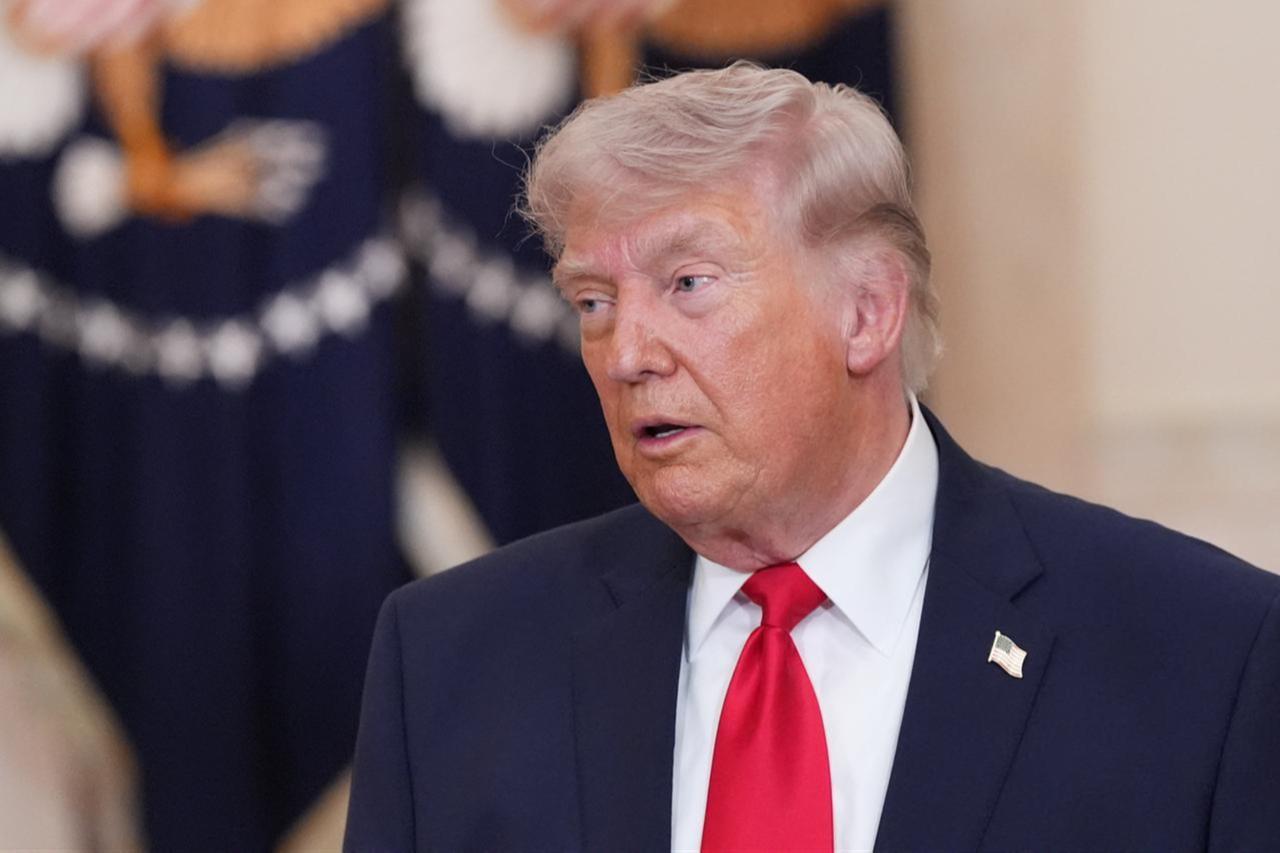


The Trump administration has signaled it would support an end to the Israel-Hezbollah conflict in Lebanon, while making clear that such an outcome is not tied to ongoing nuclear negotiations with Iran.
A senior US administration official confirmed Wednesday that President Donald Trump "would welcome the end of hostilities in Lebanon as part of a peace agreement between Israel and Lebanon," but stressed that American diplomacy toward Tehran remains on a separate track.
Washington is not pressing for an immediate ceasefire, the official said, adding that the administration's priority is fostering trust between Beirut and Jerusalem to lay the groundwork for a sustainable settlement. "Both sides need to build political momentum," the official said, speaking on condition of anonymity.
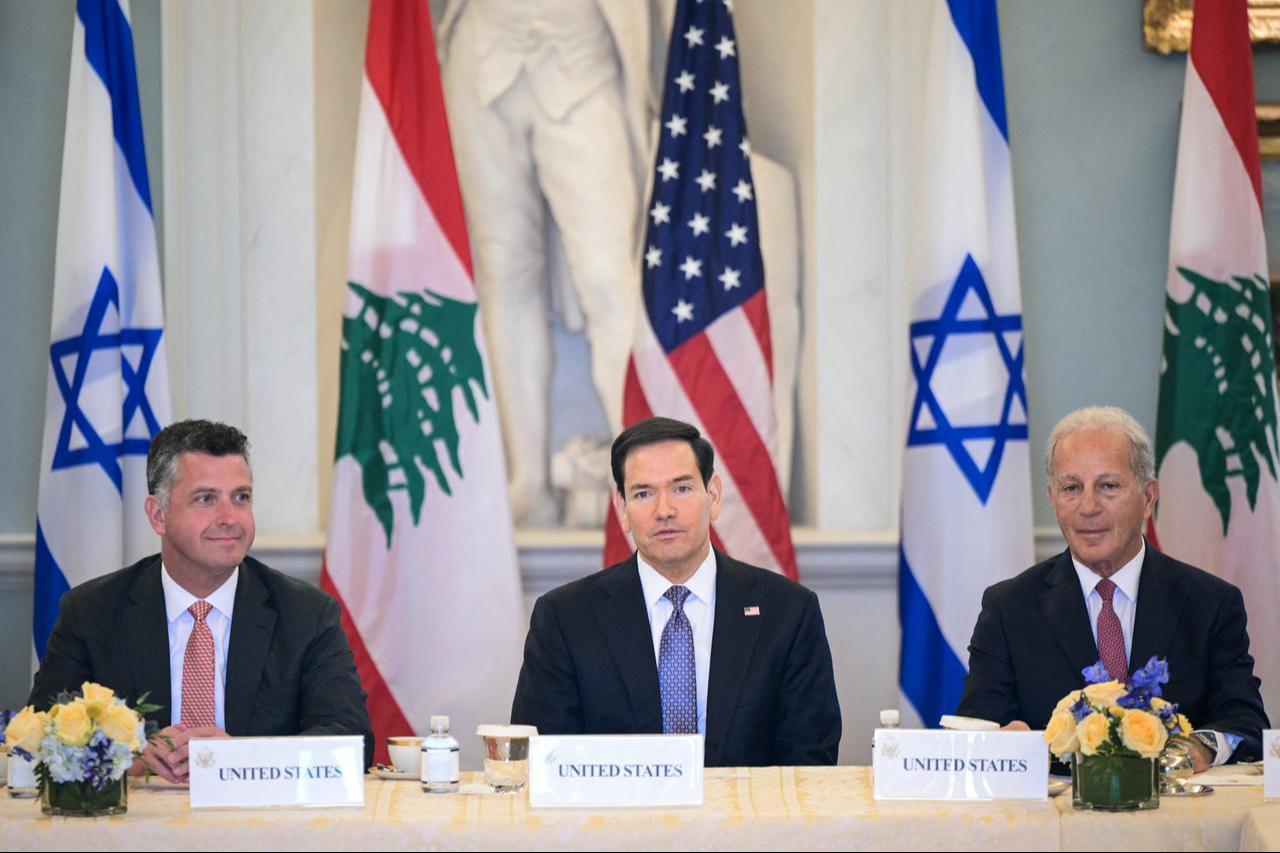

The administration's stated approach reflects a preference for a lasting agreement over a quick halt to fighting. The official said the US focus is on "creating space for a peace deal" so that any future understandings between Israel and Lebanon can hold.
The framing echoes a broader pattern in Trump-era diplomacy, which has generally favored comprehensive frameworks over interim ceasefires, viewing temporary halts as insufficient without underlying political agreements in place.
Lebanon was drawn into the wider regional conflict on March 2, when Hezbollah, the Iran-backed militant group and political faction, launched attacks against Israel. The group has long served as a key proxy for Tehran, receiving financing, weapons, and strategic direction from the Islamic Republic.
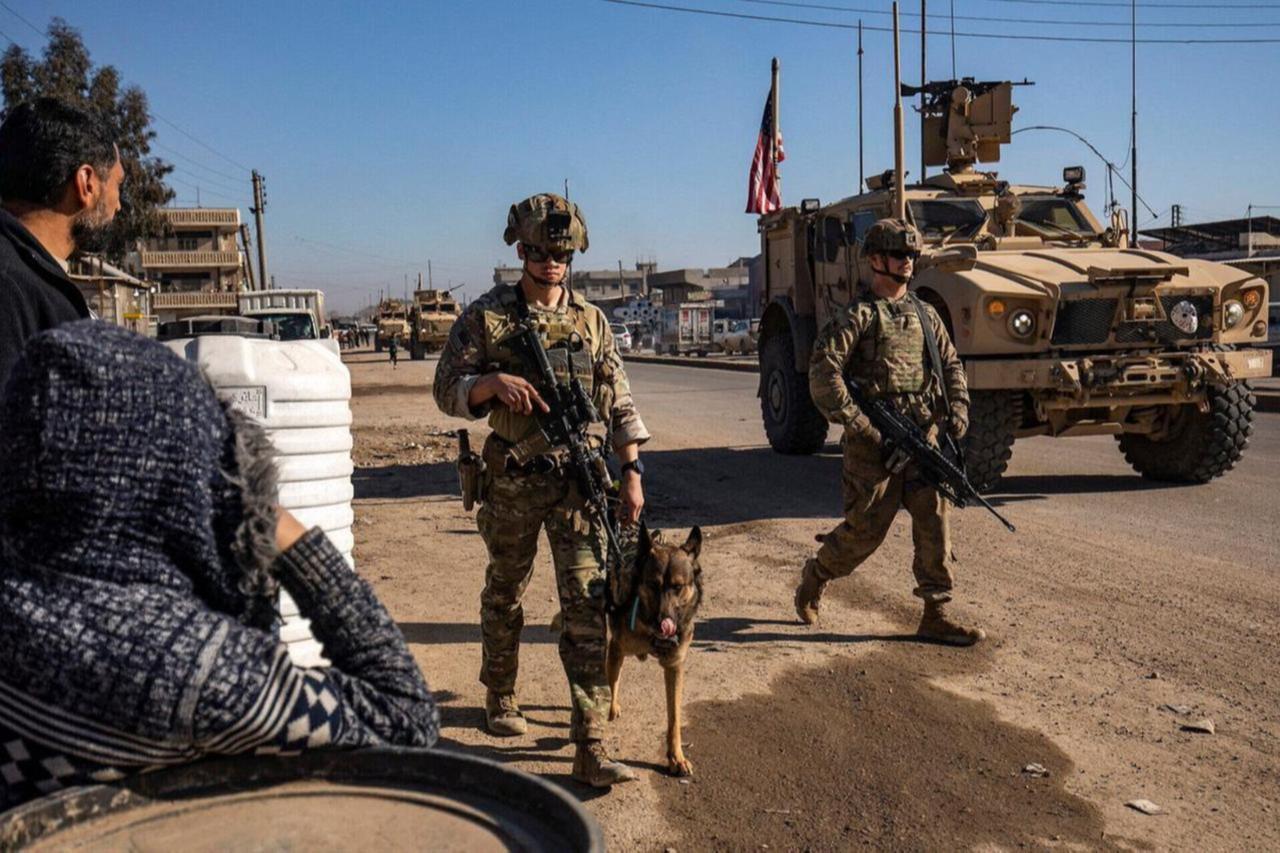
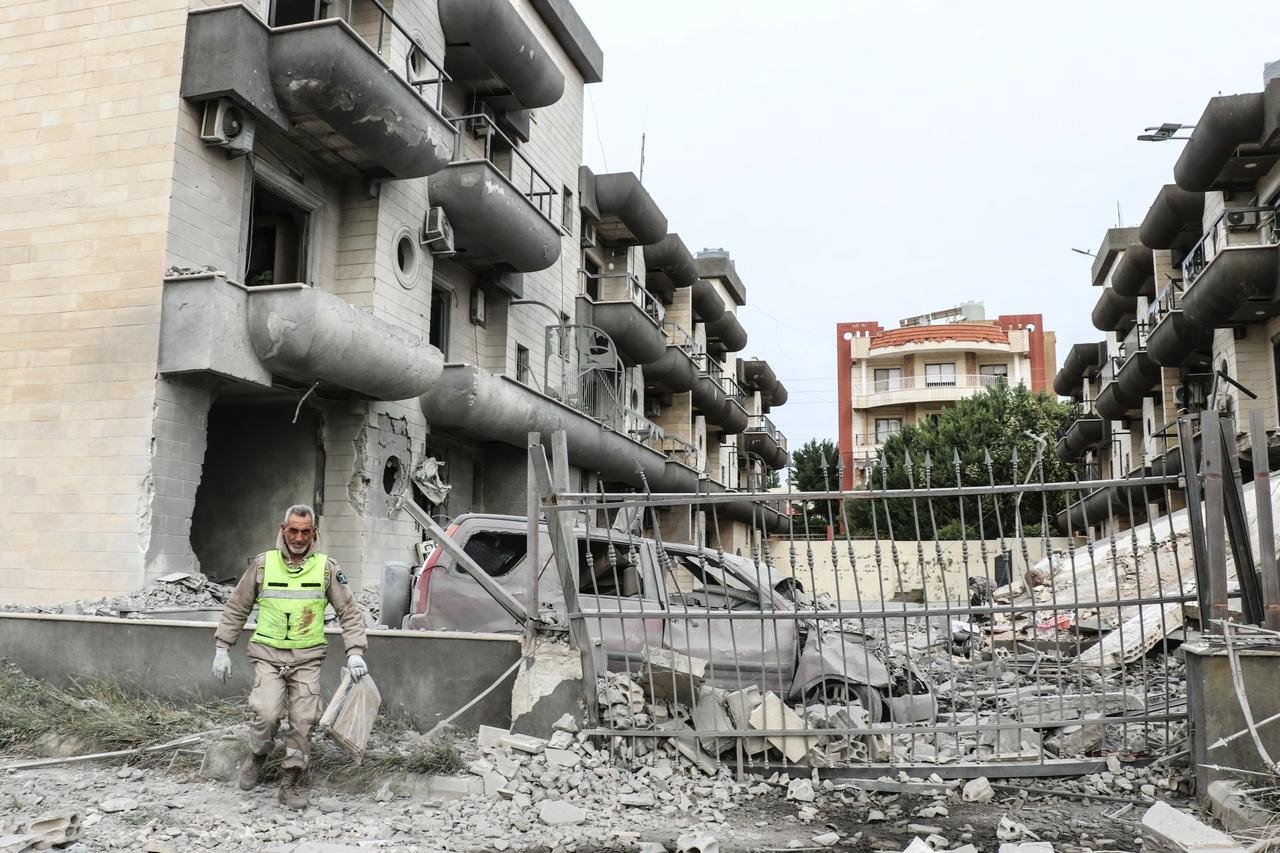
Since the fighting began, Israeli strikes have killed more than 2,000 people and displaced over one million, even as international calls for a ceasefire have mounted. Israeli ground forces have also advanced into southern Lebanon.
Hezbollah emerged in the early 1980s during Israel's first invasion of Lebanon and has since grown into one of the most heavily armed non-state actors in the world. Its dual role as a political party with seats in the Lebanese parliament and as an armed militia has long complicated international efforts to resolve the conflict.
Despite the scale of the Lebanon conflict, the official was explicit that US-Iran negotiations, widely understood to center on Tehran's nuclear program, are proceeding independently. The administration's decision to decouple the two tracks suggests Washington is wary of allowing the Lebanon crisis to complicate or derail diplomatic progress with Iran.
The distinction matters: linking a Lebanon ceasefire to the Iran talks would effectively give Tehran leverage over the pace and terms of any halt in fighting, a dynamic the administration appears determined to avoid.


 Set as preferred source
 Set as preferred source


 1 min read

 1 min read