Newsletters


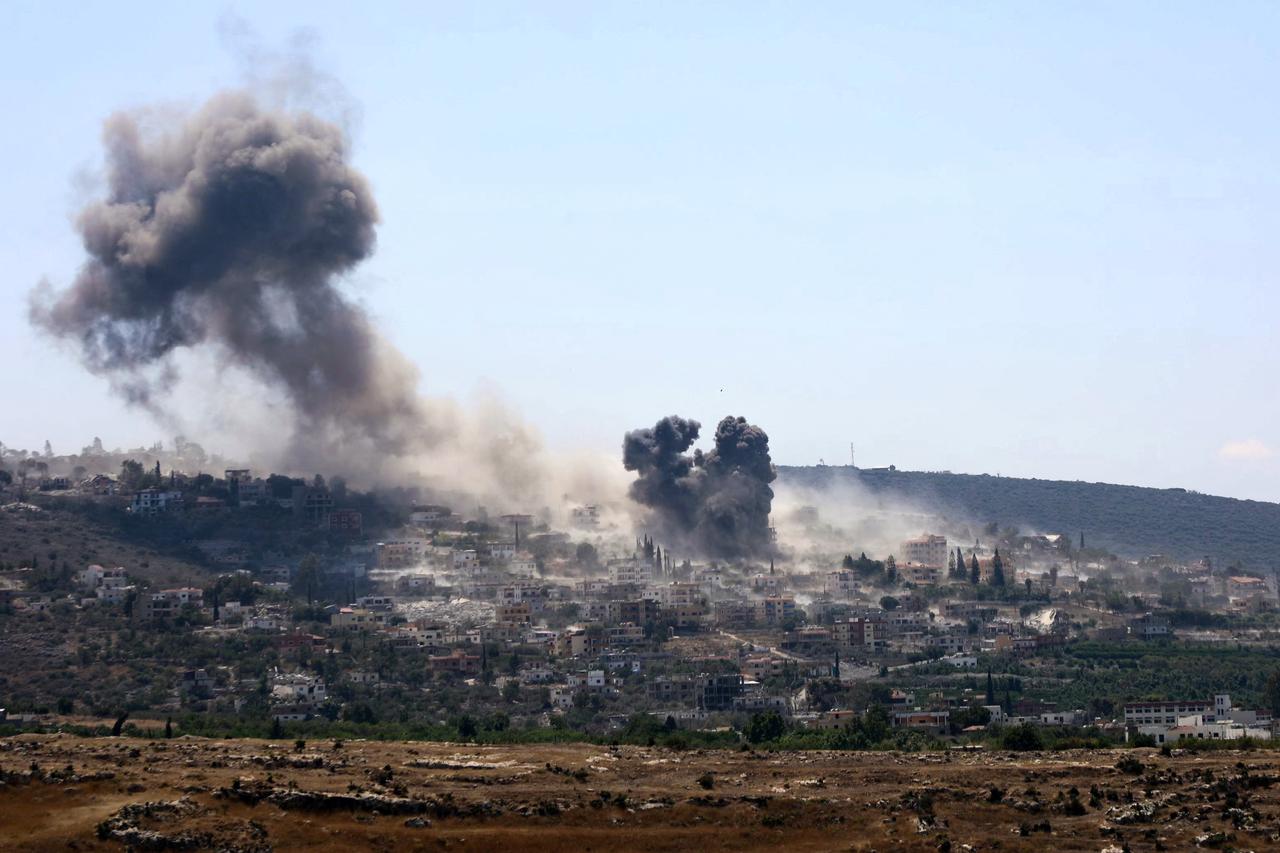


Israel has informed the United States that the “pilot zones” project in southern Lebanon has failed, Israeli media reported Thursday.
The Walla news website reported that Tel Aviv sent a message to Washington through security channels saying the project, launched after a memorandum of understanding between Beirut and Tel Aviv, had failed in southern Lebanon.
According to the report, Israel expressed “dissatisfaction” with the Lebanese army’s performance in dealing with infrastructure that Tel Aviv claims belongs to Hezbollah in southern Lebanon.
Walla quoted unnamed Israeli security officials who claimed that the Lebanese army “does not destroy infrastructure at sites whose coordinates were provided by the Israeli army, while at the same time requesting additional coordinates.”
Senior Israeli army officials also claimed that Lebanese army commander Rodolph Haykal “fears entering into confrontation with Hezbollah commanders in southern Lebanon” and that his forces are not carrying out search operations for weapons and infrastructure as effectively as Israel demands.
“Israel is dissatisfied, and therefore it is not rushing to agree on additional pilot zones,” an Israeli security official said.
The report also claimed that a Lebanese army force reached one of the sites provided by Israel, entered a few meters into an underground opening and then withdrew without continuing the search.
There was no immediate comment from Lebanese authorities or Hezbollah on the Israeli report.

Lebanese President Joseph Aoun has repeatedly said Israel’s attacks on southern Lebanon send “a clear message” to the negotiation track and to U.S. efforts aimed at implementing the framework agreement.
Lebanon and Israel signed a “framework formula” in Washington on June 26 providing for a gradual Israeli withdrawal from Lebanese territory in parallel with the deployment of the Lebanese army and the implementation of security arrangements, beginning with the “pilot zones” model.
The arrangements include the Lebanese army taking control of areas from which Israeli forces withdraw and disarming armed groups outside state authority under a mechanism to verify implementation.
In July, the two sides reached an understanding during a sixth round of talks in Rome on the “pilot zones” mechanism, paving the way for Israeli forces to withdraw and for the Lebanese army to deploy in their place.
The first field model began late last month in western Zawtar, where the Lebanese army deployed and some residents returned to the area.
In the latest round of talks held in Rome from Aug. 4-6, discussions focused on expanding the “pilot zones” and unresolved border issues.
Lebanon proposed Khiam or Bint Jbeil for the next phase, but no new withdrawal area was announced.
Israel has continued its assault on Lebanon since March 2, killing 4,335 people, injuring 12,277 and displacing more than 1 million, according to Lebanese authorities.
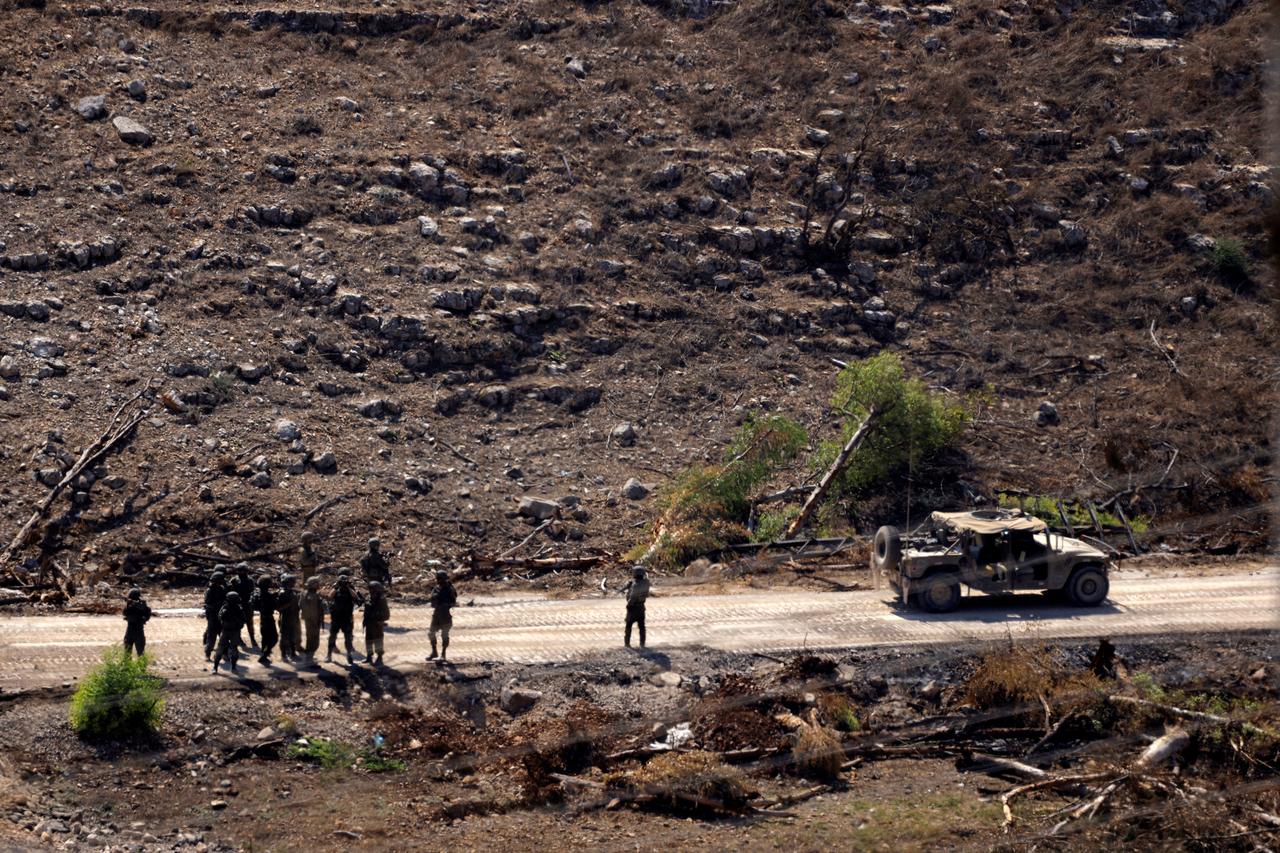
Israel occupies areas in southern Lebanon, some for decades and others since the previous war between 2023 and 2024.
During its current assault, Israeli forces have pushed more than 10 kilometers into Lebanese territory.


 Set as preferred source
 Set as preferred source


 3 min read