Newsletters


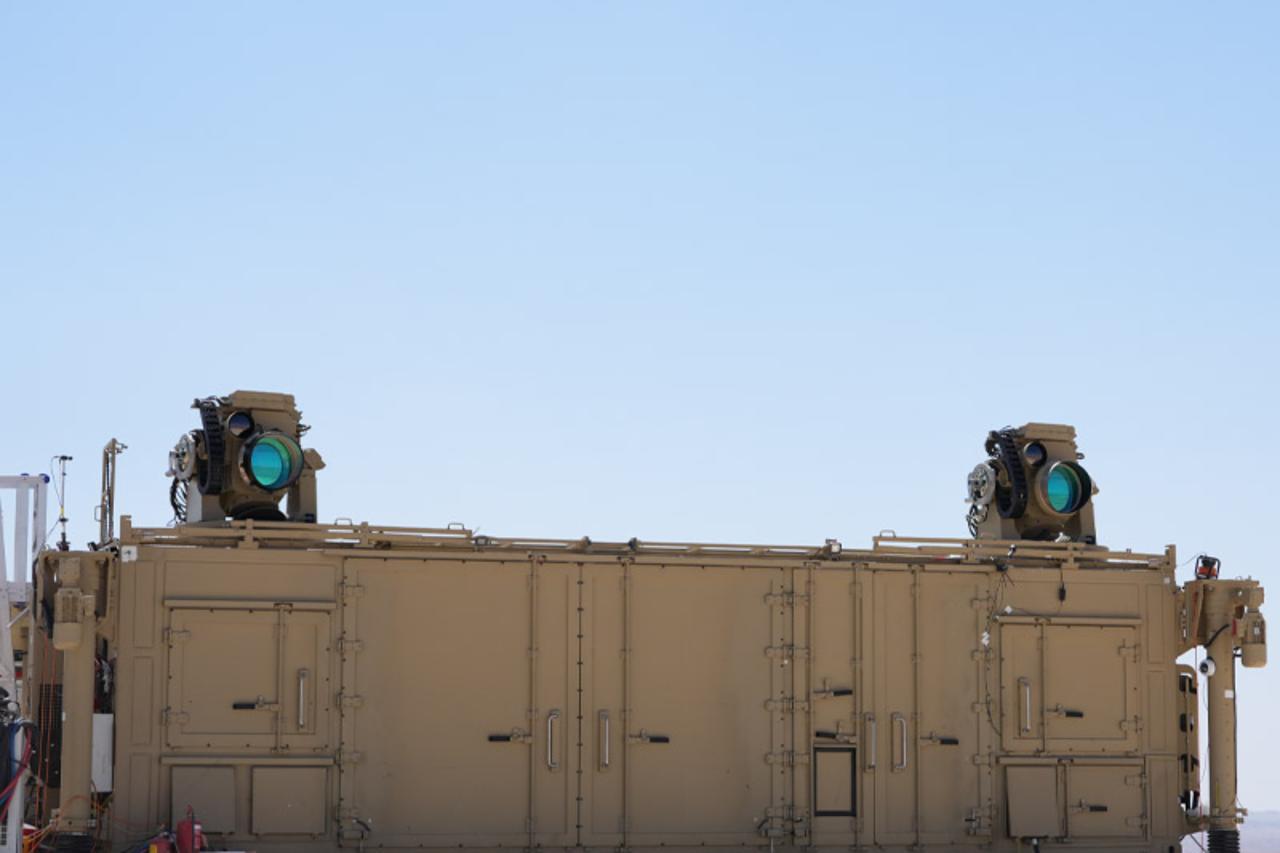


The United Arab Emirates on Thursday banned its citizens from traveling to Iran, Lebanon and Iraq, ordering those already in those countries to return home immediately, as new details emerged that Israel had secretly deployed cutting-edge air defense systems, including an advanced laser weapon, to help the Gulf state repel a sustained Iranian assault.
The UAE Ministry of Foreign Affairs announced the travel restrictions in a post on X, citing "current developments taking place in the region" and invoking the government's commitment to monitoring the safety of Emiratis abroad.
The ban, targeted at three specific countries, is the first of its kind on security grounds since the UAE barred all outbound travel by citizens in March 2020 during the COVID-19 pandemic.
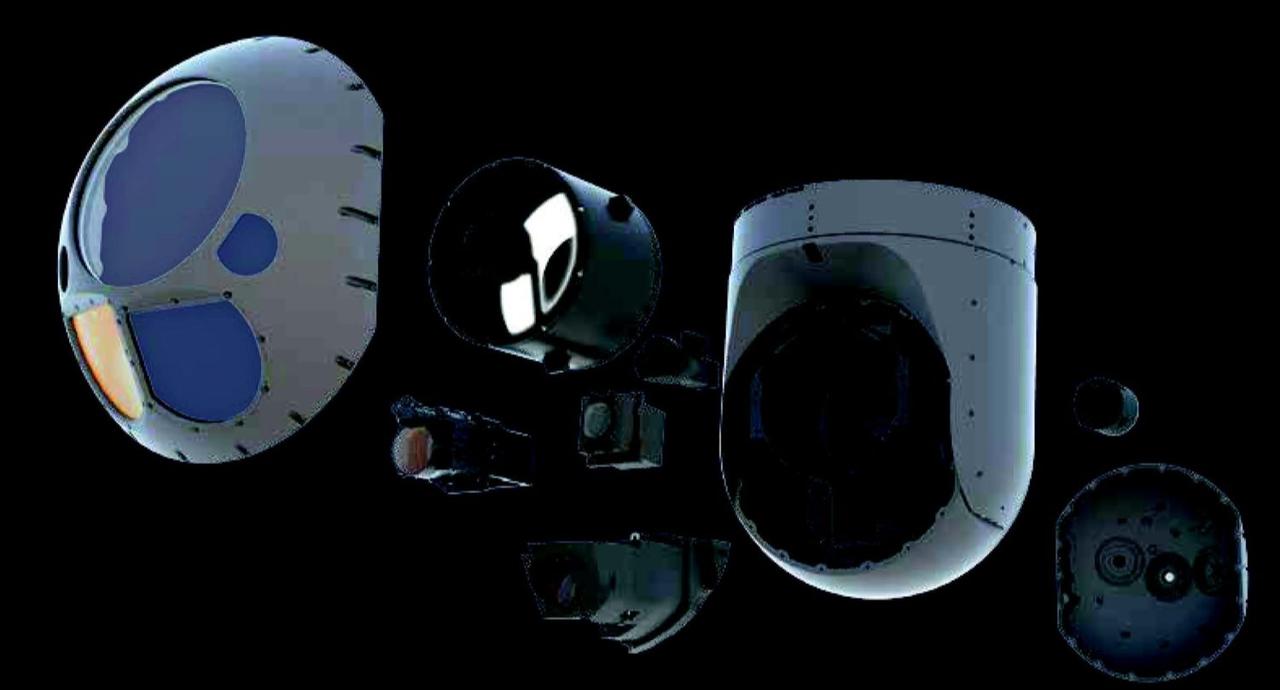

The Financial Times reported Thursday that Israel had rushed a lightweight drone-detection system called Spectro, manufactured by Elbit Systems, to the UAE, enabling Emirati forces to identify incoming drones, including Iranian-made Shaheds, from as far as 20 kilometers away.
Israel also sent a version of its Iron Beam laser defense system, developed primarily by Rafael Advanced Defense Systems, which is capable of vaporizing short-range rockets and drones. The Iron Beam had first been deployed by Israel earlier this year against Hezbollah projectiles from Lebanon.
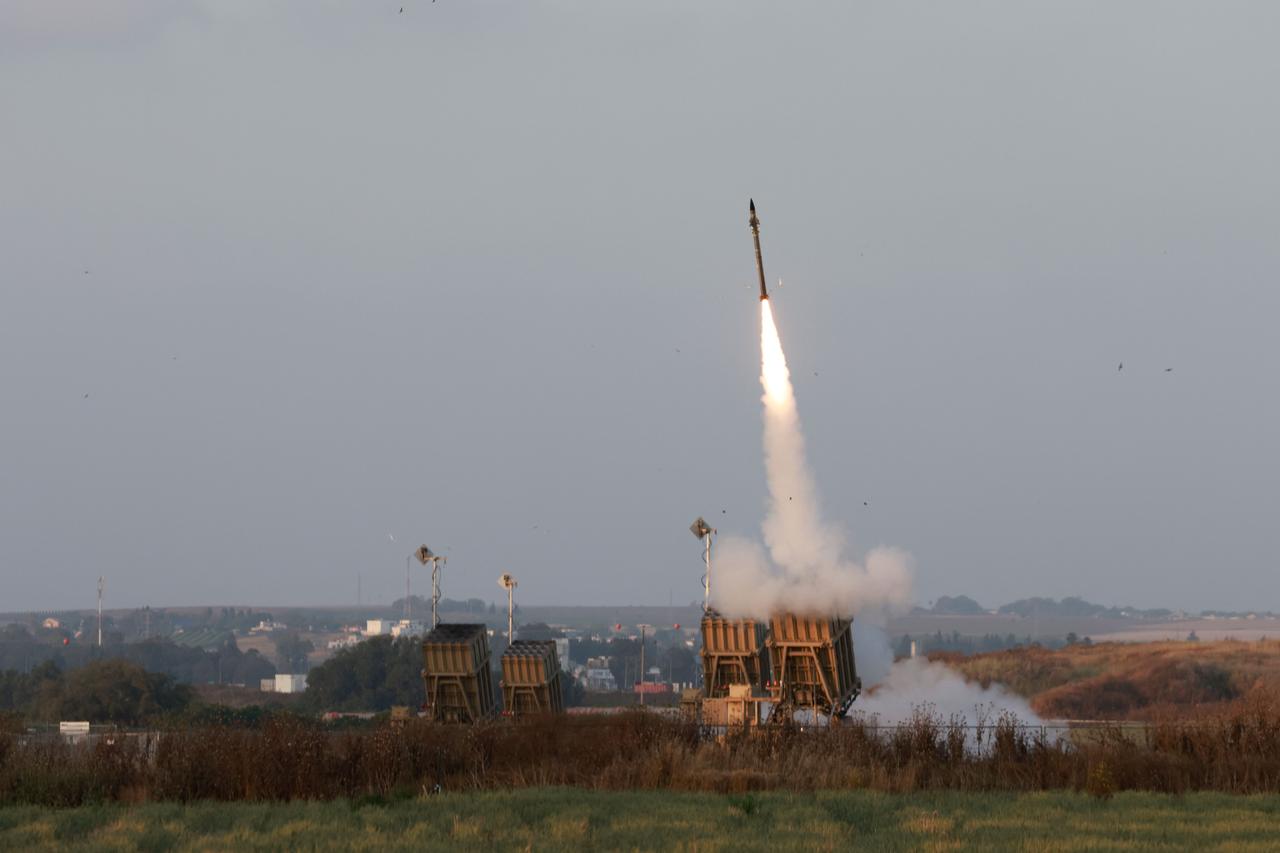
Both the Spectro and Iron Beam deployments had not previously been reported. They joined the Iron Dome air defense battery that Israel had already sent to the UAE, along with several dozen Israeli military personnel to operate the system, a deployment first reported by Axios.
One person familiar with the matter described the overall effort as a significant boots-on-the-ground presence. Additional weapons systems and personnel were also deployed, according to the reporting.
Israel additionally shared real-time intelligence on short-range missile launch preparations in western Iran that were directed at the UAE.
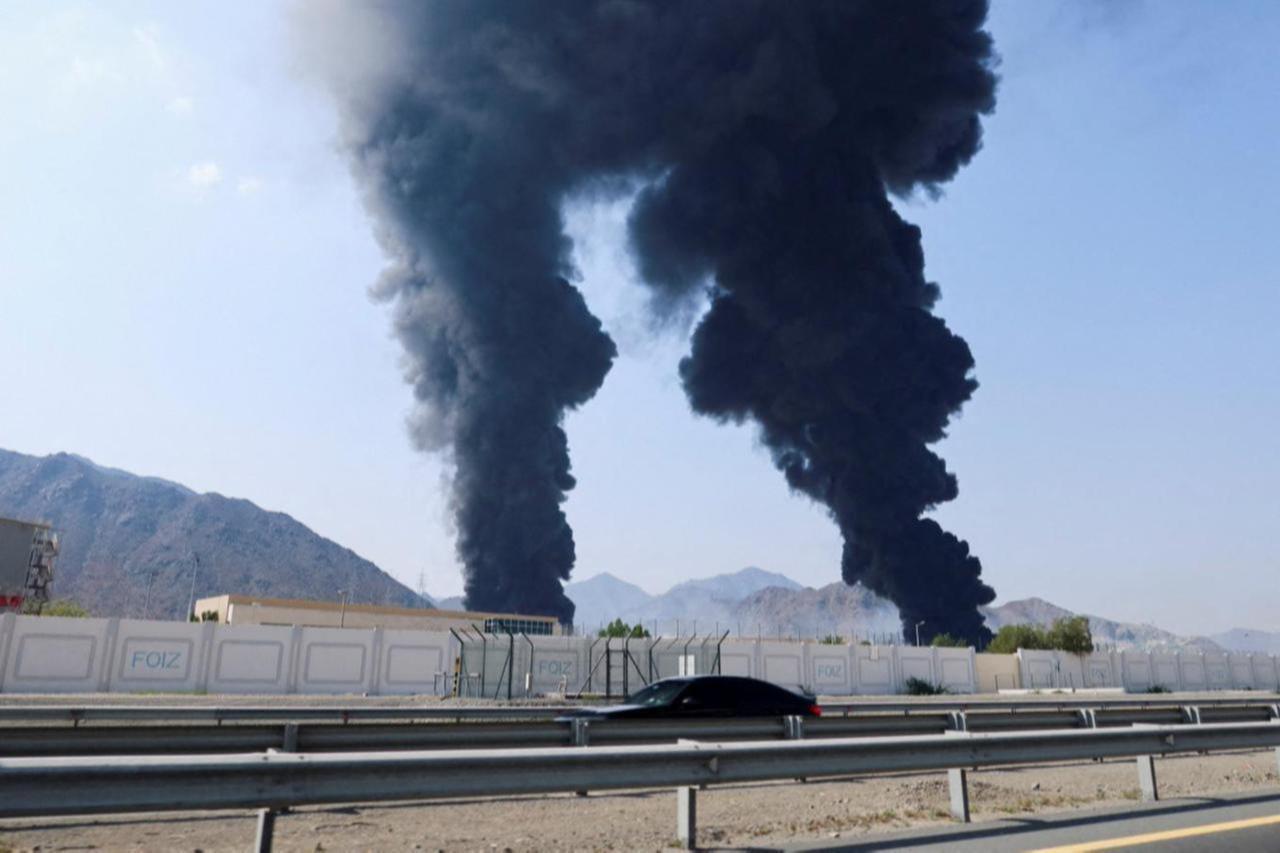
According to the Emirati defense ministry, Iran fired more than 550 ballistic and cruise missiles and over 2,200 drones at the UAE during the conflict, making it the most targeted country in the region. The vast majority were intercepted. Some projectiles did strike military and civilian targets, prompting Abu Dhabi to seek urgent assistance from allies.
To keep pace with the intensity of the fighting, the Israeli military took weapons that were either in the prototype stage or not yet fully integrated into its own radar systems and provided them to the Emiratis, a person familiar with the matter said. Elbit Systems, Rafael Advanced Defense Systems, the Israeli Ministry of Defence and the UAE government all declined to comment or did not respond to requests for comment.
The deployments represent one of the most significant and concrete expressions of defense cooperation between Israel and the UAE since the two countries normalized relations under the 2020 Abraham Accords, brokered by U.S. President Donald Trump.
The accords, which also included Bahrain, Sudan and Morocco, were motivated in part by a shared wariness of Iran. Israel had previously sold the UAE its Barak and Spyder air defense systems, but the current conflict, which began with U.S. and Israeli strikes on Iran on February 28, constitutes the first major sustained test of the alliance.
One western official described the UAE's embrace of the Abraham Accords as "enthusiastic," and said this made the Gulf state one of Iran's primary targets. Abu Dhabi has since signaled it intends to deepen its ties with both Washington and Jerusalem. A senior Emirati official told Axios that the UAE was "not going to forget" the assistance Israel provided during the fighting.
The deployment of the Iron Dome outside of Israel and the United States marks the first time the system has been sent to a third country. Prime Minister Benjamin Netanyahu ordered the move following a call with UAE President Mohamed bin Zayed Al Nahyan, according to Israeli officials cited by Axios. The system intercepted dozens of Iranian missiles.
The scale and duration of Iran's retaliatory campaign across the region strained allied supplies of expensive interceptor missiles.
The Center for Strategic and International Studies estimated that by the time the U.S. and Iran agreed a temporary ceasefire, the U.S. military had depleted roughly half of its Thaad and Patriot missile inventories, its most advanced interceptors, some costing millions of dollars each and taking months to manufacture.
That scarcity has created demand for cheaper, faster alternatives. Shahed drones have proven particularly difficult to detect due to their small size and low heat signatures.
The UAE is now actively considering converting its existing stockpile of aging Sidewinder air-to-air missiles into a ground-launched variant, replacing their heat-seeking capacity with passive laser seeker heads designed to work alongside Elbit's Spectro system to mark drones for interception.
The conflict has also drawn on Ukrainian innovations developed to counter the same Shahed drones used by Russia, with those systems reportedly deployed across several countries in the region.
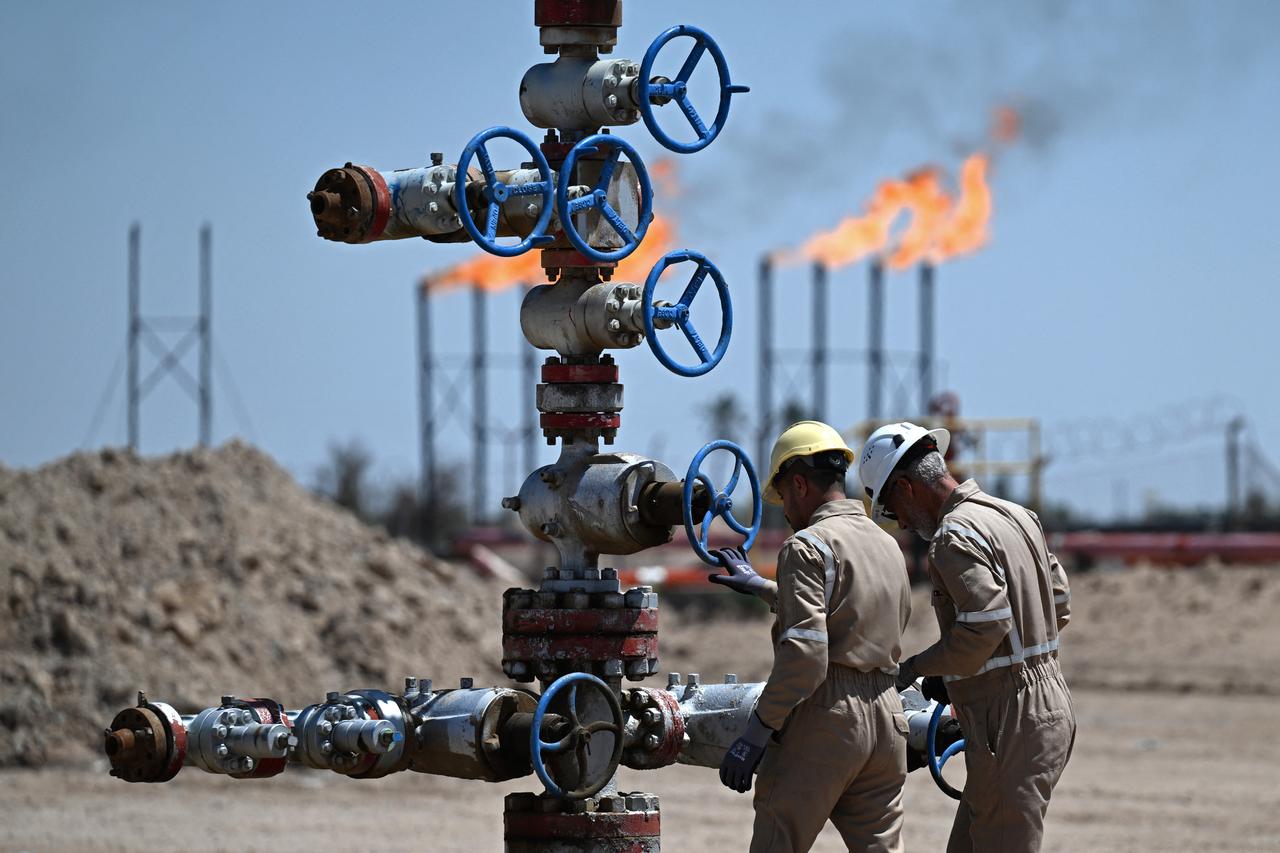
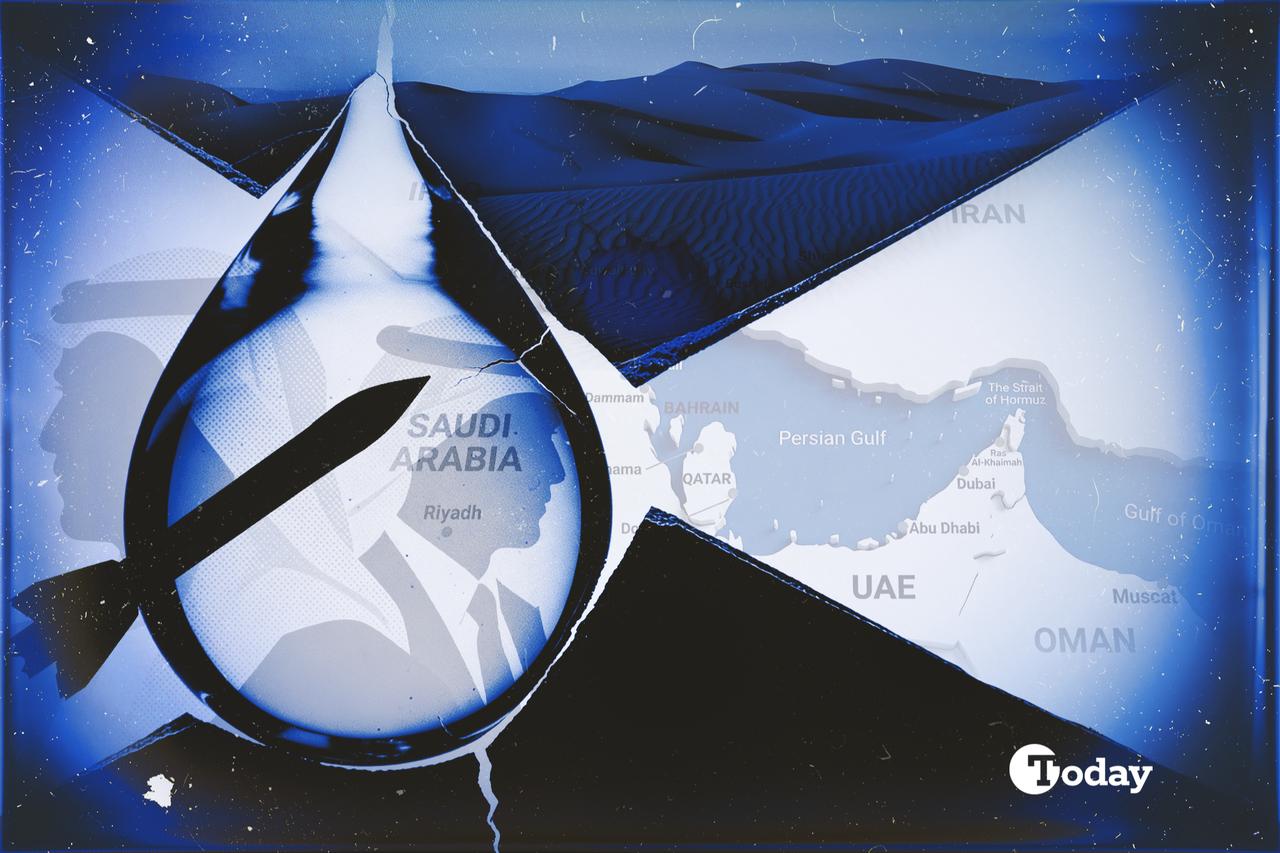
Iran's onslaught included blocking the Strait of Hormuz, a critical chokepoint for global oil and natural gas flows, significantly amplifying the war's economic consequences.


 Set as preferred source
 Set as preferred source


 2 min read
 1 min read