Newsletters


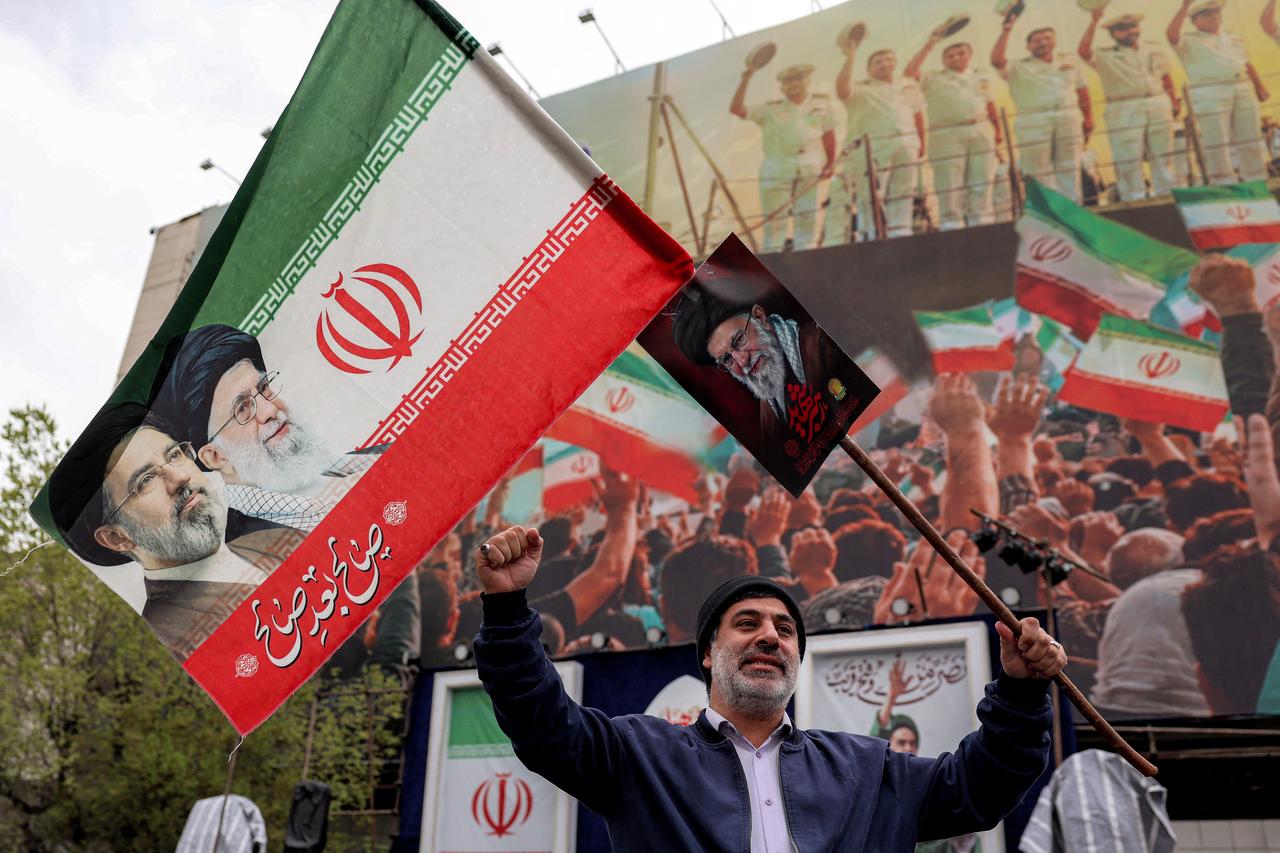


Israeli military intelligence increasingly doubts that the ongoing war will lead to the collapse of Iran’s government in the near term, according to people familiar with internal assessments.
The prevailing view within the Israeli military is that the aerial campaign has not created the conditions necessary to topple the Iranian regime, despite weeks of sustained attacks.
Two people familiar with the matter said the dominant assessment within Israeli intelligence is that the war has not significantly weakened the Iranian leadership’s grip on power.
One source familiar with briefings from the Israeli military intelligence directorate said the campaign has yet to produce measurable signs of regime collapse since the war began on Feb. 28.
“The regime has been weakened, but we have not seen desertions or cracks emerging or any real indication of a loss of control,” said Raz Zimmt, a former Iran specialist with Israeli military intelligence.
He said the situation reflects the resilience of a system built over decades to withstand pressure.
Israeli military officials have long viewed regime change through airstrikes alone as highly unlikely, with one source saying the military had warned early on that such an outcome would be “very, very, very, very hard.”
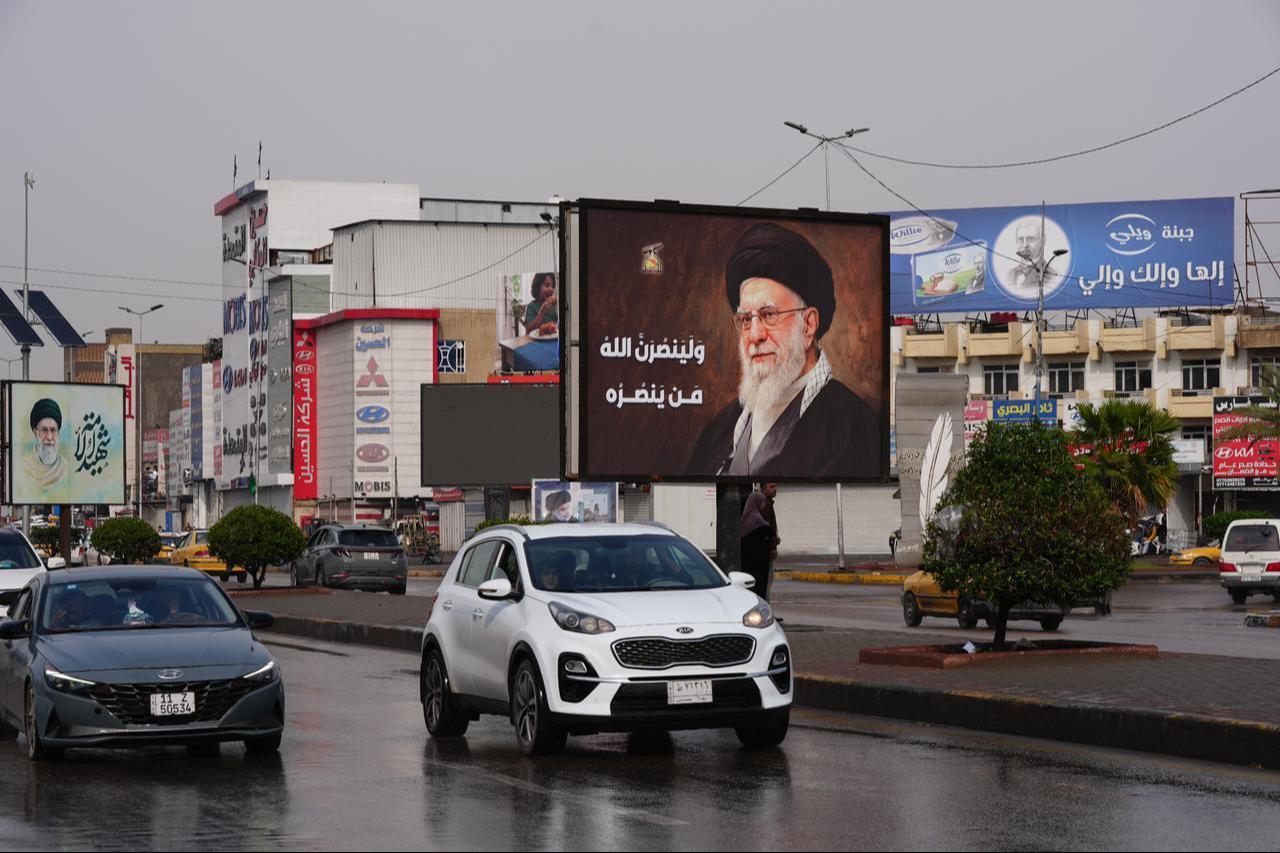

With U.S. President Donald Trump signaling interest in winding down hostilities, Israel’s air force has prioritized targeting military infrastructure rather than attempting to destabilize the regime directly.
Targets include Iran’s missile production facilities and broader defense industrial base, with sources describing an “acceleration” in attacks in recent days, particularly against what were described as arms factories.
Israel has also said it killed the head of the Islamic Revolutionary Guard Corps’ navy.
Israeli officials now describe the primary objective as degrading Iran’s military capabilities rather than immediate regime collapse.
At the start of the war, Israeli plans focused on weakening the leadership through targeted killings and efforts to trigger internal unrest.
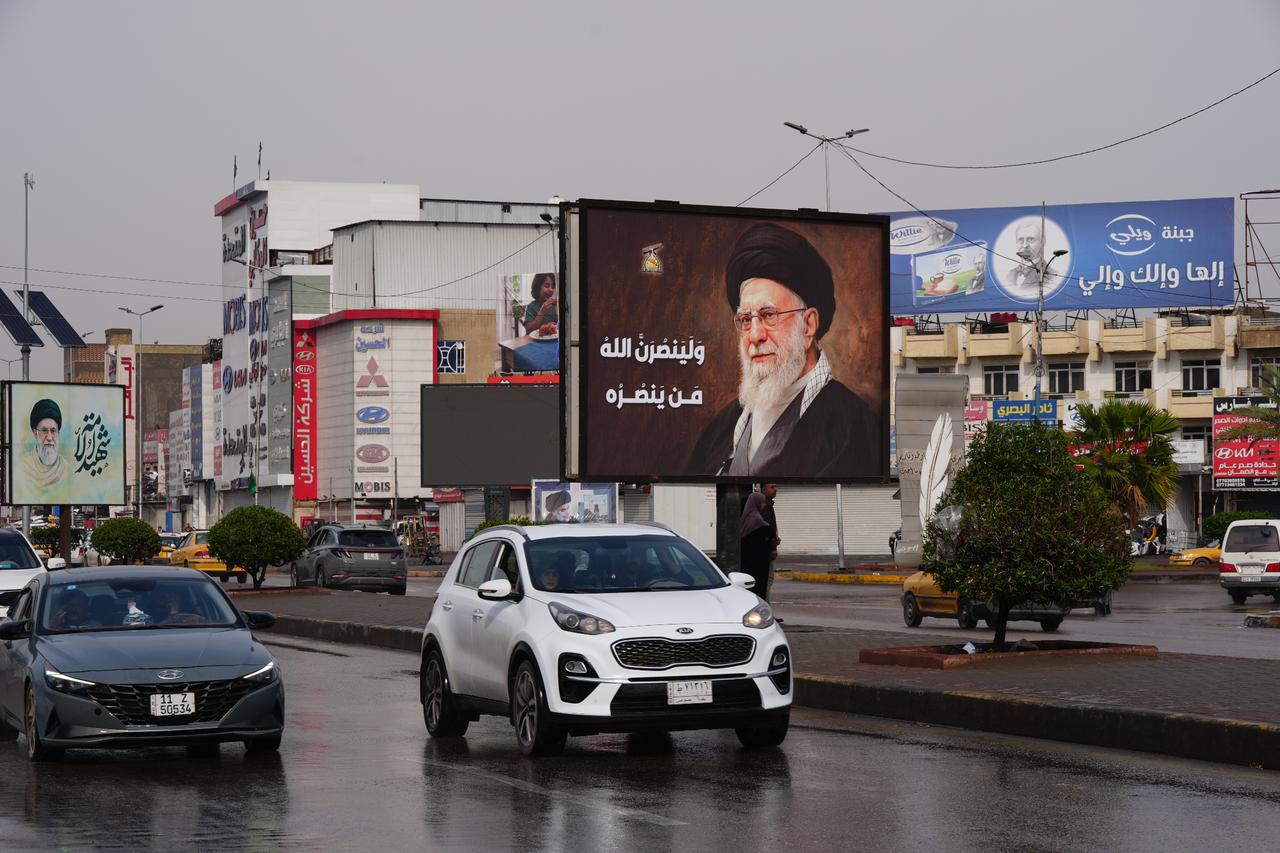
Iran’s Supreme Leader Ali Khamenei, the country’s defense minister, the Revolutionary Guards’ chief and the armed forces chief of staff were all reported killed in early strikes, along with dozens of other officials, according to Israeli statements.
Israel also targeted senior officials, including Ali Larijani, Iran’s top security figure, as well as lower-level regime loyalists and Basij units responsible for internal security.
Strikes in Iran’s western Kurdish regions were aimed at weakening resistance ahead of a possible ground offensive involving Kurdish militias.
Sources said Israel’s foreign intelligence service Mossad was tasked with creating conditions for protests and unrest inside Iran.
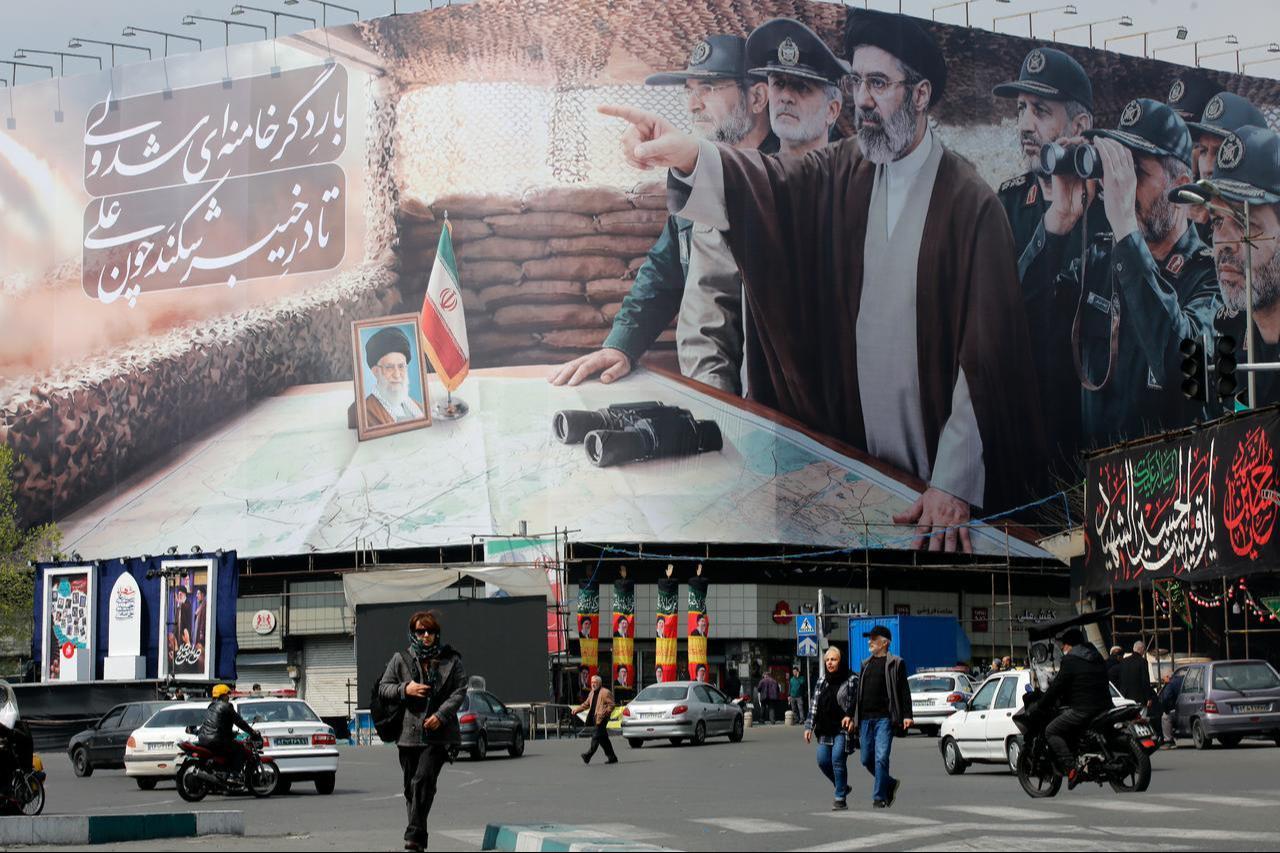
Despite these efforts, Israeli military intelligence now assesses that the campaign has not significantly increased the likelihood of the regime being overthrown before the war ends.
Senior Israeli officers have avoided framing regime collapse as an immediate goal, instead focusing on weakening the system.
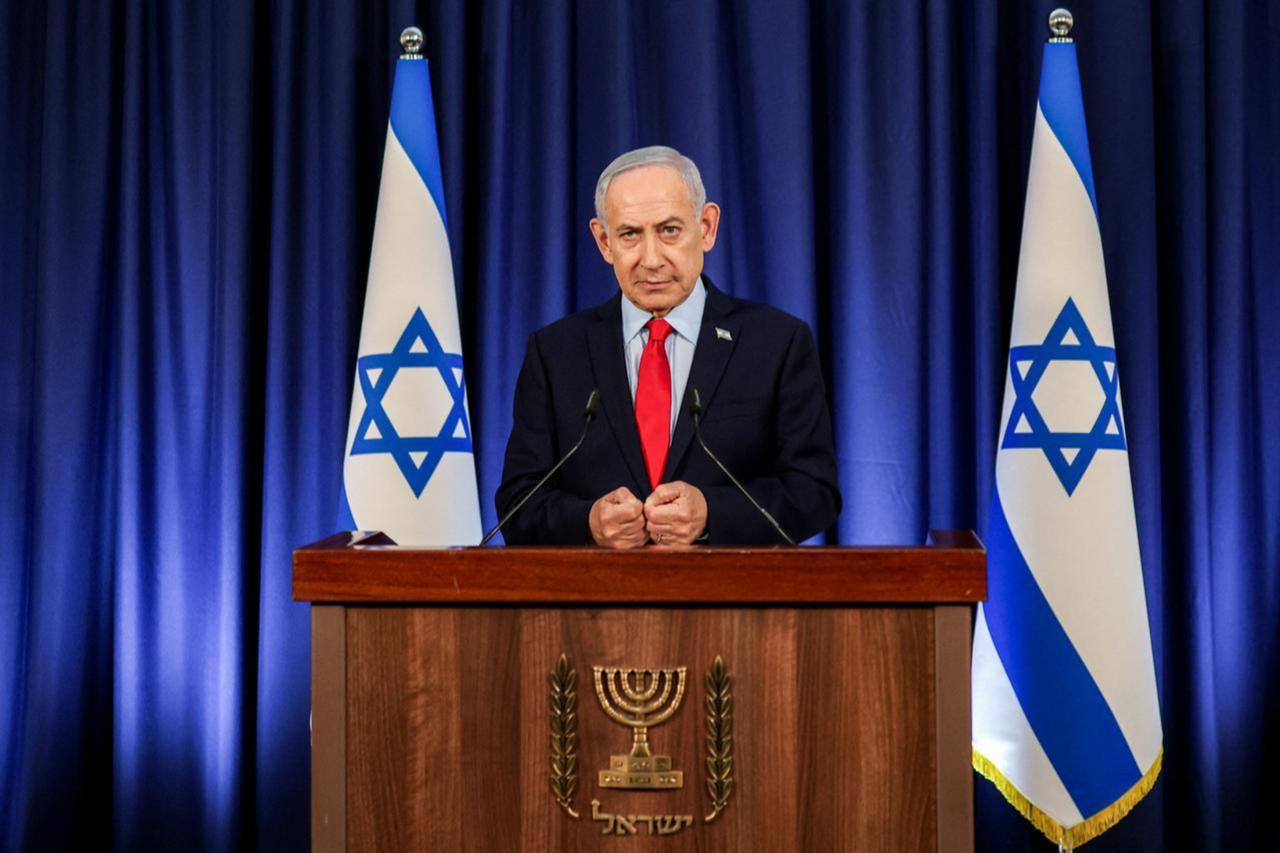
Prime Minister Benjamin Netanyahu has continued to say that creating conditions for regime change remains a key objective.
“It’s up to the Iranian people to choose the moment, and to rise to the moment,” Netanyahu said, adding that Israel could help create those conditions.
Officials and analysts now describe regime change as a longer-term outcome that could follow continued economic, political and social pressure.
“The collapse of a regime doesn’t take minutes, hours, or days — it’s a process,” one person briefed on the situation said, adding that the Iranian system is weakening over time.


 Set as preferred source
 Set as preferred source


 1 min read
 1 min read