Newsletters




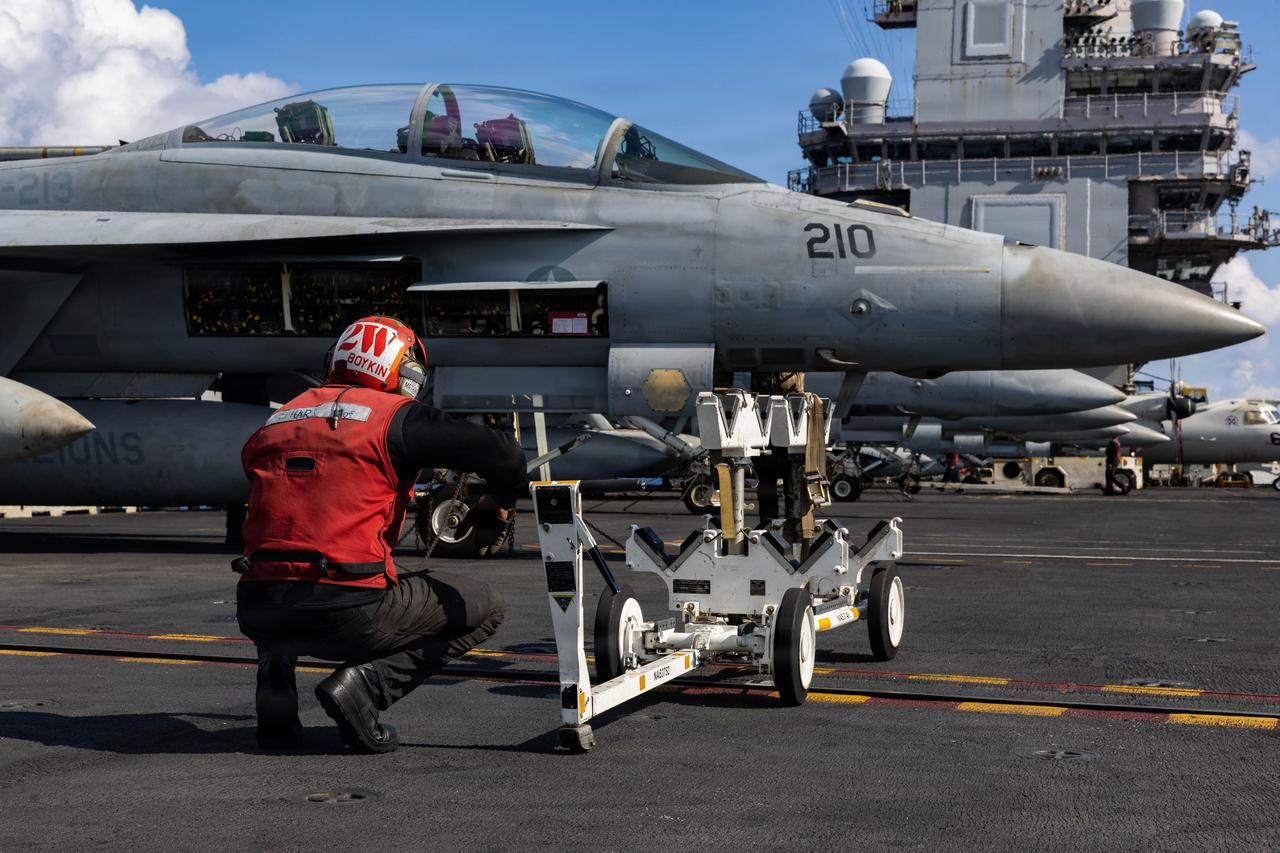
The United States has informed Israel that the war against Iran is likely to last longer than originally anticipated, with the goal extending beyond reopening the Strait of Hormuz to eliminating Iran's broader influence over global energy prices, Israel's Channel 12 reported Sunday.
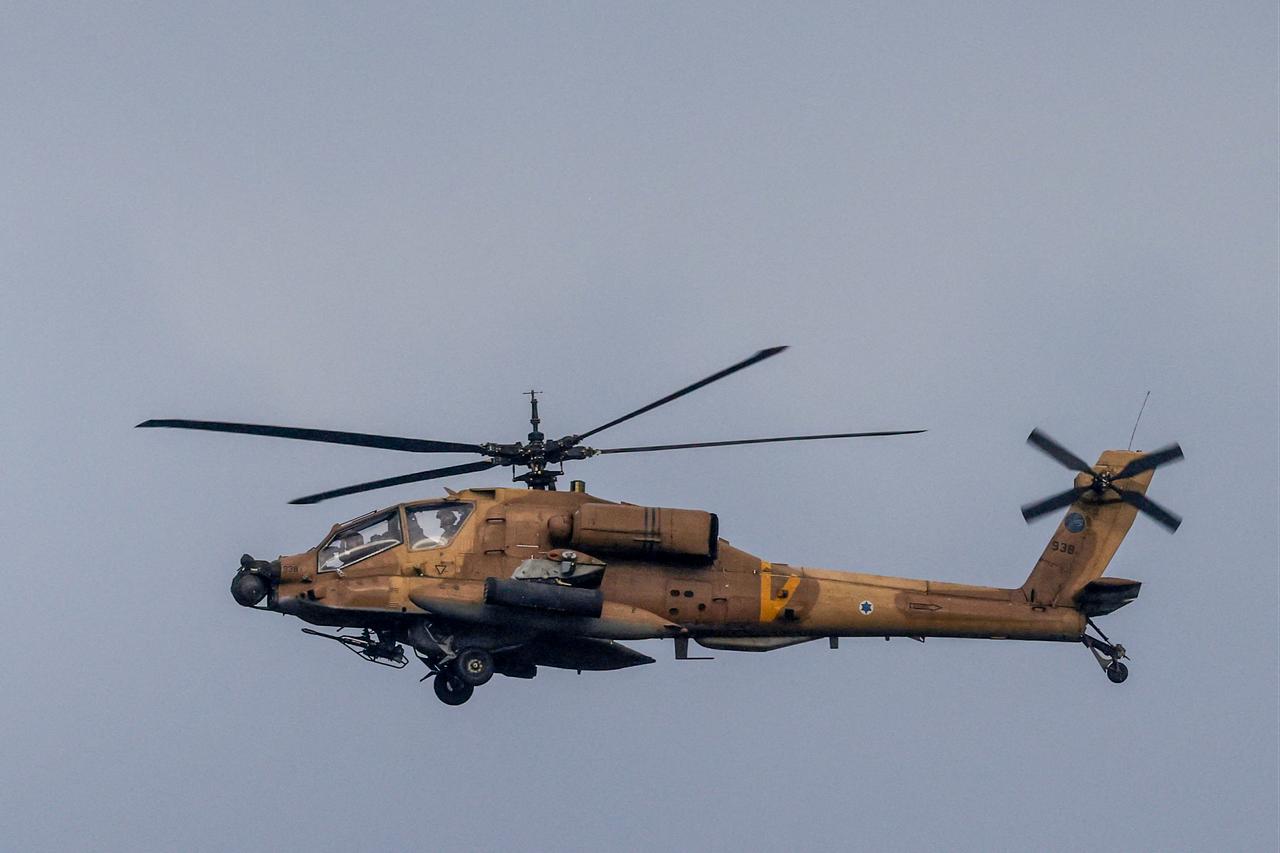
The Israeli army simultaneously said strikes on Iran and Hezbollah will continue for "several more weeks," disclosing that more than 10,000 munitions have been used in Iran so far, as the U.S.-based Axios reported that American involvement could potentially stretch until September.

The U.S. has conveyed to Israel's political leadership that its operational plans to reopen the Strait of Hormuz, through which approximately a fifth of global oil supply normally passes, are expected to take several more weeks, potentially far beyond initial estimates.
Washington's objective is described as a "broad strategic change": not only reopening the waterway but also preventing Iran from influencing global oil and gas prices.
"We want strategic change, even if it takes time," U.S. officials were cited as saying.
Israel is said to have been briefed on parts of the American operational plans and to participate in certain aspects, including intelligence sharing and advisory roles.
The Axios news site separately reported that officials in Washington and allied capitals are preparing for American involvement to potentially stretch until September, even if the conflict shifts to a lower-intensity phase.
Trump had initially suggested the military campaign would last four to five weeks and had repeatedly said operations were running "ahead of schedule."
Israeli army spokesman Brig. Gen. Effie Defrin said Sunday that strikes on Iran and Hezbollah are expected to continue for "several more weeks."
He said Israeli forces have used more than 10,000 munitions in the campaign against Iran so far.
"The strikes on Iran are not stopping. We have struck with precision and continue to strike the regime's infrastructure and its commanders. The achievements are accumulating into a major gain and we will continue to strike until all our objectives are achieved. Hezbollah too, we have struck more than 200 targets and will continue," Defrin said.
He claimed the Iranian government is becoming increasingly destabilized, and noted that Iran's missile strikes on Arad and Dimona were not a new threat.
He had told CNN on March 15 that the military is planning for "at least three more weeks" of war, with "thousands of targets ahead," adding that the military is "not working according to a stopwatch or a timetable but rather to achieve our goals," which are to "weaken the Iranian regime severely."
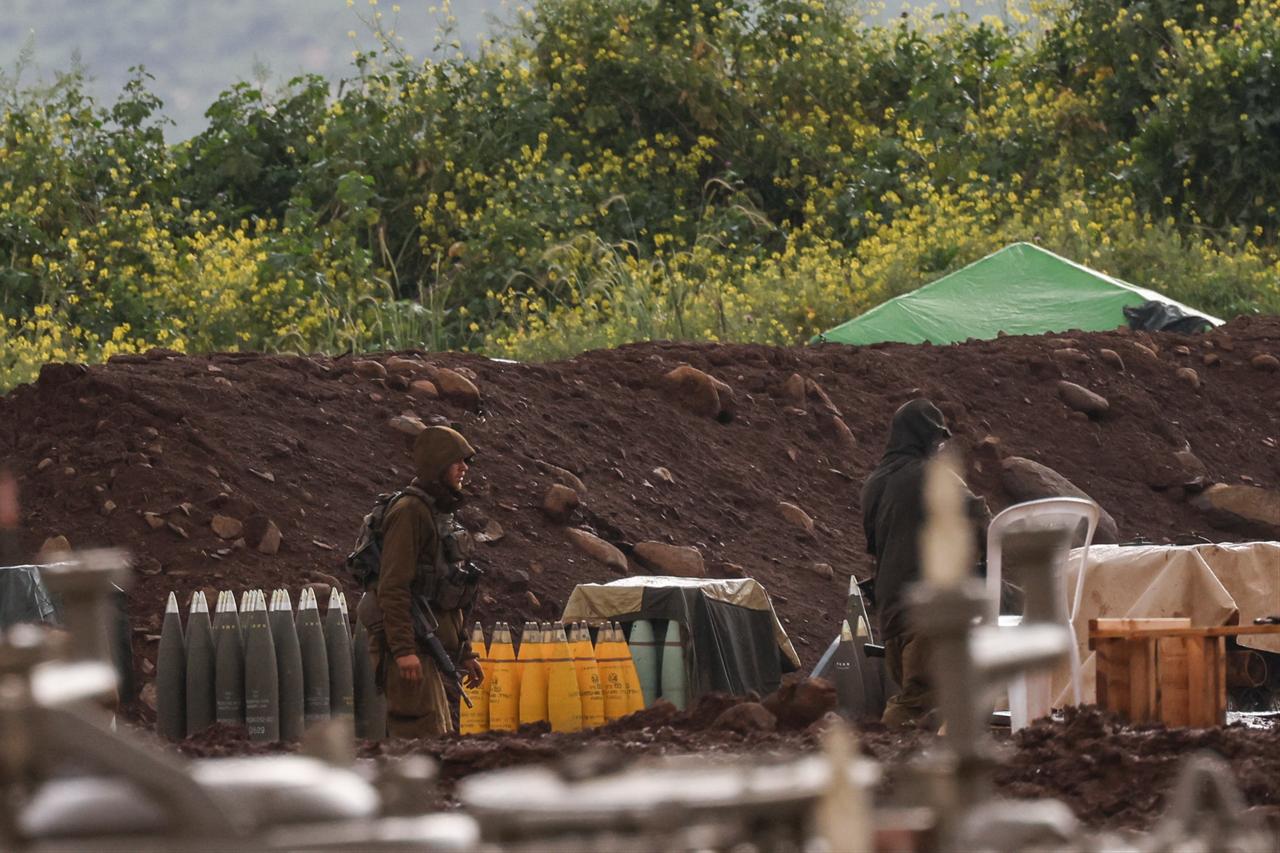
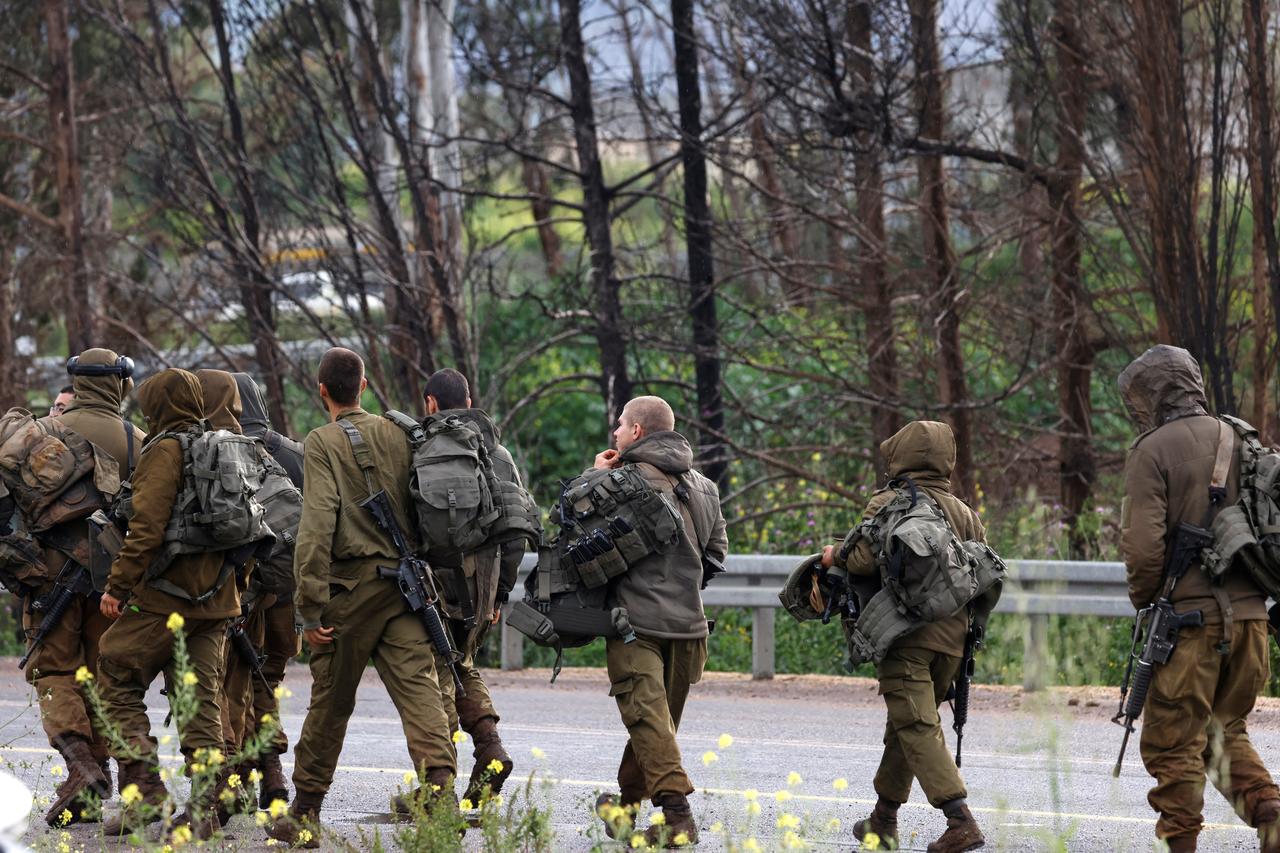
Israeli army Chief of Staff General Eyal Zamir held a situation assessment and plan-approval discussion at the Northern Command with the General Staff forum and division and brigade commanders operating in the northern sector, focused on deepening ground maneuver in Lebanon.
"Iran is our main effort and the northern arena is another central arena. They are intertwined," Zamir said.
He described Hezbollah as "a central proxy of the Iranian terror regime" that "made a grave mistake when it chose to join the campaign against Israel."
"The war with Hezbollah has only just begun and will be prolonged—at the end of the Iran campaign, it will be left alone and isolated. We are preparing for a deepening of the maneuver and the strikes, according to an organized plan. We will not stop until the threat is removed from the border and long-term security is ensured for the residents of the north," Zamir said.
"There is no safe place for the regime and its proxies. Every threat to Israeli citizens will be met with a determined, precise and powerful response," he added.
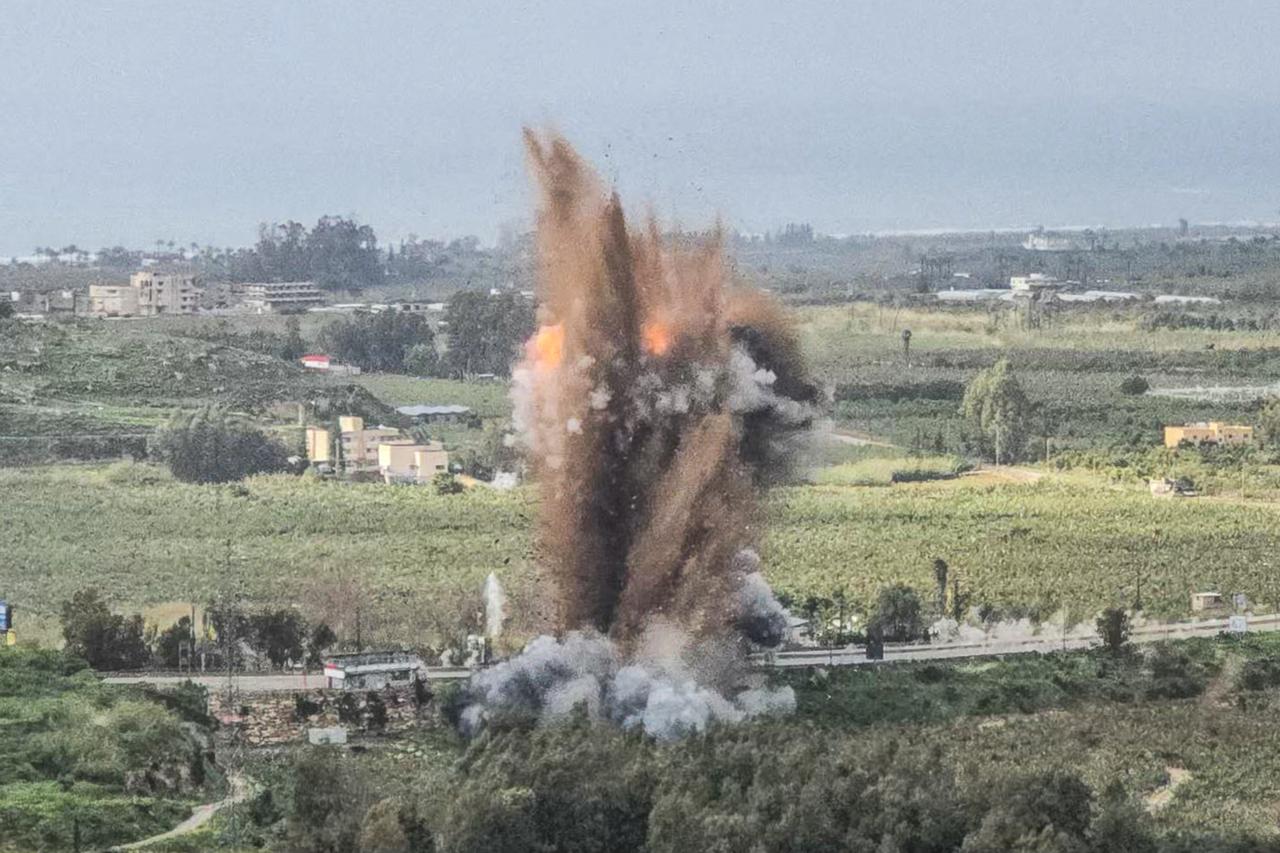
The Israeli army has struck more than 200 targets against Hezbollah and is conducting an expanding ground offensive in southern Lebanon since Hezbollah's cross-border attack on March 2.
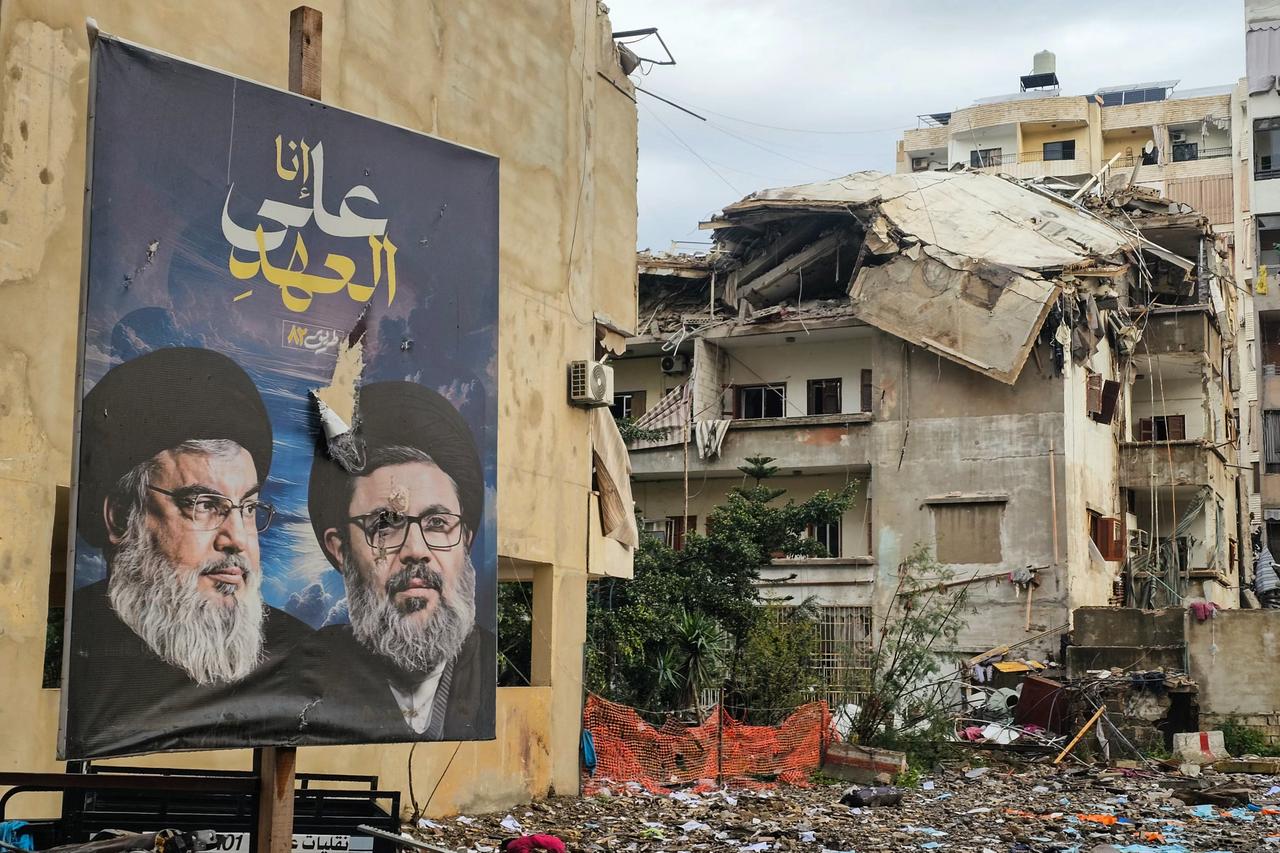
Lebanese authorities say at least 1,029 people have been killed and 2,786 injured in Israeli attacks since March 2.
The current escalation followed a joint U.S.-Israeli offensive against Iran, which has killed over 1,300 people since Feb. 28. Tehran has retaliated with drone and missile strikes targeting Israel, along with Jordan, Iraq, and Gulf countries hosting U.S. military assets.


 Set as preferred source
 Set as preferred source


 1 min read

 1 min read