

 Newsletters


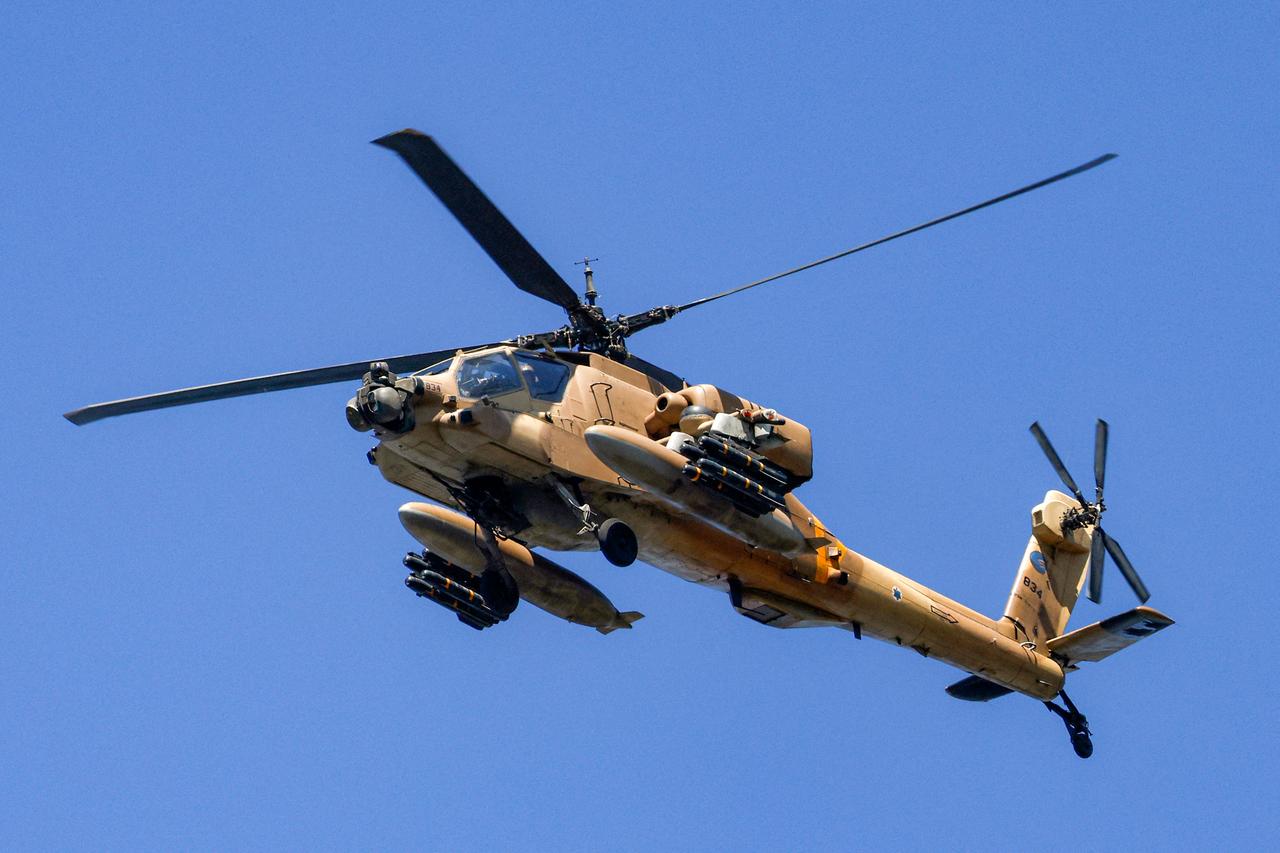


The Israeli Air Force destroyed the building housing Iran's Assembly of Experts in the holy city of Qom on Tuesday, targeting the clerical body responsible for choosing a new supreme leader just days after the assassination of Ali Khamenei, according to Israeli and Iranian officials.
The strike hit the building while votes were being counted inside, an Israeli defense official told Axios.
"We wanted to prevent them from picking a new supreme leader," the official said. It remains unclear how many of the assembly's 88 members were present at the time or what casualties, if any, resulted from the attack.
Iranian state news agencies confirmed the building was flattened in the air attack.
Witnesses near the site in Qom also reported strikes in the surrounding area, according to Reuters.
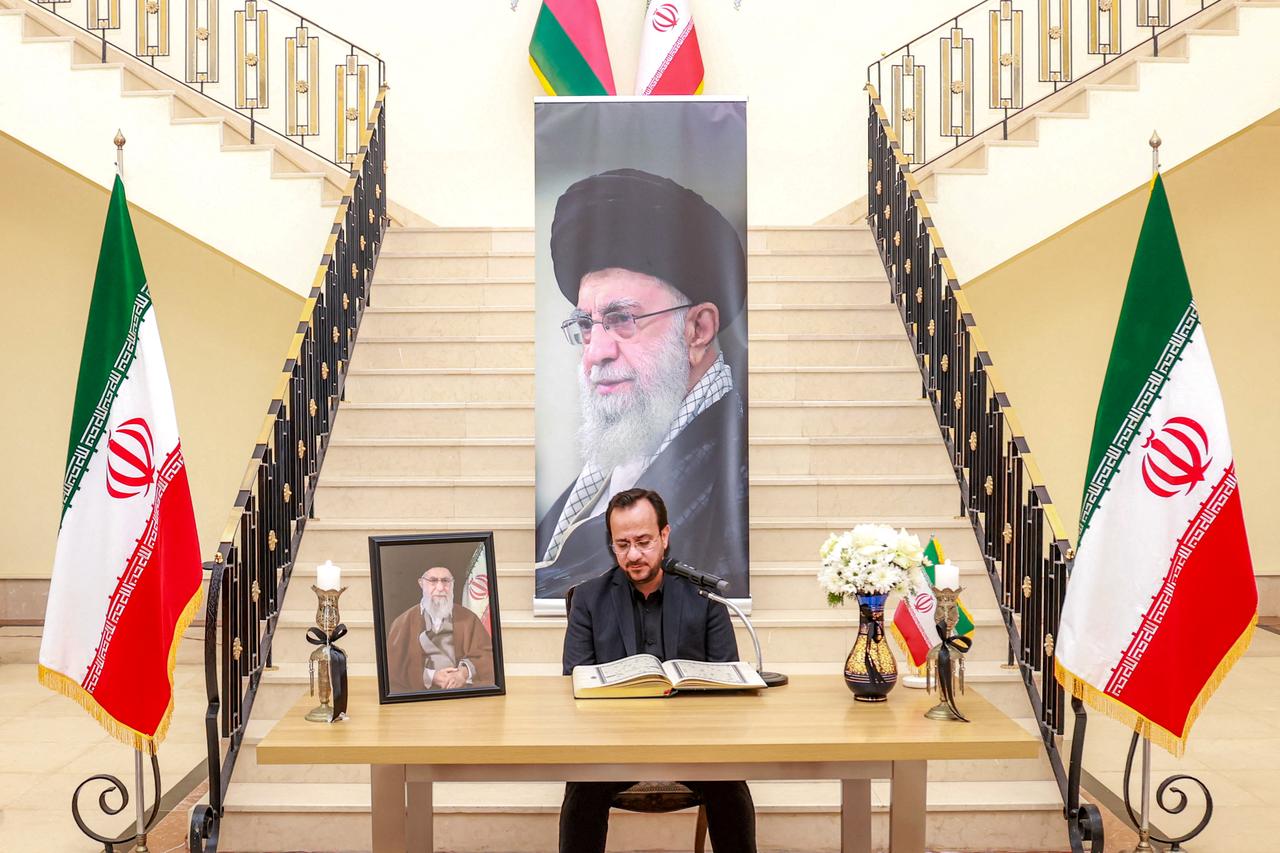

The strike represents a direct attempt to disrupt the Iranian regime's constitutional mechanism for leadership continuity.
The Assembly of Experts, an 88-member body of senior Islamic jurists elected to eight-year terms, holds sole authority under Iran's constitution to appoint, supervise, and, if necessary, dismiss the supreme leader.
Khamenei was killed Saturday, Feb. 28, in the first wave of joint U.S.-Israeli strikes, along with dozens of senior Iranian officials.
Under Article 111 of Iran's constitution, the assembly is required to act "in the shortest possible time" to appoint a successor when the supreme leader's position becomes vacant.
A smaller, secretive committee within the assembly had been drafting a shortlist of candidates for the full body to vote on, a process Israel evidently sought to derail.
The assembly has overseen only one leadership transition in its history.
When Ruhollah Khomeini, the Islamic Republic's founding leader, died in June 1989, the body convened and selected Khamenei as his successor, despite the fact that he held the lower clerical rank of hojatoleslam rather than the constitutionally required rank of Supreme Leadership at the time.
The constitution was subsequently amended to remove the requirement that the supreme leader be a marja, or senior source of religious emulation.
In the decades since, the assembly functioned largely as a ceremonial institution. Its candidates are vetted by the Guardian Council, a body whose members are in part appointed by the supreme leader himself, creating a system critics have long described as circular and self-reinforcing.
The assembly never publicly challenged or questioned Khamenei during his more than three decades in power.
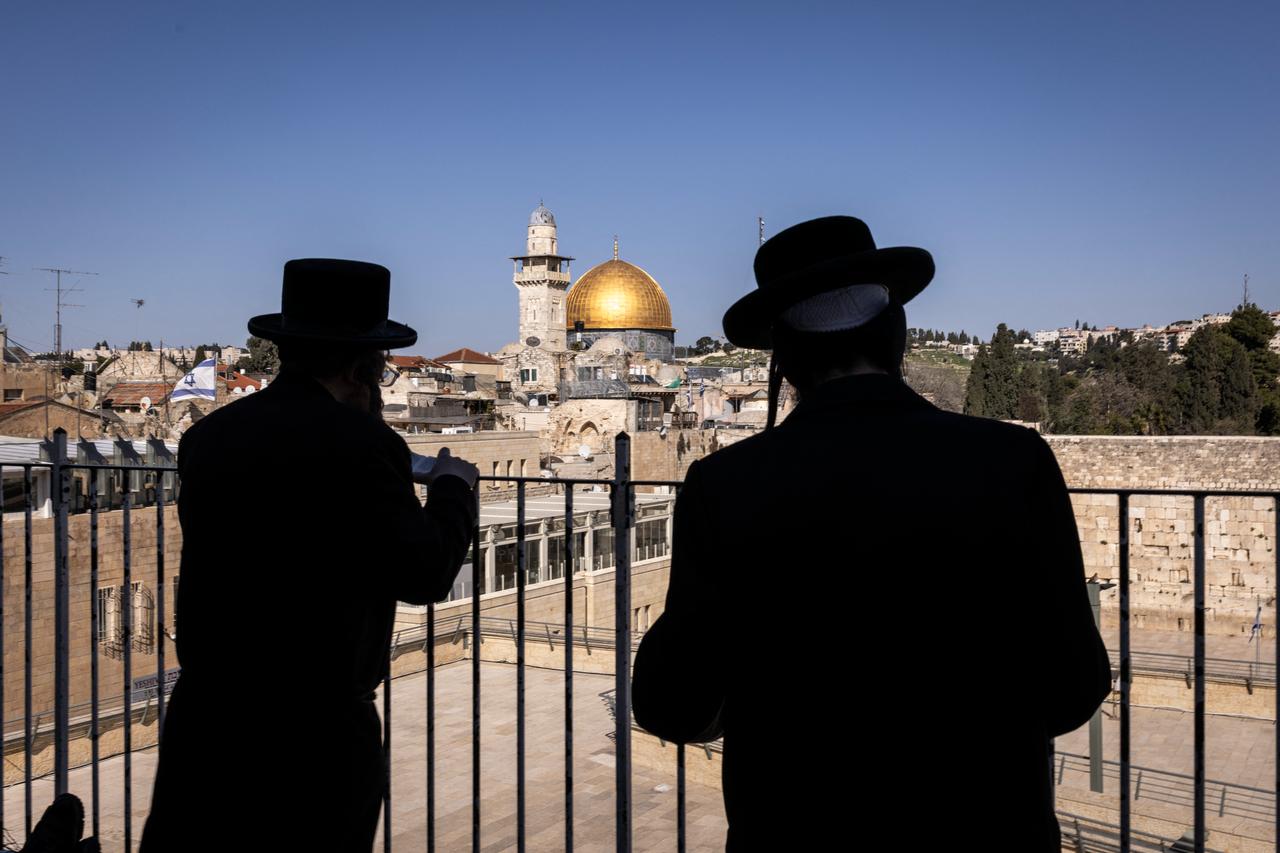
The choice of target carries particular significance. Qom, located roughly 150 kilometers south of Tehran, is Iran's most important center of Shia Islamic scholarship and home to many of the seminaries that have produced the country's clerical and political leadership.
The Assembly of Experts maintains buildings in both Tehran and Qom, and the body's deep ties to the city's seminary establishment make the Qom location central to the succession process.
Iran had already moved to establish an interim governing structure following Khamenei's killing. A temporary leadership council, comprising the president, the head of the judiciary, and a cleric from the Guardian Council, was formed to oversee the functions of the supreme leader's office during the transition.
But Tuesday's strike on the assembly's Qom headquarters raises serious questions about whether the constitutional succession process can proceed at all under continued military pressure.


 Set as preferred source
 Set as preferred source


 1 min read
 1 min read



