Newsletters


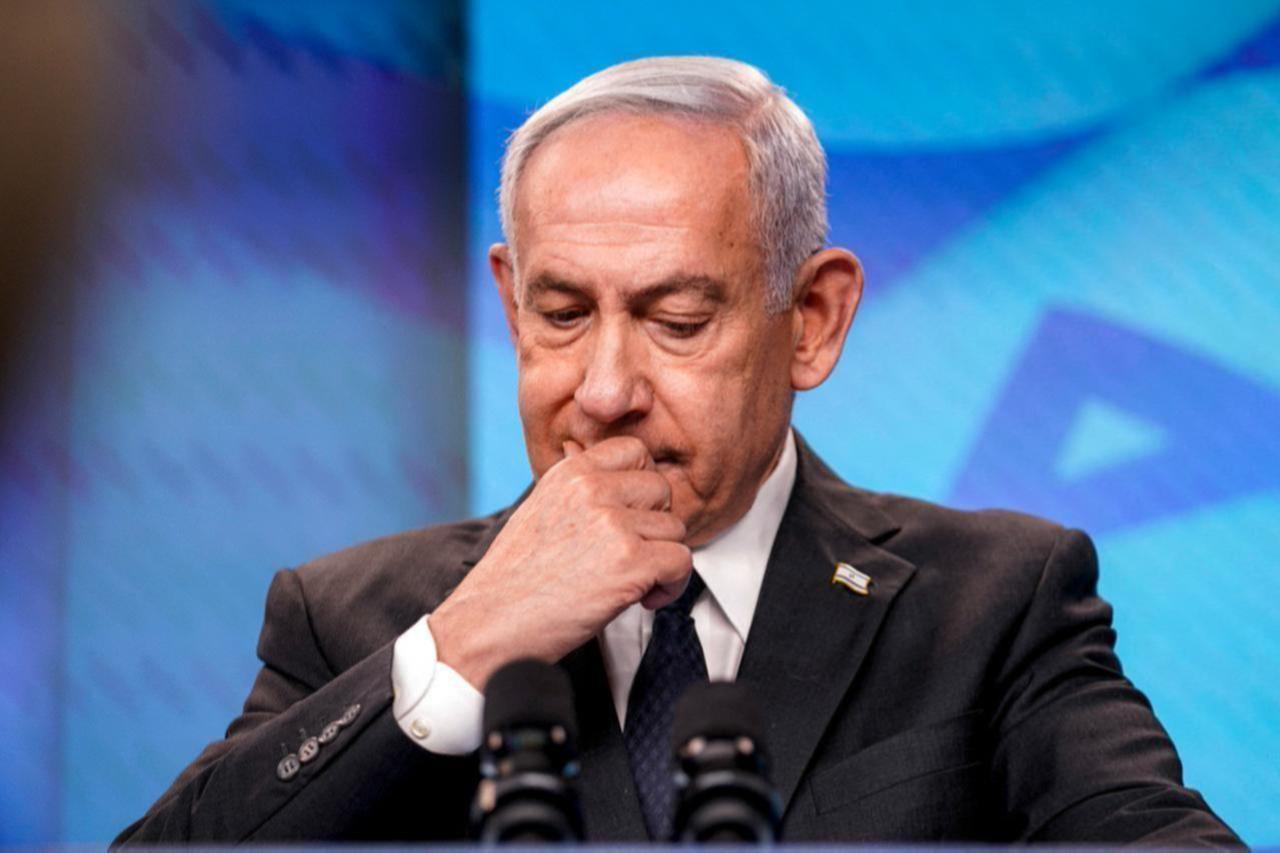


Israel is working aggressively to prevent a potential agreement between the United States and Iran that would focus solely on Tehran's nuclear program while leaving its ballistic missile capabilities untouched, according to Israeli media reports and security sources.
The effort comes as indirect negotiations between Washington and Tehran resumed last week in Oman, marking the first formal talks since discussions broke down following Israeli and American strikes on Iran in June 2025.
Israeli defense officials have conveyed to their American counterparts in recent weeks that Iran's ballistic missile program represents an existential threat to the Jewish state, according to security sources cited by both Channel 12 television and The Jerusalem Post.
"We told the Americans we will strike alone if Iran crosses the red line we set on ballistic missiles," one source told the Post, adding that Israel has not yet reached that threshold but continues monitoring developments inside Iran.
Channel 12 reported that optimism within Israeli security circles has diminished following Friday's indirect talks, with Tel Aviv officials concerned that any emerging agreement would not include the conditions Israel seeks. The prevailing assessment in Tel Aviv holds that Iran is attempting to buy time through negotiations while limiting the scope of potential Israeli and American military action, according to the broadcast.
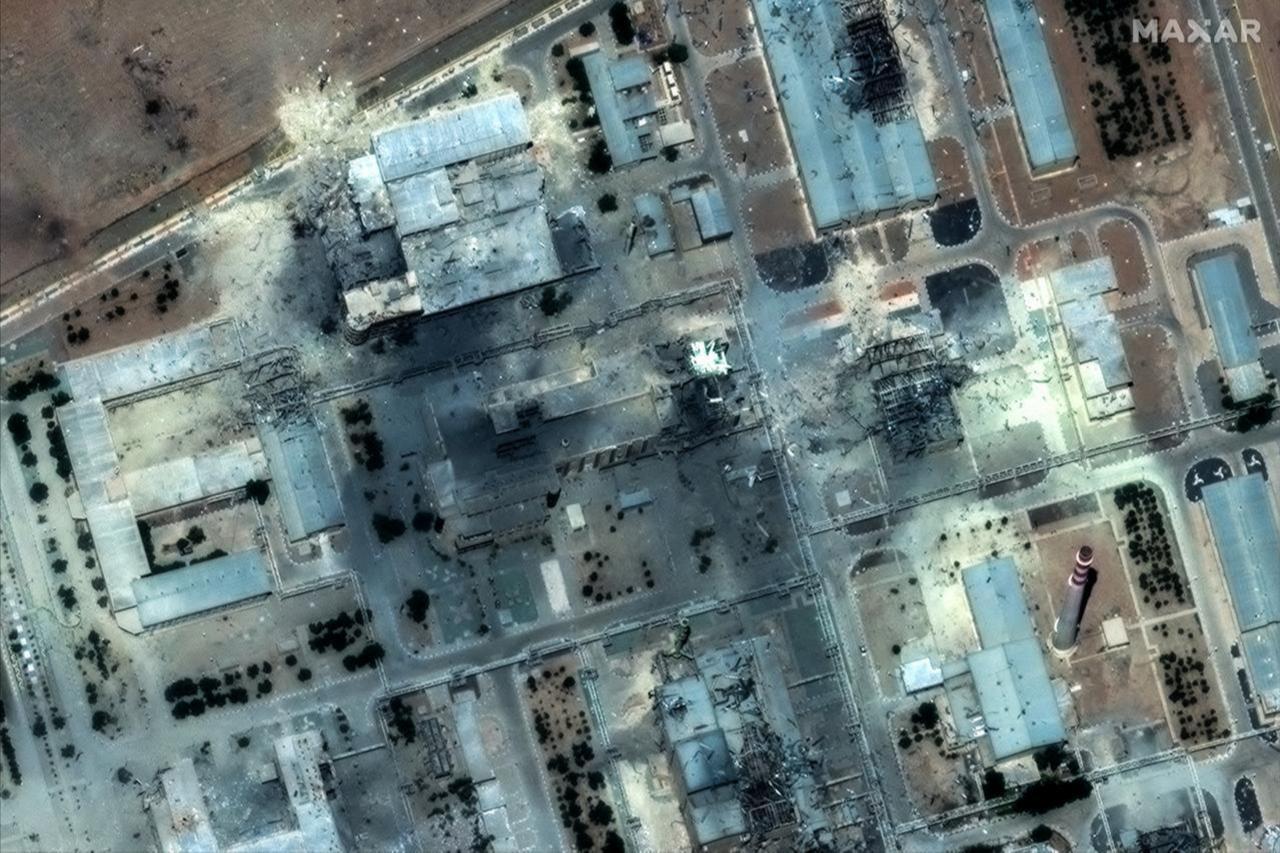
Israeli military officials have outlined operational concepts to American counterparts for degrading Iran's missile program, including strikes on key manufacturing sites and production infrastructure. One defense official described the current moment as a "historic opportunity" to deliver a significant blow to Iran's missile capabilities.
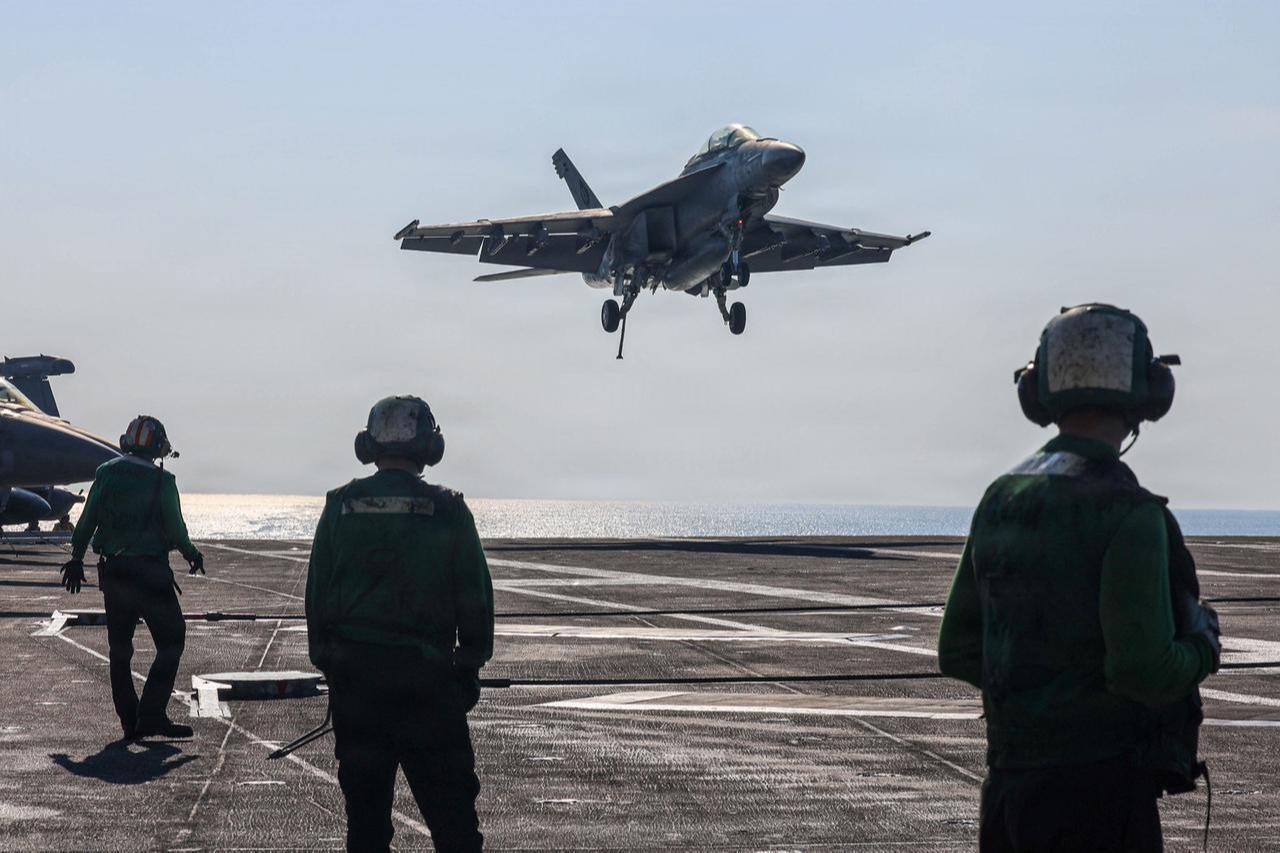

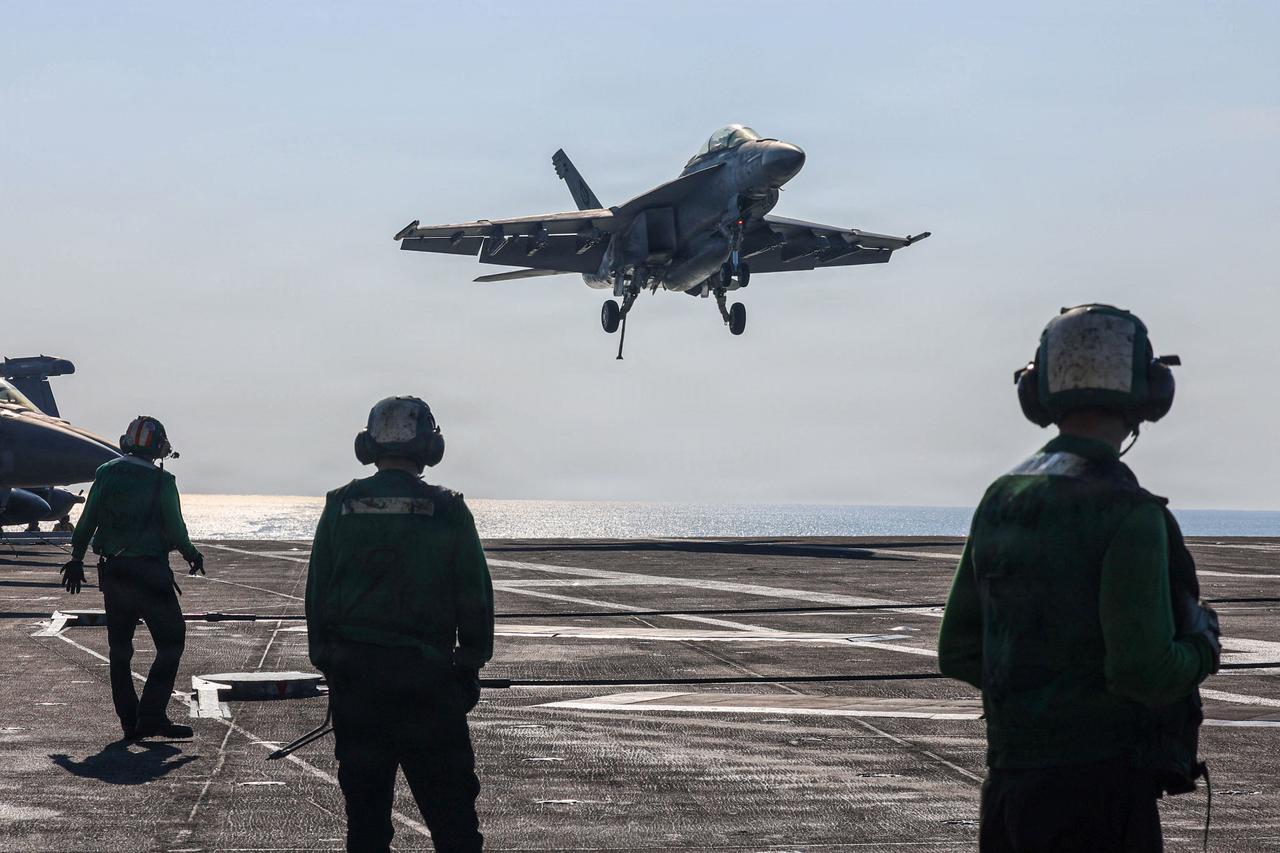
The United States has completed the first stage of expanding its military presence in the Middle East and has entered a second phase of force buildup, Channel 12 reported. The deployment of all planned forces to the region is expected within the next two to three weeks.
According to the report, the US currently has limited strike capacity but will gain capability for broader operations once all forces arrive. American troops have been deployed by air to the Iran-Turkmenistan border and to Armenia within the past 24 hours, the channel reported.
Terminal High Altitude Area Defense (THAAD) batteries and Patriot air defense systems have been positioned at approximately 20 US bases across the Middle East, Channel 12 said. The report also indicated that a military air bridge has been established between the US, Europe, and American bases in the region, with Britain deploying six F-35 fighter jets accompanied by two refueling aircraft.
Both American and Israeli military continue preparations for the possibility that negotiations could collapse, according to the broadcast.
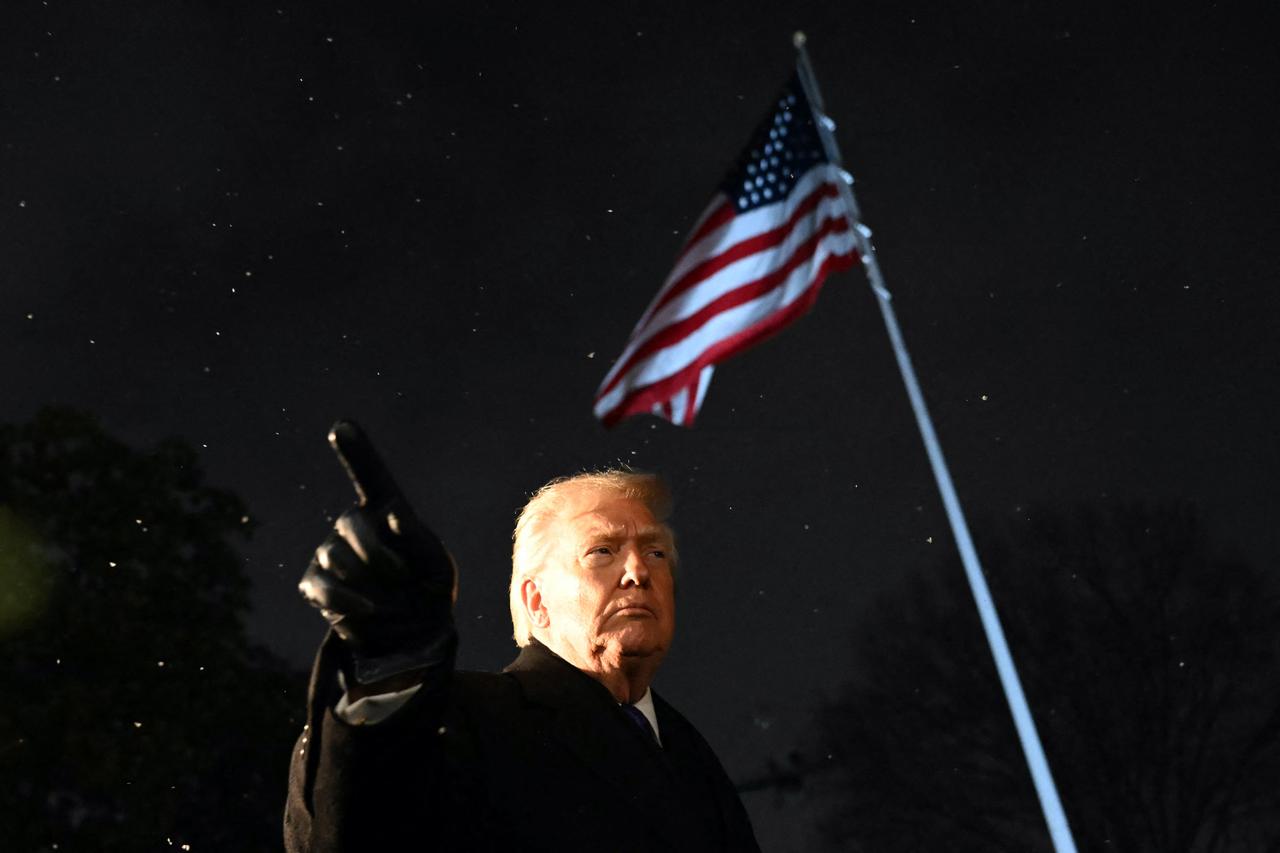
Prime Minister Binyamin Netanyahu is scheduled to meet with President Donald Trump in Washington on February 11 to discuss the Iran negotiations.
Israeli officials have expressed concerns that Trump may adopt a limited strike approach similar to recent US operations against the Houthis in Yemen, which they fear would leave Iran's critical capabilities intact. "The worry is he might choose a few targets, declare success, and leave Israel to deal with the fallout, just like with the Houthis," one military official told the Post.
Brig. Gen. Omer Tishler, the incoming air force commander, is expected to accompany Netanyahu on the US trip, representing IDF Chief of Staff Lt. Gen. Eyal Zamir. No defense attache is currently posted in Washington following Defense Minister Israel Katz's decision not to approve the military's nominee for the position.
Negotiations between Iran and the United States resumed on Feb. 6 in Oman after breaking down following the June 2025 Israeli and American strikes on Iran. The talks are taking place amid heightened tensions and Washington's increased military buildup in the region.
Iranian Foreign Minister Abbas Erakci led Tehran's delegation, while Steve Witkoff, President Trump's special envoy for the Middle East, represented Washington. Iranian Foreign Ministry spokesman Ismail Bekayi said after the talks that both sides agreed to continue discussions.


 Set as preferred source
 Set as preferred source


 1 min read
 1 min read