Newsletters


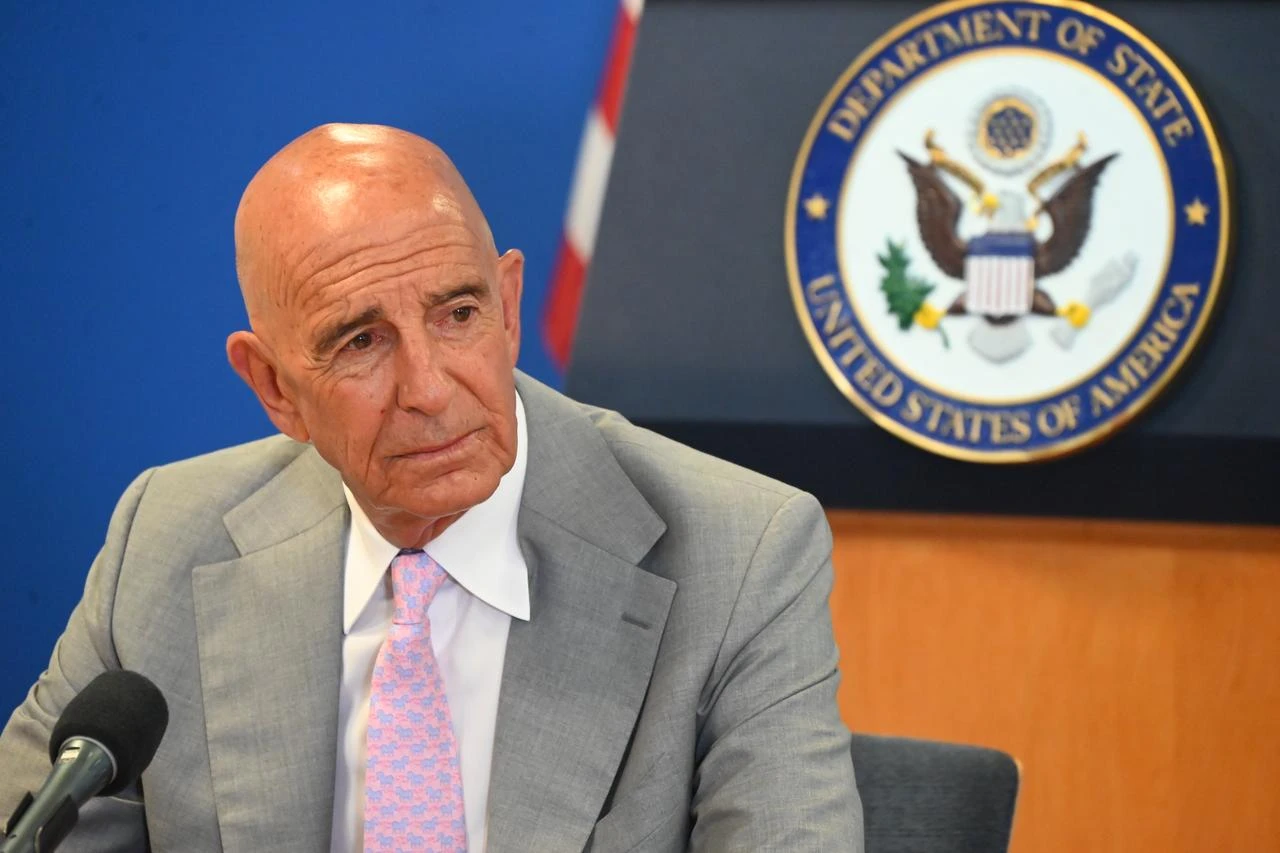


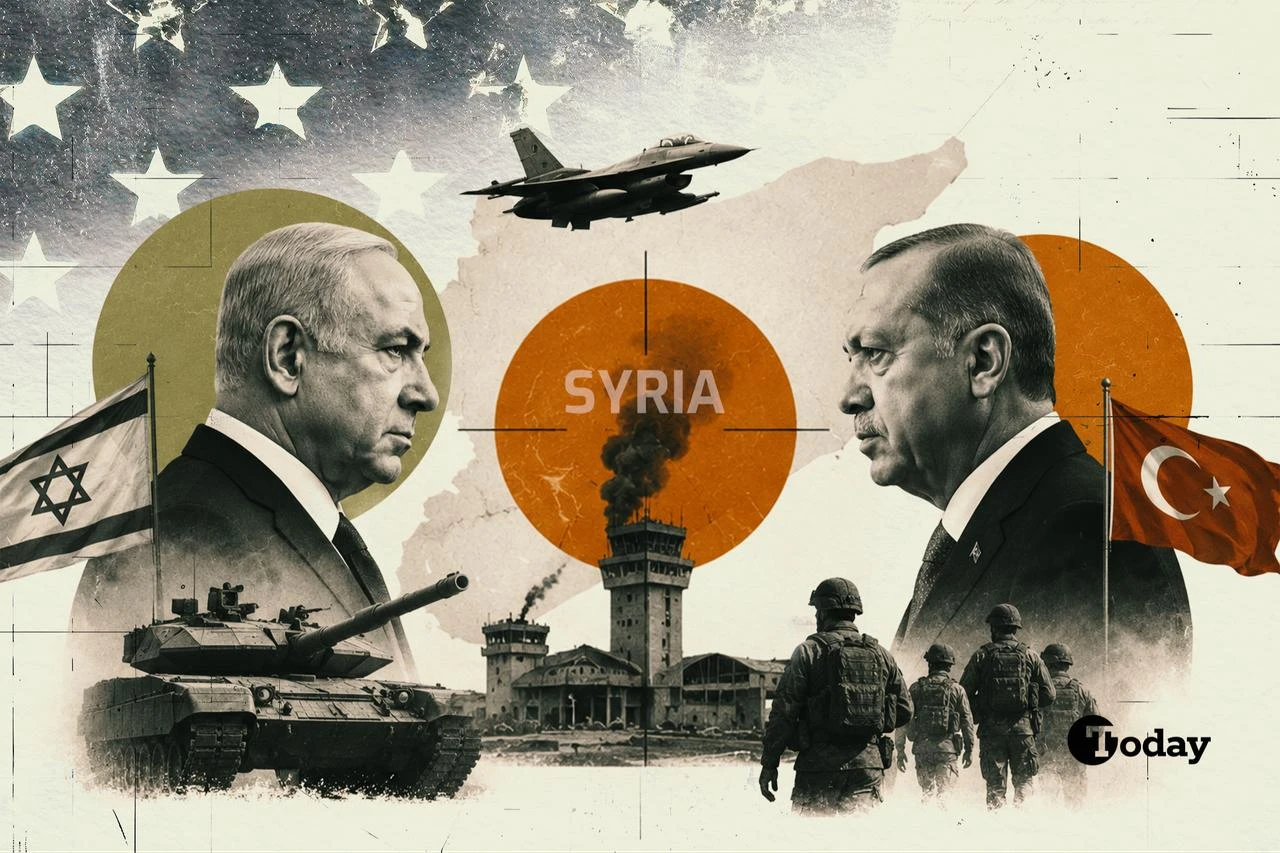
U.S. Ambassador to Türkiye Tom Barrack said Israel may have been "baiting the Turks" when it struck a Syrian airbase this week, as Türkiye's Ministry of National Defense denied any Turkish military presence at the site before or during the attack.
Barrack, who also serves as U.S. special presidential envoy for Syria and Iraq, called the episode "serious and worrying" and said it carried a real risk of triggering direct military confrontation between Türkiye and Israel.
Speaking with journalist Mario Nawfal, Barrack was asked why Israel would strike while diplomatic channels between the countries remained open.
He said he did not know for certain but offered what he called "postulated theories."
Barrack laid out competing theories for what happened. One is that Israel was testing Türkiye, deliberately echoing the 2015 incident when Turkish forces shot down a Russian jet near the border. He called unannounced military deployments along a border "a very dangerous game."
Despite that risk, Barrack argued Türkiye's leadership, its intelligence service, foreign minister, president, and spy chief, have consistently prioritized restraint. "They're not predatory," he said, adding that Ankara has no interest in a military confrontation with Israel, since it would serve no one's interests in the region.
He suggested that everyone involved is looking for a way to de-escalate. For Türkiye, he argued, the real off-ramp isn't about Iran; it's a resolution to the Palestinian issue, which he described as the central concern for both the Turkish government and Turkish public opinion.
Against that backdrop, Barrack floated one theory: that Israel may have been deliberately provoking Türkiye, an aggressive move, but one that could play well domestically ahead of elections.
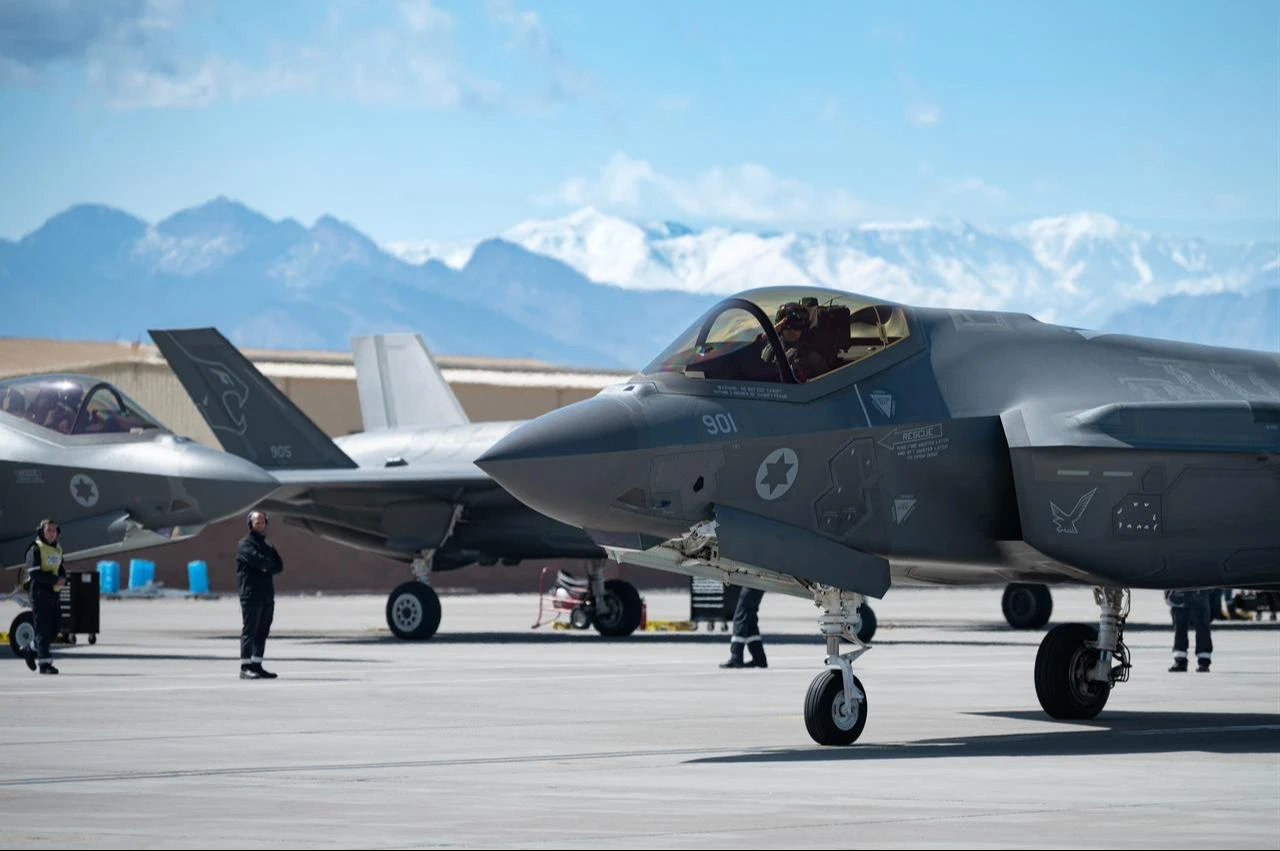

Barrack said a second, competing explanation involves a possible breakdown in communication among the Israeli military, Mossad and the prime minister's office.
He said Mossad's director had been conducting a back-channel discussion he had not finished and was not necessarily satisfied with, intending to resume it the following week.
Meanwhile, he said, a field commander acting on a separate intelligence assessment decided to strike immediately, targeting only runways with no intent to cause deaths or injuries.
Barrack said Israel had raised concerns roughly six days before the strike about possible Turkish military movement toward the site, and that Turkish and American intelligence agencies had determined this was not happening.
The US investigated the intelligence, Barrack said.
"We consulted our intelligence agencies, and the answer we received was that this claim was not true," he said. He stressed that neither the U.S. nor Türkiye was informed of the attack in advance.
He said the most likely explanation was that Israel had picked up conversations about a contemplated Turkish plan to expand a training program at the site, which he said Türkiye had the right to do.
Barrack said the new director of Mossad had held what he described as "a very good two-hour conversation" with Syrian Foreign Minister Asaad al-Shaibani on Friday, before the strike, and that both sides believed the discussion had gone well and that further talks were planned.
He noted that Israel had separately asked Türkiye not to repopulate two other former airbases, T4 and Palmyra, both about 85 kilometers from the Israeli border, warning it would act if they were repopulated.
Barrack pointed to precedent, recalling a "honeymoon period" between Israel and Türkiye in the early 2000s, and said he believes and hopes the relationship could return to that footing.
He framed the current friction as largely a function of domestic politics. Both leaders, he argued, are playing to their electoral bases: Netanyahu with elections approaching in October, and Erdogan navigating his own election timeline. Erdogan's base in particular—which Barrack described as a solid, conservative, non-fundamentalist Islamic constituency—remains deeply affected by events in Gaza, and rhetoric from both leaders should be read in that context.
He said Türkiye, Israel and Syria continue to cooperate against a common threat.
"You know, every evening, by the way, we have coordination between Türkiye, Israel and Syria, hunting ISIS (Daesh) terrorists, because as this vacuum of power continues, ISIS is pushing hard to re-establish itself," he said.
Barrack also described Türkiye's expanding regional role.
"Türkiye's going into a new powerful mode, which makes everybody nervous, but it's a great thing for Türkiye. You know, they, as a hub, as a non-Arab, really workable, kind, loving Islamic country, with eight countries around it and four seas, and Central Asia one way, Caspian the other, Mediterranean, you know, it's threatening in its geographical presentation. So I'm hopeful the calmer heads will be there. The president's doing a great job in just trying to keep temperatures down," he said.
Asked about the Mecca Agreement, Barrack said it was not directed against any party.
"The Mecca Agreement, it's not anti-Israel and it's not pro-Sunni and it's not anti-America. It's, 'Guys, we need to band together.' I mean, you have the GCC, but the GCC has never agreed on anything," he said.
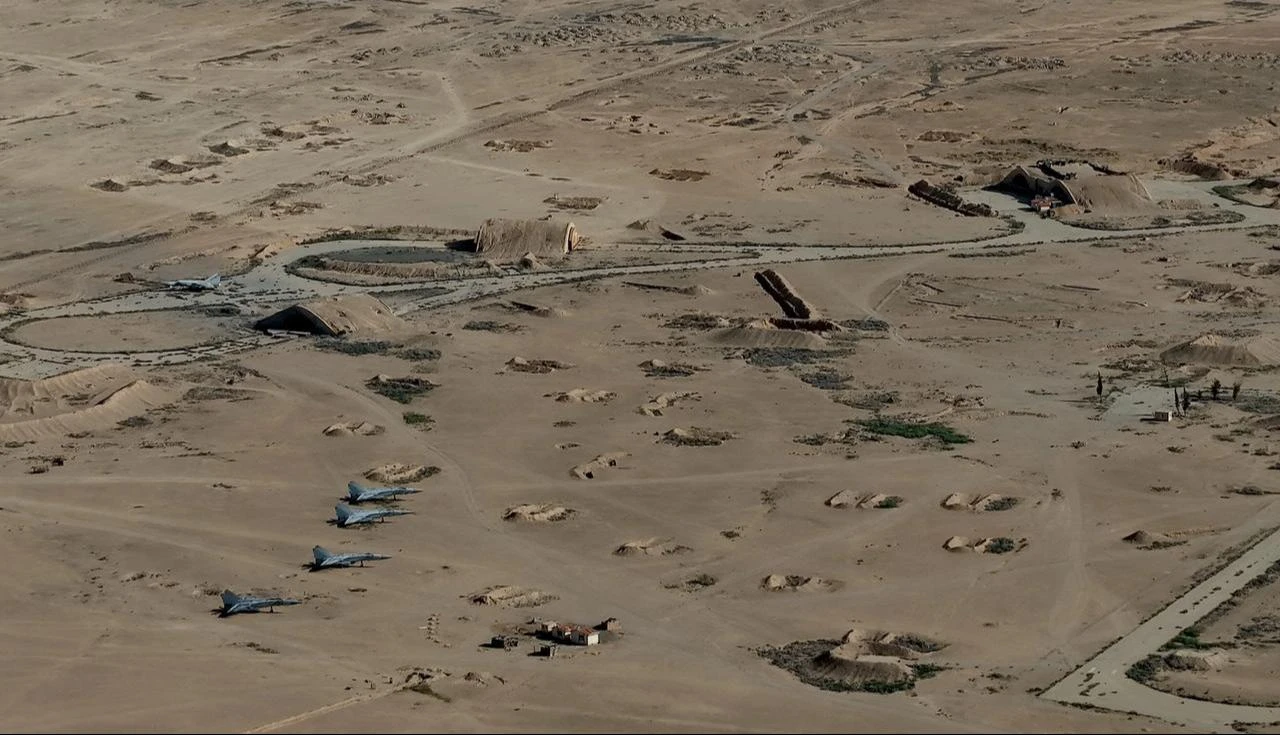
An Israeli aircraft carried out eight airstrikes early Tuesday, Aug. 18, targeting the runway at Abu al-Duhur Military Airbase in the eastern countryside of Idlib in northern Syria, causing material damage to the facility's infrastructure without causing casualties.
Türkiye's Ministry of National Defense said that no Turkish military delegation was present at the airbase before or during the strike.
"We confirm that no Turkish military delegation was present at Syria's Abu al-Duhur Airbase before or during the Israeli attack," the ministry said, responding to reporters' questions following its weekly press briefing.
The strikes damaged runways that had recently been rebuilt, according to Axios. Shaibani also rejected Israel's justification for the strike, saying Damascus had informed Israel beforehand that there were no plans to establish a Turkish base or permanent Turkish military presence at the site.
Shaibani said rehabilitation work at the airbase was intended for the Syrian Air Force and that Israeli officials had been informed of the nature of the work before the attack.
"There was no intention to establish a Turkish base there, nor to establish a permanent Turkish military presence or deploy Turkish forces at the site," Shaibani said in written responses to Axios.


 Set as preferred source
 Set as preferred source


 1 min read
 1 min read