Newsletters


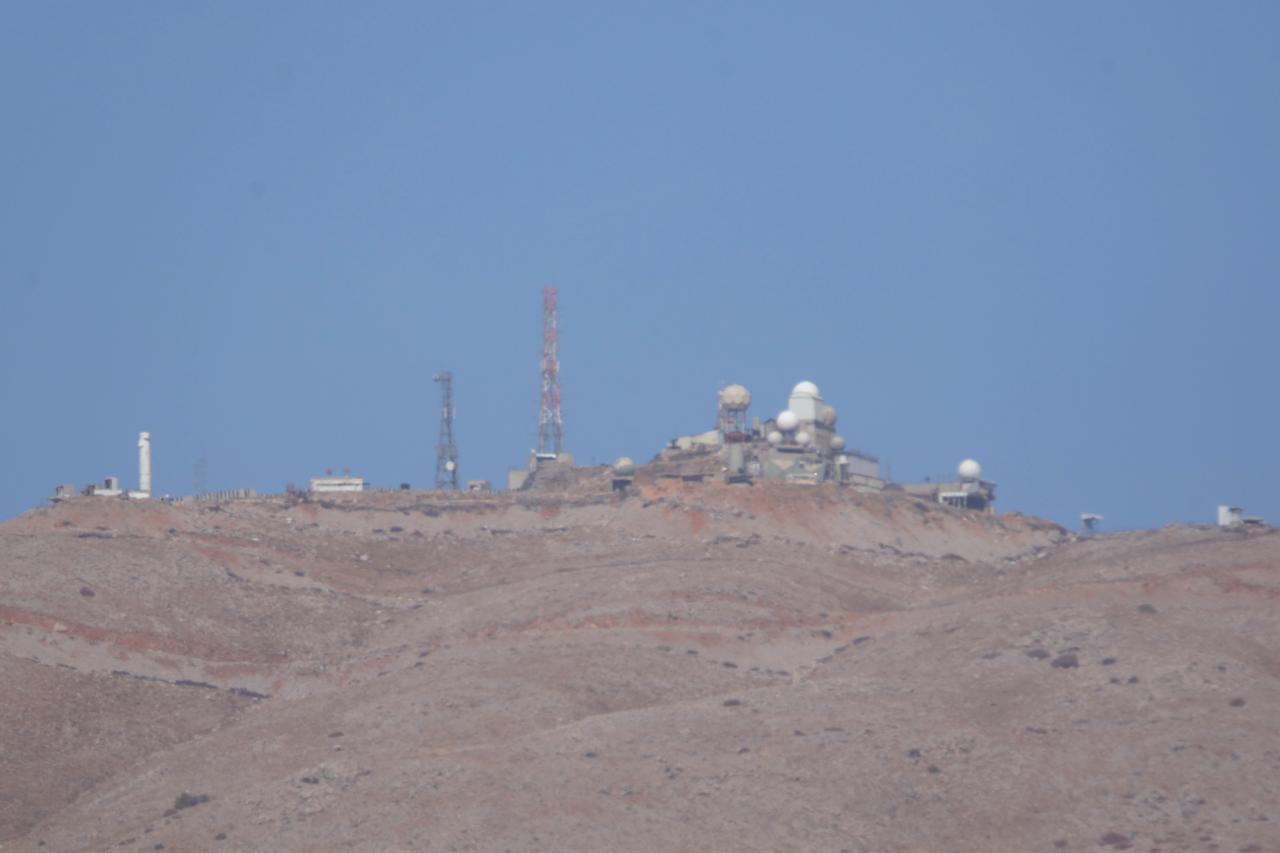


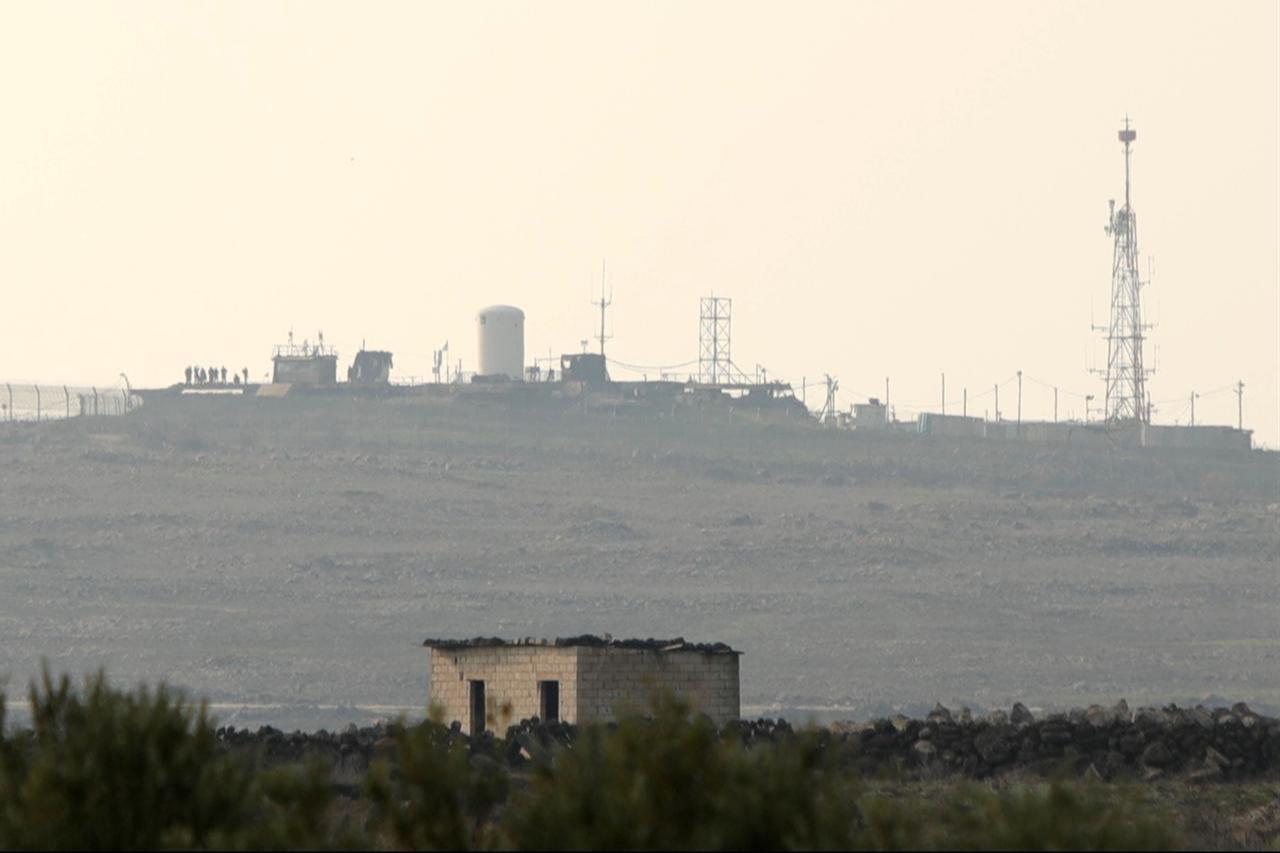
The Israeli army said it killed a man who tried to enter one of its military posts in southern Syria early Monday, as Israeli forces pressed on with raids, detentions and renewed fortification work in the country's south.
"A short while ago, IDF soldiers identified a suspect attempting to infiltrate an IDF post in the Security Zone in southern Syria," the military said, adding that soldiers "fired toward the suspect and eliminated him." No soldiers were injured, it said.
Israel has expanded its military presence in southern Syria since the fall of Bashar Assad in December 2024.
Damascus says the operations violate the 1974 disengagement agreement and Syrian sovereignty.
The army said it would continue operating in the area against threats to Israeli civilians and troops. The man's identity was not disclosed.
Israeli officials have repeatedly said they intend to keep troops in the "security area," where Israel seeks to establish a larger demilitarized zone.
On Sunday, Israeli forces detained a young man outside his home in Al-Hamidiyah in northern Quneitra province while raiding several houses, Syria's Alikhbaria TV reported.
Forces also entered the village of Maariya in Daraa province with more than 15 military vehicles and fired two artillery shells toward the outskirts of the Al-Mantara Dam in central Quneitra, the broadcaster said.
On Monday, Israeli forces blew up an abandoned building during an incursion into agricultural land between Beit Jinn and Mazraat Beit Jinn in the western Damascus countryside.
No casualties were reported.
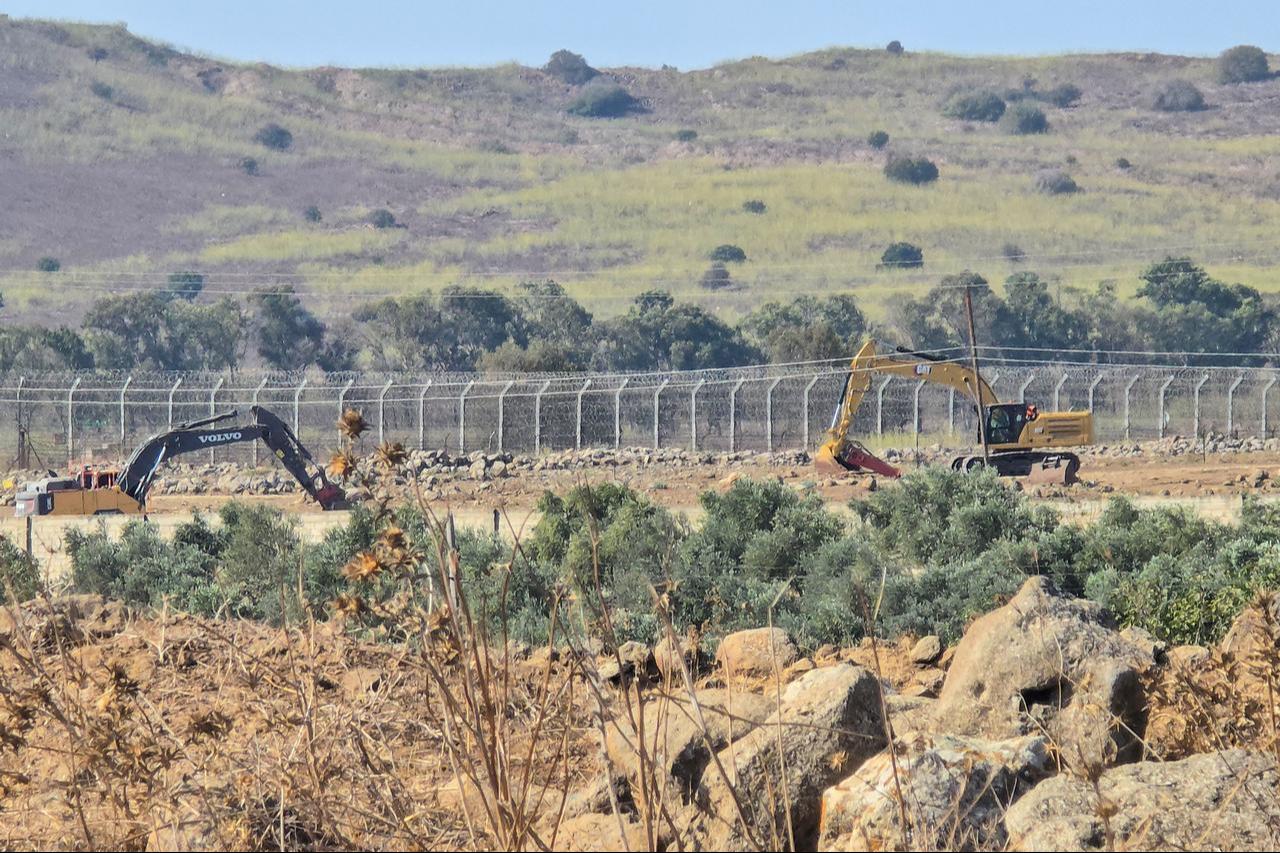

Israeli forces on Sunday also restarted excavation work west of Al-Asha village in Quneitra on a fortification project known as the "Sufa Line," or "Sufa 53."
Israel began the project in mid-2022 near Hadr in northern Quneitra and extended it south. It includes a military road about 8 meters wide (26.25 feet), deep trenches, earth berms up to about 5 meters high and observation posts. Israel says the fortifications are designed to prevent possible attacks by Iran-backed armed groups.
Syrian accounts say Israeli troops have moved 300 to 1,000 meters into the area of separation in some locations as the work expanded.
Local authorities estimate that around 12,000 dunams (1,200 hectares) of land in northern and central Quneitra have been affected.
Jubata al-Khashab Mayor Mohammad Mazen Maryoud said the trenches had disrupted rainwater flows and contributed to soil erosion, hurting farming and livestock.
Syria's Foreign Ministry on Sunday condemned the renewed work as a "flagrant breach" of the 1974 disengagement agreement and a violation of international resolutions, warning that continued Israeli incursions threaten regional security and stability.
Following Assad's fall, Israel declared the 1974 agreement void and seized the demilitarized buffer zone and other positions, including the Syrian side of Mount Hermon.
Damascus has demanded that Israeli forces withdraw to their positions before Dec. 8, 2024, while reaffirming its commitment to the agreement.
Syrian President Ahmad al-Sharaa told the U.N. General Assembly last month that Israel had carried out about 500 airstrikes and artillery attacks, more than 1,200 incursions and about 300 arrests in Syria since late 2024.


 Set as preferred source
 Set as preferred source



 1 min read