Newsletters


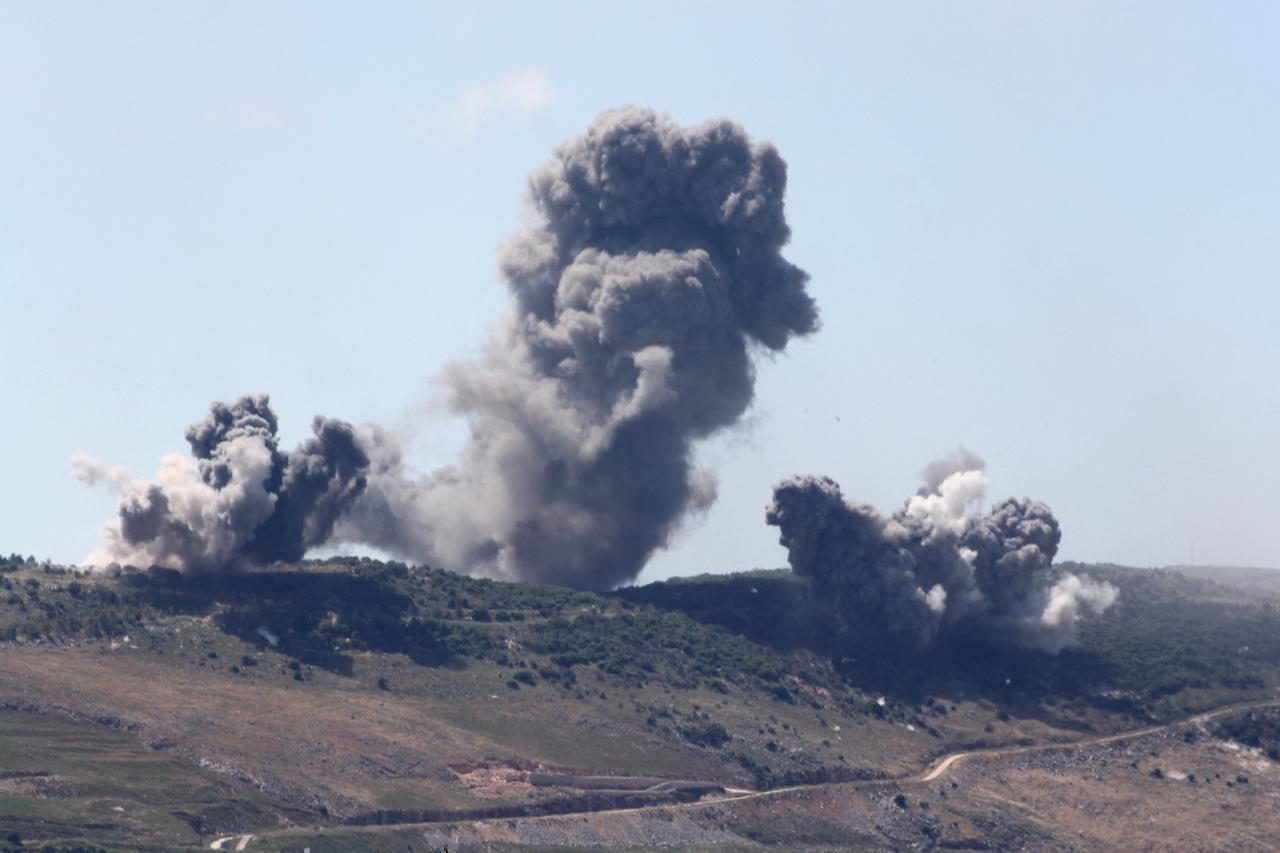
Israel's security cabinet met Sunday amid a bitter internal dispute over how to respond to Hezbollah's escalating drone campaign in southern Lebanon.
Israeli far-right Finance Minister Bezalel Smotrich and Israeli Army Chief of Staff Eyal Zamir both advocated for Beirut strikes, while Israeli Prime Minister Benjamin Netanyahu rejected the approach and demanded defensive technological solutions, Israeli media reported.
Smotrich said publicly, "For every explosive drone, ten buildings must fall in Beirut. Strategic threats cannot be answered with defense alone, but by changing the rules of the game."
He approved a two-billion-shekel ($692 million) budget for drone countermeasures while simultaneously calling for "disproportionate retaliation."
Israeli far-right National Security Minister Itamar Ben Gvir went further, calling on Netanyahu to "bang on Trump's desk" and declare a return to war in Lebanon.
"Electricity to Lebanon must be cut off, the Zahrani must be seized, and intensive warfare resumed," Ben Gvir wrote on X.

Yedioth Ahronoth reported that Netanyahu pushed back directly against Smotrich's proposal in the cabinet session.
"What are you proposing? That every time there's a drone, we bomb ten buildings? And when there's a drone from Gaza we bomb ten buildings in Gaza? And when there's a drone from the West Bank, we bomb ten buildings there? And when a crime family uses a drone, we bomb ten buildings in Ramla?" Netanyahu said, according to Ynet.
Smotrich responded: "Unequivocally yes. Wars are won through deterrence and making the enemy pay a price. Defending ourselves endlessly is October 6 thinking. Draw me a line where you want to stretch the defensive nets across the skies."
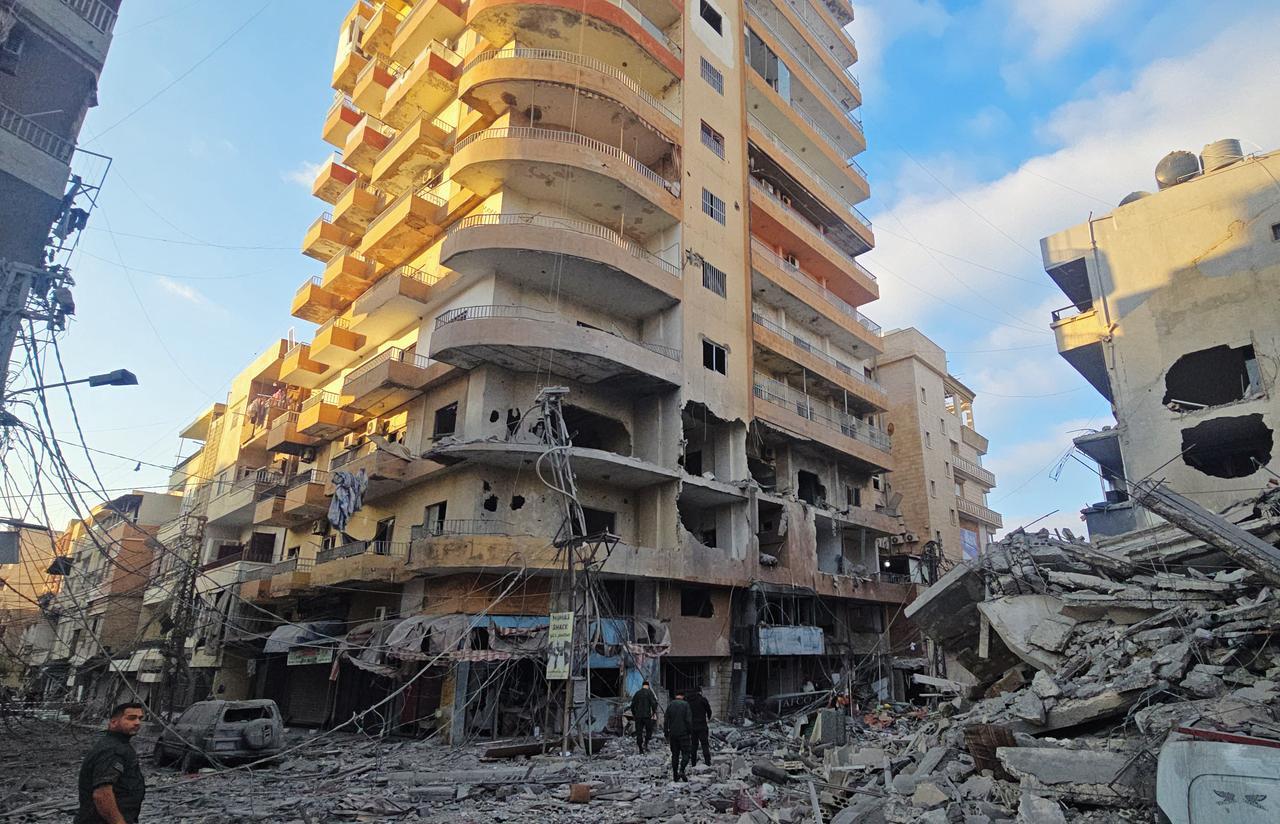
Israeli Army Chief of Staff Zamir separately confirmed the drone threat to the cabinet and said, "You cannot work with tweezers. A different equation must be created that includes striking buildings in Beirut and Tyre to deter," KAN state television reported.
Netanyahu did not approve of any strikes on Beirut, according to the Israeli media report.
The cabinet meeting was informed of the death of 19-year-old Sergeant Nahorai Lazer from Eilat, a combat engineer in the 601st Engineering Battalion of the 401st Brigade, who was killed Sunday afternoon when an armored evacuation vehicle his unit was operating in southern Lebanon took a direct hit from a Hezbollah explosive drone.
Despite the vehicle's installed technological defenses, the blast and shrapnel penetrated and killed Lazer. A second soldier was severely wounded.
Since hostilities began on March 2, the death toll for Israeli forces stands at 24, comprising 23 soldiers and one civilian contractor.
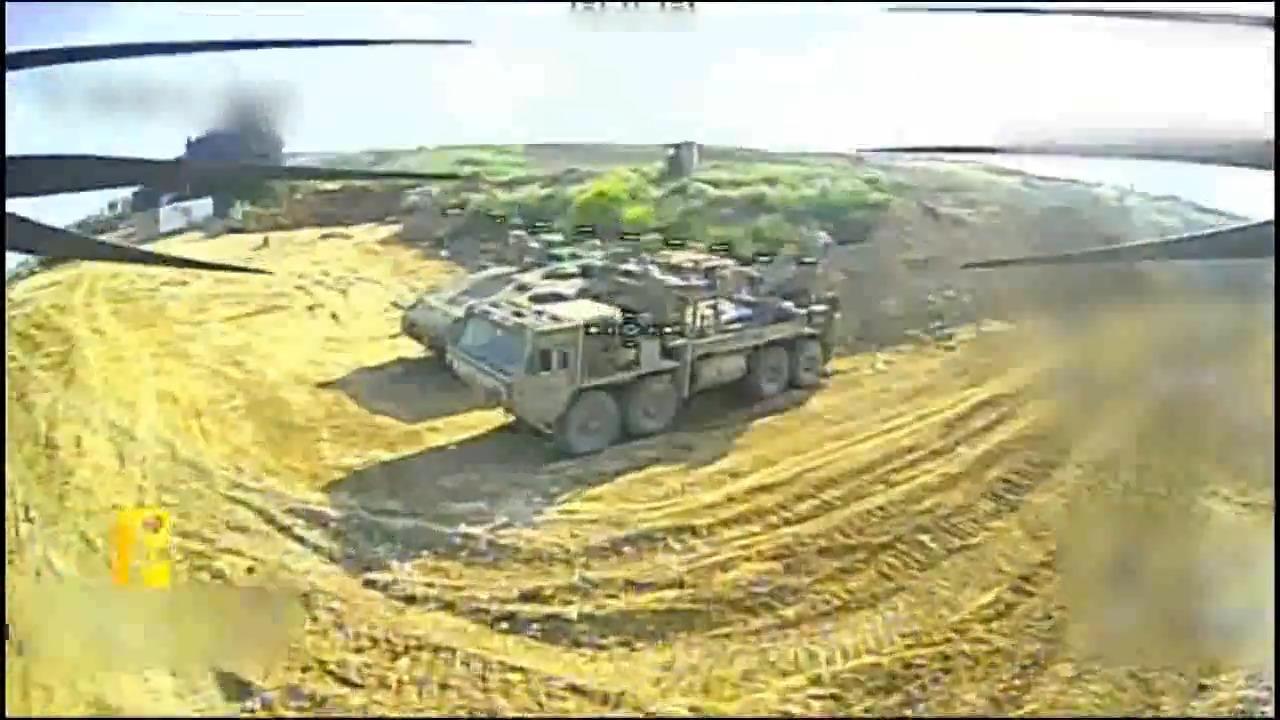
Israeli military analysts and Israeli army officials acknowledged that the fiber-optic first-person view (FPV) drone, which communicates through a physical cable rather than radio or satellite signals, effectively neutralizes Israel's high-tech electronic jamming capabilities.
The threat has evolved from tactical to strategic, forcing changes to Israeli army's ground operations. Heavy equipment has been withdrawn from daytime activity, contractors have been instructed to operate mainly at night, while the pace of building demolition and area clearing in southern Lebanon has slowed.
Hezbollah has adapted its methods, concentrating multiple drones on a single area after intelligence gathering rather than launching them randomly. It has also expanded the range of drone attacks deeper into Israeli territory.
Israeli army commanders told Ynet that neutralizing drone operators directly, through air and ground strikes on Hezbollah's operating cells, was more effective than attempting to detect and intercept already-launched drones, but this has so far achieved only partial success.
Hezbollah also claimed it had upgraded to thermal night-vision FPV drones, releasing footage it said documented nighttime operations. The Israeli army disputed the claim, saying no such capability was known to exist in southern Lebanon, describing the footage as psychological warfare.

Opposition leader Yair Lapid said the April ceasefire was a "farce."
"It is unacceptable that Israeli soldiers and civilians in the north continue to come under fire when Israel's ability to respond is restricted. Either there is a ceasefire or we respond with disproportionate force to every attack against us," he said.
Lebanon and Israel are preparing for a fourth round of U.S.-brokered talks in early June.
Hezbollah chief Naim Qassem has opposed the talks and refused to disarm, while separately calling on Lebanese citizens to take to the streets, stopping short of an explicit call to overthrow the government.
More than 3,100 people have been killed, over 9,500 injured, and 1.6 million displaced by Israeli bombardment in Lebanon since March 2 amid cross-border attacks with Hezbollah, according to Lebanese officials.
Israel has continued to violate a U.S.-mediated ceasefire in Lebanon that was reached in April and was later extended through early July.


 Set as preferred source
 Set as preferred source


 3 min read