Newsletters





Greece's top national security council is expected to approve a €3 billion ($3.42B) procurement package Thursday, July 23, for Israeli-made defense systems under the country's planned "Achilles' Shield" air and missile defense program, according to Greek media outlet Kathimerini.
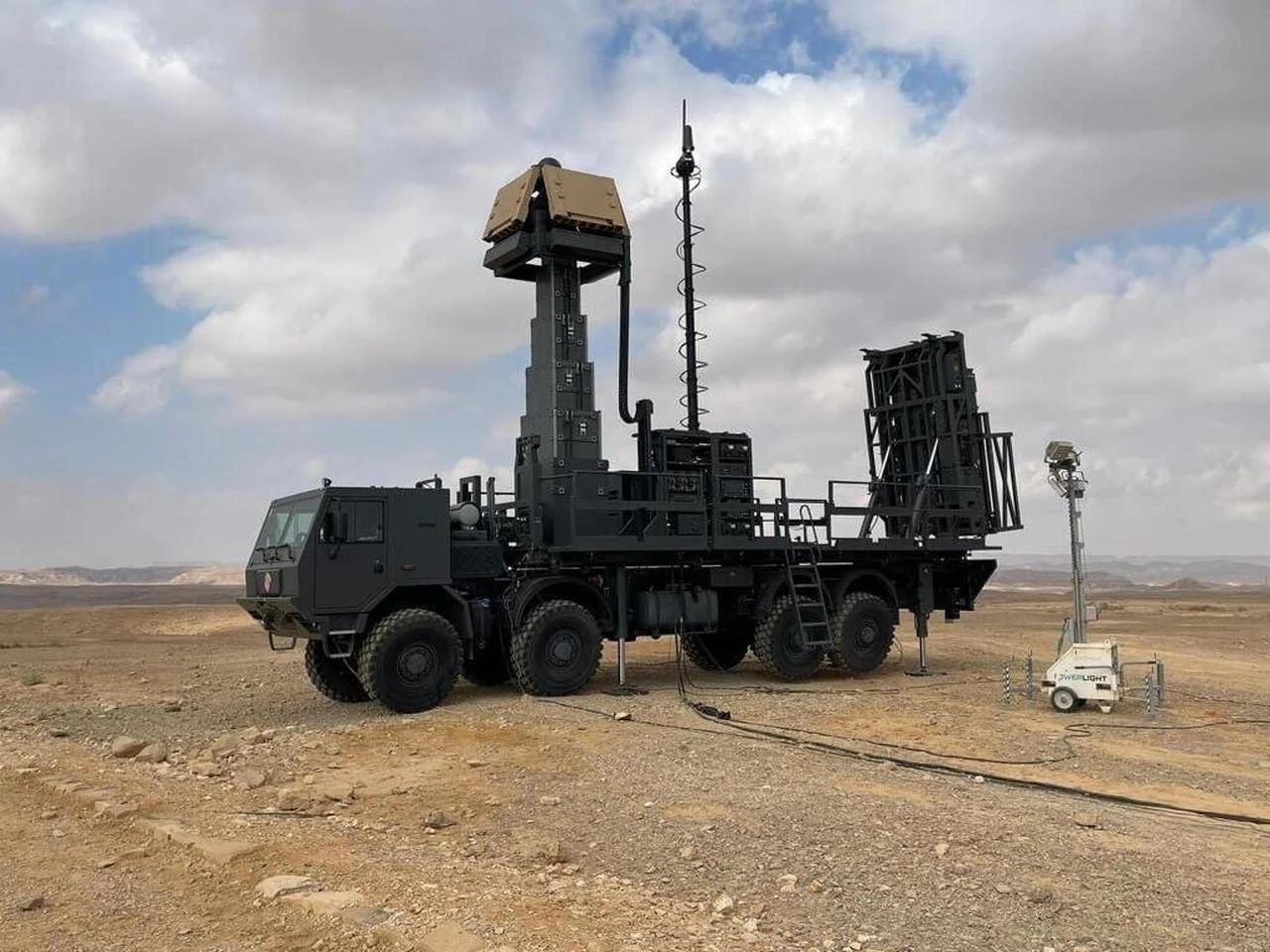
According to the report, the Government Council for Foreign Affairs and Defense (KYSEA) is expected to approve the procurement of three Israeli air defense systems: the Spyder All-in-One and David's Sling systems, both developed by Rafael, and the Barak MX system developed by Israel Aerospace Industries (IAI).
Sources close to the matter told Kathimerini the systems are intended to cover three layers of threats, short-, medium-, and long-range, forming the core of the air and anti-ballistic missile shield planned by Greece's Ministry of National Defense.
Kathimerini reported that Greek companies will be responsible for building the Command and Control Center (C2) that will link all existing and new systems within the Achilles' Shield program.
According to the report, defense ministry officials have worked in recent weeks to finalize domestic industrial participation requirements, expected to exceed 25%, a threshold the ministry has set as a condition for all new procurement programs.

According to sources cited by Kathimerini, KYSEA is also expected to approve the acquisition of V-BAT unmanned systems for army ground surveillance, Heron unmanned aerial vehicles (UAVs) for the air force, Victa submarines for special operations units, and new C-390 Millennium transport aircraft, night-vision goggles, Hellfire AGM-114 missiles, and M660 sonar systems for MEKO-class frigates.
Kathimerini reported that the air force is expected to receive three C-390 aircraft in the near term, reallocated from Portugal's existing order, for approximately €600 million.
The C-390s, alongside Greece's existing C-130 and C-27 fleets, whose availability Kathimerini said is gradually recovering, will form the core of the Greek armed forces' transport capacity.
 1 min read

KYSEA's approval represents the final formal procedural step before implementation begins on what it described as Greece's largest arms procurement program in recent years.
The initiative is intended to protect critical infrastructure on Greek islands and the mainland against a broad range of modern threats, including ballistic missiles, air attacks, autonomous systems and cyber threats.
A senior military source told Kathimerini the program is "a defense project of strategic character that will dramatically strengthen the deterrent capabilities of the Armed Forces."

Following the KYSEA meeting, officials from SIBAT, Israel's defense export cooperation organization, are expected to travel to Athens to sign contracts prepared by Greece's General Directorate of Defense Equipment and Investments (GDDIA).
Following KYSEA's approval, Greek Defense Minister Nikos Dendias is expected to present the architecture of Greece's air and anti-ballistic missile shield.


 Set as preferred source
 Set as preferred source




 1 min read