Newsletters





At least 1,370 doctors left Israel between 2023 and 2025, according to a new Tel Aviv University study, highlighting a deepening brain drain from the country's medical sector following Israeli Prime Minister Benjamin Netanyahu's judicial overhaul and the war that followed the Oct. 7, 2023, attacks.
The findings were published by the Israeli newspaper Haaretz.
The figure represents a 94% increase compared with the equivalent decade-earlier period of 2013-2015, when 705 doctors left, according to the study.
The research was conducted by Prof. Itai Ater of the Coller School of Management, who heads the Economists for Democracy forum; Prof. Nittai Bergman, head of the Berglas School of Economics; and doctoral student Doron Zamir, based on cross-referenced data from Israel's Central Bureau of Statistics, the population registry, and the medical licensing database.
The study classifies doctors as having emigrated if they spent more than 270 days abroad during their first year away and did not subsequently remain in Israel for more than three consecutive months.
Researchers limited the analysis to people who had lived in Israel for at least 3 years before departure in order to exclude immigrants who arrived following Russia's invasion of Ukraine, some of whom have reportedly since left the country.
By year, 416 doctors left in 2023, rising to 530 in 2024, with an initial 2025 estimate of around 419. After accounting for doctors who returned to Israel, the researchers found Israel lost an average of 255 physicians per year during the period, five times the annual average of the previous decade.


Researchers focused particularly on doctors over 45, who have typically completed specialist training and play a central role in training younger physicians.
One in five doctors who left Israel during the three-year period was over 45, compared with one in seven during the previous decade, a trend the study described as "worrying."
Ater said economists had been warning since 2023 about the departure of highly skilled professionals.
"It began in the context of the judicial overhaul and has only worsened since Hamas' October 7 attack, the war, and the disparities between those serving and those not serving (in the military). We economists warned that citizens who can leave would do so. The documents we published seek to determine whether these warnings were justified," Ater told Haaretz.
The departures were particularly pronounced in several specialties. Among ear, nose, and throat, dermatology, and ophthalmology specialists, 6.2% of those working in the fields left the country during the period, 116 physicians, a figure that rises to 9.4% among those under 60. Some 188 surgeons left, representing 6% of all surgeons and 8.8% of surgeons under 60.
Geographically, the Tel Aviv district recorded the highest departure rate, with 5.4% of its doctors leaving, compared with just 1.5% of doctors who lived in West Bank illegal settlements.
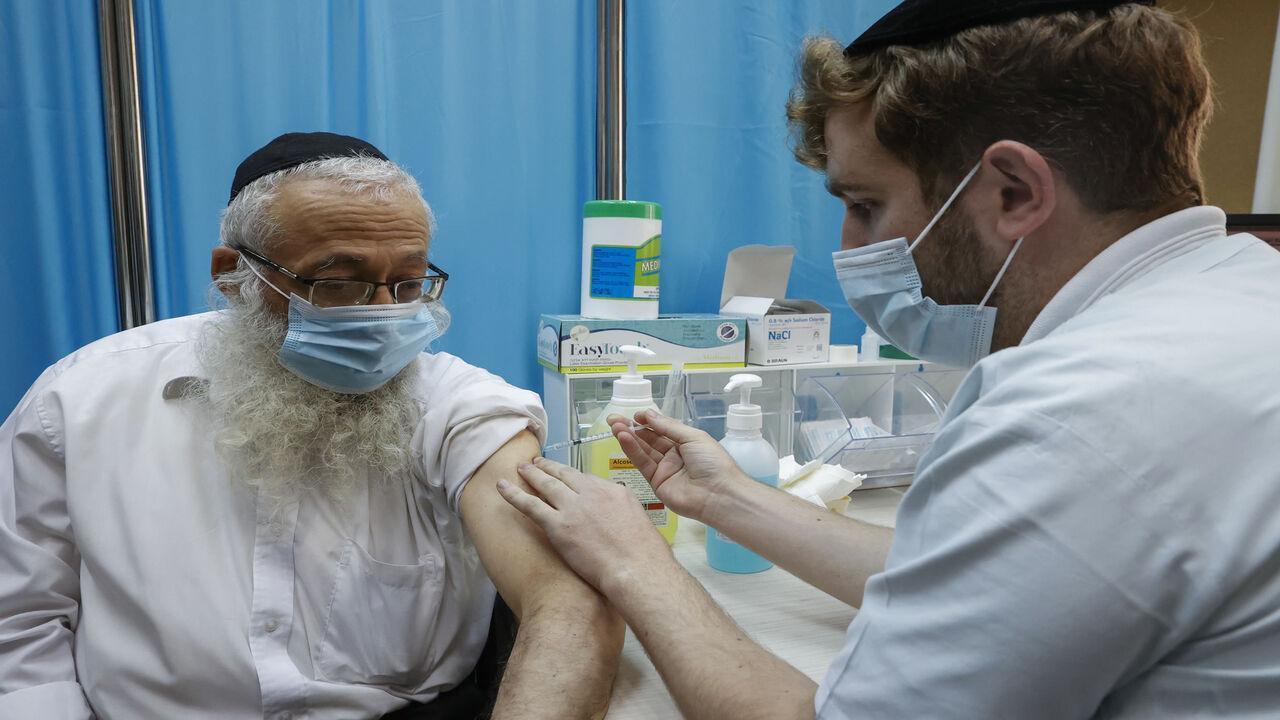
The findings follow a report by Israel's Finance Ministry last week showing that around 24% of specialist doctors in public hospitals are expected to reach retirement age in the coming years. Another 25% have already passed retirement age but continue working amid staff shortages.
Ater said the trajectory, rather than the current situation alone, was the greater concern, warning the trend could worsen depending on the outcome of Israel's general election scheduled for Oct. 27.
"The big question is what will happen after the election. If the trend doesn't change, the numbers we are seeing now will become much more painful," Ater said.
The study adds to the broader signs of rising emigration from Israel.
A separate Tel Aviv University study published in August found that 268,509 Israelis left the country between 2023 and 2025 for at least three months, a figure Israeli public broadcaster KAN described as a record.
Israeli reports have linked the rise in departures to the war, high living costs, and the political crisis surrounding the government's efforts to weaken judicial powers.
A Kantar poll for KAN in August found that around one in five Israelis had considered emigrating over the previous two years, while 12% said the outcome of the upcoming election could affect their decision to remain in the country.


 Set as preferred source
 Set as preferred source



 3 min read