Newsletters


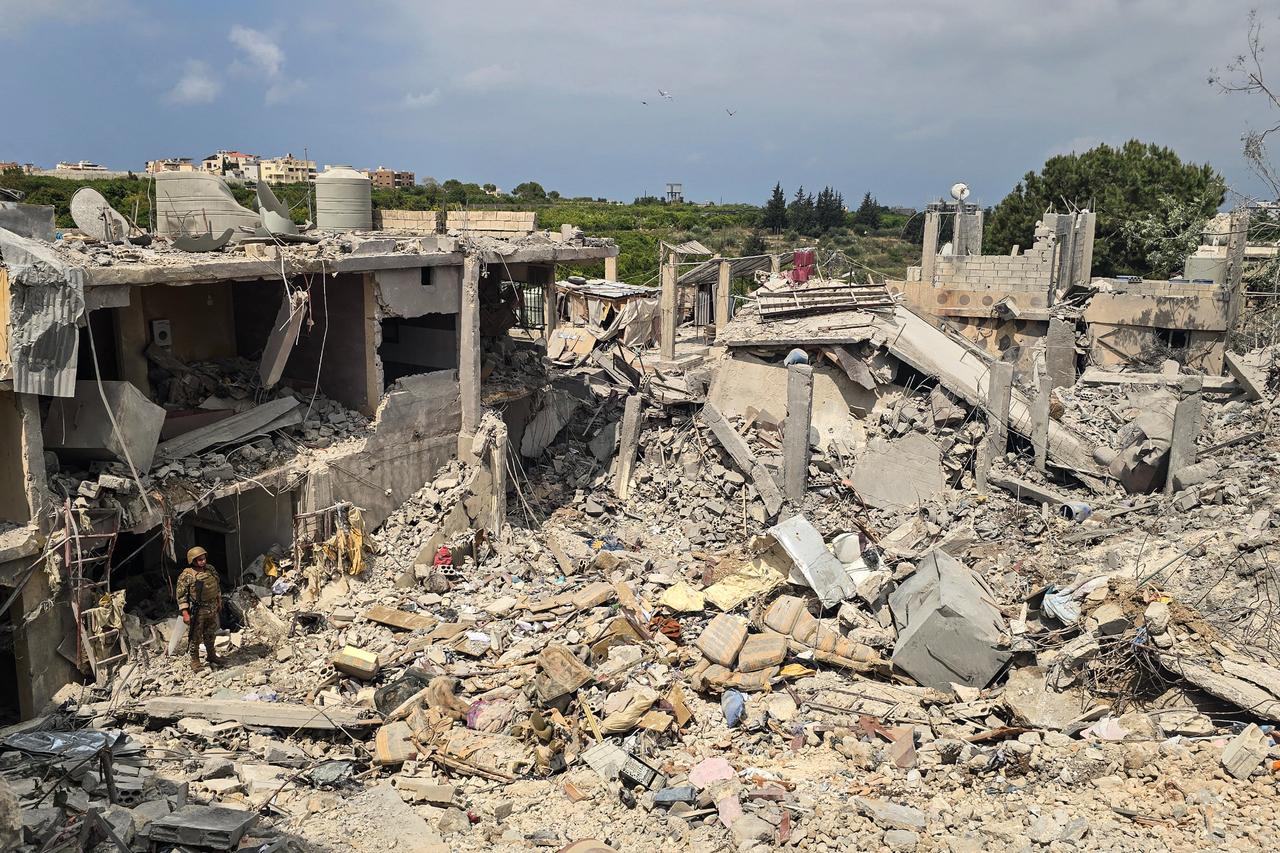


Israeli experts say Tel Aviv has been unable to respond effectively to Hezbollah’s air attacks because of U.S. restrictions, as Israel intensifies strikes on southern Lebanon and Hezbollah increases its attacks in response.
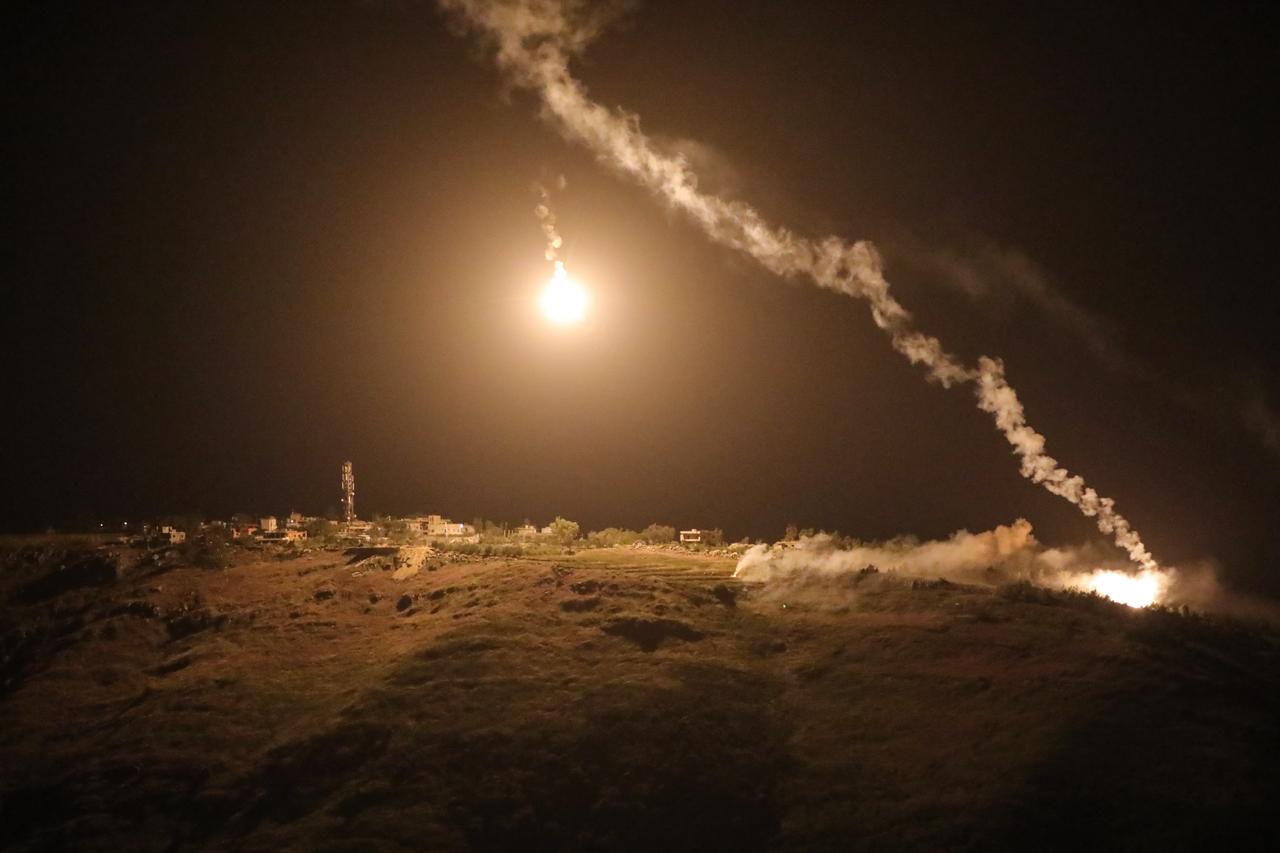
The Israeli army has recently stepped up airstrikes on southern Lebanon, while Hezbollah has also increased its attacks. Israeli experts, pointing to the rise in activity, said Tel Aviv has been limited in its response because it is waiting for U.S. approval.
Israeli public broadcaster KAN, citing an unnamed Israeli military official, reported that the army had submitted plans to expand operations to “break the equation with Hezbollah,” but was largely hesitant because of verbal commitments to the U.S. and the Lebanese government.
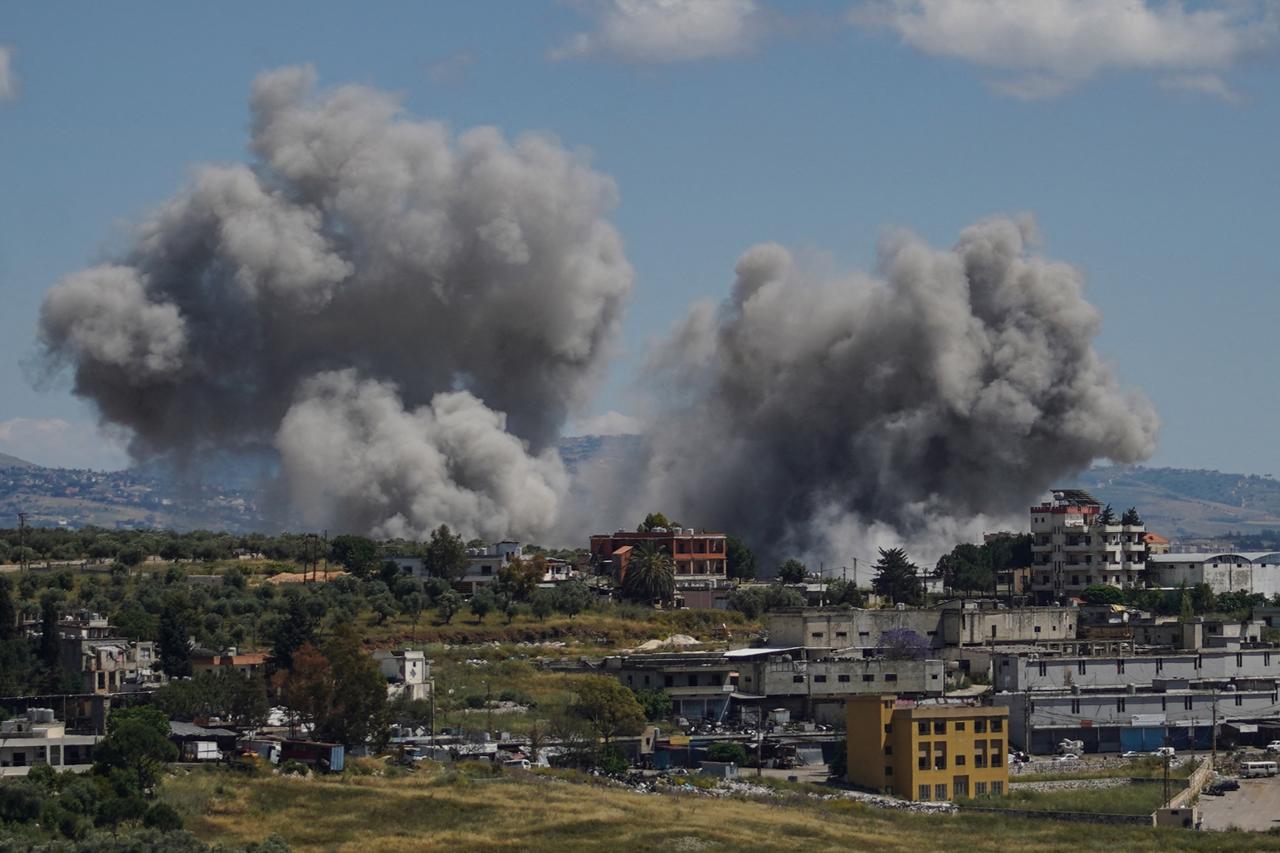

Haaretz military analyst Amos Harel wrote that the recent increase in attacks by both sides was linked to the possibility of a ceasefire agreement between the U.S. and Iran.
Harel said the prospect of a cease-fire pushed both sides to increase attacks before the fighting ends in an effort to improve their conditions.
He argued that the Israeli army had become “stuck” after entering about 10 kilometers into Lebanon and was facing a growing threat from Hezbollah’s armed drones, which have disrupted daily life in northern Israel.
“Israel has no real solution to Hezbollah’s air attacks,” Harel wrote.
Harel also said U.S. restrictions on Israeli attacks in Lebanon had been partially eased, but Washington still barred Israel from targeting Beirut, except for assassinations of senior Hezbollah leaders.
Maariv columnist Ben Caspit said Hezbollah was moving freely, increasing its attacks and making Israel pay a heavy price, while Tel Aviv waited for U.S. approval.
“Our national security is in their hands,” Caspit wrote, criticizing Israel’s dependence on U.S. decisions.
“Israel has never experienced such a situation before, in which it had to obtain U.S. approval to conduct military operations during a war while its soldiers and citizens were under constant bombardment,” he said.
Israeli daily Yedioth Ahronoth reported that Prime Minister Benjamin Netanyahu and Defense Minister Israel Katz acknowledged during a Security Cabinet meeting that Israel had not targeted Beirut because of a “U.S. veto.”
During the meeting, Netanyahu said Israel had no restrictions on operating in Beirut, adding that Israel had recently carried out an operation there.
Katz, however, said Washington was the reason Israel had been unable to respond to drone attacks by striking Dahiyeh.
“Our equation was this: If there is a drone attack, we bomb Dahiyeh. But the Americans are preventing this, and they are our partner,” Katz said.
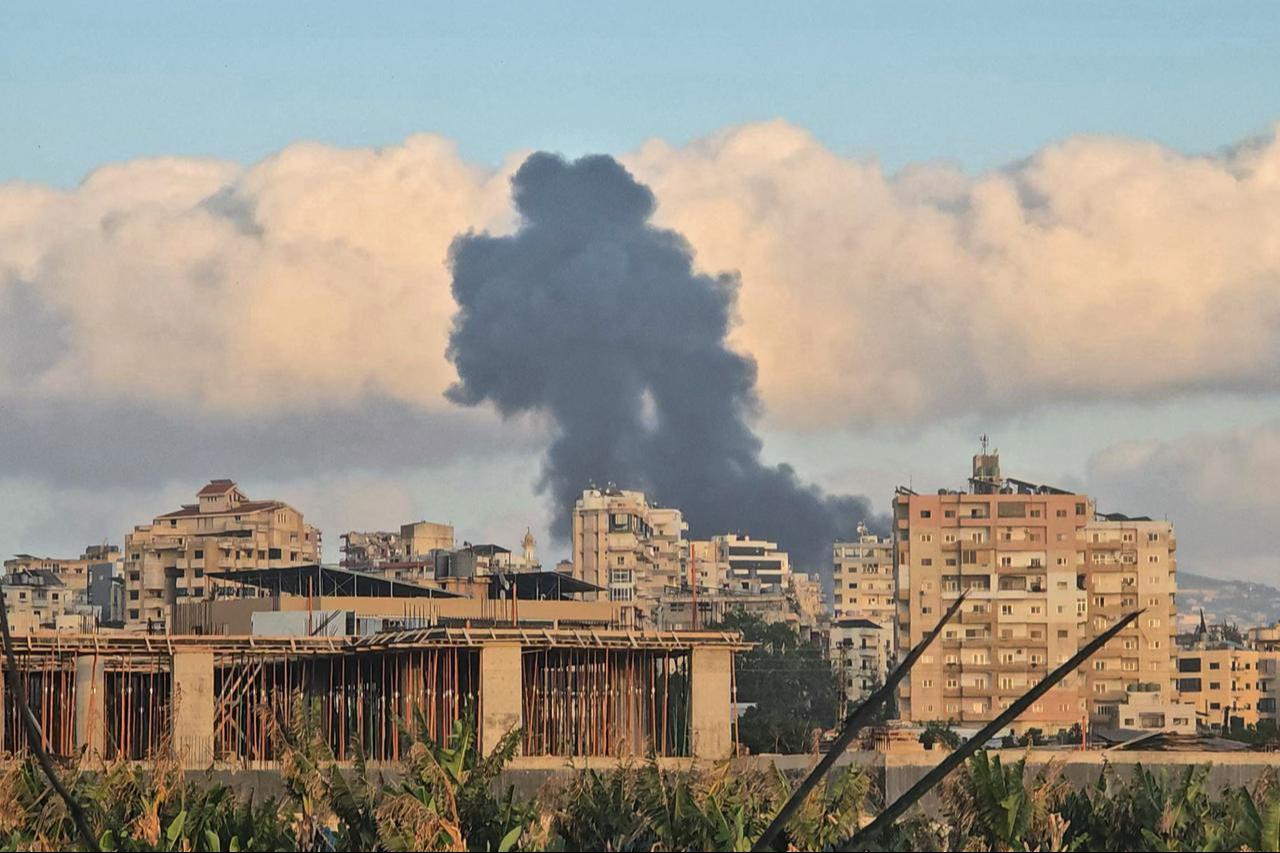
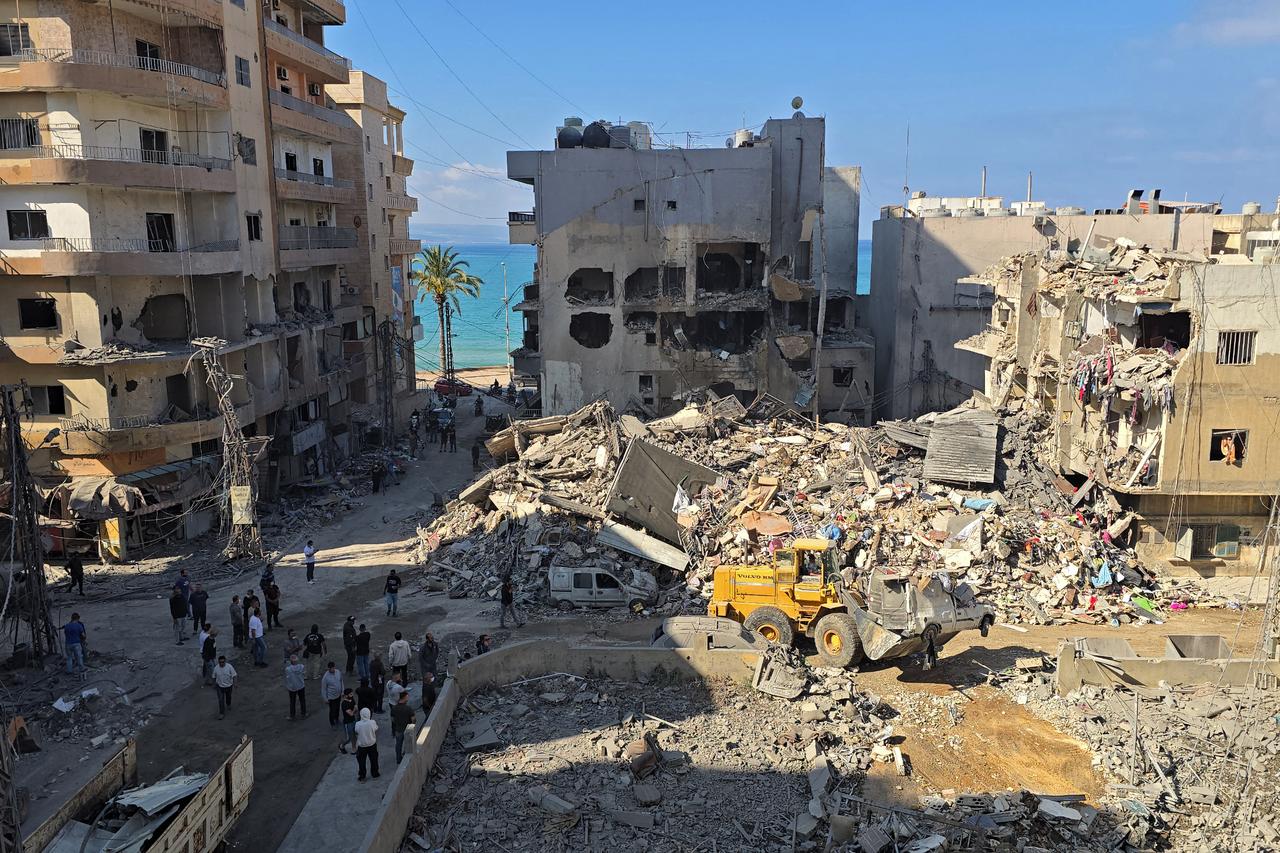
The Israeli army launched intensive airstrikes on Lebanon on March 2 and occupied several towns in the country’s south.
The Lebanese government said the number of displaced people in the country exceeded 1 million during that period.
U.S. President Donald Trump announced on April 24 that a 10-day temporary cease-fire between Lebanon and Israel, which came into effect on April 17, had been extended for another three weeks.
After the third round of U.S.-mediated talks between Lebanon and Israel on May 14-15, the cease-fire was extended for 45 days starting May 17, with a fourth round of talks planned for early June.
Lebanon’s Health Ministry said Tuesday that 3,213 people had been killed in Israeli attacks on the country since March 2.
Despite the cease-fire, the Israeli army has continued attacks and home demolitions in southern Lebanon, while Hezbollah has carried out attacks on Israeli forces, citing ceasefire violations.


 Set as preferred source
 Set as preferred source


 1 min read

 1 min read