Newsletters


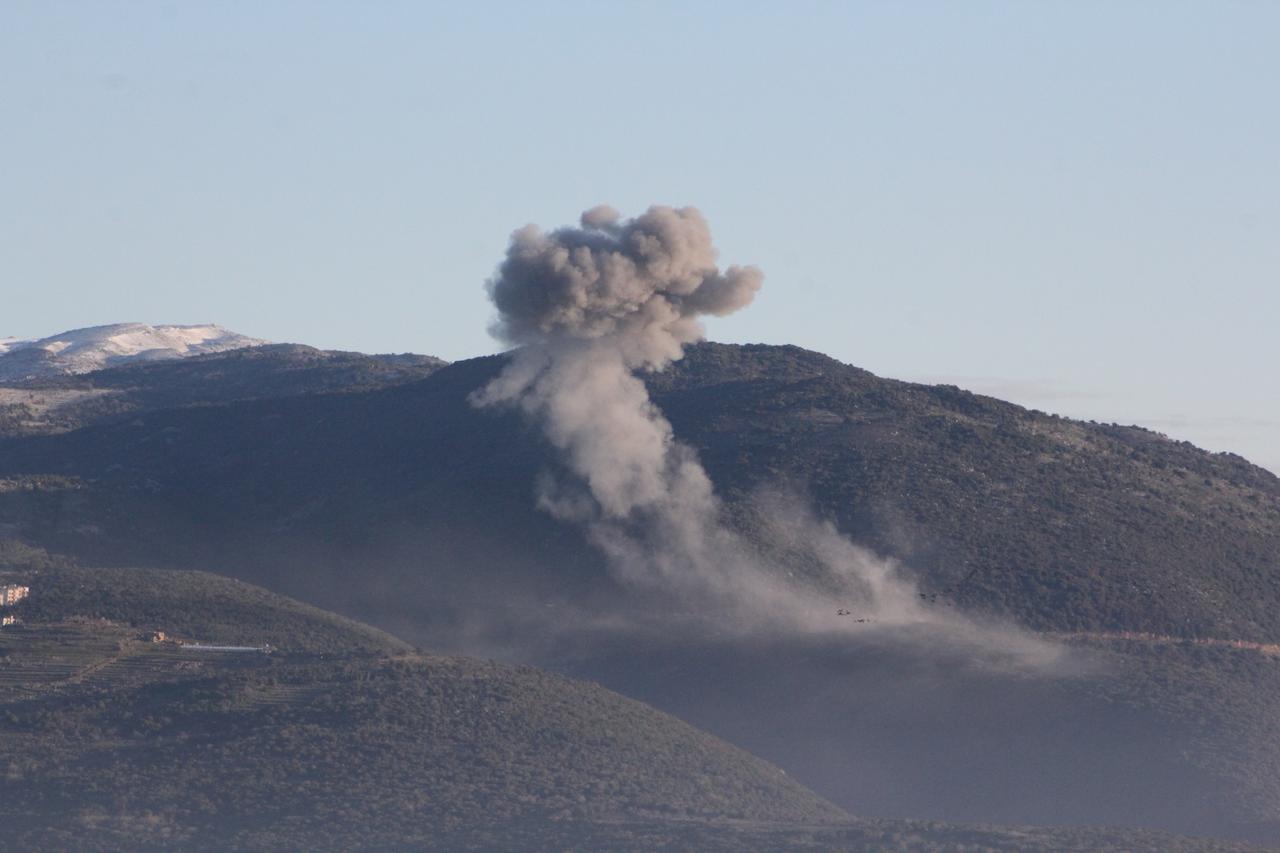


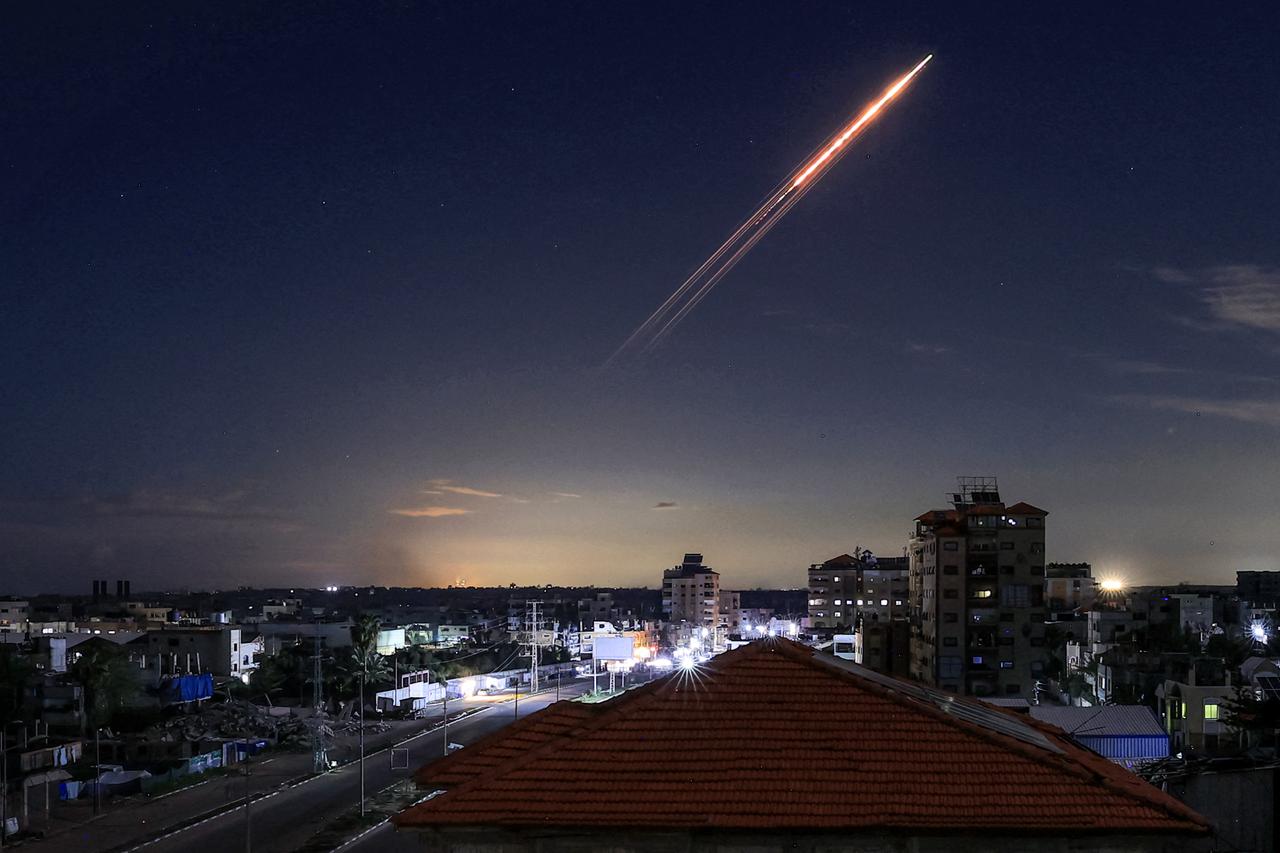
The Israeli army launched a wave of airstrikes across Lebanon early Monday after intercepting a rocket fired from Lebanese territory, saying additional projectiles fell in open areas without causing injuries or damage.
The Lebanese Health Ministry announced that 20 people were killed in Beirut's Dahiyeh district and 11 in the south during Israeli strikes. The statement noted that 91 people were injured in Dahiyeh and 58 in the south.
The U.S. and Israel launched intensive military operations against Iran on Feb. 28, 2026. Israel killed Iran's Supreme Leader Ali Khamenei with military strikes on the first day of the military operation in the country's capital, Tehran.
The Israeli army warned residents of 53 villages in southern Lebanon and the Bekaa Valley to evacuate and stay 1 kilometer (0.62 miles) away ahead of planned attacks.
Israeli media earlier reported that the Lebanese Hezbollah group launched rockets toward northern Israel, describing it as the first such attack since a ceasefire agreement. Channel 12 said around six rockets were fired in the barrage.
Hezbollah later claimed responsibility for launching rockets and drones from southern Lebanon toward northern Israel, saying the attack targeted an Israeli missile defense site near Haifa.
In response, the Israeli army began a wave of airstrikes in Lebanon, Channel 12 reported, citing the military as saying that the strikes were carried out “in response to rocket fire toward northern Israel.”
The army said in a statement that it targeted “senior Hezbollah members” in Beirut and a “key operative” in southern Lebanon.

Lebanon’s president condemned Israeli strikes on Lebanese territory Monday following rocket attacks from Hezbollah, according to an official statement.
Joseph Aoun said the firing of rockets from Lebanese soil "targets all the efforts and initiatives the state has undertaken to keep Lebanon away from the dangerous military confrontations taking place in the region."
In the statement received by Anadolu, he emphasized that "the Lebanese state has repeatedly warned of the consequences of regional escalation on the country and has called for prudence and responsible action guided by the national interest."
Aoun also warned that "persisting in using Lebanon once again as a platform for wars we have no part in will expose the country to new risks."
He stressed that the responsibility for any consequences "falls on the parties that ignored repeated calls to maintain security and stability," noting that "this is something the Lebanese state will not allow to happen again, nor will the Lebanese people accept it," in reference to previous confrontations between Israel and Hezbollah.
 1 min read
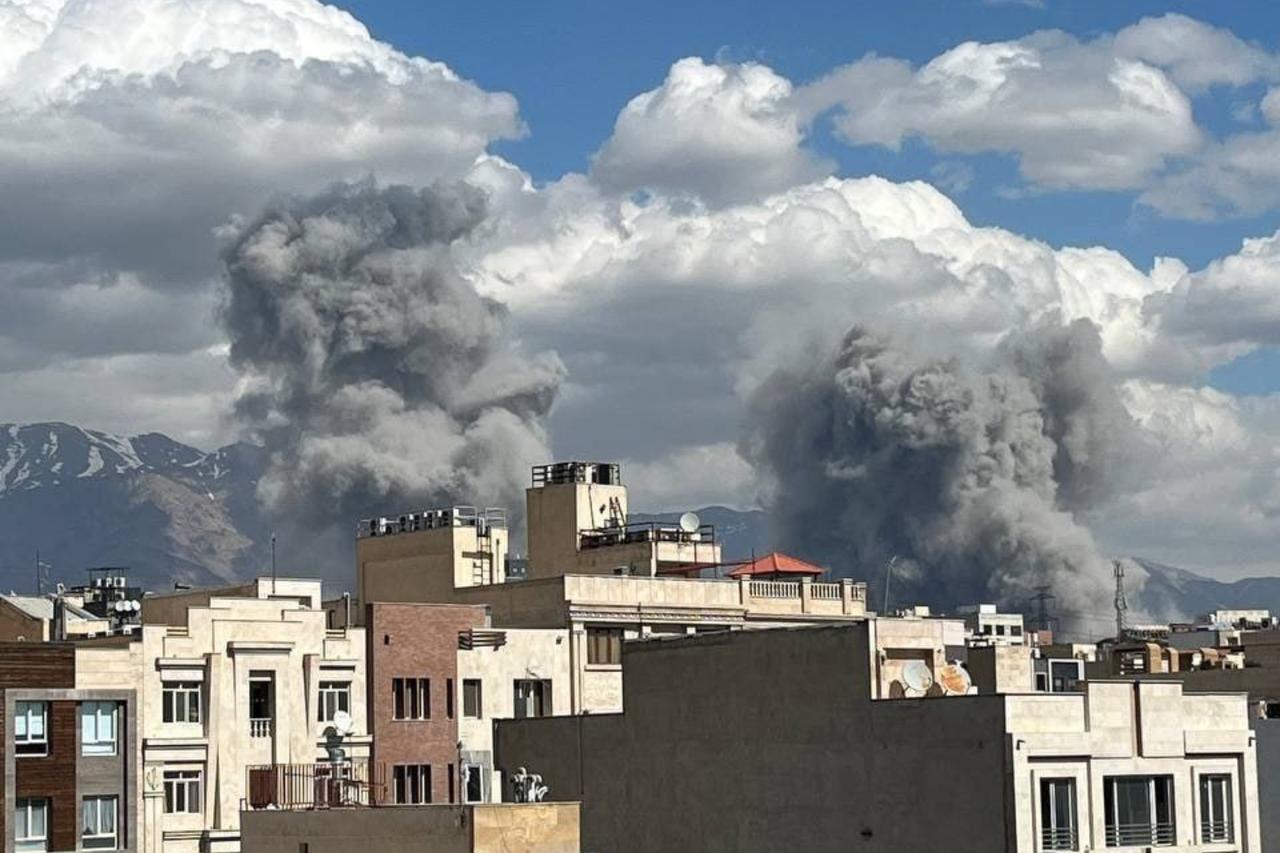
An Anadolu correspondent reported that a heavy Israeli airstrike struck the town of Srifa in southern Lebanon while two additional strikes hit the Al-Salihiya neighborhood in Nabatieh, causing massive destruction and fires in buildings and vehicles.
Israeli airstrikes also targeted the outskirts of al-Shahabiya and Deir Qanoun al-Nahr in southern Lebanon, according to the correspondent.
Earlier, an Israeli airstrike targeted Beirut’s southern suburbs, causing extensive damage, witnesses said.
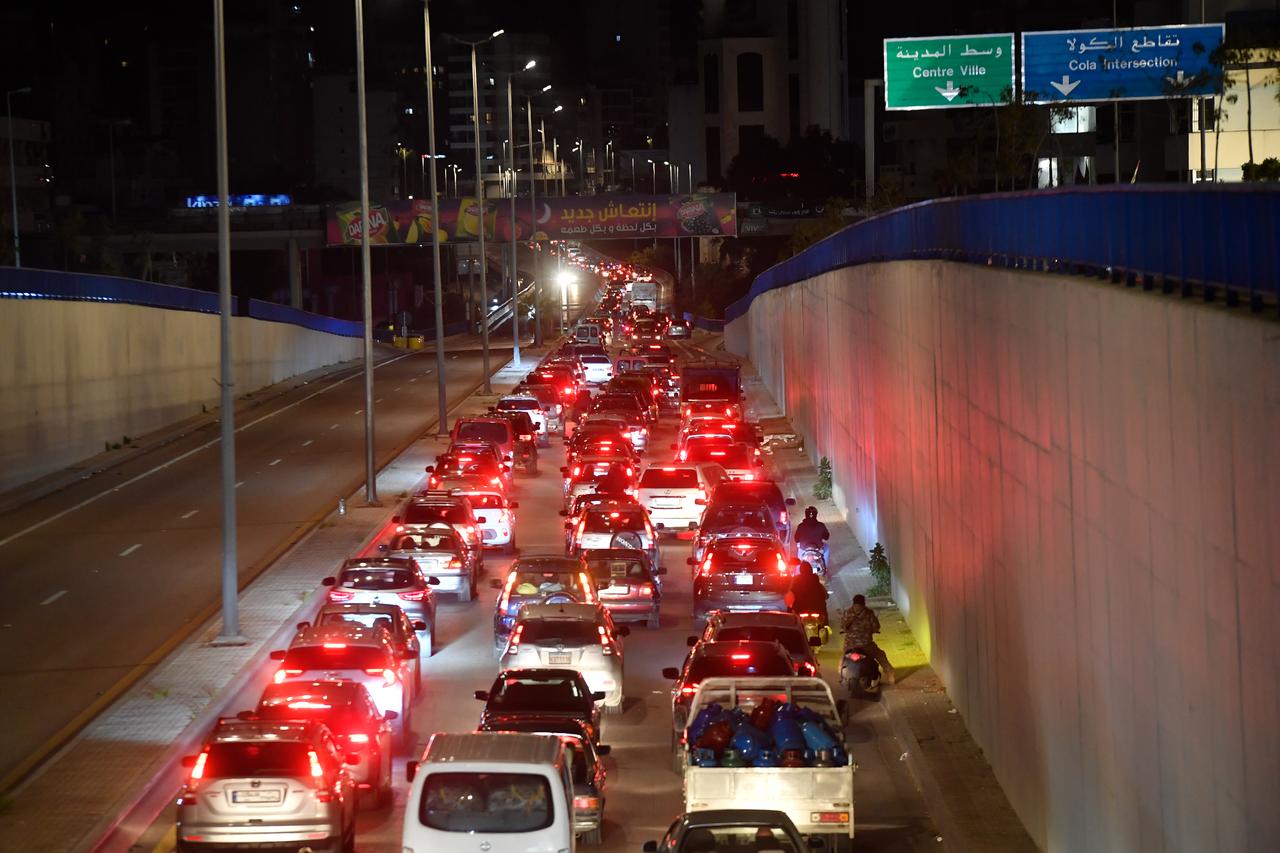
The correspondent also reported displacement from Beirut’s southern suburbs and parts of southern Lebanon toward central Beirut and Mount Lebanon following a series of heavy airstrikes.
Lebanese Prime Minister Nawaf Salam said Monday that rocket launches from southern Lebanon were an “irresponsible and suspicious act” that endangers the country’s security and provides Israel with pretexts to continue its attacks.
Salam said those responsible for the launches are threatening Lebanon’s safety and stability, stressing that the country “will not allow itself to be dragged into new adventures.” He added that authorities would take all necessary measures to identify those responsible and protect the Lebanese people.


 Set as preferred source
 Set as preferred source



 1 min read