Newsletters


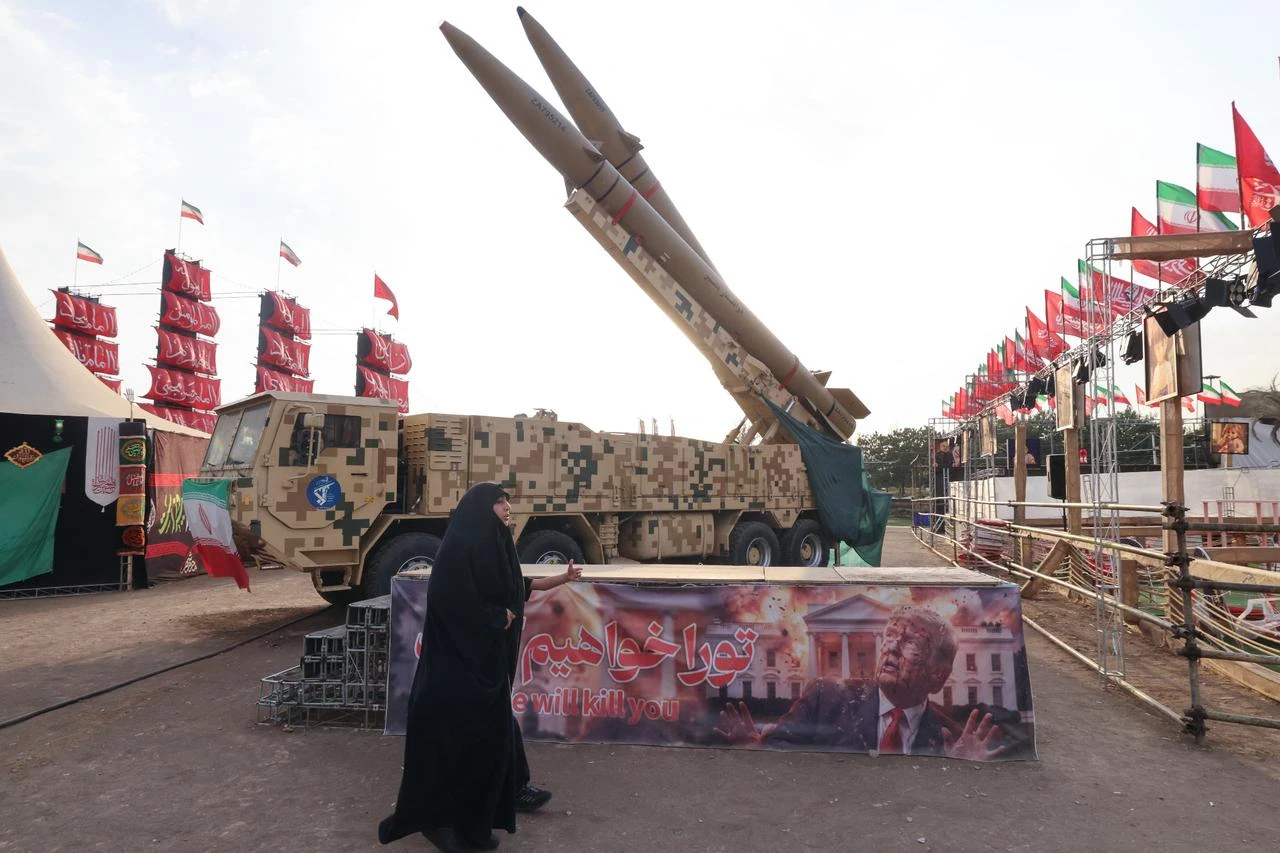


Israeli defense officials have been shocked by the speed of Iran's military recovery following the early-2026 war, The Jerusalem Post reported, citing sources familiar with the assessments.
The surprise extends to both the Israeli army and Mossad, though the military served as the lead evaluator of the damage inflicted on Iran's defense sector.
The Post reported that this marks the third time the Israeli army has been caught off guard by the pace of Iranian recovery, following similar episodes in October 2024 and January 2025.
Numerous media reports have challenged specific aspects of Israel's narrative of setting back Iran's military-industrial complex, dating to as early as March, but apolitical Israeli army experts held for months that even if individual claims were inaccurate, the overall assessment of a years-long setback remained valid.
Four months after the main war ended in April, the Israeli army is now seeing what the Post described as a "stunningly speedy" turnaround it did not expect, not confined to one area but spanning many, including the ballistic missile threat, according to sources cited by the newspaper.
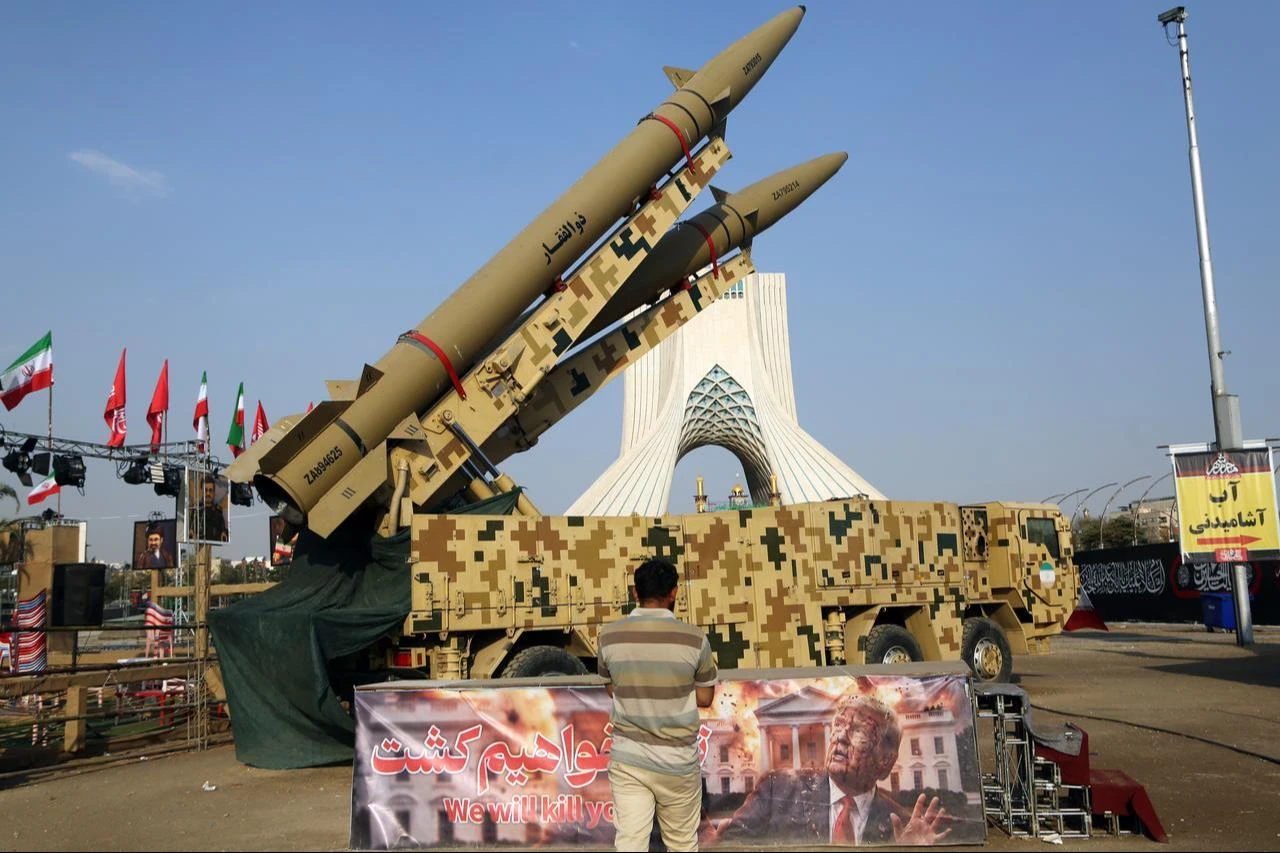

After striking 20 critical ballistic missile and industrial military targets in Iran in October 2024, the Israeli army claimed it had set back Iranian missile production by a year or more.
By early 2025, the Israeli army had already found that Iran had fully recovered its high-speed missile production pace, prompting the military to move up a planned fall 2025 attack to June 2025.
After striking around 100 missile and industrial targets in June 2025, the Israeli army said it had found the formula to set back Iran's missile production by multiple years, citing the fivefold increase in targets struck and a far larger volume of munitions dropped.
Yet Iran again found ways to recover high-speed missile production, surprising the Israeli army once more.
What was estimated at around 1,300 missiles in June 2025 had grown to 2,500 by February of this year.
Finally, the Israeli army and the U.S. said together they had achieved their goal during the roughly 40-day war in 2026, during which more than 2,600 missile and industrial military targets were struck, and the U.S. and Israel collectively attacked Iran around 30,000 times, a 26-fold increase over 2025 and more than a hundredfold increase over 2024.
Israeli army officials told the newspaper that every large and small part of Iran's military industry had been shattered.
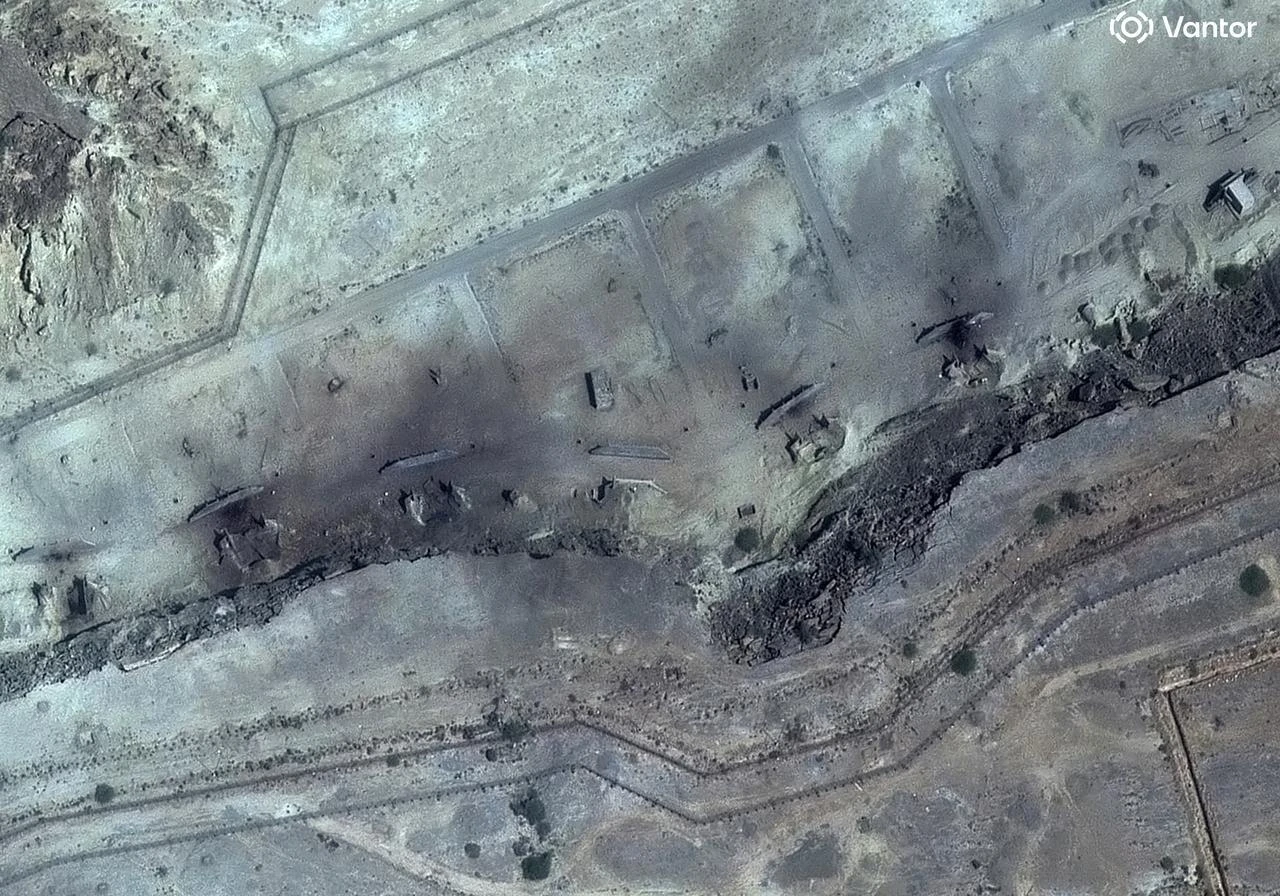
The lesson the Israeli army drew from each of the three rounds was not that Iran could find shortcuts to rapidly rebuild specific weapons systems while leaving other parts of the country devastated, but rather that a larger number of specific targets needed to be struck.
Top Israeli defense officials are now acknowledging, however, that Iran has found innovative ways to focus on rebuilding missile and other prioritized capabilities even while large parts of the country remain in ruins.
The New York Times (NYT) had previously reported that Iran successfully used bulldozers to reopen covered underground missile facilities much faster than Israel anticipated, though the Post noted that it only restores access to weapons that were never destroyed, merely blocked.
The Post said it independently confirmed statements from senior Iranian officials indicating the country is now producing new weapons again at a much faster pace than expected.
Until now, debate had centered on whether Tehran retained closer to 500 or 1,000 long-range missiles capable of hitting Israel after this year's war.
That question mattered under the assumption that Iran would be stuck with its existing stockpile for years, since its production capabilities had been largely destroyed. With new information suggesting Iran can rebuild ballistic missiles quickly, the Post said the debate over how many missiles Iran retained has become less significant than the pace at which it is rebuilding.
If Iran can return to manufacturing 100 to 300 missiles per month, it could restore its arsenal to June 2025 levels by early to mid-2027 and could become what the Post described as a "prohibitive threat" by 2028.
Even at a slower pace, the newspaper said, steady progress means Iran's ballistic missile threat could return within a couple of years.
The Israeli army responded to the Post's report with a statement: "Throughout the war, the IDF substantially harmed a diverse range of central components relating to Iran's military capabilities, thereby harming both the capabilities of the regime to utilize portions of its capabilities and the ability to rehabilitate them at the same scope and pace which existed before the war."
"Since then, the IDF has closely and continuously followed the Iranian efforts to rehabilitate and to newly rebuild their capabilities. The IDF's evaluation and situation assessments are constantly updated and brought in line with actual developments," the statement continued.
The Israeli military added that it could not provide specific evaluations regarding the pace of Iran's rehabilitation efforts.
"From the nature of the issues at hand, it is not within our ability to specify concrete evaluations regarding the pace of the rehabilitation, because giving such specifics could expose IDF sources and methods. The IDF will continue to analyze developments and to be prepared accordingly," the Israeli army said.


 Set as preferred source
 Set as preferred source


 2 min read
 1 min read