Newsletters




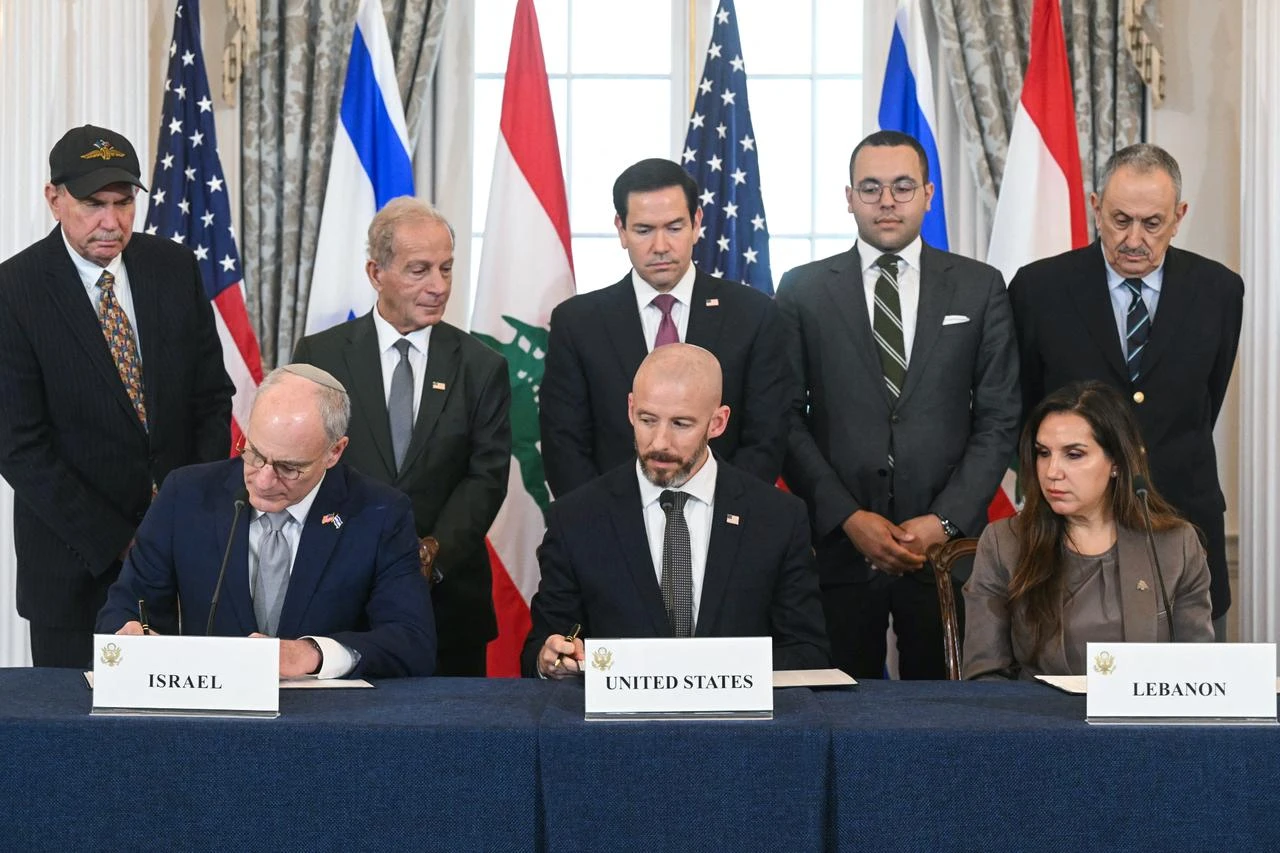
Lebanese President Joseph Aoun said Friday that a framework agreement signed with Israel "does not legitimize the continued Israeli occupation of Lebanon," but instead aims to empower the Lebanese army to extend its authority across the country.
Aoun made the remarks during a meeting with a delegation from the Association of Lebanese Universities, the Lebanese Order of Physicians and the Lebanese Maronite Order, according to a statement from the presidency.
"The framework formula does not legitimize the continued Israeli occupation of Lebanon, but provides for empowering the Lebanese army to extend its control over all Lebanese territory," Aoun said.
"No one questions the role of the army, and it will fully assume its responsibilities in achieving security and stability in the south after the withdrawal of Israeli forces," he added.

Aoun said Lebanon's decision to separate its own path from the Iranian-U.S. track had created objections from some sides.
"Our sovereign decision to separate our track from the Iranian-U.S. track is a problem for some who have become accustomed to being under guardianship that controls us, decides for us and negotiates on our behalf," Aoun said.
The president said the deal was designed to strengthen the Lebanese army's role, rather than recognize any continued Israeli presence in the country.
He said the army would be responsible for security and stability in southern Lebanon after Israeli forces withdraw.
 1 min read
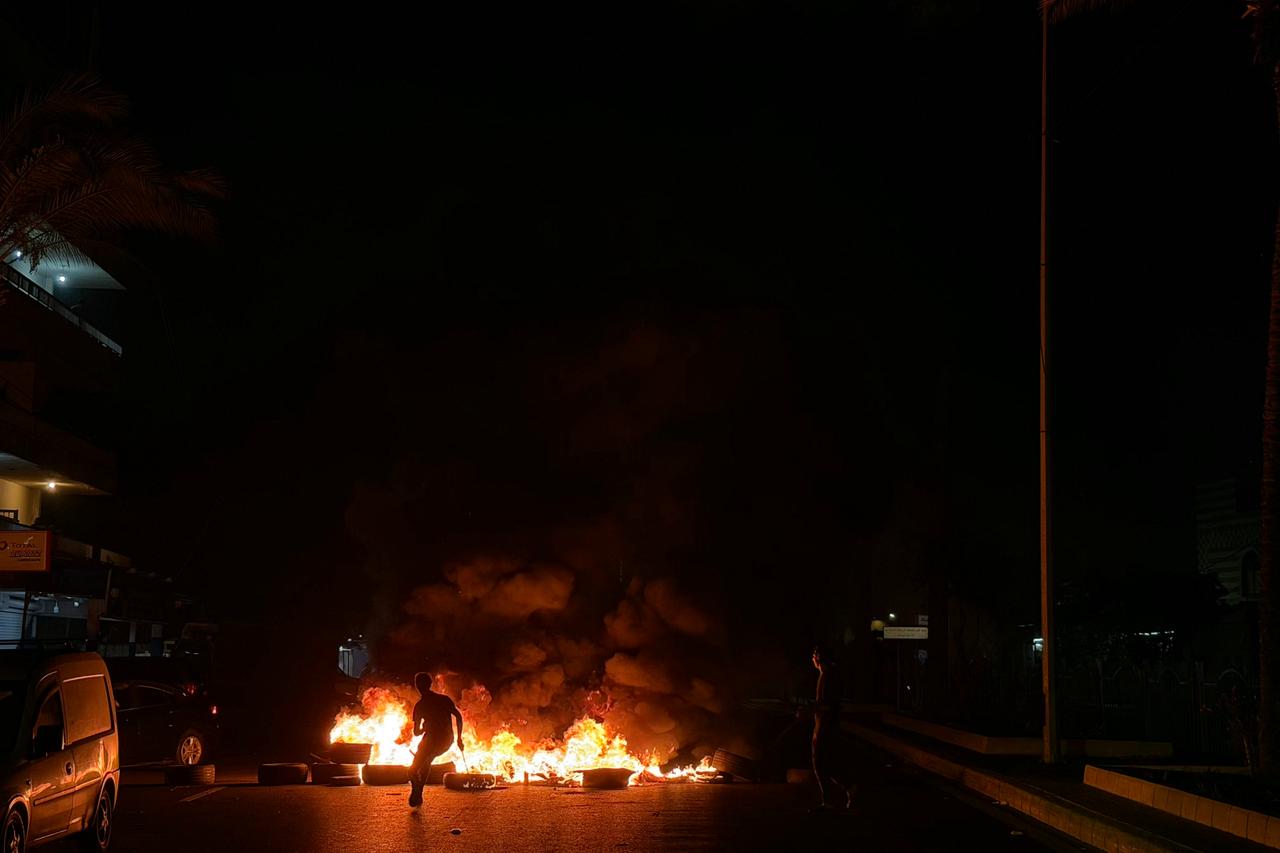
Beirut and Tel Aviv signed the U.S.-mediated framework agreement last Friday.
The agreement provides for a phased Israeli withdrawal from Lebanese territory, beginning with two unspecified pilot areas.
It does not set a timetable for a full withdrawal and links further pullbacks to the Lebanese army assuming security responsibilities and the disarmament of non-state armed groups, including Hezbollah.
Lebanese officials have described the agreement as a "first step" toward restoring state sovereignty over all Lebanese territory and enabling displaced residents to return to their towns.
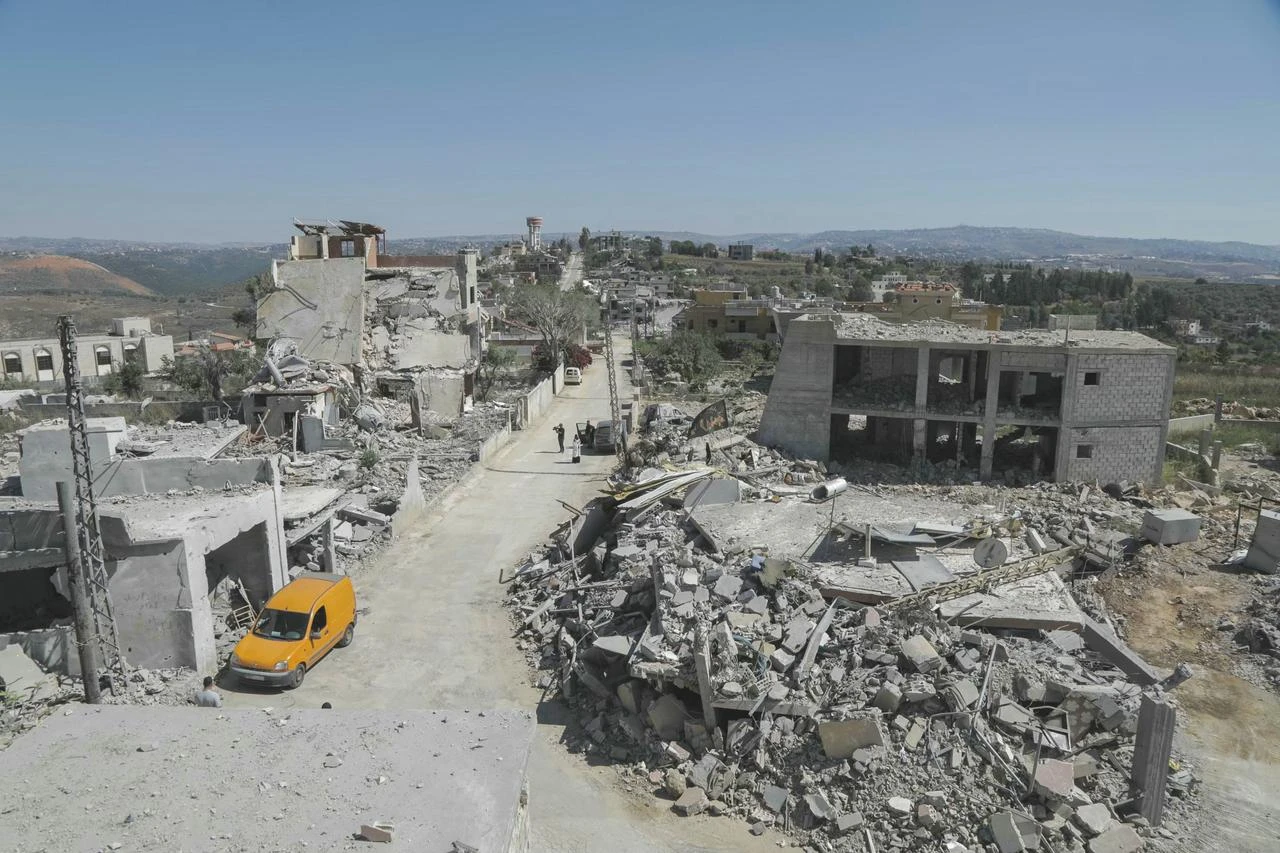
Hezbollah rejected the agreement as "null and void," saying any attempt to link an Israeli withdrawal to its disarmament crossed "all red lines."
Lebanon's Health Ministry said Thursday that at least 4,298 people had been killed and 12,196 injured in Israeli attacks since March 2.
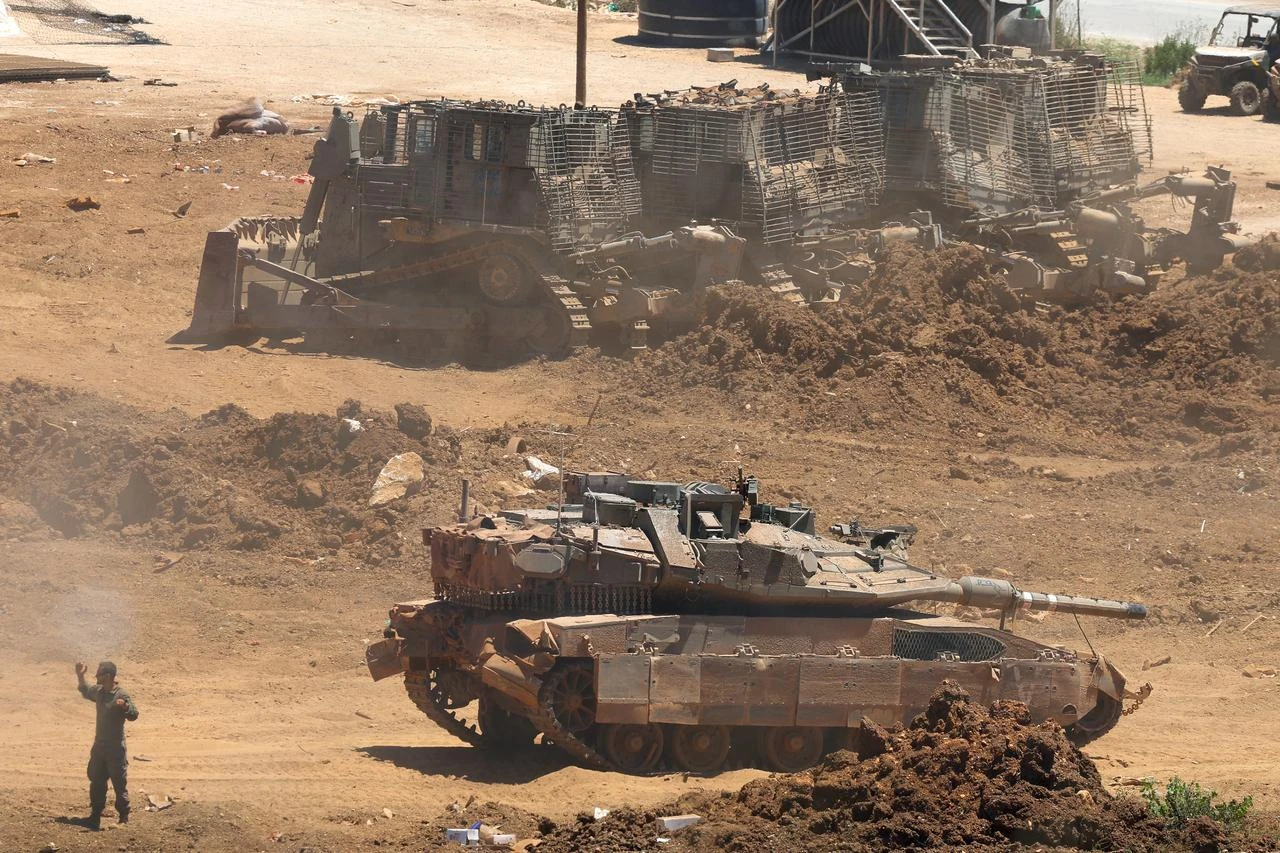
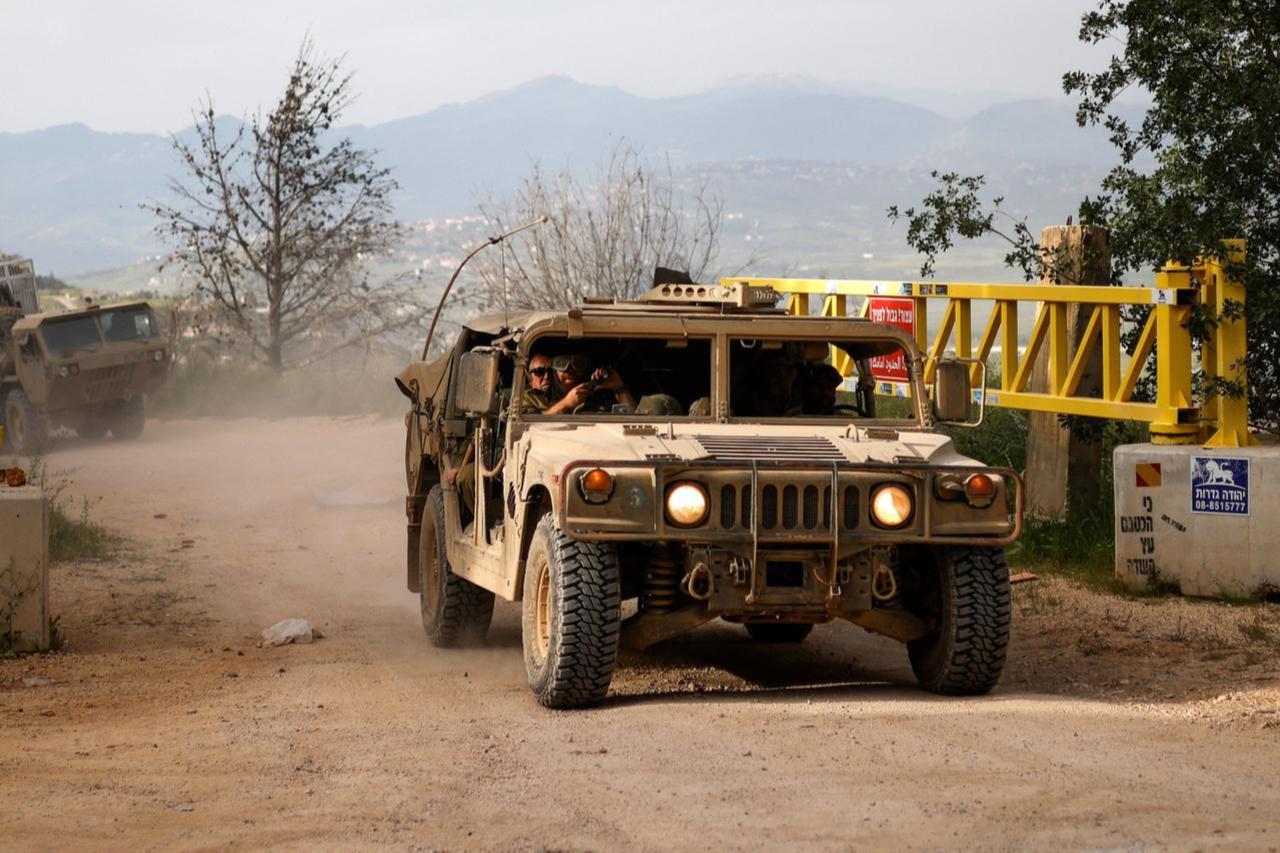
Israel has occupied parts of southern Lebanon for years, some for decades.
It also seized additional territory during the 2023-2024 war and advanced more than 10 kilometers, or 6.2 miles, into Lebanese territory during the current offensive.


 Set as preferred source
 Set as preferred source


 1 min read